
What human food can and cannot dogs eat?
When choosing natural food for a pet, it's important for owners to understand what can and cannot be fed. Below are general recommendations for various foods. However, when creating a diet, it's important to consider your dog's individual needs first, as sometimes even foods considered healthy can cause discomfort. The main principle of any diet is moderation and variety.

Content
Strictly prohibited products
- Beer. The hops and ethanol (alcohol) found in beer are toxic to dogs, often leading to serious consequences (including coma and death).
- Bones. Dogs should not be given any bones: chicken bones can injure the mouth and puncture the digestive tract, while fish bones often get stuck in the throat, sometimes leading to inflammation and choking. Raw bones, especially pork bones, are a potential source of helminth infestation, while cooked bones quickly clog the intestines, which can lead to serious health problems. constipation and even intestinal rupture.
- Raw chicken eggs. They can cause salmonella and E. coli infections, so they are not recommended in your pet's diet. They also contain an enzyme that interferes with the absorption of vitamin B, leading to skin and coat problems.
- Sweets. Their consumption leads to obesity, the development of tooth decay, and often inflammation of the mucous membranes of the eyes and diabetes.

- Pomegranate. Due to its numerous seeds, which are practically indigestible, pomegranates can cause intestinal obstruction, abdominal pain, and vomiting. Furthermore, most seeds contain cyanide, a substance toxic to animals.
- ChocolateIn addition to harmful caffeine, it contains theobromine, which provokes symptoms similar to poisoning (nausea, vomiting, diarrhea, convulsions), and in extreme cases – death (when consuming theobromine at a rate of 0.3 g per 1 kg of the animal’s body weight).
Note! 100 g of chocolate contains about 1.5 g of theobromine.
- Tea. This drink is dangerous due to its caffeine content, which in large doses causes increased breathing and heart rate, tremors, seizures, diarrhea, and nervous disorders.
- Salt. Constantly consuming salt in dogs can lead to electrolyte and water-salt imbalances, which can manifest as dehydration and problems with the cardiovascular and nervous systems.
- Mushrooms. They absorb all the toxins from the environment, causing problems with the liver and pancreas.
- NutsDogs' digestive systems are not designed to handle any type of nut, so they often cause digestive upset.
- Onions and garlic. They are a source of thiosulfates, which, when consumed in large quantities, have a destructive effect on red blood cells and cause anemia.
- Citrus fruits. Tangerines and oranges often cause allergies and stomach inflammation in pets.

- Avocado. This exotic fruit contains persin, a toxin that can cause stomach upset, diarrhea, and vomiting in pets.
- Sorrel. It contains a high concentration of oxalic acid salts (oxalates), which can cause urinary tract problems.
- Ice cream. Ice cream contains milk, which animals often cannot digest, as well as sugar and fat, which can contribute to obesity and diabetes. Cold food itself is harmful to animals' gastrointestinal tracts.
- Shrimp. Like other seafood, they can sometimes cause severe allergic reactions, stomach upset, and kidney problems.
- Lard. Lard should not be included in a dog's diet, as too much fat can cause pancreatitis, obesity, and liver dysfunction.
- Grapes are considered highly toxic to dogs and can cause kidney failure after eating just a few grapes. However, some dogs can eat them without significant ill effects.

Products not recommended for consumption
- CornThis product is contraindicated in both porridge and canned form. It is difficult to digest and can exacerbate digestive problems.
Important! As an exception, you can occasionally feed your dog fresh corn, but the kernels may pass undigested.
- Butter. Despite containing vitamins and fatty acids, it, like any fatty food, has a negative impact on a dog's liver. A small piece of butter may be given occasionally as a treat.
- Pasta. It offers no nutritional benefit to dogs, as it contains large amounts of fast (unhealthy) carbohydrates, which lead to obesity.
- Pearl barley porridge. This product is difficult for animals to digest and can cause diarrhea and allergic reactions.
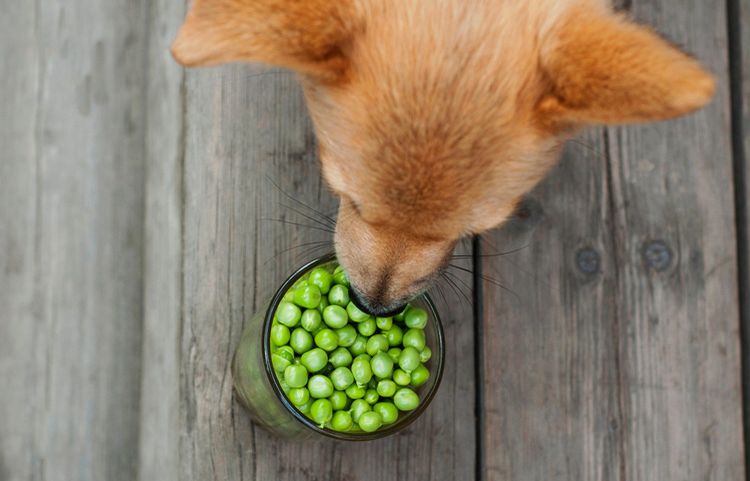
- Legumes. Any member of the legume family is difficult for the digestive system to digest and can cause increased gas production. These foods include beans, lentils, and peas.
Important! You can occasionally give your dog a few fresh green peas as a treat.
- Millet. Another poorly digestible food that can even cause bloat. Millet porridge contains minimal nutrients, so it's not recommended for dogs.
- Barley porridge. A source of numerous microelements and vitamins, these are practically not absorbed by the dog's body. Barley porridge can be periodically mixed with more healthy cereals for your dog. Read also on our website about What cereals can be given to dogs?.
- Tomatoes. In some animals, they can cause allergic reactions, and if overused, they can cause digestive upset, tremors, and increased heart rate. Tomatoes should be given to dogs as a treat only occasionally, but only ripe, fresh tomatoes.
- Bread and flour products. Most of them contain yeast, which can cause flatulence, indigestion, intestinal fissures and bleeding, and eye inflammation. A few dried crackers might be a rare treat for your pet.

- Potatoes. This root vegetable is harmful to pets both raw (it contains toxic solanine, which can be fatal) and cooked (due to its high concentration of unhealthy fast carbohydrates).
- Pork. Its high fat content, as well as the potential presence of parasites and pathogens, make it unhealthy. Feeding your dog a small amount of boiled, lean pork is acceptable on occasion, provided it's purchased from a reputable source.
- Broccoli. Despite its beneficial fiber, it contains isothiocyanate, which in large quantities can be toxic to pets (even fatal).
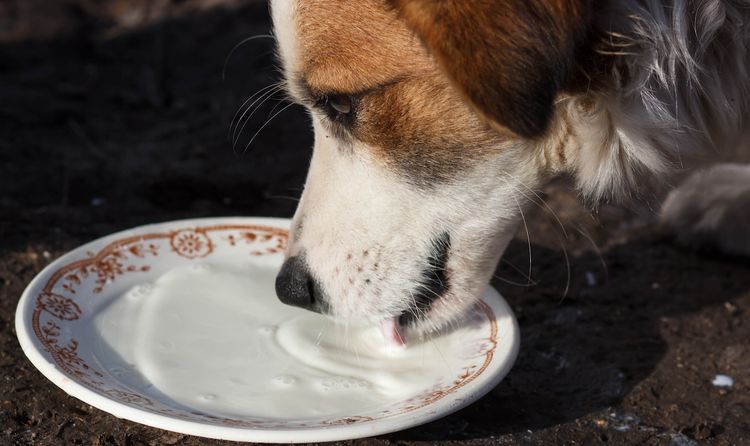
- Milk. As animals grow older, their bodies lose the ability to digest the lactose found in milk, so it milk consumption by dogs May cause stomach upset and diarrhea. In extreme cases, goat's milk or cow's milk diluted with water can be used.
Permitted in limited quantities
- Bananas are a source of potassium, vitamins B and C, and fiber. The latter is especially beneficial for digestive issues, but it should be noted that excessive consumption of bananas can cause constipation.
- Dried apricots. This dried fruit is a healthy treat, but may have a laxative effect on some individuals.
- Honey. If you don't have an allergy, you can enjoy honey a couple of times a week as a treat, but no more than 1 teaspoon.
- Apples. Not only are they a source of vitamins and minerals, but they also have a firm texture that's good for your dog's teeth. However, the seeds contain cyanide, a toxic substance, so when feeding an apple to your dog, remove all the internal parts.
- Kiwi. A slice of kiwi will replenish vitamin C reserves, but should be given no more than once every 2-3 weeks.
- Strawberries. This berry is completely safe for dogs when consumed in moderation. They contain vitamins, antioxidants, and fiber, making them a healthy addition to a meat-rich diet.

- Peanuts. Despite their other name, groundnuts, they belong to the legume family, so they can be given to dogs as an occasional treat, provided they don't have an allergy. Unsalted peanut butter can also be a treat, but limit it to no more than 1 teaspoon per day.
- Seeds (pumpkin, sunflower). They can be eaten as a snack, as long as they're peeled and raw. However, overindulging in them will put unnecessary strain on the liver and gallbladder.
- Oatmeal (Hercules). This product contains amino acids, plant proteins, micro- and macronutrients, and has a beneficial effect on digestion. It can be used occasionally to add variety to your diet. It's best to choose whole grains over flakes.
- Liver is a dietary food rich in protein and vitamins. However, excessive consumption can cause various health problems, so liver should be given 1-2 times a week.
- Beef kidneys. They have high nutritional value, but the proteins in kidneys are slightly less digestible than those in meat, so they should only be given occasionally.
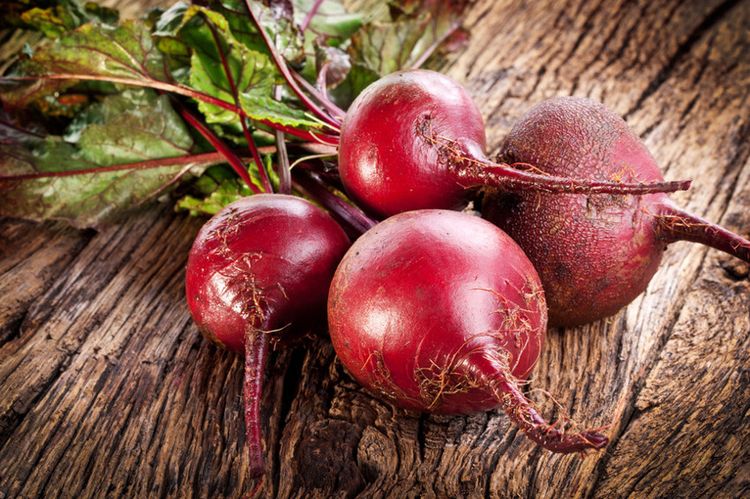
- Beets. This vegetable is a source of fiber, calcium, magnesium, iron, and many vitamins, but can sometimes cause allergies, so they should be given with caution and in limited quantities to avoid diarrhea.
- Celery. While it's rich in vitamins and minerals, it has a tough texture, so it's recommended to grate or grind it before adding it to a dish.
- Cheese. It's a harmless product and often enjoyed as a treat, but it can cause gastrointestinal upset. It's recommended to choose unsalted varieties with minimal fat content.
- Cabbage. While not harmful to animals, large amounts (especially raw) can cause flatulence. It's best served cooked—boiled or fermented. The latter is particularly beneficial for gastrointestinal health.
- Boiled eggsTo add variety to the diet, you can give 2-4 boiled eggs per week, either mixed with food or on their own.
- FishCooked sea fish is a source of beneficial fatty acids rarely found in other foods, while river fish contains bones and is often contaminated with parasites. However, excess fish can lead to vitamin B deficiency, decreased appetite, and cramps. fish oil for dogs You can also read it on our website.

Products allowed for daily diet
- Rice. Cooked rice is an excellent source of carbohydrates for dogs, provided it's thoroughly cooked but not undercooked. It has a high glycemic index, so keep this in mind when adding it to a diabetic's diet.
- Pumpkin. This is one of the most beneficial vegetables in a dog's diet, and is also used to treat gastrointestinal issues, including diarrhea and constipation. However, it should not be consumed raw or in large quantities, as this can lead to vitamin A overdose.
- Turnip. This root vegetable has a beneficial effect on kidney function. It can be eaten raw or baked.
- Cottage cheese. This product is the richest source of easily absorbed calcium.
- Kefir. Like yogurt, it helps normalize digestion.
- Carrots. This vegetable contains beta-carotene, which is beneficial for vision, and improves the condition of the coat and skin. Carrots can be eaten raw (they act as a "toothbrush") or boiled. Read more on our website about What vegetables and fruits can I give to my dog?.

- Buckwheat. Buckwheat contains large amounts of B vitamins, iron, magnesium, and calcium. It's best to feed your dog buckwheat more often than other cereals. Read more on our website. What cereals can and cannot be given to dogs?.
- Lamb. Young lamb can be a good alternative to healthy beef, provided it's lean.
- Chicken gizzards. This by-product can contain high levels of protein, iron, zinc, and vitamin B12, making it a beneficial addition to your pet's diet.
Read also:
- Feeding Dogs Porridge: Everything a Responsible Owner Should Know
- Can you feed bones to a dog?
- Natural dog food


1 comment
Pauline
Very useful site. I learned a lot.
Add a comment