
What to do if a snake bites a dog
Owners whose dogs regularly interact with wildlife (whether they hunt, accompany their owners on hikes, go to the countryside, or simply stroll through city parks) should know what to do if a snake bites their dog. Veterinarians warn that bites from some snakes native to Russia can be fatal. In many cases, the prognosis depends on how quickly the owner recognizes the symptoms and how effectively first aid is administered.
Content
Venomous snakes of Russia
Not all snakes found in Russia are dangerous. The first thing an owner should do if they witness a snake bite their dog is to understand the danger of the particular reptile species. You can determine the specific snake that attacked by assessing its appearance and considering its habitat.
Emergency assistance is required if your dog is bitten by a venomous snake from the following list.
Common viper
|
Length |
70-87 cm |
|
Habitat |
the entire territory of the Russian Federation |
|
Where do they meet? |
steppes, forests, meadows, swamps, tundra, rocky terrain |
|
Peak of activity |
April – June, September – October |
|
Mortality in large dogs |
2-5% |
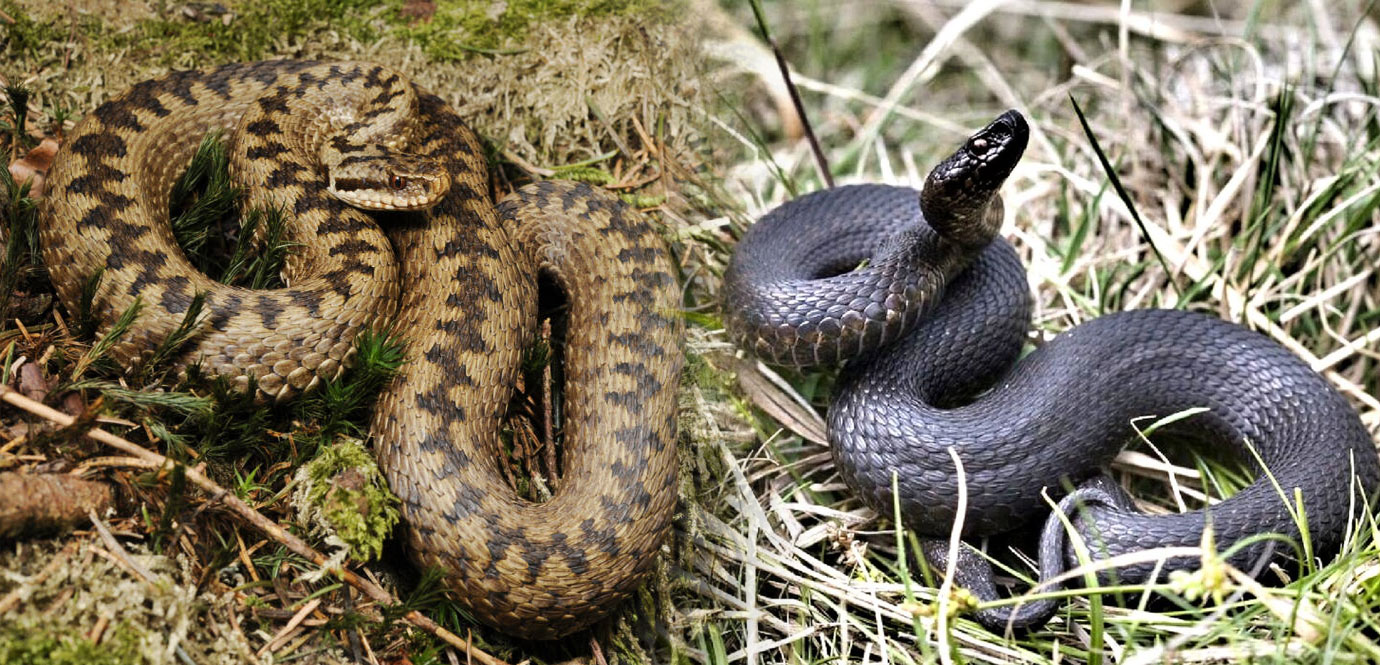
Most vipers have a contrasting diamond-shaped pattern, but about 50% of the population in some regions of the Russian Federation are solid black individuals.
Steppe viper
|
Length |
63-73 cm |
|
Habitat |
Southern Siberia, Altai, Krasnodar Krai, Crimea |
|
Where do they meet? |
steppes, semi-deserts, rocky terrain, meadows |
|
Peak of activity |
April – June, September – October |
|
Mortality in large dogs |
2-5% |
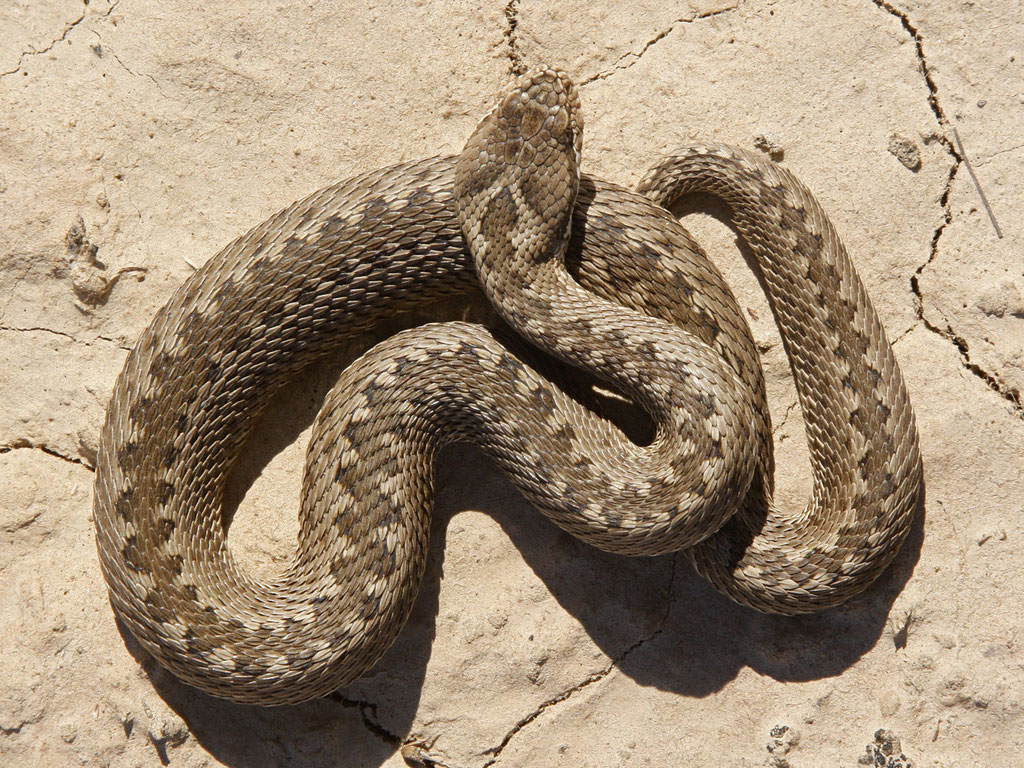
Similar to the common viper, they may have a pattern on their body or be completely black, but are significantly smaller in size.
Dinnik's Viper
|
Length |
50-55 cm |
|
Habitat |
Caucasus |
|
Where do they meet? |
mountain plains, river valleys |
|
Peak of activity |
April – June, September – October |
|
Mortality in large dogs |
2-5% |
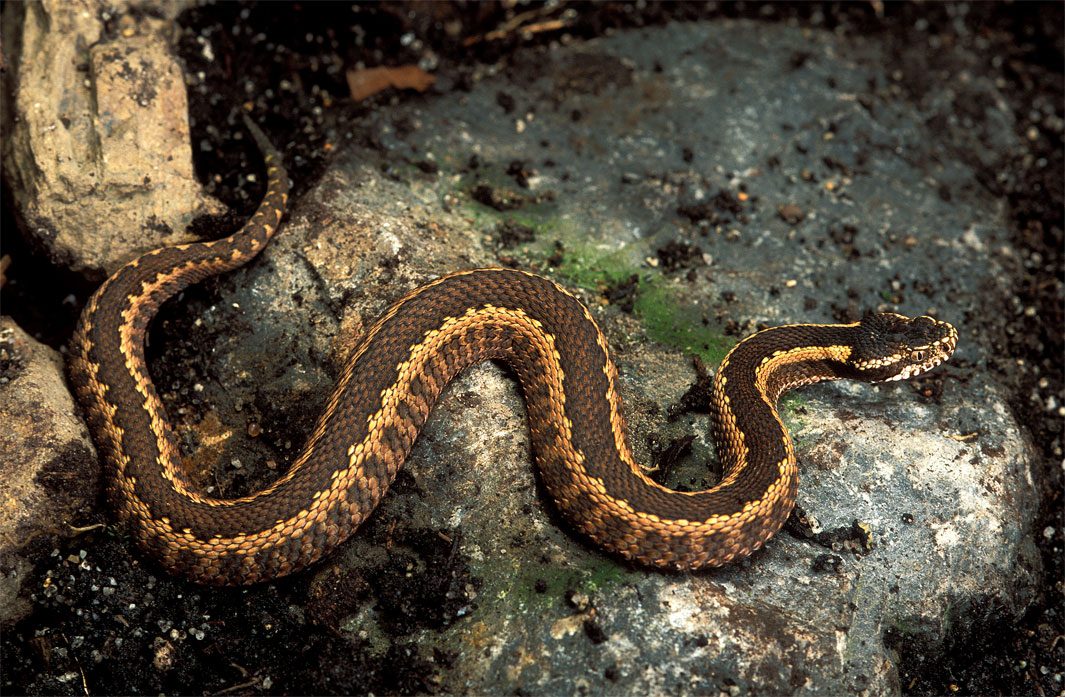
This species of viper is more noticeable due to its bright orange or reddish markings on its dark grey body.
Gyurza
|
Length |
up to 2 meters |
|
Habitat |
Dagestan, Transcaucasia, Central Asia |
|
Where do they meet? |
semi-deserts, steppes, rocky terrain, river valleys, outskirts of populated areas |
|
Peak of activity |
March – May, September – November |
|
Mortality in large dogs |
20% |
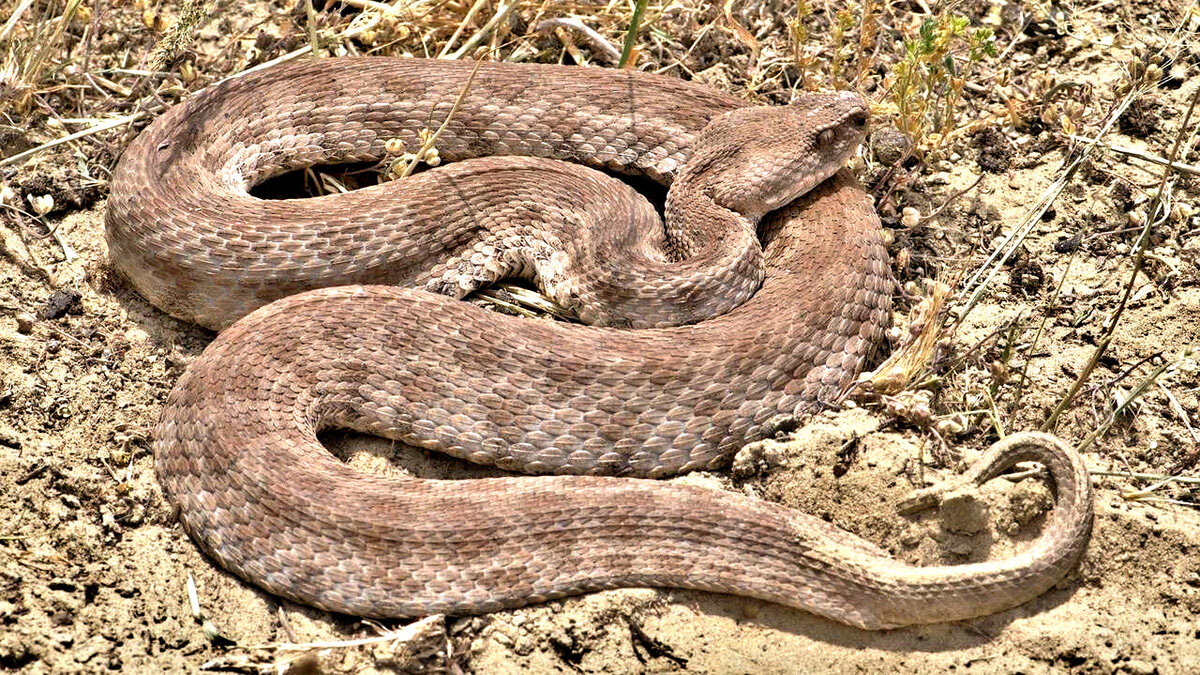
Unlike the previously listed vipers, which most often bite dogs in self-defense, the Levantine viper often attacks first.
Copperhead
|
Length |
60-80 cm |
|
Habitat |
Southern Siberia, Kazakhstan |
|
Where do they meet? |
semi-deserts, steppes, rocky terrain, river valleys |
|
Peak of activity |
March – June |
|
Mortality in large dogs |
less than 2% |
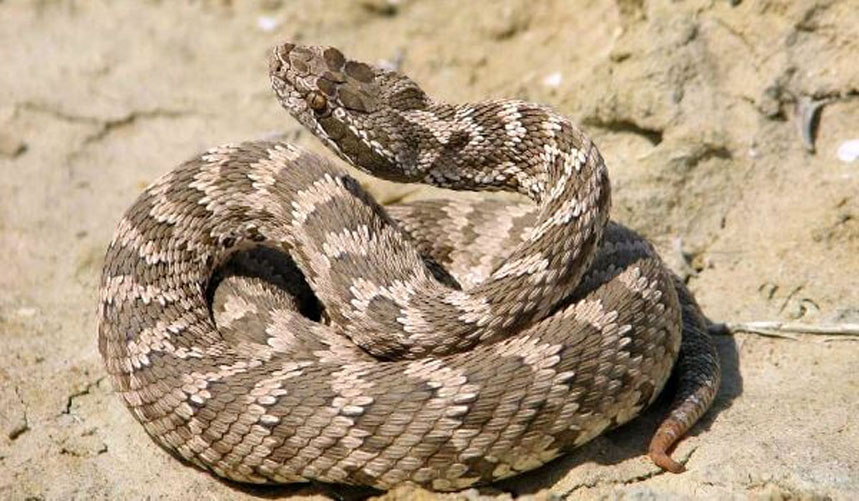
Due to its coloring, the snake is quite difficult to spot on rocky terrain or in dry grass. Although a copperhead's bite is less dangerous to humans than that of a viper or a blunt-nosed viper, the consequences for dogs can be quite serious (the snake's venom is fatal to small breeds).
Why is a snake bite dangerous?
The components contained in snake venom have a systemic effect on the animal's body. Depending on the type of snake, venom can cause:
- severe burning pain and swelling at the site of the bite (even when bitten by non-venomous snakes);
- changes in blood composition causing hemorrhages and thrombosis;
- tissue necrosis;
- effects on the nervous system, causing paralysis, respiratory arrest and heart problems;
- general poisoning of the body;
- acute allergic reaction.
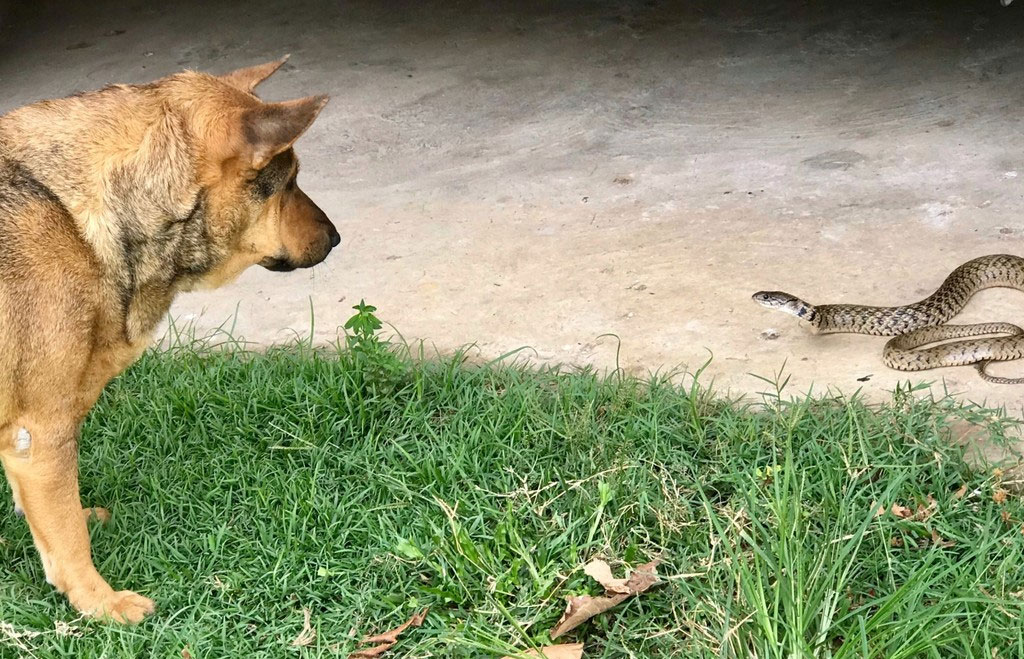
The severity of the consequences for the animal depends on many factors:
- the size of the dog (the smaller the animal, the more pronounced the effect of the poison will be);
- health conditions (snake bites are most dangerous for puppies and dogs with chronic diseases);
- the site of the bite (it is most dangerous if the viper has bitten the dog in the body, nose or neck);
- the amount of poison that entered the wound and its concentration (the strongest poison is found in young snakes in the spring months, as well as in reptiles in a state of agony).
How to tell if your dog has been bitten by a snake (symptoms)
The most obvious option is that you saw what happened and can describe the snake. But what if the dog was out of your sight when it bit?
You can suspect that your dog has just been bitten by a snake by the following signs:
- in short-haired dogs, the trace of penetration of fangs is usually clearly visible and consists of two puncture wounds located nearby (they may bleed);
- the bite site swells quickly, so you will immediately see if the snake has bitten the dog on the muzzle;
- A snake bite is very painful, so if a dog's paw is injured, it will limp noticeably (and may not allow the injured area to be examined).
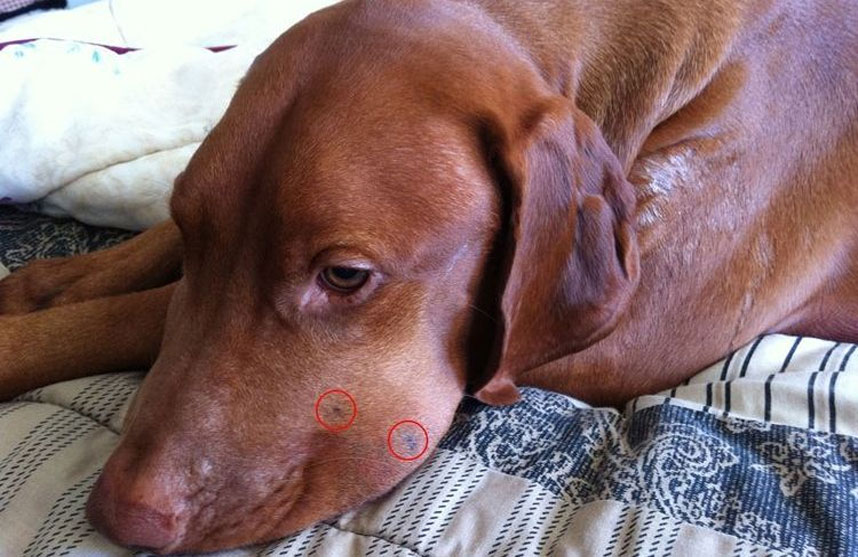
More serious symptoms may appear in the next few minutes (5-10 minutes after the bite) or in the next few hours (up to 48 hours).
When the poison begins to have a systemic effect, the following symptoms may be observed:
- lethargy or marked restlessness;
- nausea, salivation, vomiting;
- hemorrhages at the bite site or adjacent areas (bruises);
- fever;
- lack of coordination;
- frequent shallow breathing (impaired respiratory function);
- cardiac dysfunction (arrhythmia, tachycardia);
- convulsions;
- loss of consciousness;
- anaphylactic shock.
Knowing the signs that your pet has been exposed to poison that could pose a real threat to its life will help you provide timely assistance, as sometimes every minute counts to saving your pet's life.
First aid at home
Before we tell you what to do if your dog is bitten by a poisonous snake, let's clearly outline what you should never do!
- Make cuts or cauterize the bite siteThis will only increase the area of skin damage and accelerate the penetration of the poison by increasing the flow of lymph to the wound (poison enters the body through lymph).
- Suck out the poison. If there are microtraumas in the oral cavity, such an action can be very dangerous for the person providing assistance.
- Apply a tourniquet. This action has been shown to increase the risk of death or the development of gangrene, but is not capable of stopping the absorption of snake venom.
- Apply a compressScientists have proven that neither cold nor hot compresses affect the absorption of poison.
- Giving a dog drugs intended for humans.
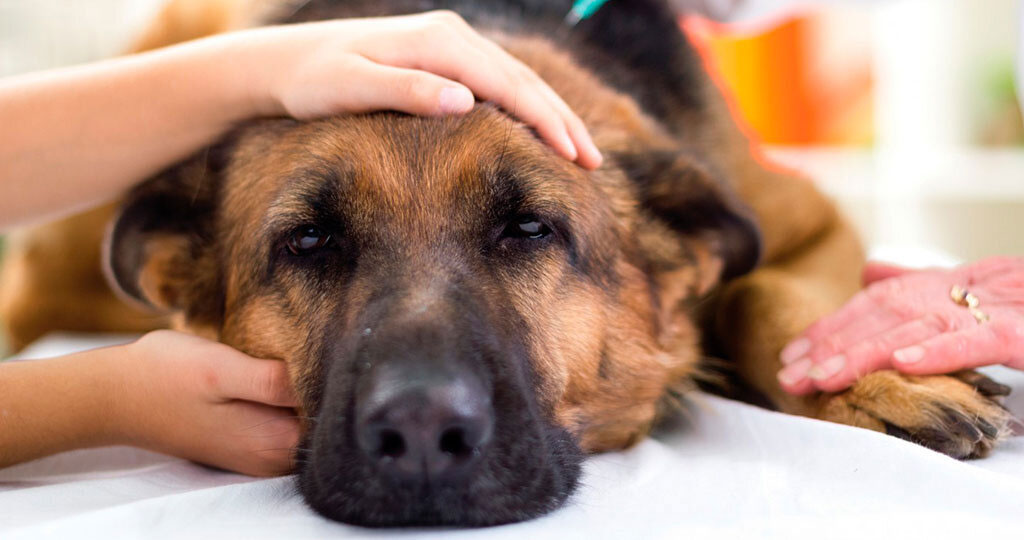
The most important thing a pet owner should do at home if they realize their dog has been bitten by a snake is to get the animal to a veterinary clinic as quickly as possible, without wasting time on ineffective measures.
On the way to the clinic it is advisable to:
- calm the dog;
- minimize physical activity (this will slow down the spread of the poison);
- give an antihistamine to prevent a severe allergic reaction;
- Give the dog as much water as possible.
Veterinary care
Important! If you know for sure your dog has been bitten by a viper, or suspect it may have been a potentially dangerous snake, don't wait for the symptoms described to appear before deciding what to do at home. Take your dog to the veterinarian as soon as possible.
Any clinic with a suspected snake bite should admit you without an appointment, since by all protocols this is an emergency case and the dog requires immediate care.
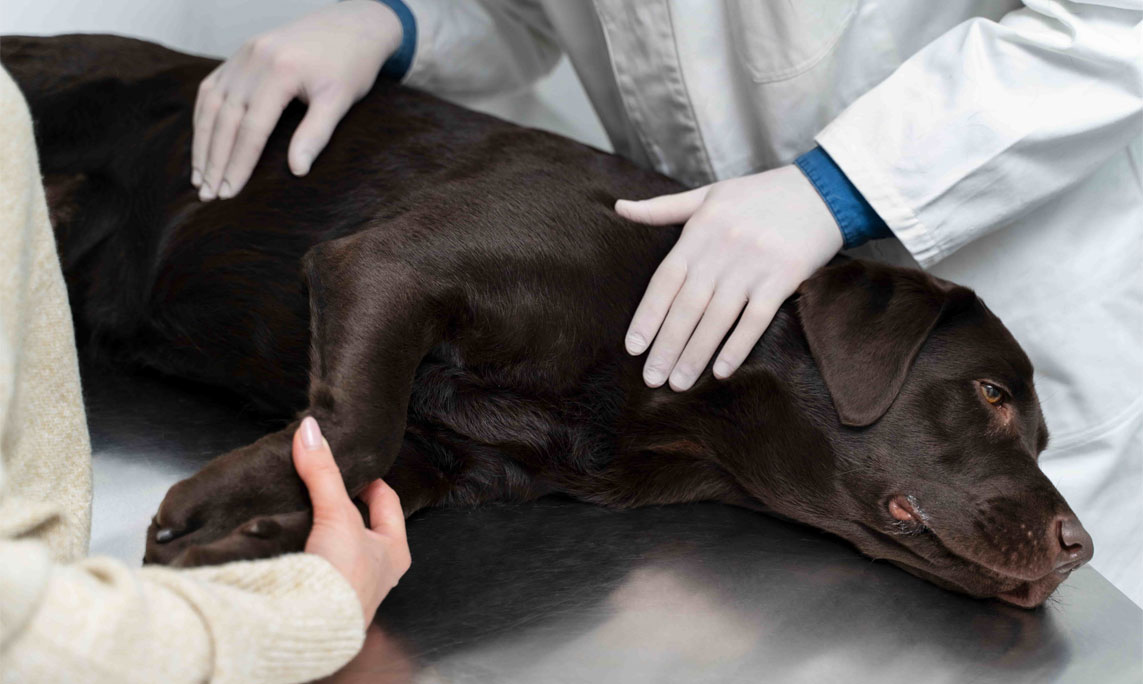
Upon admission, the veterinarian will assess the animal's condition. Depending on the dog's condition, treatment may include:
- setting a special serum;
- support of all organs and systems (primarily cardiac activity and respiration);
- relief or prevention of acute allergic reactions;
- anesthesia;
- administration of corticosteroids to quickly relieve swelling and inflammation;
- antibiotic therapy to prevent bacterial infection;
- in case of significant blood loss – infusion of donor blood;
- in case of extensive tissue necrosis – surgical treatment.
For large and medium-sized dogs, the prognosis is favorable in most cases with timely administration of the serum, but among small animals, the mortality rate after a snake bite is quite high.
Every owner needs to understand that even knowing what to do if a dog is bitten by a viper and taking your pet to the veterinarian promptly can still lead to serious consequences from the venom. In some cases, dogs that have survived snakebites require long-term rehabilitation, as the venom can affect the cardiovascular and nervous systems, as well as cause problems with the kidneys, liver, and other internal organs.
How to keep your pet safe
It's impossible to guarantee your dog's safety from encounters with snakes, as danger can lurk not only in forests or fields, but also in city parks or garden plots.
You can reduce the likelihood of being bitten by following these tips:
- Do not release at-risk dogs (puppies, older and weak dogs) during peak snake activity periods (April – June).
- Mow the grass in your garden regularly.
- When leaving the city, always have a first aid kit with you.
- Find out in advance which clinic always has the serum in stock.
- Train your dog to respond to the "no" command without question.
Veterinarian's advice
Read also:
- Burns in dogs: what they are and what to do
- A dog ate rat poison: symptoms of poisoning and what to do
- Why a dog loses consciousness: reasons and what to do


Add a comment