
What to do if a dog is bitten by a viper
Walking dogs outdoors, especially in forests and near bodies of water, can lead to a number of unpleasant surprises. Besides the risk of fleas and ticks, there's also the risk of snake bites. These reptiles are most active during the mating season, from May to June. If your pet is bitten by a snake, a specific course of action is necessary.
Content
Signs of a snake bite
The most vulnerable areas in dogs are the legs, abdomen, neck, and face. Since the bite site is very difficult to immediately locate due to the dog's thick fur, providing first aid is often challenging. In any case, the owner should be alert to the following symptoms:
- The dog suddenly jumps from its position, begins yelping, whining, falling on its back, and rolling on the ground. The barking may turn into a wheezing or growling sound. Breathing becomes heavy and irregular.
- The state of agitation gives way to lethargy, severe physical weakness, and even disorientation. Shortness of breath, lameness, and impaired motor function appear.
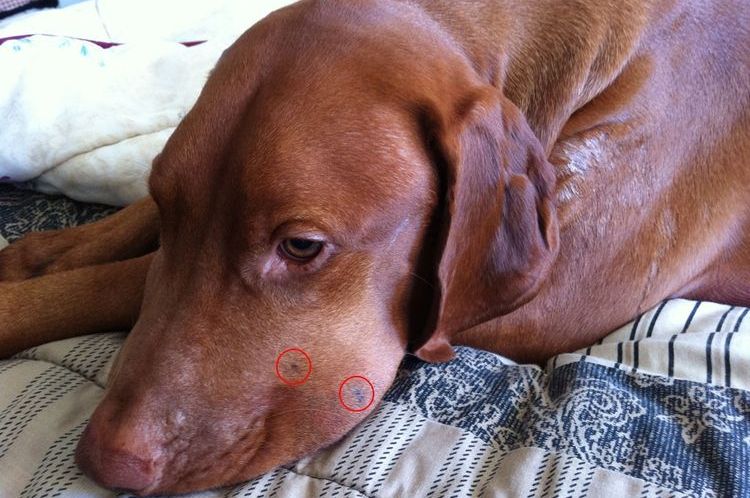
- Swelling develops at the bite site, and ichor oozes from the wound (visually visible as two red dots). The painful swelling usually appears within an hour or two of the bite and can range from minor to extensive.
- The dog avoids touching the sore spot, avoiding touch or jumping away. Increased pulse rate, irregular heartbeat, and dysphagia (difficulty breathing) are observed.
- In some cases, poisoning can cause vomiting, muscle spasms, bleeding gums, and convulsions.
Since the tongue and neck are the most dangerous areas for a viper bite, breeds with thin, taut skin (such as greyhounds and pointers) are particularly susceptible. Severe tissue swelling can lead to suffocation.
First aid for a snake bite
The sooner the owner realizes that the dog's abnormal behavior is related to a viper bite, the better the chances of saving the animal. Ideally, first aid should be administered within an hour of the incident. Before transporting the animal to a veterinary clinic, the following steps should be taken:
- Immobilize the dog, securing it in a position where it cannot move at all or only minimally. Muscle contractions accelerate the spread of the venom throughout the body, with the lymphatic system being the "conduit" rather than the circulatory system. Consequently, the less movement the animal makes, the slower the lymphatic drainage.
- If a decrease in the pet's body temperature is observed, it should be covered with a warm blanket or other available items.

- If no more than 10-15 minutes have passed since the bite, you can try squeezing the venom out through the wound. The affected area should be treated with hydrogen peroxide or a weak solution (2%) of potassium permanganate.
Important: Despite recommendations to first make an incision in the wound area and then squeeze out the venom, this approach is risky. In a state of stress and nervous excitement, it's easy to harm the dog—for example, by damaging a tendon or stabbing the knife too deeply, exacerbating the pain. Infection is also possible.
- Apply a cold compress to the sore area using dry ice, frozen food, or bottles of water.
- If a snake bites a paw or abdomen, you can apply a loose bandage 2-3 cm wide, ensuring that your index finger can fit under the bandage/cloth. The optimal bandage width is 3-4 cm. Apply it above the injured area. By reducing lymphatic circulation in the superficial tissues, the effect of the venom is slightly slowed.
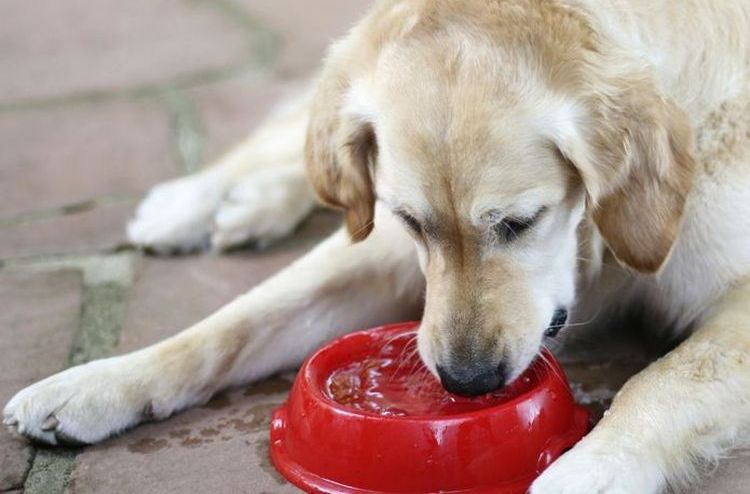
- Give your dog plenty of water to drink, as intoxication of the body leads to rapid dehydration.
What medications might be needed in the clinic?
Depending on the dog's condition, the veterinary clinic may use:
-
anti-snake serum;
-
anti-shock therapy (corticosteroids, antihistamines);
-
detoxification drips;
-
painkillers;
-
antibiotics to prevent infection;
-
liver and kidney support products.
Possible complications after a viper bite
Even with timely assistance, complications are possible:
-
tissue necrosis in the bite area;
-
abscess or long-term non-healing wound;
-
renal failure;
-
disruption of the heart and blood vessels;
-
increased sensitivity to poisons in the future.
Some of the effects may not appear for several days or even weeks after the bite, so it is important to continue monitoring the animal even after returning home.
Medicinal first aid
If it is not possible to immediately deliver the dog to a veterinary clinic, or transportation takes a long time, then the first aid measures will be as follows:
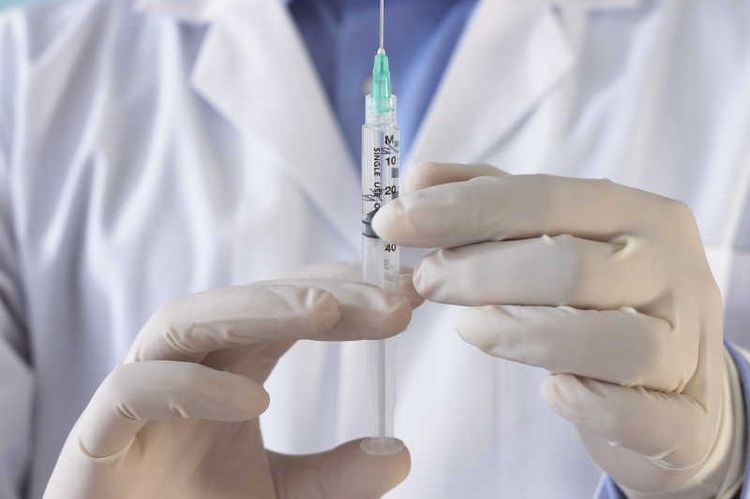
- Apply a novocaine block by injecting the bite site at several points (usually three). For this, use a 5.0 syringe and 0.5% novocaine ampoules. Inject subcutaneously, 3-4 cm from the wound. If the pain is severe, analgin can be used.intramuscularly) or traumatine (subcutaneously).
- Inject an antihistamine - diphenhydramine, tavegil, suprastinSuprastin is injected in two stages: half the dose (0.5 ml) directly into the bite area (3-4 cm from the wound), half the dose (0.5 ml) into the withers or back.
- Inject an anti-shock and decongestant drug - dexamethasone, prednisoloneThe injection (0.5 ml) is given subcutaneously into the withers or back area.
- Give an injection that normalizes the heart's function - caffeine, sulfocamphocaine, cordiamine. For large dogs, the required dose is 2 ml, for small dogs – 0.5 ml. It is injected subcutaneously.
- Place 5-6 drops of Corvalol or Valocordin on your tongue.
- Inject 10 ml of saline solution into the withers to prevent dehydration. If vomiting or loose stools are severe, repeat the injection one or two times, 20 minutes apart.
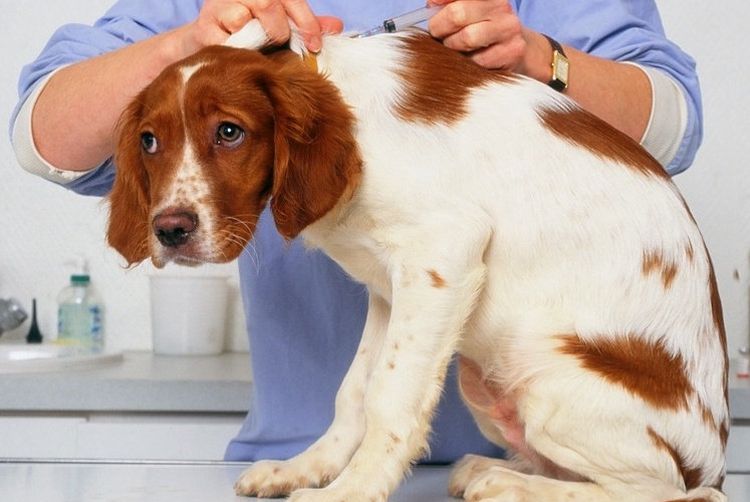
All medications should be drawn into separate disposable syringes. Furacilin, miramistin, and chlorhexidine can be used to disinfect the bite area.
What is strictly forbidden to do
Very often, in an attempt to alleviate their pet's suffering, owners unknowingly only worsen their condition. So, what should you avoid?
- Use alcohol or alcohol-containing products to treat the bite site, as they promote further absorption of the poison and its spread throughout the body.
- Applying bandages that are too tight or constricting. Squeezing soft tissues leads to tissue necrosis and blood stagnation. Removing such a tourniquet usually causes a sharp deterioration in the dog's condition, as the accumulated venom first mixes with intoxication products and then, in such a lethal concentration, begins to spread throughout the body via the lymph.
- Give the animal tea, alcohol and other liquids that help speed up the heart.
- Do not administer snake serum without first consulting a veterinarian. Incorrectly administered dosages can worsen your dog's condition. Also, consider the possibility of using a spoiled product due to improper storage or an expired one.
Good to know
Forewarned is forearmed. Dog owners may find it helpful to consider the following information, either directly or indirectly related to snakes:
- Of all the snakes living in the middle latitudes of Russia, only two species pose a real danger: the viper and the copperhead.
- The bite of an adult snake is significantly more serious than that of a young snake recently hatched from an egg. This is explained by the higher concentration of toxin in its venom, which specifically targets the heart muscle.
- Light-skinned breeds are most sensitive to snake venom. Hunting dogs, dachshunds, and mixed-breed dogs, on the other hand, are resistant to the toxins and can recover even without medical intervention.
- The larger the dog, the slower the poison is absorbed.
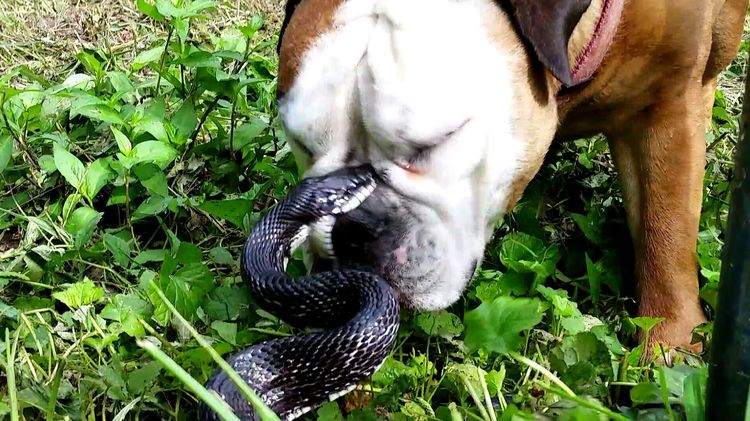
- Animals do not develop immunity to snake bites. A dog is not immune to serious consequences with each subsequent incident.
- The reaction to snake venom depends on the location of the bite. Rapid death usually occurs when the tongue, neck, or lip are affected.
How to protect your dog from snake bites
During viper season (May–September), avoid tall grass, fallen leaves, and rocky areas. It's best to keep your dog on a leash when walking, especially in wilderness areas. After each walk, inspect your dog, especially its paws and face. In snake-infested areas, it's recommended to carry a first aid kit and locate the nearest 24-hour veterinary clinic.
It's important to remember that a dog's life and health directly depend on how quickly it is taken to a veterinarian. Time and the veterinarian's expertise are crucial.
Read also:


Add a comment