
What to do if a cat is stung by a wasp
During the summer, a variety of insects become active, which can cause discomfort to animals. These include mosquitoes, ticks, fleas, wasps, and bees. A painful wasp sting can cause a variety of problems for a pet, from pain to a severe allergic reaction. Therefore, it's important for pet owners to know what to do and how to provide first aid if a cat is stung by a wasp.
Content
How to tell if an animal has been stung by a wasp
During the summer, cats accustomed to free-roaming or living in private homes begin to spend more and more time outdoors. Cats are very curious animals, especially when the object of their attention is moving. An inexperienced cat might perceive a wasp as prey and try to catch it, or disturb a wasp nest with its captivating buzzing and flickering sounds. This can result in injury, accompanied by severe pain and itching.
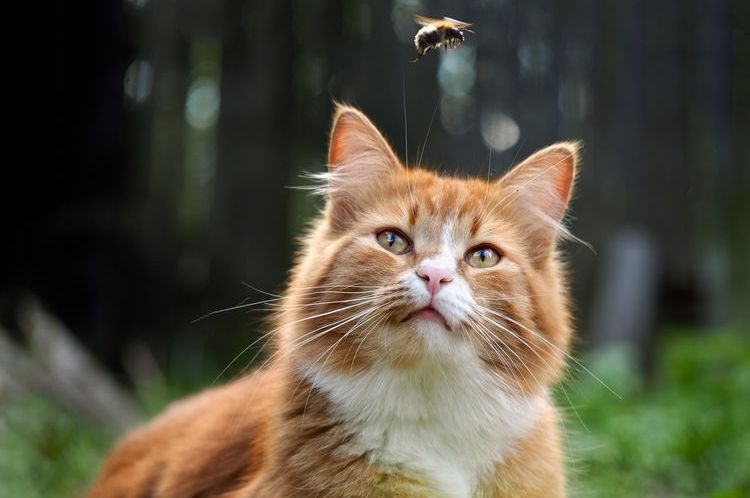
Providing first aid is further complicated by the fact that it's not always clear that a cat has been stung by a wasp. Since the animal can't communicate its distress, the owner should pay attention to the following symptoms:
- after a walk the animal behaves restlessly and meows loudly;
- aggression may appear due to pain syndrome, detachment, unwillingness to go into arms;
- tries to lick or scratch a certain area with a paw;
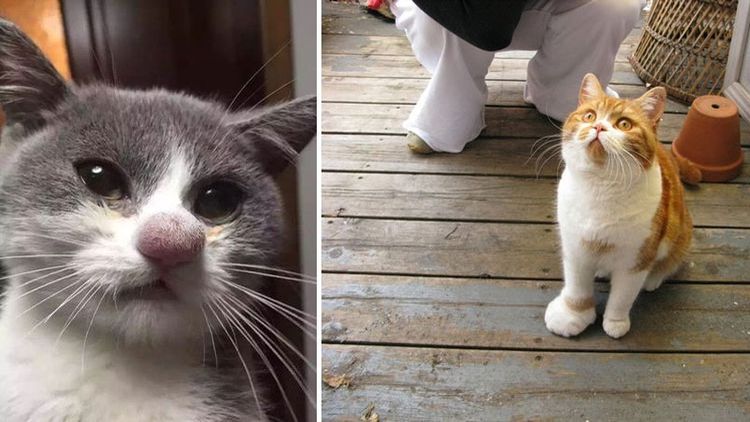
- A characteristic swelling is noticeable in the bite area (it is not always visible, especially in long-haired breeds).
These symptoms are related to the consequences of mechanical damage to the skin. Cats also often experience an allergic reaction, which can lead to more serious consequences. It may manifest itself in the following ways:
- increased salivation;
- swelling of the mucous membranes;
- increased lacrimation, photophobia;
- shortness of breath;
- increased heart rate;
- tremor;
- increase in body temperature;
- impaired coordination of movements;
- muscle spasms.
Consequences of a bite
The animal's face is most often stung, as this is the part of the body where the animal attempts to "meet" or consume the insect. This area of the head is the most vulnerable to injury, as it is laced with blood vessels and nerve endings close to the skin. Minor injuries and cuts are less common on the body, as the animal is protected by a thick layer of fur. Even if a wasp reaches the skin, the reaction will be less severe than with a sting on the mucous membranes, eyes, or mouth.
A cat's immune system is quite resilient and can cope with unwanted allergens on its own. However, regardless of the location of the sting, it should not be ignored. A wasp encounter may be without consequences, and the pain will subside on its own within 3-4 hours. However, there are risk factors that are important to consider:
- The development of suffocation due to swelling blocking the airway. This occurs if a wasp stings a cat on the lip or nose;
- Joint damage. Develops if a wasp stings a cat on the paw;
- Suppuration. Occurs when the poison penetrates the mucous membrane. If the eyes are damaged, it can lead to blindness;
- disturbance of urination and defecation due to damage to the anal area;
- Anaphylactic shock (an extreme allergic reaction to wasp venom). This is the most dangerous condition and can lead to death. It requires immediate medical attention.
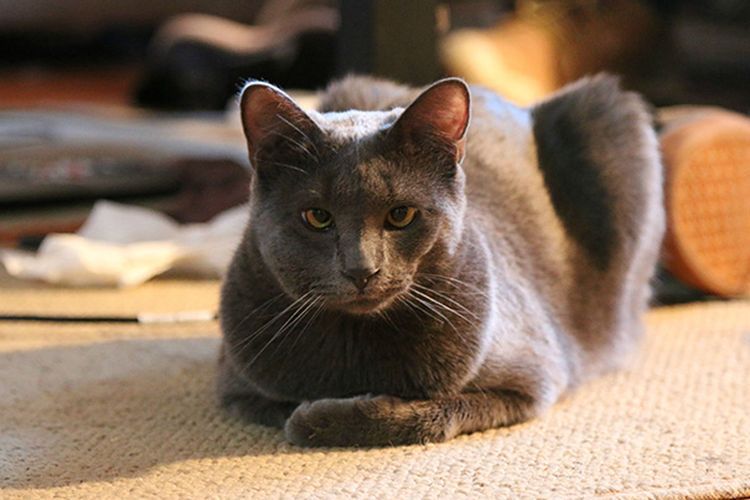
Particular care should be taken if the insect has attacked a kitten, a cat with a weakened immune system due to illness or surgery (for example, after castration), or a cat with a tendency to allergies.
First aid
It's important to begin treating your cat immediately after a wasp sting. The sooner you begin treatment, the less severe the pain will be and the lower the risk of any complications. Ideally, you should take your cat to the veterinarian, especially if they develop signs of an allergy or complications. If this isn't possible immediately, you can still treat your pet at home.
First, make sure there's no stinger left in the wound, especially if the cat was stung by a bee. This should be done with tweezers treated with an antiseptic solution. Be extremely careful when removing the stinger, so as not to injure the cat or crush the stinger.
Next, the wound should be treated with an alcohol-free antiseptic solution, such as chlorhexidine or hydrogen peroxide. This will help prevent infection. It's best to apply the solution using a cotton swab or gauze pad. Cotton wool can leave fibers in the fur, which can further irritate the skin. Repeat the treatment once daily for 2-3 days after the incident.
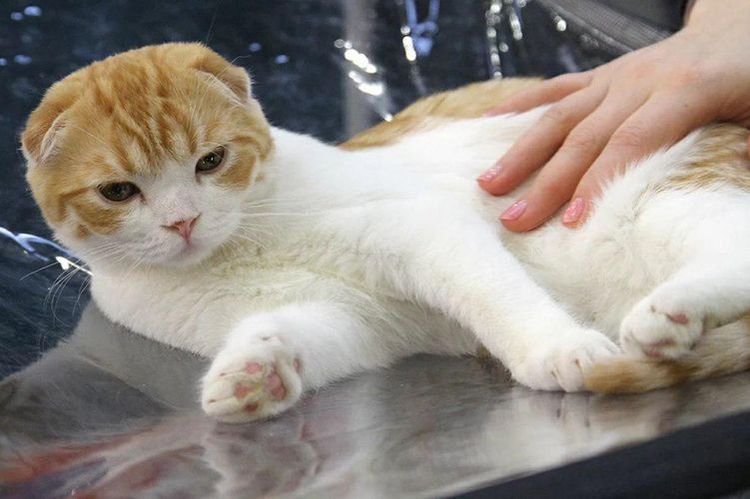
Apply a compress to the affected area to reduce itching and help reduce swelling. The compress can be soaked in the following solutions:
- 9% vinegar and purified water in a 1:1 ratio;
- 1 teaspoon of water per 200 ml of warm boiled water;
- chamomile or calendula decoction.
If a wasp stung a cat on the paw or body, applying regular compresses is easy. You can even secure the compress with a bandage or pet clothing. The compress should be changed approximately every hour until the swelling subsides. However, if a cat was stung on the lip or eye area, avoid compresses with vinegar or other harsh substances. It's better to simply apply ice wrapped in a cloth or plastic bag, or use weak herbal teas.
Glucocorticoid medications such as Prednisolone or Hydrocortisone can help relieve inflammation. They are administered subcutaneously. Severe allergic reactions are treated with sedatives, such as Suprastin or Diazolin. Anti-inflammatory ointments such as Eliden, Bepanten, and others are used to treat wounds, including those affecting the mucous membranes.
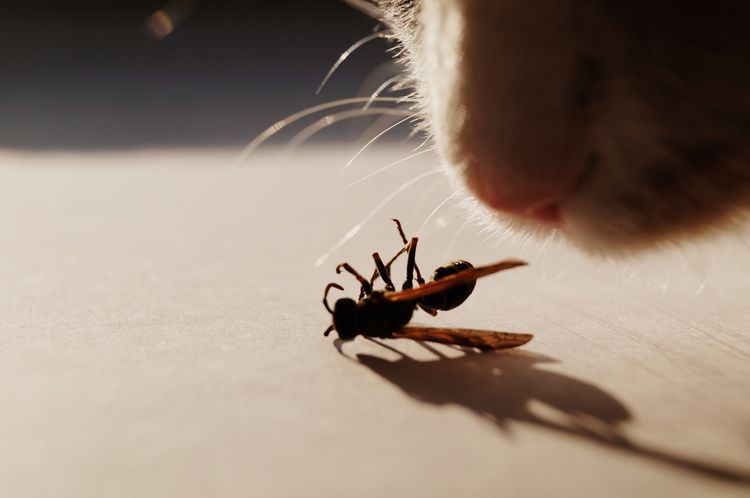
If allergic reactions occur and your cat's condition worsens, you should immediately consult a veterinarian.
Actions in case of anaphylactic shock
Anaphylactic shock is an extremely dangerous condition that can have irreversible consequences. Warning signs include one or more of the following symptoms:
- loss of consciousness;
- vomit;
- convulsions;
- disruption of the central nervous system;
- wheezing.
Shock can develop rapidly, especially in kittens. In this case, the animal must be taken immediately to a veterinary clinic for emergency care. If shock develops gradually, it's still important to seek immediate professional help. The animal will require an intravenous injection of adrenaline and fluid therapy to remove toxins, which is very difficult to do at home.
Read also:
- What to do if a black cat crosses your path
- How to find a cat if it runs away
- Why do cats respond to hissing sounds?


Add a comment