
Ultrasonic teeth cleaning for dogs
Professional dog teeth cleaning is used when stains cannot be removed at home. The procedure is typically performed using ultrasound. This type of cleaning can be performed with or without anesthesia, depending on the individual needs of the dog. Professional dental services have become commonplace these days, so the procedure generally receives positive reviews.
Content
Indications for cleaning
Pets' teeth, like humans', require careful care. They need to be cleaned, tartar removed, and treated promptly. It's also important to visit a dentist for preventive examinations. A dentist can identify problems at an early stage and recommend conservative treatment. Preventing dental disease is much more cost-effective than treating an advanced condition, which is much more painful and can cause significant stress for the animal.
Microorganisms accumulate daily in an animal's oral cavity. They thrive in a favorable environment. Bacteria gradually destroy the oral mucosa and negatively impact the gums. Initially, plaque forms, consisting of food debris and microbial waste. Over time, the plaque thickens and hardens, turning into tartar. Dental calculus can cause many dental diseases, such as stomatitis and periodontitis, and even tooth loss. Bad breath is also a consequence of bacterial overactivity.
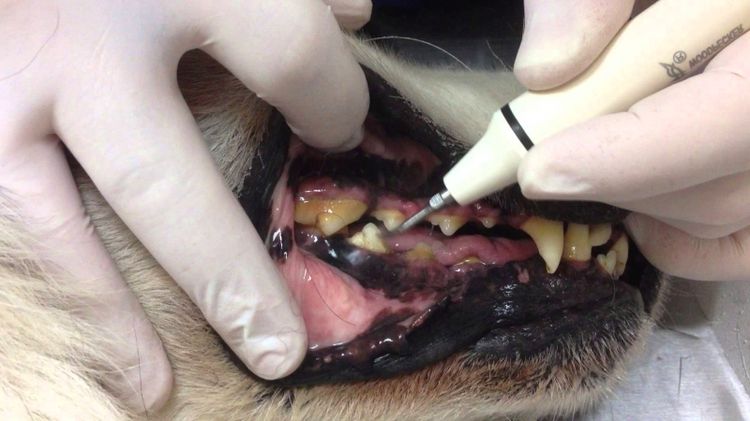
Ultrasonic dental cleaning for dogs allows for the effective removal of tartar and plaque. Using this technique, the specialist treats the outer surface and the area where the gums meet the teeth. This is the most critical area. Bacteria begin to multiply here and spread across the entire surface, triggering the development of plaque, cavities, and tartar.
Professional cleaning will be rational if:
- the dog has a clearly neglected dark brown stone;
- bad breath;
- there are signs of dental disease.
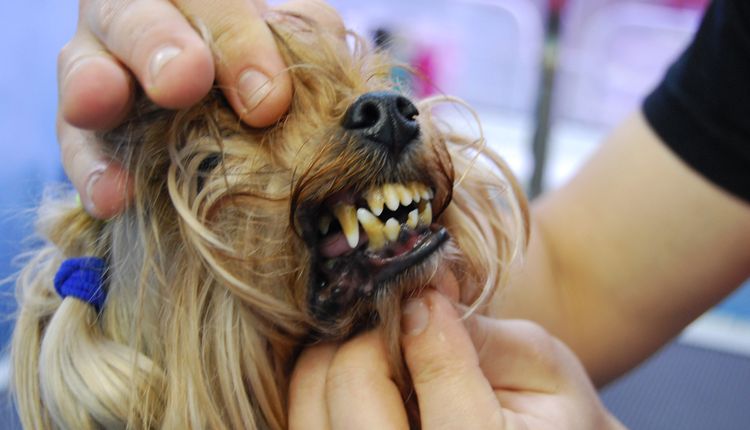
During the procedure, the doctor will also be able to carefully examine the mouth and assess its condition. If necessary, the doctor will prescribe the removal of dysfunctional teeth, strengthening and treatment of gums and enamel, and corrective gum surgery.
Cleaning without anesthesia
Ultrasonic cleaning without anesthesia is prescribed for dogs in simple cases, when the pet only requires removal of plaque. It's also important to consider the pet's temperament. If the pet can tolerate the procedure, anesthesia may be avoided.
Ultrasonic cleaning is a painless procedure. However, it can be unpleasant for your pet, especially if too much attention is paid to the sensitive area near the gums.
The animal may also experience severe stress and be unable to sit quietly for the required time. In this case, the doctor may pause the procedure and schedule another time to resume it.
Instead of general anesthesia Local anesthetics can be used to reduce tissue sensitivity. However, even with these, the owner should be present with the pet to ensure the animal feels safer.
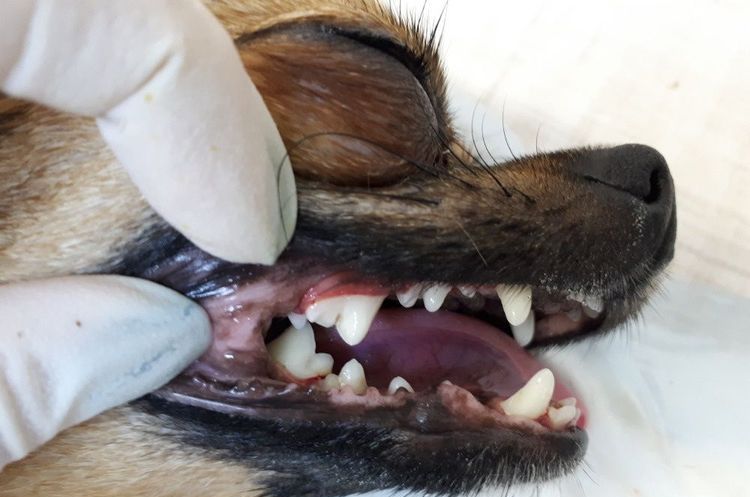
Indications for anesthesia, its types
Ultrasonic teeth cleaning for dogs under anesthesia is advisable in the following cases:
- neglected state of the mouth;
- nervous and aggressive character of the animal;
- the large size of the dog, which poses a danger to the doctor who will perform actions that are not entirely pleasant for the animal;
- additional performance of surgical manipulations.
If during the examination the specialist detects obvious pathological processes requiring surgical intervention (gum strengthening and plastic surgery, etc.), the animal will be anesthetized. This will also include additional treatment. During the procedure, the doctor will be able to completely eliminate all abnormalities in the hard and soft tissues.
Before prescribing anesthesia, the doctor assesses the animal's condition. All risks and possible side effects are considered. If there are significant contraindications, anesthesia cannot be used.
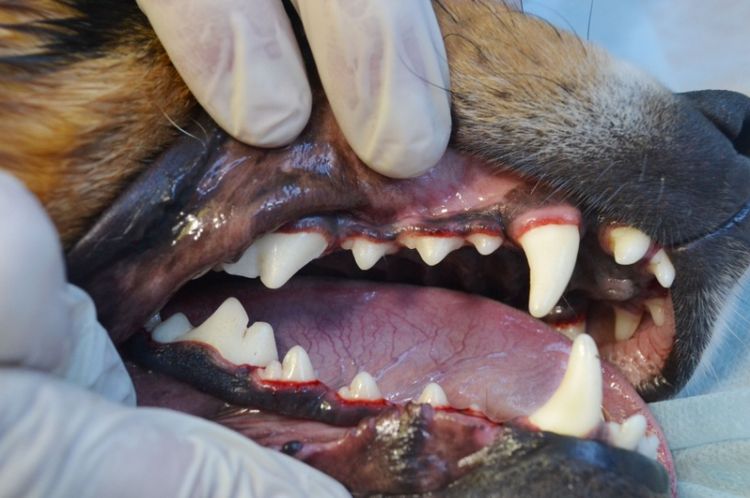
If the procedure is performed under anesthesia, the dog must not be fed for 8 hours before the procedure.
Performing the procedure
Cleaning is performed using a specialized ultrasonic device called a scaler. It uses ultrasonic waves to remove plaque from the surface of teeth without damaging the enamel or soft tissue. The scaler is painless and allows for the removal of plaque from both the outer and inner surfaces of the jaw. The ultrasonic scaler is equipped with various attachments and a power control, allowing for the effective removal of stains of any complexity.
Although the device is painless, it can cause discomfort and frighten the animal. The device makes a loud buzzing sound, and the mouth is rinsed with water during the procedure. If this causes significant stress and fear in the dog, anesthesia is recommended.
Finally, the mouth is treated with special dental antiseptics. This treatment reduces the activity of pathogenic flora and slows the formation of tartar.
The duration of the procedure will depend on the complexity of the situation. On average, it takes 20 minutes. If surgery is required, the procedure can take approximately 1.5 hours.
Professional cleaning is recommended every 1.5 to 2 years, depending on the severity of tartar formation. If you perform regular brushing at home, ultrasonic cleaning can be used less frequently.
Where is it held?
Professional ultrasonic dental cleaning for dogs is performed at veterinary clinics with specialized surgical procedures. For example, in Moscow, this can be done at the Biocontrol Veterinary Clinic.
Some clinics offer home visits. However, in this case, you'll need to confirm the cost of an on-site ultrasonic dental cleaning. It's usually more expensive than a clinic visit. If your dog requires additional surgical procedures under anesthesia, they will be performed at the veterinary center.
Price of the service
The price of ultrasonic dog teeth cleaning will depend on several factors:
- volume of the procedure (the severity of the mouth condition);
- the need to perform additional manipulations;
- use of anesthesia.
The doctor determines the scope of the upcoming procedure in advance and informs the pet's owner. The doctor makes recommendations regarding the necessity and mandatory nature of any procedure. However, the owner has the final say.
The average cost of the procedure in Moscow is 2,500 rubles. Additionally, a mouth X-ray and other instrumental or laboratory tests (blood chemistry, etc.) may be required.
General anesthesia can cost around 4,500 rubles. The service typically includes an anesthesiologist's examination, premedication, pain relief, and recovery from anesthesia.
Ultrasonic teeth cleaning for dogs: video
Reviews
Evgeniya:
"The ultrasonic teeth cleaning was performed without anesthesia. My dog is very small and obedient, so she endured the entire procedure calmly and courageously. The doctor praised us and said her mouth was in good condition and that she wouldn't need another professional cleaning anytime soon."
Anna:
"The dog needed an ultrasonic teeth cleaning without anesthesia. The procedure was successful and was done at home. I held and calmed the dog while the doctor operated the equipment. Of course, it was stressful for both me and the dog. But everything ended well. Now her teeth are beautiful and sparkling white."
Read also:


Add a comment