
Microchipping animals: what is it?
Veterinary clinics are increasingly offering microchipping for pets. Not all owners know what microchipping is, what it is, and why it's necessary. So, let's break it down.
Content
Chip - what is it?
The chip is a tiny microcircuit (a little over a centimeter in length and about 2 mm in width, that is, almost like a grain of rice) that is surrounded by glass that is not rejected by the body.
Each chip has its own identification code, which is strictly unique (the same numbers would only match a hundred years later!). If the chips are genuine, meaning they're not counterfeit, no two codes will be the same.
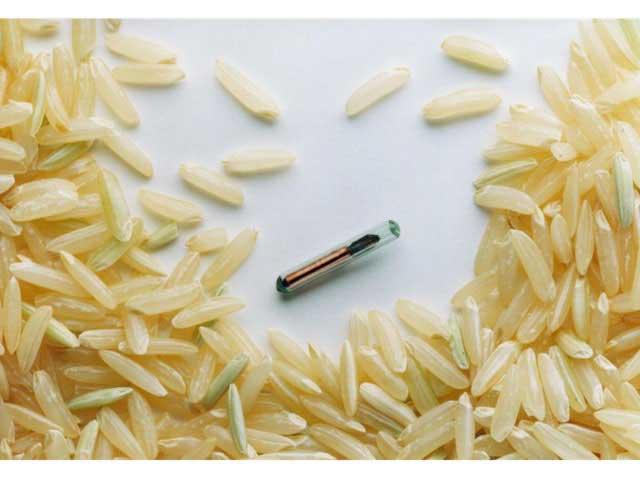
It's so small that it's extremely difficult to detect after being implanted under the animal's skin. However, when scanned with a special device, this tiny chip is recognized, and the identification code appears on the reader's display.
This serial number can only be compared to the serial number in your passport. This data is entered into a special database. A law will soon be passed requiring all cat and dog owners to microchip their pets. It is no longer permitted to import animals into the EU that are not registered in the common database and that do not have an identifying chip implanted under the skin.
Why do you need a chip?
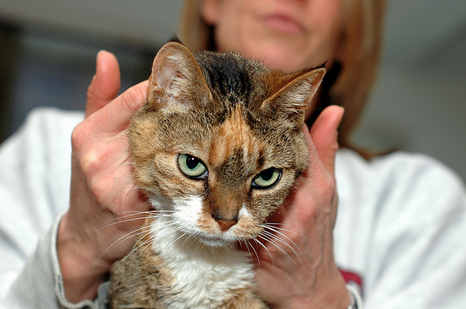
There's only one function: to "tag" and register an animal. Imagine your pet gets lost. What do you do? It's great if you have a collar with an ID tag. Then your pet can be returned to you. But what if it's missing? A chip is a lifesaver. The finder can take it to a clinic, where they'll scan the area where the chip is implanted (a completely safe procedure). The scanner will display 15 digits, which are entered into a special database (unique not only for Russia). The result will be the first name, last name, and address of the owner, to whom the pet will be returned.
Microchipping dogs and cats is a real lifesaver for owners of purebred pets. While there's a high risk of such a beautiful animal being stolen or misappropriated, implanting a microchip under the skin will help prove that the pet is yours! Furthermore, if your pet is caught by animal control officers, scanning the identification code will allow them to be returned to their family. If the microchip isn't present, the animal will have only a week to live, at best.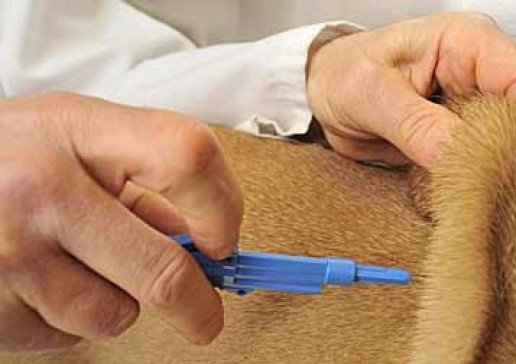
Microchipping of dogs
Microchipping dogs is a simple procedure, completely painless, and does not cause any complications for the animal.
The process is as follows:
- The veterinarian takes the chip package and compares the information on the package with what appears on the device's display when scanning the chip itself. These 15 digits must match exactly.
- The chip is always sterilized. Since the chip is protected by glass, there's no need to worry about alcohol or other disinfectants damaging the vital component.
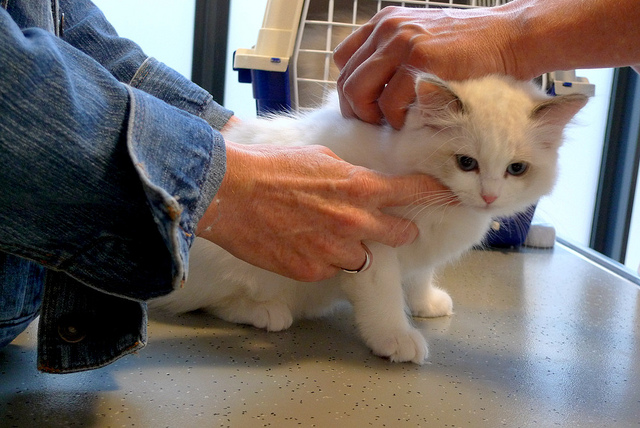
- Next, the veterinarian inserts the chip under the skin using a syringe. There's only one injection site! It's in the withers or shoulder blade area. Not in the hip or neck! After implantation, the injection site is scanned. If everything was done correctly, the numbers will immediately appear on the scanner display.
- Next, the veterinarian fills out special documents and enters you into a unified database. A note is made in the pet's passport, and a unique identification code is recorded.
Microchipping cats
Microchipping cats follows the same procedure as microchipping dogs. There aren't any significant differences. Almost all animals (and even birds) can be microchipped. These could be horses, hamsters, parrots, or anything else.
This shouldn't be surprising, as animals can be purebred, used for breeding, and participate in international shows (and, as mentioned earlier, traveling to any EU country without a microchipped animal is prohibited). Even if you don't plan to travel and your pet isn't purebred, this isn't a reason not to get it microchipped. Keep in mind that a cat can run away or get lost (for example, if you were out for a walk or visiting a village). In this case, anyone who finds your pet can only return it to you by contacting a veterinary clinic and requesting a microchip scan.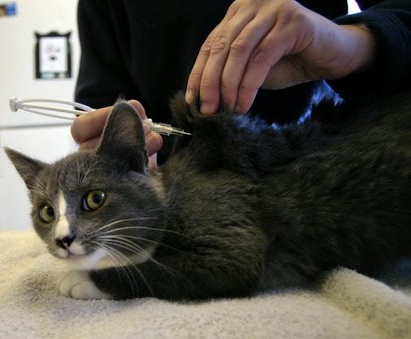
Or your pet could have been stolen. And if you see it with someone else, you can easily prove it's yours, since you'll have all the relevant certificates. documents (including the animal's passport), which will contain a stamp with the identification code. This is a rock-solid argument, and no one can dispute it. Your pet will rightfully be returned to you. Even if you don't know where your cat is, you can send information to veterinary clinics, asking them to scan all similar animals. And if they match your code, they'll call you. Sooner or later, your cat's abductors will have to seek veterinary help.
Features of microchipping in Russia
No matter how simple and painless the procedure of implanting a chip under the skin may be, there are some contraindications.
Animals that are sick cannot be microchipped.
Of course, the animal's immune system is already working at full capacity, trying to fight off pathogens. Even though the microchip is surrounded by glass, which the body doesn't reject, it's not worth taking any risks. Inflammation is no good for anyone.
It is not possible to insert 2 chips into one pet.
There are no batteries, wires, or complicated components inside the chip that could damage this tiny "speck of rice" identifier. Therefore, the chip cannot fail! Simply put, there's nothing there to fail. Before inserting a chip, a veterinarian must ensure that the cat or dog has not been previously microchipped.
Owners are required to do little more than ensure their pet doesn't scratch the injection site. And don't let it get wet, as this can cause inflammation.
Where and how can this operation be performed?
Now let's talk about where and how this procedure can be performed. Microchipping of cats and dogs (as well as other animals) is performed by veterinarians in clinics. Don't trust dubious organizations that don't have quality certificates or the necessary documentation for the chip. Don't risk your pet's health.
The cost of microchipping
Until Russia passes a law mandating microchipping of animals, the cost is relatively low. Once that happens, the price will skyrocket. Much depends on the chip manufacturer and the clinic's status. However, the cost of microchipping rarely exceeds 1,000 rubles (usually it ranges from 500 to 900 rubles).
Any questions? You can ask our website's staff veterinarian in the comments below, who will answer them as quickly as possible.
Read also:


3 comments
Ivan
How will this chip help locate an animal? Like a GPS tracker, it will indicate its location. And most likely, this is needed to prepare the tax base (registering pedigree, expensive pets) and subsequently implement a pet tax.
Olga
I currently have one in a temporary shelter for the winter, my neighbor has three adopted and fostered cats, and nine strays in the backyard (one of them, a British cat, is about to give birth). We feed cats and dogs outside. I feel sorry for them all. But why would we microchip them? I suspect they'll simply exterminate all the strays. That's the true humanity of our government. They'll get to us soon enough. Anyone who refuses a microchip will simply die, because they won't be able to feed themselves. John the Theologian wrote about this in the Apocalypse (Chapter 13:16-17).
Lyudmila
They're going to introduce mandatory paid microchipping of animals. For those with purebreds, it's clear they need it. We pick up abandoned, sick, young and old animals. Why do I need it? So that next time I can turn a blind eye to this misfortune? And many will simply dump their pets on the street, and there will be even more homeless people. The cats are 17 and 14 years old, and I don't even know the dog; he was already picked up with a gray muzzle. And why do I need it? Just to give the money.
Add a comment