
Scabies mite in cats
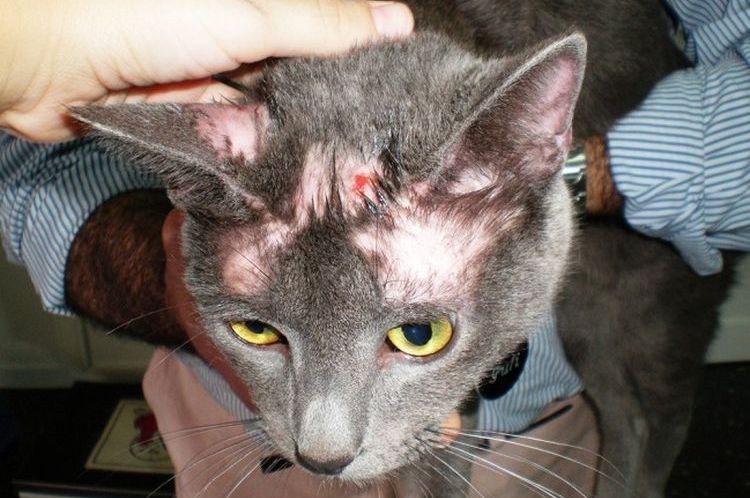
Scabies mites cause unbearable itching in cats. If your pet becomes nervous, scratches frequently, their skin begins to peel, and their fur falls out, resulting in bald patches, it's time to take them to the veterinarian.
Types of scabies mites
There are several species of scabies mites that cause skin diseases in cats. However, they all act in a similar manner:
- They settle in the upper layers of the skin, where they lay eggs.
- They feed on sebum.
- The waste products of their life processes cause suppuration on the skin, resulting in wounds on the animal.
It's impossible to see a scabies mite on a cat's skin with the naked eye, but a microscope reveals a terrifying sight: dozens of tiny, squirming arthropods. If the disease is advanced, an examination of the pet may reveal clear signs of mite infestation. The extent of harm to both animal and human health depends on the parasite species.
- Notoendrosis. Caused by a pathogen from the genus Notoendrosis. This disease is also known as "cat scabies." The first sign is the appearance of bald patches on the animal's scalp, which begin to bleed rapidly due to the cat scratching the skin with its claws in an attempt to relieve the itch. The more blood, the more active the parasites become, resulting in the mites quickly spreading throughout the body. Notoendrosis is contagious to humans.
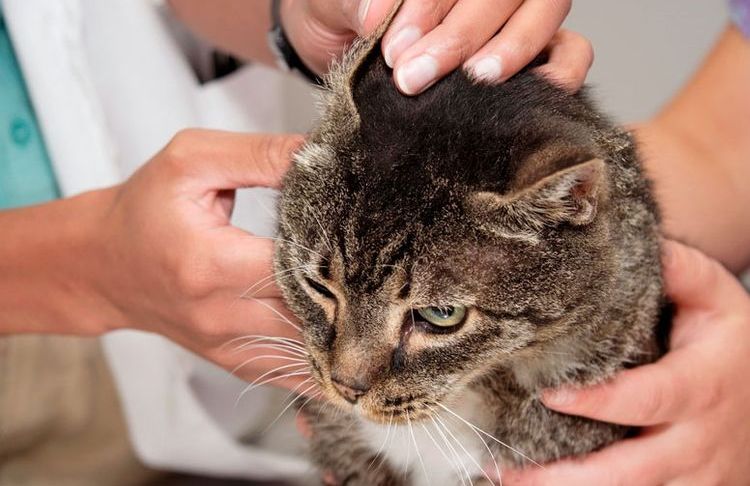
- Otodectosis, or ear mite. It is caused by the parasite Otodectes cynotis, which infests the outer ear. Unlike Notoedres, this mite does not require a warm, moist environment. However, otodectosis is far from harmless: crusts first appear on the inside of the ears, followed by purulent discharge, which is sometimes mistaken for earwax. If left untreated, ear mite can lead to inflammation of the ear canal. Otodectosis is not dangerous to humans.
- Sarcoptic mangeIt is caused by a parasite of the genus Sarcoptes (the itch mite). It is rare in cats, but can lead to blood poisoning and subsequent death. Symptoms of this type of scabies mite infestation in cats include the appearance of papules and balding patches with short hair. These are primarily found on the face, ears, elbows, and abdomen. Humans can also contract sarcoptic mange, which causes a rash and intense itching on the hands. The disease resolves within two months if there is no reinfestation.
Caution! Mites can live on a cat's skin without causing discomfort. Itching occurs when the immune system is weakened.
Diagnosis of scabies
Owners often consult a veterinarian when all the signs of a scabies mite infestation are obvious. It's important to know the specific mite infestation, as treatment depends on it.
- A skin scraping will be examined under a microscope. The doctor may need to make a small incision, as ticks don't just live on the surface; they penetrate deeper, creating burrows. The scraping is taken under anesthesia.
- Examining the affected areas under a Wood's lamp. The nature of the illumination can help determine the cause of the skin lesion.
- Fecal examination. Ticks often enter the body through the ingestion of skin fragments.
- Visual inspection. It is important not to confuse parasite infestation with allergies, dermatitis, and deprived.
While the tests are being done, it is important to isolate the cat from other animals and wash your hands thoroughly after contact with the pet to avoid infection.
Treatment
Treatments are selected depending on the type of scabies mite infesting the cat. Treatment lasts for three weeks, as this is the parasite's life cycle.
- Complete isolation from other animals.
- In case of notoendrosis, the cat is bathed in a hexachlorane emulsion or a benzyl benzoate suspension (5-20%) is used.
- For demodicosis, treatment of the skin and fur with a solution of amitraz or lime sulphide is prescribed.
- Otodectosis is treated with acaricidal ear drops. Both ears are treated simultaneously.
- For sacroptosis, keratolytic shampoos are used.
- Scabies can be treated with ointments. Macroptosis and demodicosis are treated with tanacetoacetate liniment.
- In case of notoendrosis, the affected areas are treated with a 50-60% solution of hyposulfite.
- Injections are given when the disease is advanced. Ivermectin-based medications (Ivermectin, Amirtrazine, Baymek, Novomek) are most commonly used. This component paralyzes the parasite without causing harm to the animal. The only contraindication is early age, meaning ivermectin is not used in kittens.
- For babies, use special drops on the withers.
- Wounds and pustules are cleaned with hydrogen peroxide and lubricated with Levomekol.
- Antibiotics are used to prevent secondary infection. Keeping in mind that ticks become active when the immune system is weakened, vitamin therapy may be beneficial for the cat.
Please note: Hair loss may worsen during treatment; this is considered the body's response to the medications.
Prevention of scabies in cats
The scabies mite, regardless of species, most often inhabits the skin of stray animals. To prevent infection, strictly monitor your pet's contact with other cats.
Maintaining cleanliness in the house is essential, as even rubbing against dirty shoes can cause a cat to become infected with scabies. If your pet is allowed to roam freely, it should be fitted with a flea and tick collar.
If a parasite is detected, the following preventive measures must be taken:
- Throw away all textile items with which the animal has come into contact (toys, bedding).
- The owners' belongings (clothing, bedding) that the sick pet touched are treated at a high temperature and taken out into the cold.
- Furniture and floors are wiped with disinfectants.
- A good preventative measure for other animals in the house is to apply special drops to the withers.
- The most effective preventive measure is the administration of an antiparasitic drug by injection.
After treatment, it will take time for your beloved cat to become as handsome as before. After a month of therapy, full recovery occurs within 20-40 days.
Read also:
- Scabies in cats: symptoms and treatment
- Subcutaneous mites in cats: symptoms and treatment
- Ear mites (otodectosis) in cats: symptoms and treatment


Add a comment