
Cesky Terrier
The Cesky Terrier is a rare dog breed developed in Czechoslovakia for burrow hunting. Intelligent, loyal, friendly, and non-aggressive toward people, these qualities make it not only a reliable hunting companion but also a family dog and companion. It does not shed, but requires regular grooming and clipping.
Content
History of origin
The Czech Terrier is a proprietary breed, meaning it owes its origins to a specific individual: František Horák, an amateur breeder from Klánovice, a suburb of Prague. Horák's goal was to breed a small, lightweight terrier suitable for burrow hunting in the Czech Republic. In other words, it had to be Sealyham Terrier, but lighter in build and darker in color. Then he would be able to squeeze into tight holes and get less dirty. In 1948, František Horák mated a Sealyham Terrier male with a female. Scottish TerrierHe continued working with the resulting litter. In 1959, the Czech Terrier was first shown at a show, and in 1963, the breed was officially recognized by the Fédération Cynologique Internationale, but it remains one of the rarest in the world.
Hunting with a Cesky Terrier
The Cesky Terrier, due to its characteristic calm, may not seem as adventurous as many other burrowing dogs, but it has a well-developed hunting instinct and a keen sense of smell. Its narrow body and short legs allow it to easily penetrate marten and muskrat burrows, as well as the wider burrows of badgers and foxes.
The Czech Terrier's hunting role is typical for burrowing breeds: find an inhabited burrow and drive the animal out, or corner it and bark until a rescuer arrives. If successful, the dog chokes the animal and drags it out. In the Czech Republic, terriers are also trained to hunt pheasant and other birds.
Video about the Cesky Terrier dog breed:
Appearance
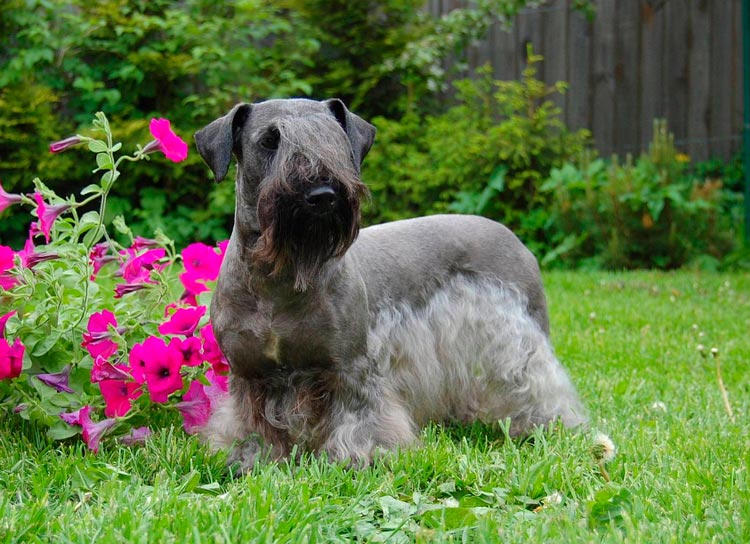
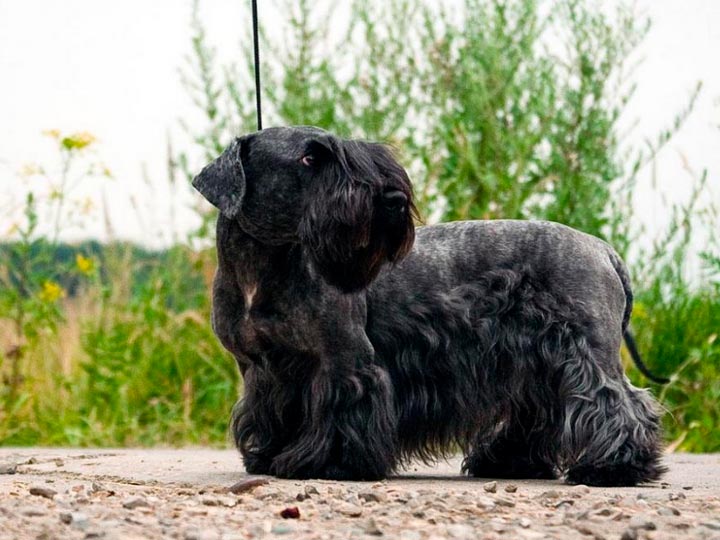
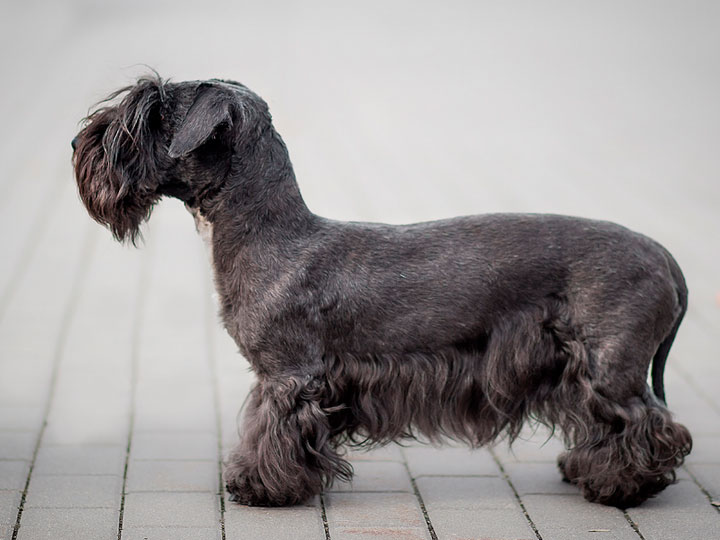
Cesky Terrier - in its own way building This is a small dog with a strong, rectangular body, short legs, well-developed muscles, and long hair. Sexual dimorphism is moderate. Height at the withers is 25-32 cm, weight is 6-10 kg.
The Cesky Terrier can easily be confused with many other breeds, including the Miniature Schnauzer, Sealyham Terrier, Lakeland Terrier, and some others.
The head is relatively long, the skull slightly domed. The stop is distinct. The outline of the head resembles a triangle: blunt, long, but not wide when viewed from above. The nose is black or brown, depending on the coat color. The eyes are medium-sized and brown. The ears are triangular, medium in size, set high, hanging, and lying close to the cheekbones. The bite is scissor-like.
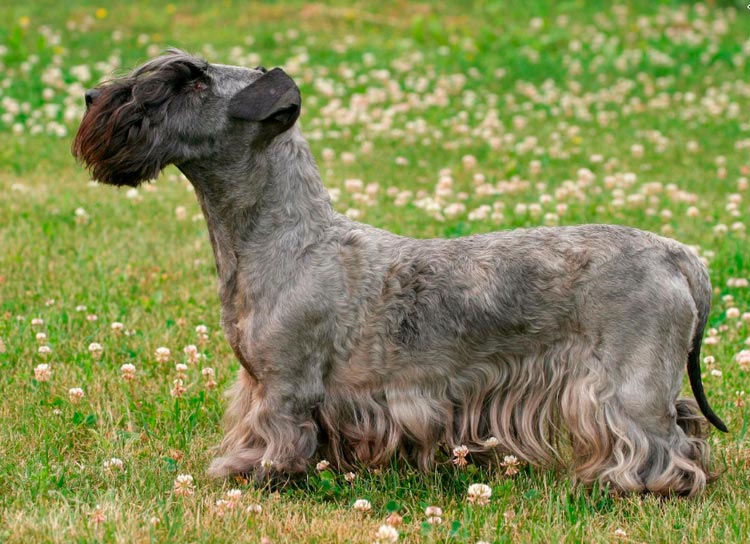
The neck is medium in length and strong. The skin on the throat is slightly loose. The forelegs are straight and strong in bone. The hind legs are muscular, with short thighs and well-developed hocks, and stand parallel to each other. The body is of medium length with an arched loin. The chest is cylindrical and deep, with well-sprung ribs. The long tail hangs down when at rest, but is raised when moving or excited. The gait is energetic, with parallel leg movements.
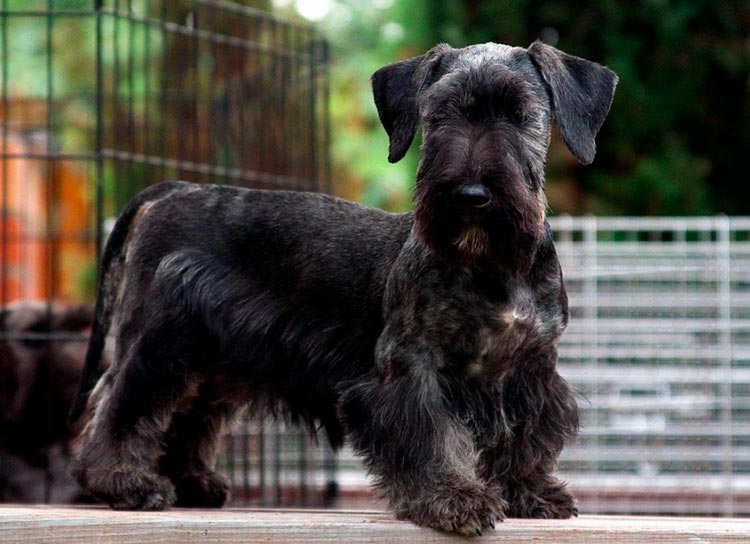
The coat is long, slightly wavy, and has a silky sheen. The breed standard defines the dogs' distinctive appearance with their haircut. The coat color is blue-gray or light brown. Gray and yellow markings on the cheeks, lower muzzle, chest, neck, lower legs, and under the tail are permitted, as is a white tail tip or collar. Blue-gray dogs have gray skin, while light brown dogs have flesh-colored skin.
Character and behavior
According to the breed standard, the Cesky Terrier should have a balanced and calm character, self-confident, with a touch of independence and stubbornness typical of terriers. Aggressive and overly excitable dogs are excluded from breeding. The Cesky Terrier is a vigilant guard dog, but does not bark unnecessarily. It is wary of strangers. It forms a strong bond with its family and is dependent on its owner, being obedient and sociable. Relationships with other dogs in the household vary. The breed of the neighbor, the age at which the dogs met, and the skill of the owner in facilitating their interactions are all important. The Cesky Terrier gets along with cats, as long as they are not adverse to its company. Relationships with small animals are rare, as the dog primarily views them as potential prey.
The Cesky Terrier, with its calm, gentle nature, rarely causes trouble for its owners, either at home or on walks. It is not quarrelsome or confrontational, but can stand up for itself when necessary.
Cesky Terrier friendly and playful, so he gets along well with older children. As a rule, he is not aggressive towards to small children, however, he will not tolerate bullying and restrictions on his own freedom, and will try to hide from sight.
Education and training
The Cesky Terrier is easy to train. However, at a young age, difficulties can arise due to its playfulness and curiosity, which can distract from training. It's crucial to find good motivation, make training playful, and remember to use positive reinforcement, such as treats or toys.
Raising and training a young Cesky Terrier requires a great deal of patience and time from owners. The reward for their efforts will be an obedient, pleasant companion, with whom they can engage in various sports, if desired.
Training of a terrier begins no earlier than 6 months, provided that it has been taught basic commands and performs them regardless of external factors.
Content Features
Thanks to its small size and cleanliness, the Cesky Terrier is ideal for indoor living, even in a small apartment. It can be kept outdoors in a spacious enclosure, but not on a chain. The Cesky Terrier does not shed, a significant advantage for those who love cleanliness.
They require close contact with their owner and ample exercise. Regular walks around the house aren't suitable for the Cesky Terrier. They are overly active and inquisitive, and they also have a strong hunting instinct that shouldn't be suppressed, but should be controlled. It's important to allow the dog to run freely in nature and swim, while also ensuring it doesn't run away on scent or hide in a hole.
Care
The Czech Terrier's coat is somewhat softer than that of other wirehaired terriers, so it is clipped rather than trimmed. The grooming of "domestic" terriers is limited only by the owner's imagination. The show standard must meet the requirements. The head, upper body, and tail are trimmed short, no more than 1.5 cm. The legs and lower body are left long enough to form a neat skirt. The eyebrows, mustache, and beard are left on the muzzle. The long, soft coat is prone to matting, so it is important to brush the dog regularly. Bathe as needed. Czech Terriers living indoors or at home should be bathed every 7-10 days. Outdoor Czech Terriers should be bathed after a grooming session.
If the dog does not participate in shows, a short summer haircut will reduce the need for grooming to a minimum, and the coat is allowed to grow out in winter.
Grooming also includes care of the dog's ears, eyes, teeth, and nails. Eyes are cleaned only when needed. Ears are cleaned once a week or less, teeth once or twice a week, and nails are trimmed as needed.
Nutrition
The Cesky Terrier is known among owners and breeders for being a glutton. While they are not picky eaters, their insatiable appetite and love of treats require constant monitoring. Naturally, overfeeding can lead to weight gain and associated problems. A natural diet should be formulated according to standard dog guidelines, taking into account age, exercise, size, and other physiological characteristics. As for commercial food, diets for small breed dogs with normal lifestyles are suitable for the Cesky Terrier.
Health and life expectancy
Cesky Terriers rarely get sick if you pay attention to disease prevention. Genetically, the breed is considered healthy, but it's not completely free of hereditary diseases. Common ones include:
- Patellar dislocation;
- Convulsions Scottish Terrier, caused by a lack of serotonin;
- Dislocation of the lens.
In old age, age-related diseases can develop, including heart and kidney failure, malignant and benign tumors, and joint and gastrointestinal problems. To maintain good health, it's important to regularly treat your Cesky Terrier for external and internal parasites, vaccinate according to the schedule, and regularly undergo a full medical examination. Life expectancy is usually between 12 and 15 years.
Choosing a Cesky Terrier Puppy
Those looking to buy a Cesky Terrier will have a hard time finding a breeder, let alone puppies available for sale. The majority of these dogs are concentrated in the Czech Republic and the UK, with a few breeders in other European countries and the US. In Russia, only a few successfully breed Cesky Terriers. However, dogs from domestic breeders are quite competitive at shows. Not every dog can become a champion or a stud dog, so keep this in mind when choosing a puppy. First and foremost, it must be healthy and desirable.
The only proof of a puppy’s pedigree is the FCI-RKF documents.
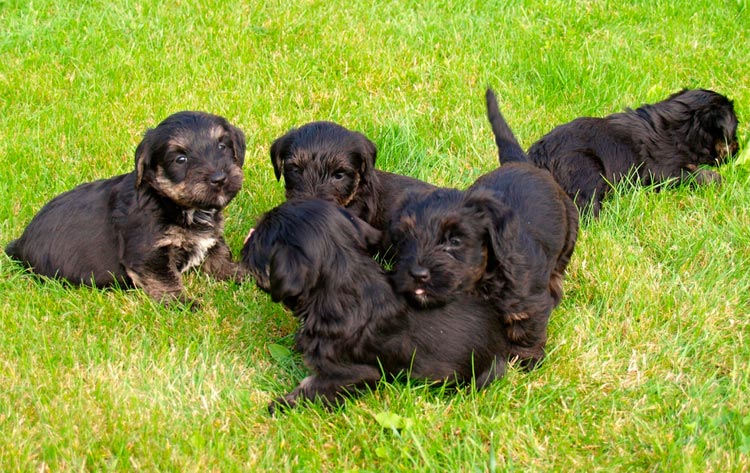
Cesky Terrier puppies are born black with white markings and only acquire their final color, ranging from charcoal gray to almost white, by two years of age. Brown puppies are very rare in a litter. The parents' coat coloring only provides an indication of the puppies' future coloring, not a guarantee. Puppies are collected vaccinated no earlier than two months of age and assessed for compliance with the standard and health. Externally, puppies should show no signs of illness. Genetic testing of the parents for common diseases is encouraged. It is best to collect the puppies in person. This will allow you to see the parents, their appearance, personality, and habits in person.
Price
Since the breed is not commercialized and puppies are in low demand, the price of a Cesky Terrier is quite reasonable. Dogs not intended for show or breeding cost an average of 35,000 rubles. In Europe, the average price of a Cesky Terrier puppy is 700 euros.
Photos
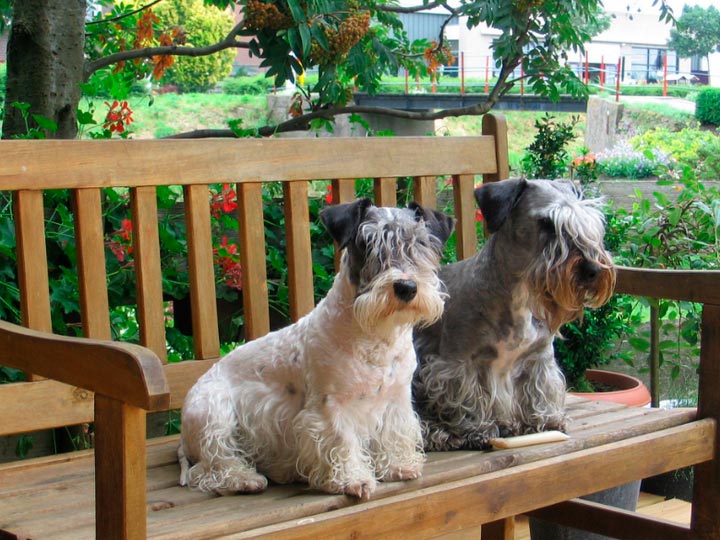
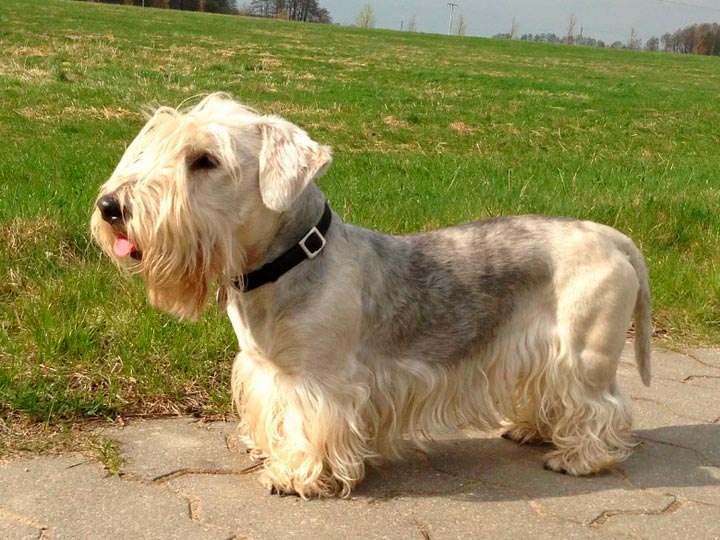
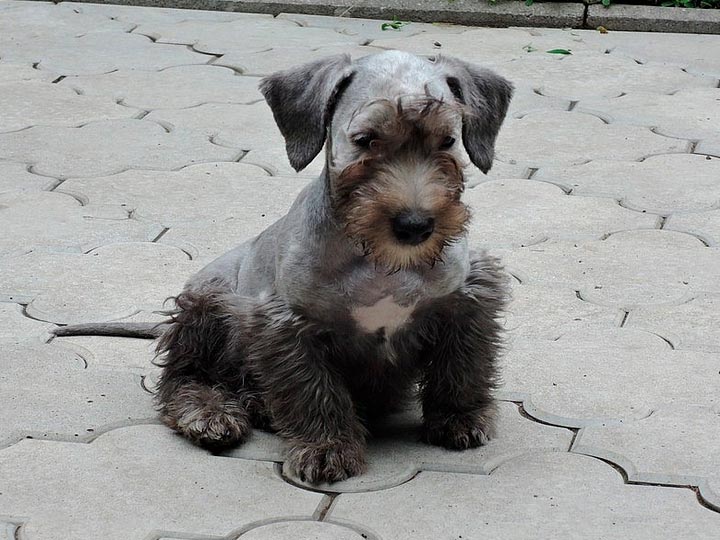
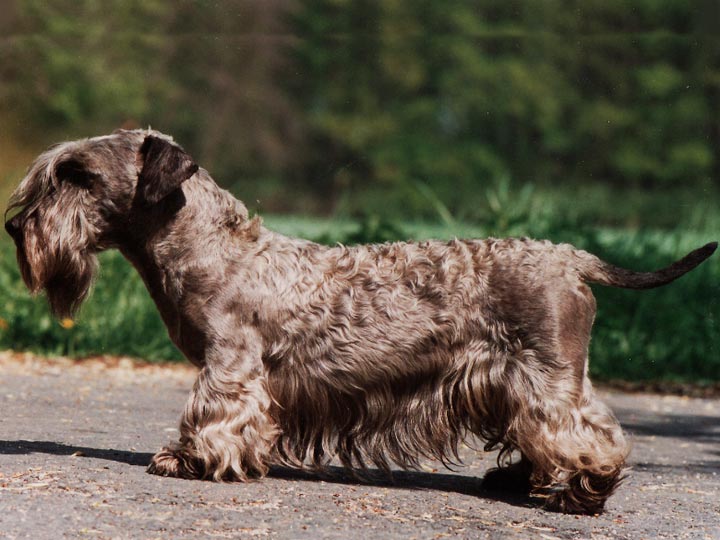
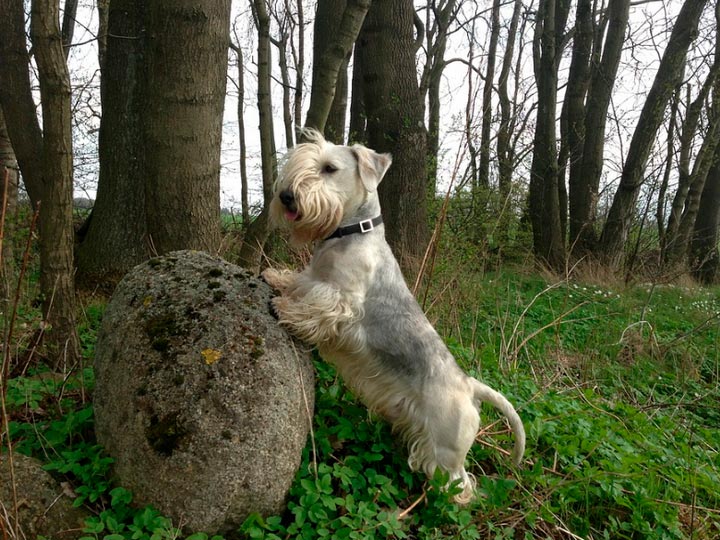
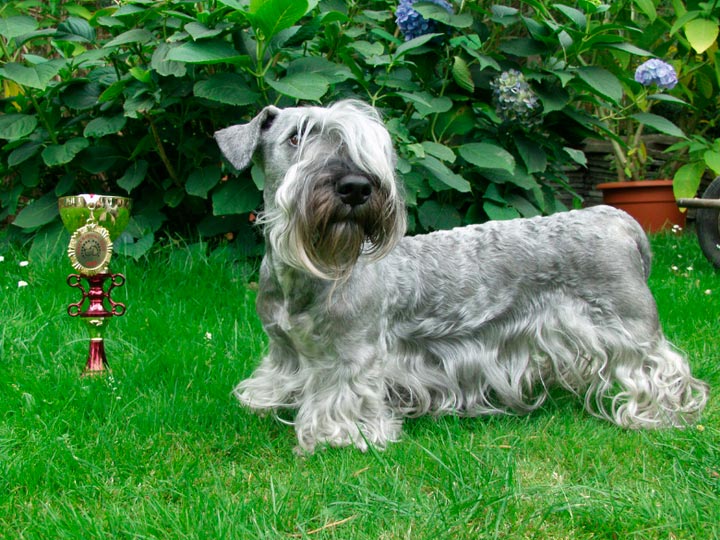
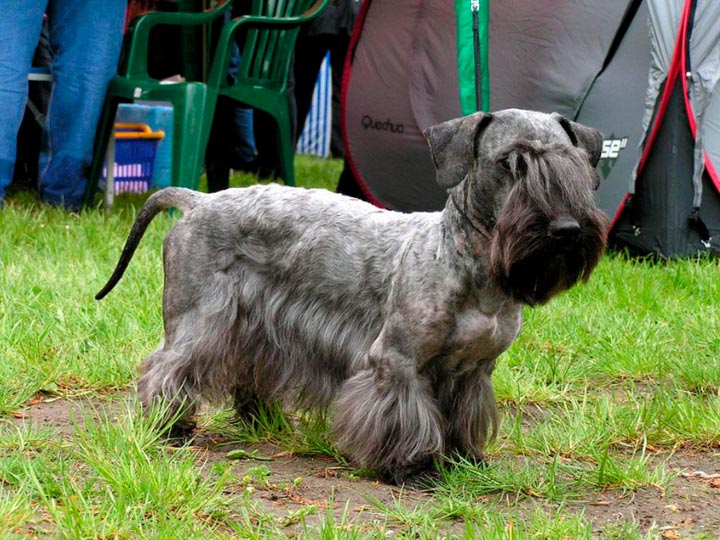
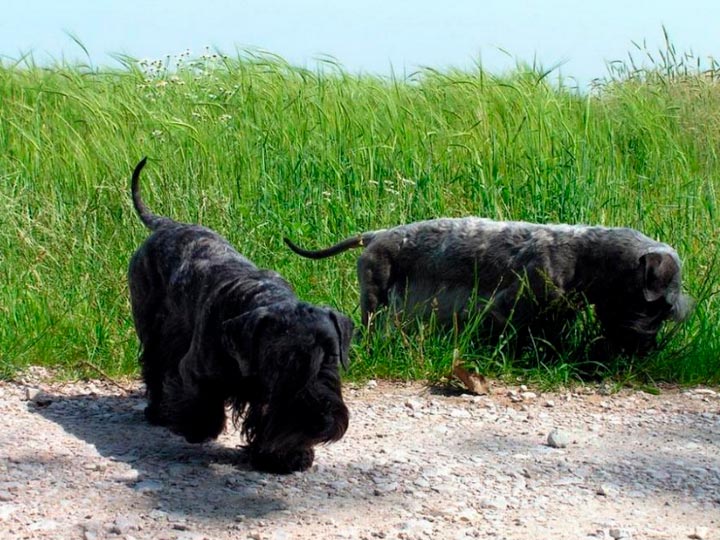
The gallery contains photos of Cesky Terrier puppies and adult dogs.
Read also:


Add a comment