
Black stool in dogs: causes
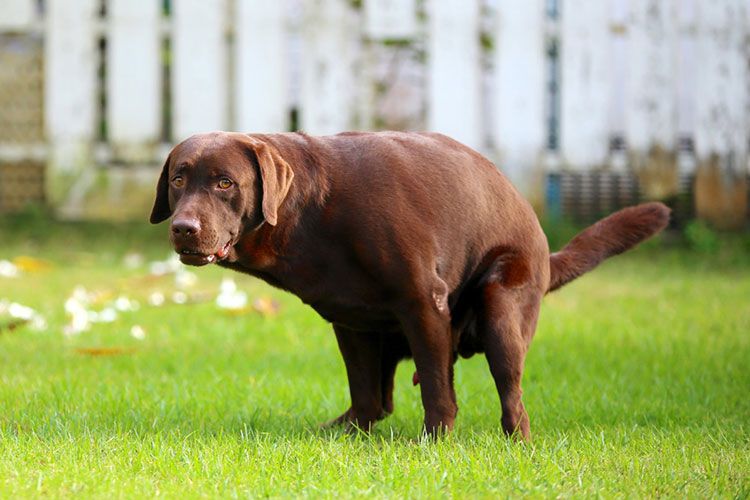
The medical term for black stool is "melena." Dark stool in dogs isn't always a sign of a health problem; sometimes, dark stool can be caused by eating beets or taking an activated charcoal tablet. Often, black stool in dogs is caused by the presence of digested blood, which is a serious reason to consult a veterinarian.
Diseases that may be accompanied by melena
Black stools may be one of the symptoms of a stomach or intestinal disease (ulcer, colitis, gastritis, hemorrhagic gastroenteritis) and other pathologies:
- HaemorrhoidsBlack stool with mucus in a dog can be caused by hemorrhoids that have formed in the rectum, which crack and bleed;
- Neoplasms. Benign tumors in the mouth, esophagus, or nose can become damaged or spontaneously rupture, causing blood to leak into the stomach and out of the stool. Malignant tumors in the lungs, liver, pancreas, or other digestive organs, in the later stages of development, release toxic substances that turn the stool black;
- Gastrointestinal or respiratory tract injuries. A sharp piece of wood or a tubular bone lodged in the animal's esophagus, stomach, or intestines (dogs are known to chew on completely inedible objects) can damage the mucous membranes of these organs, causing localized bleeding. Clotted blood will turn the stool black;
- Liver disease. Tarry stools in these conditions are caused by difficulty in removing bile, which is produced by the liver;
- Helminthiasis. Some types of worms parasitize the small intestine. By damaging its wall, they feed on blood, with some of the blood from the wound in the mucosa leaking into the intestinal cavity and being excreted in the feces. Furthermore, parasitic worms, by coiling into large balls, put pressure on the intestinal wall and can cause it to rupture and cause bleeding.
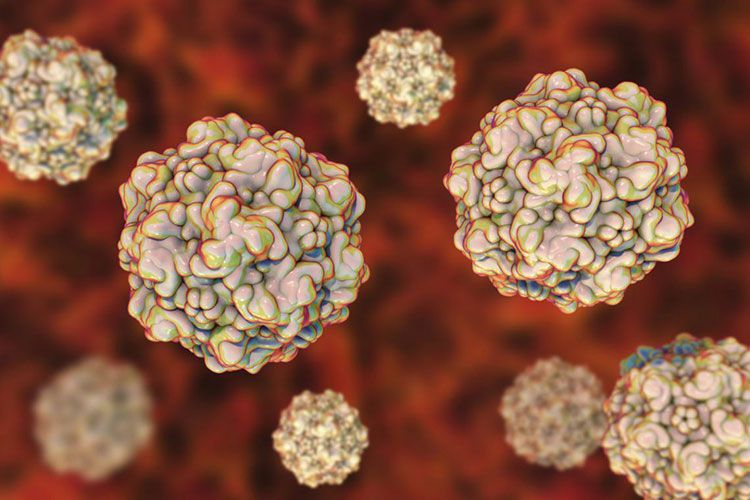
- Infectious diseases (salmonellosis, canine distemper, viral hepatitis, parvovirus, which causes acute inflammation of the small intestine ― enteritis).
Associated symptoms
Associated symptoms depend on the type of disease causing the black stool. Signs that indicate gastrointestinal bleeding in a dog include:
- weakness - the animal is apathetic, refuses to play and walk, and is reluctant to come when called;
- lack of appetite, with loss of fluid from the body - increased thirst;
- pale mucous membranes are one of the main signs of internal hemorrhage;
- abdominal pain - the dog does not allow you to touch the peritoneum, tries to take a lying position, in which the pain is easier to bear;
- vomiting (often bloody).
At parvovirus enteritis Coagulated blood is usually present in the feces not evenly, but in the form of individual clots.
When blood enters the stomach and intestines from the lungs and respiratory tract, in addition to melena, the following is usually observed:
- nosebleed;
- cough with the production of blood-stained sputum;
- paleness of the gums and mucous membranes of the oral cavity;
- difficulty and/or rapid breathing;
- a sharp decrease in activity;
- refusal to eat.
Symptoms of helminthic infestation: fever, vomiting (sometimes with the presence of helminths in the vomit), severe itching in the anal area (the dog tries to lick the anus, scrapes its bottom on the floor or ground).
Diagnosis and treatment
To determine the reason why a dog has black stool, including liquid stool, the dog's owner should provide the veterinary clinic with as much information as possible to compile an anamnesis:
- when the first signs of melena were noticed;
- are there any changes in the dog’s behavior and well-being;
- were there any changes in the animal's diet;
- Has the dog been given any medications recently?
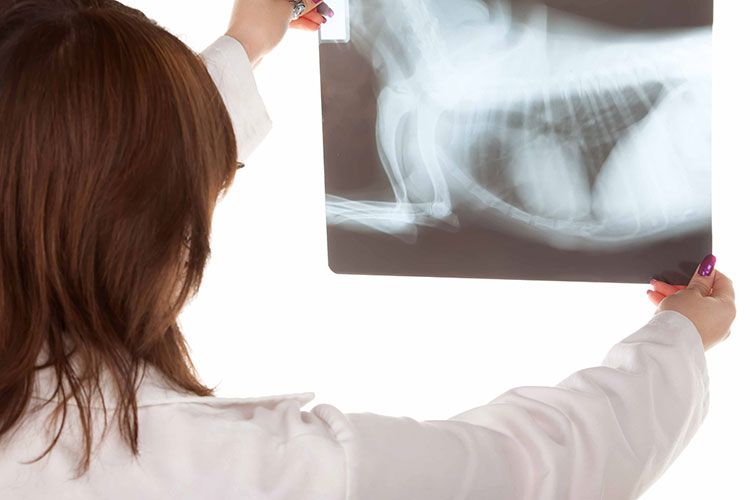
The animal will then undergo a series of laboratory and diagnostic procedures. Typically, these include blood, stool, and urine tests, and, if necessary, an X-ray or ultrasound.
Once the cause of a dog's dark stool has been identified, the primary therapeutic approach will be aimed at eliminating it, i.e., treating the underlying disease. For symptomatic treatment, if there is significant blood loss, signs of anemia, and dehydration from vomiting, the animal may be given intravenous saline. For severe pain, analgesics and antispasmodics may be prescribed. The remaining treatment depends on the specific disease.
Stomach ulcers Gastritis, colitis, and enterocolitis are treated with diet and medications that reduce gastric acid secretion. To protect the gastrointestinal mucosa, coating medications (Almagel, Enterozoo, Venter) are prescribed. Probiotics such as Lactoferon or Lactobifid can be used to normalize the natural intestinal microflora.
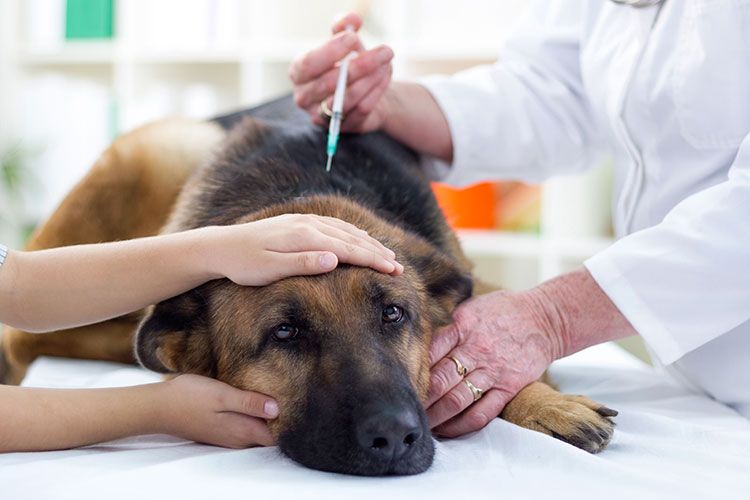
Infectious diseases are treated with veterinary antibiotics such as Zoetis, Sinulox, Clamoxil, Ciprovet, Amoxican, and Spiramycin. For helminthiasis, dogs are given the anthelmintic medications Dirofen, Drontal, Caniverm, Milprazon, and Procox.
Read also:
- How to give a dog an intramuscular injection into the thigh
- Gastroenteritis in Dogs: Symptoms and Treatment
- Enterocolitis in dogs: symptoms and treatment


Add a comment