
How long after giving birth can a cat become pregnant?
The pregnancy period usually causes more anxiety for the owner than for the pet itself. This is natural, as the animal is in a vulnerable state and requires increased attention. Maintaining a cat's health requires knowing not only how to properly feed and care for her during pregnancy, but also how long it takes for her to become pregnant after giving birth. Monitoring subsequent insemination is crucial to ensure overall health, restore reproductive function, and maintain future reproductive potential.
Content
Peculiarities of puberty
Sexual activity in cats begins after puberty. However, this does not mean that the animal is ready to bear offspring after its first heat. On average, females reach puberty between 6 and 9 months. In some cases, the first heat can begin as early as 3 months, effectively in childhood. Pregnancy readiness is determined individually. Veterinarians recommend mating females for the first time after 12 months of age. This allows for healthy offspring, and pregnancy will not cause harm. Males can begin mating earlier, between 6 and 8 months.
Physiologically, sexual maturity in a female is described as follows: follicles containing eggs form in the ovaries, which are released under the influence of sex hormones (ovulation). During the estrous cycle (heat), follicles are stimulated by follicle-stimulating hormone, which determines their readiness for ovulation. Follicle-stimulating hormone also stimulates the production of estrogens, which are necessary for egg development. Ovulation occurs during intercourse under the influence of luteinizing hormone. Fertilization of the eggs then occurs, and embryo development begins.
The estrous cycle varies greatly from person to person. Outdoor animals experience it approximately once or twice a year, most often during warmer months (spring and summer). Indoor pets, unaffected by seasonal changes and light patterns, may experience estrus much more frequently. Some animals become ready to breed 1-2 months after the end of their previous cycle. The average estrous cycle lasts 3-5 days, but can last more than a week.
The first pregnancy most often determines the animal's future ability to reproduce. If after childbirth If everything went smoothly and healthy litters were born, the cat can be bred again in about a year. This applies to indoor pets. Stray cats can have litters up to twice a year.
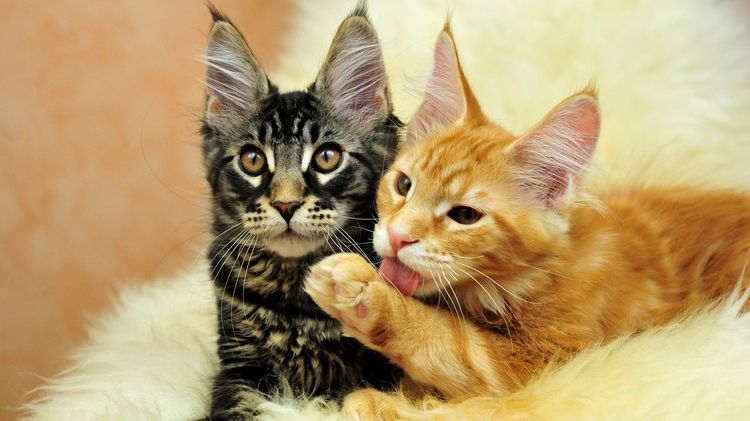
Pregnancy after childbirth
The action of sex hormones has a direct impact not only on reproductive function, but also on the behavior of the animal. During estrus The female will demonstrate her readiness to reproduce in every possible way. This includes excessive aggressiveness (or, conversely, an excessive desire for affection) and a calling meow that attracts the attention of a nearby male. Sometimes, one sexual act is not enough to satisfy the animal's needs. In this case, arousal may persist during pregnancy. If it persists (or reappears) immediately after birth, this may indicate a hormonal imbalance. It may also indicate individual characteristics of the pet and a tendency toward excessive fertility. Normally, restoration of reproductive function and the onset of the next estrus occur 1-1.5 months after birth. Theoretically, a cat can become pregnant again as early as 2-3 weeks after her last litter. However, this should never be allowed.
The period of gestation, birth, and nursing requires a great deal of strength and energy. During this time, the body has an increased need for vitamins and minerals, especially calcium, magnesium, and phosphorus. Therefore, it is crucial to provide a high-protein diet with vitamin and mineral supplements. Frequent pregnancies can negatively impact the animal's health, leading to the development of diseases, and can also negatively impact the quality of the offspring. Cats may experience skeletal problems, exhaustion, decreased immunity, hormonal imbalances, and metabolic decline. Early pregnancy increases the risk of miscarriage, uterine bleeding, and other complications.
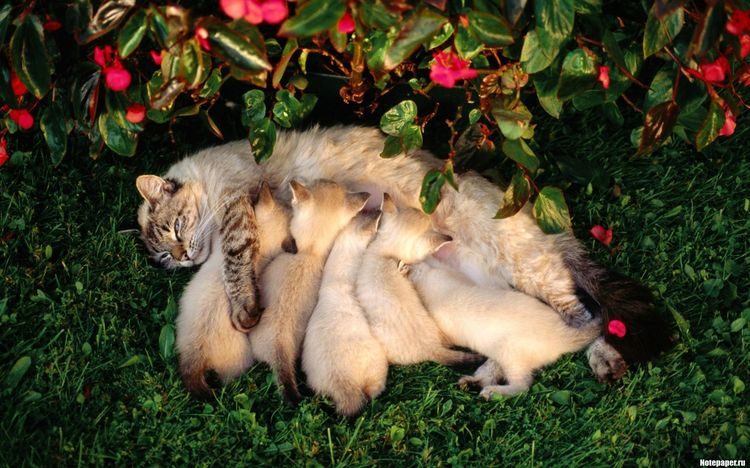
If a cat begins to walk too early after giving birth (a few weeks later), this can also negatively impact the health of the litter. During her estrus period, the mother may pay less attention to her kittens, not feeding them, and not caring for them. In this case, the care of the kittens falls on the owner.
Methods of pregnancy prevention
There's a myth that lactation is a natural contraceptive, and even if a cat starts going for a walk after giving birth, pregnancy won't occur. This assertion is based on the assumption that the hormone prolactin, which induces lactation, blocks the synthesis of luteinizing hormone, which triggers ovulation. However, this is not true. Ovulation in cats occurs during intercourse, which is preceded by an estrous cycle. This means that the sex hormones have already begun to work fully to ensure the next fertilization, and prolactin will not affect them in any way.
The most reliable way to protect a female cat from unwanted pregnancy is to isolate her from the male. If a male and female cat live in the same house and the female shows signs of estrus, the animals should be placed in separate rooms and not allowed to interact with each other. Isolation is more difficult with an outdoor cat accustomed to free-roaming. You can either not let her outside at all until the estrus cycle symptoms subside, or walk her on a leash under the owner's supervision.
If the cat persistently asks for a male, then you can calm her down with the help of sedatives for catsAfter birth and during lactation, administering hormonal medications that suppress sexual activity is strictly prohibited. It is best to consult a veterinarian about prescribing a sedative.
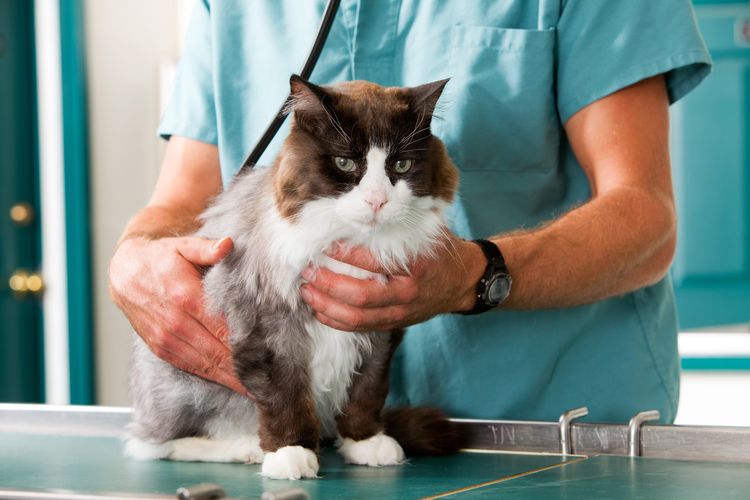
What to do if your cat is pregnant
If your cat does manage to become pregnant immediately after giving birth, you can use one of the following recommendations to resolve the situation:
- Have an abortion using hormonal drugs. This is possible in the first weeks after conception. Medications should be prescribed strictly by a veterinarian.
- Perform castration. If a cat is not used for commercial breeding or no further mating is planned, surgery may be considered in the event of an unwanted pregnancy. Spaying involves the radical removal of the uterus and ovaries. The female will no longer be able to "go around" as her gonads are removed. A more gentle procedure is spaying, which involves removing only the uterus without the gonads.
- Save the offspring. This is the riskiest option. When choosing it, you should consider all possible complications and the risk of losing both the offspring and even the cat herself.
Read also:
- How does a cat behave before giving birth?
- How does a cat behave after mating?
- Can a neutered male cat mate with a female cat?


Add a comment