
Why are ticks dangerous for dogs?
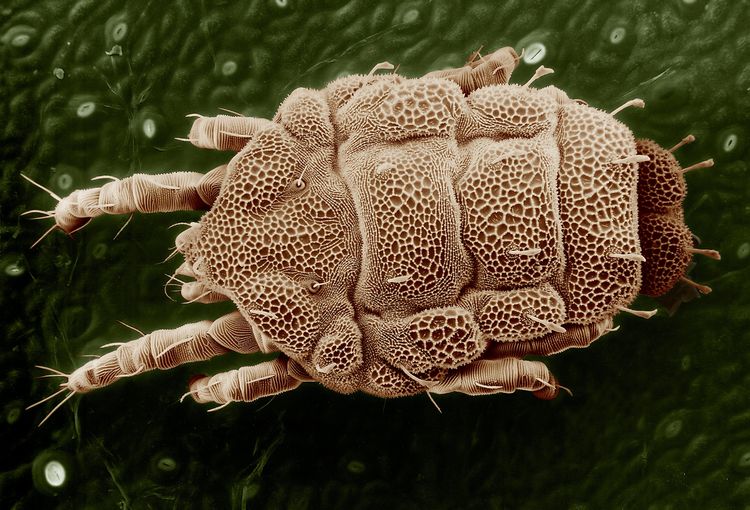
Ticks (Latin: Acari) are a group of arachnids belonging to the subclass of arthropods. Currently, over 50,000 species of these small invertebrates are known. Some tick species are parasitic and pose a danger to pets. Therefore, dog owners must take protecting their pets from these parasites very seriously.
Content
Types of ticks and their danger to dogs
The greatest threat to dogs comes from ticks, which belong to the class of carnivores. The animal serves as a "temporary host." The tick locates its prey by scent or heat, attaches itself to its body, and then burrows under the skin to feed on blood. But the danger lies not in the tick's blood-sucking nature: even a "team" of these parasites is unable to drain an animal of blood. The problem is that ticks carry pathogens that cause serious diseases.
Dogs of any age and breed can become infected, not only through a bite but also through accidental ingestion of the parasite. Since the disease develops slowly, after the pathogen has passed its incubation period, owners often don't associate the symptoms with a tick bite, complicating diagnosis and treatment.
There are species of ticks that live permanently on animals. They are less dangerous because they do not carry infections. However, by feeding on skin cells, these arthropods can cause skin diseases.

The tick's life cycle includes larvae, nymphs, and adults. Nymphs are often smaller in size, but can be no less dangerous—they also carry infections.
Table: Additional hazards described by competitors
| Danger / nuance | Details |
|---|---|
| Neurotoxic reactions | Some ticks can inject toxins that affect the pet's neuromuscular system: paralysis, convulsions, failure to swallow, breathing |
| Multiple infections | One bite - several pathogens: piroplasmosis, borreliosis, ehrlichiosis, anaplasmosis - this complicates diagnosis and treatment |
| Infection is not only in nature | Ticks are active in parks, courtyards, and even in city shrubs, meaning the threat is present year-round. |
| Infection within 24 hours | The tick's saliva contains pathogens that it can inject within a few hours of attaching itself. |
| Clinical features | Symptoms may appear within 2–21 days, the first signs are lethargy, apathy, refusal to eat, dark urine, arthralgia, fever |
| Tick paralysis (rare in Russia) | Found in Australia, but worth mentioning: the toxins of the Ixodes holocyclus tick block acetylcholine, causing respiratory depression and paralysis, especially at high temperatures |
Why are these features important for dog owners to consider?
If you discover a tick immediately after a walk, it's important to go beyond removing it. Even a seemingly harmless bite can lead to:
-
to a toxic-allergic reaction, when toxins disrupt coordination of motor activity;
-
to delays in the detection of infections - in the absence of emergency treatment, the likelihood of complications increases sharply;
-
to non-specific complaints that may hide the cause - the dog has become apathetic, hides symptoms, this is a signal that it is necessary to seek medical attention.
Diseases carried by ticks
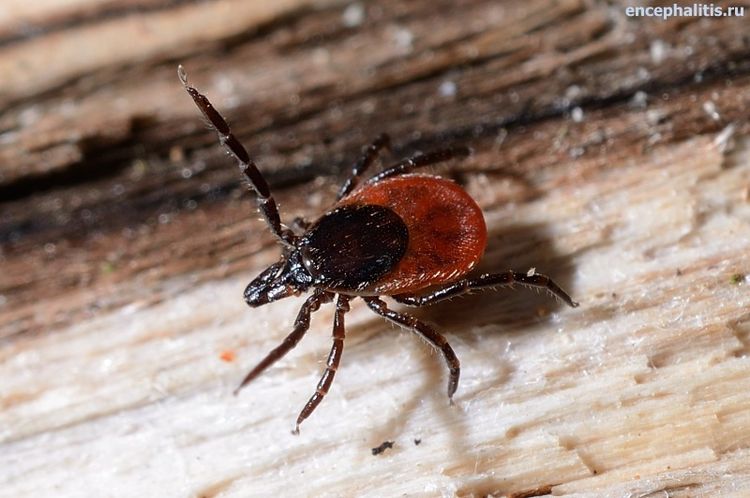
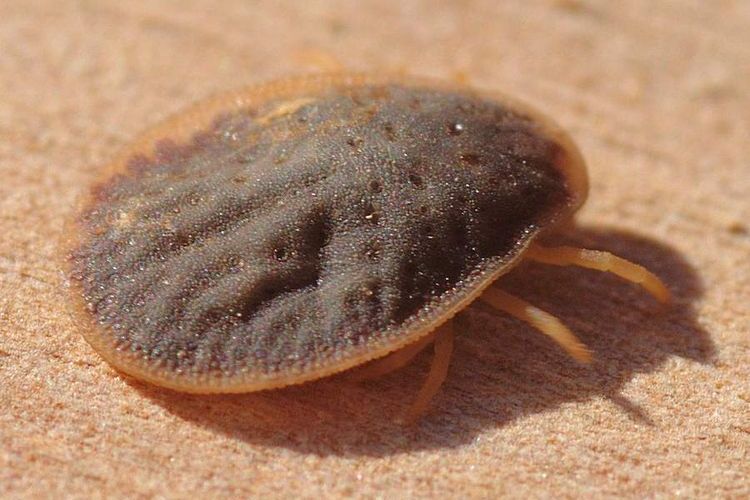
In the vast majority of cases, dogs are attacked by the Ixodes tick. This is a fairly large arthropod, ranging in size from 2 to 10 mm. Less common is the Argasidae tick, a small, flat, grayish arthropod.
Most often, ticks carry protozoa of the genus Babesia. These infectious agents cause a severe blood disease called piroplasmosis (babesiosis). Its symptoms include general weakness, weight loss, high fever, jaundice, enlarged spleen or liver, and dark urine. If treatment is not started promptly, kidney failure will develop and the animal will die.
Another dangerous disease for dogs that can be caused by a tick bite is borreliosis (Lyme disease). Caused by Borrelia bacteria, it is characterized by neurological disorders and joint damage.
Caution! Lyme disease is especially dangerous for pregnant bitches, as it almost always causes the death of puppies in the womb.
The dog tick Ixodes can also be a carrier of pathogens of Hepatozoonosis, Ehrlichiosis and Bartonellosis—diseases that affect blood cells. After infection, a dog can remain a carrier for a long time, but then suddenly develops a debilitating fever, joint inflammation, muscle weakness, anemia, and pulmonary edema. The infectious agents of these diseases are protozoa of the genus Hepatozoon, rickettsiae Ehrlichia, and Bartonella bacteria.
This is important! Statistically, only one in ten ticks carries the infection. Therefore, seeing a tick on your dog shouldn't cause panic. However, if you notice any of the symptoms described above in your pet, consult a veterinarian immediately. Diagnosis is based on biochemical and morphological blood tests, including PCR analysis.
Of the group of ticks that do not carry infection, the most well-known are:
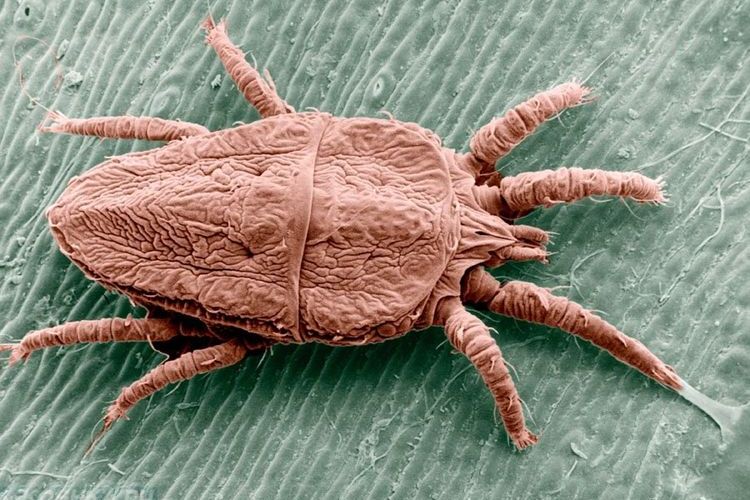
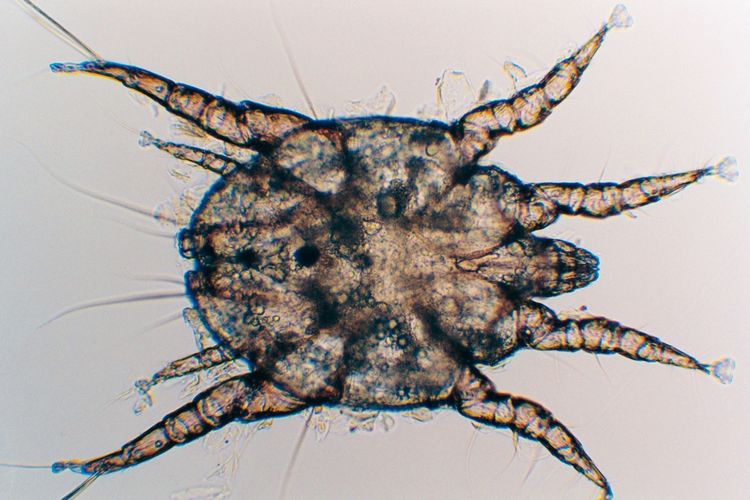
- The itch mite Sarcoptes scabiei. This small, round-shaped skin parasite causes sarcoptic mange, a condition characterized by excruciating itching.
- Otodectes cynotis, an ear mite, is a microscopic mite that infects only the ears. The condition is called otodectosis, and its symptoms include scratching and ulcers on the inside of a dog's ears.
How to protect your dog from ticks
Preventive measures for dog damage with ticks Treatment involves treating the animal's fur with acaricides and thoroughly examining the dog after each walk. If a parasite is found embedded under the skin, it should be carefully removed. This is best done by a veterinarian. Ticks that have not yet attached themselves can be easily brushed out of the dog's fur.
Tick repellents are available in the form of sprays, drops, and gels. The most popular products are "Amitan"Leopard", "Defendog," "Decor." During the parasite season (late spring, summer, early fall), treat your dog's coat with acaricides once a week. For additional protection, flea and tick collars are recommended.
Only a preventative approach, using protective equipment (collars, drops, sprays), combined with regular examinations and timely veterinary visits, truly protects dogs. This is especially important for the following groups:
-
puppies, older animals, small breeds - their immune and nervous systems are more vulnerable;
-
dogs living in city courtyards, with the possibility of contact with grass and bedding;
-
Service and hunting breeds that are often found on active walks in the natural environment.
Read also:


Add a comment