
What you shouldn't feed your dog
The food we eat isn't always suitable for our pets. Some foods are difficult to digest, as animals' metabolisms differ significantly from those of humans. Furthermore, chronic incomplete digestion can lead to diabetes, obesity, and gastrointestinal diseases. Some foods contain substances that are harmless to humans but toxic to animals. Therefore, it's important to clearly understand what you can and can't feed your dog to avoid harming its health.

Content
Foods that are strictly prohibited for dogs
Foods that should not be fed to dogs (and other carnivorous mammals) include:
- Fresh or dried grapes. Even a single handful of grapes can cause kidney failure in an animal. Symptoms include vomiting, weakness, and, in severe cases, death.
- Products containing caffeine and theobromine (chocolate, cocoa, kola nuts). Their consumption can cause short-term hyperactivity, increased heart rate, and increased blood pressure; in severe cases, tremors may develop. convulsions and death will occur.
- Avocado. This fruit contains the fungicidal toxin persin, which can cause allergic reactions, gastrointestinal upset, vomiting, heart failure, and liver toxicity even in humans.
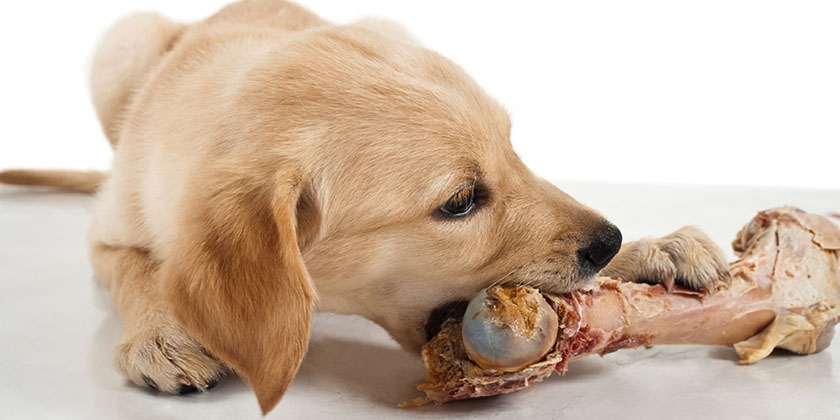
- Cooked tubular bones. These bones easily split into needle-like fragments that can pierce the stomach wall and cause peritonitisHowever, raw bones are beneficial for dogs to chew on. They contain substances beneficial for joints, clean teeth well, and stimulate the production of endorphins—the pleasure hormones.
- Sorrel, rhubarb, spinach. The oxalates (salts of oxalic acid) found in these foods can cause excessive salivation, vomiting, diarrhea, and, when consumed in large quantities, oxaluria, a urinary tract disorder characterized by frequent urination and the presence of protein and red blood cells in the urine.
- Onions and garlic. They contain organic sulfides, which irritate the gastrointestinal tract lining and can cause anemia by destroying red blood cells.
What foods can be fed to dogs in limited quantities?
Dogs should not be given the following food frequently or in large quantities:
- Sugary foods. Your pet's addiction to sweets can lead to dental problems, obesity, and even diabetes.

- Cat food. High amounts of protein and fat in cat food can cause at least stomach upset in dogs, and can even lead to obesity or pancreatitis.
- "Human" vitamins. Humans and dogs have different vitamin needs. The daily requirement for "human" vitamins will cause an overdose in an animal, which will most likely result in an allergic reaction.
- Dairy products. While they pose no danger to your dog's health, they can cause digestive problems or food allergies.
- Raw meat And fishThese products may be contaminated with bacteria and intestinal parasites. Feeding raw meat to pets is only permitted if you are certain it is safe.
- Table salt. Large amounts of salt can cause poisoning. Symptoms include diarrhea, vomiting, and, in severe cases, tremors, seizures, and fever.
- Lard, trimmed fat. Pure fat, entering the gastrointestinal tract, can cause diarrhea or vomiting, and with frequent consumption, cholecystitis or fatty liver disease.
- Potatoes. This root vegetable contains a lot of starch, a carbohydrate that dogs cannot digest.
- Tomatoes. Nightshades are healthy in small quantities; they're rich in fiber and micronutrients. However, never allow your dog to eat even a small amount of tomato leaves or tops—they contain solanine, a powerful poison.
What can you feed a dog?
Without fear of harming the health of dogs, you can give:
- Lean meat (it's recommended to trim excess fat from it; fatty skin should be removed from poultry). Lean meat is a good source of protein.
- Eggs. This product is also an excellent source of protein and contains many vitamins. It is preferable to give boiled eggs; to avoid salmonella contamination, dogs should not eat raw eggs.
- Porridges. Buckwheat, rice, and oatmeal are recommended grains for animals. Millet and pearl barley are difficult to digest, and semolina is too high in calories and can lead to weight gain.
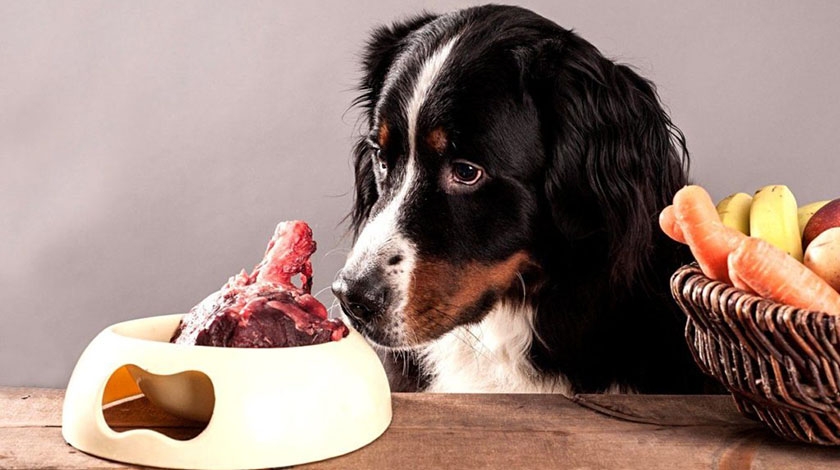
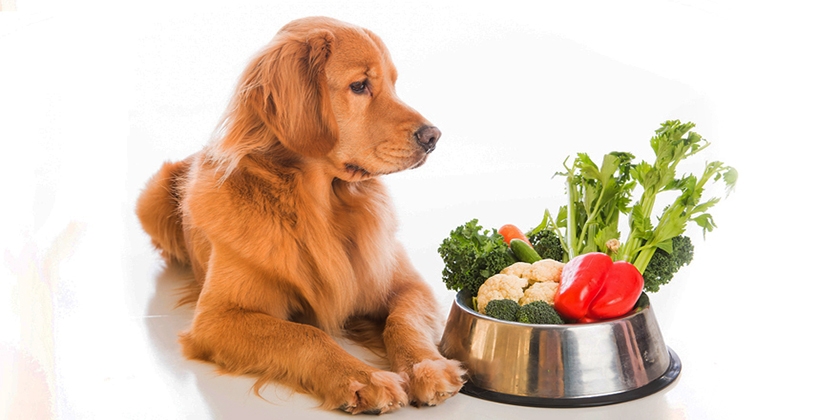
Although dogs are carnivores, many pets enjoy vegetables and fruits, raw, cooked, or mixed with meat. This is a healthy, low-calorie food rich in vitamins and minerals. The following are safe for dogs:
- sweet pepper;
- cucumber;
- carrot;
- Brussels sprouts;
- asparagus cabbage (broccoli);
- celery;
- young beans and peas.
Dogs can be given almost all fruits and berries in small quantities. The exceptions are grape and raisins, avocados, citrus fruits and cherries, the pits of which contain cyanide.
Read also:


Add a comment