
What to feed a Corgi: the best dog food
If you're planning to get a charming little Corgi, it's worth finding out in advance what's the best food for a dog of this breed on a natural diet, as well as the best dry and wet food recommended by veterinarians.
Content
Breed characteristics
There are two varieties of this breed: Pembroke and Cardigan.
|
Name of the breed |
Welsh Corgi |
|
Country of origin |
United Kingdom |
|
Size |
average |
|
Weight |
9-13 kg |
|
Height |
20-30 cm |
|
Life expectancy |
9-12 years old |
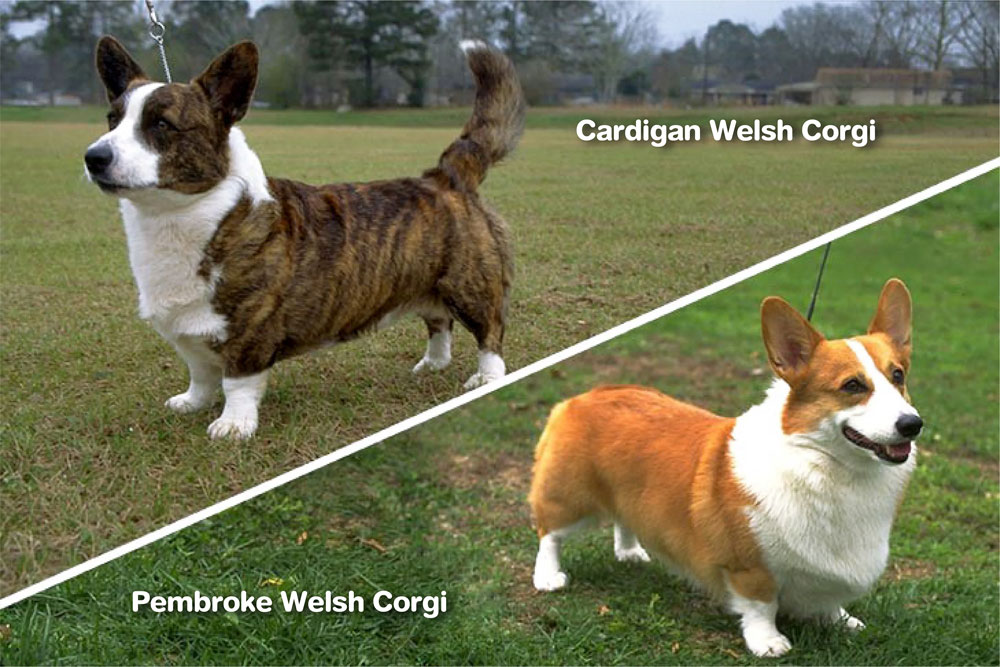
Welsh Corgis are active and inquisitive. These playful little creatures are always ready to share an exciting adventure with their owner, as well as any treat. Most Corgis have a healthy appetite, which, while a joy for their owners, can also be a source of a wide range of problems.
Breeders note that the willingness to try everything and the huge interest in forbidden things leads to Corgis suffering from:
- excess weight and associated diseases;
- gastrointestinal problems resulting from overeating;
- poisoning.
To keep your pet healthy and active, it's important to know what to feed a Corgi and which treats are best avoided.
Feeding frequency
Regardless of what type of food your pet eats, feeding your Corgi should be done according to its needs, which change as the dog ages.
So, a month-old puppy will need to be fed up to 7 times a day, and by 8 months the number of feedings is gradually reduced to 2.
|
Age |
Number of feedings |
|
1-2 months |
7 times |
|
2-4 months |
5 times |
|
4-6 months |
4 times |
|
6-8 months |
3 times |
|
after 8 months |
2 times |

The age limit is quite arbitrary and depends on the puppy's nutritional status and health. It is not recommended to reduce the number of feedings too early for weak or sick puppies.
Natural nutrition
If you decide to feed your dog natural food, keep in mind that your pet's daily diet should contain at least 60-70% meat and fish.
When choosing products, preference should be given to lean meats:
- chicken (if the dog is not allergic to chicken);
- turkey;
- beef;
- veal;
- offal (can replace part of the meat portion, but not all).
It is recommended to include the following types of sea fish into your diet:
- trout;
- hake;
- tilppia;
- sea bass;
- cod;
- salmon.
River fish is not recommended due to the large number of small bones and the high risk of helminth infection.

Also, natural food for Corgi should contain:
- cereals (buckwheat and rice are recommended);
- fermented milk products (cottage cheese, kefir);
- various vegetables (pumpkin, zucchini, carrots, cabbage, bell peppers);
- vegetable oil.
It is important to remember that a dog's daily diet includes not only the food it receives at each feeding, but also treats offered during training.
For more information on how to create the right natural diet for your dog, watch this video:
It's also worth noting that anyone living nearby might give the dog something that is strictly prohibited for Corgis. Veterinarians and breeders warn inexperienced owners that, regardless of a dog's age, it should not:
- any food from the owners' table (our dishes are too salty and spicy, which can cause problems with the dog's pancreas);
- fatty aged cheeses (they can cause gastrointestinal upset in dogs);
- raw meat and fish (except for high-quality products after deep freezing);
- baked goods and pasta (remember, Corgis are very prone to obesity);
- sausages, smoked meats, store-bought sausages;
- chocolate and candies;
- grapes and raisins;
- nuts;
- mushrooms;
- tubular bones that can form sharp fragments when chewed.
Important! Breeders typically provide owners with recommendations on what to feed their Corgi puppy. Even if you disagree with the breeder's diet, it's important to follow these recommendations for at least one week, and then very gradually transition your pet to the diet you deem optimal.
Feeding with prepared feeds
In modern conditions, many owners prefer ready-made diets that are formulated to meet the animal's basic needs for fats, proteins, and carbohydrates.
Prepared feeds have a number of undeniable advantages:
- an ideal balance of components and a complete set of microelements and vitamins necessary for a dog;
- the optimal combination of “price” and “quality” parameters (with detailed recalculation, feeding with food is cheaper than high-quality natural food);
- long shelf life (dry food granules remaining in the feeder will not spoil at room temperature);
- the possibility of using automatic feeders (follows from the previous one).

It is important to remember that dogs on dry food must have constant access to water around the clock!
It is also not recommended to combine dry prepared foods and natural products, as the process of their digestion and absorption differs significantly, which can cause problems with the dog's gastrointestinal tract.
Food for puppies
High-quality dry food for puppies (usually labeled Starter for 1 month or Puppy for 2 months) that can be offered to a Corgi puppy is produced by the following companies:
- Royal Canin (Russia);
- GRANDORF (Belgium);
- Farmina H&D (Italy, Serbia, Brazil);
- Purina Pro Plan (France, Italy, Russia);
- Brit (Czech Republic).
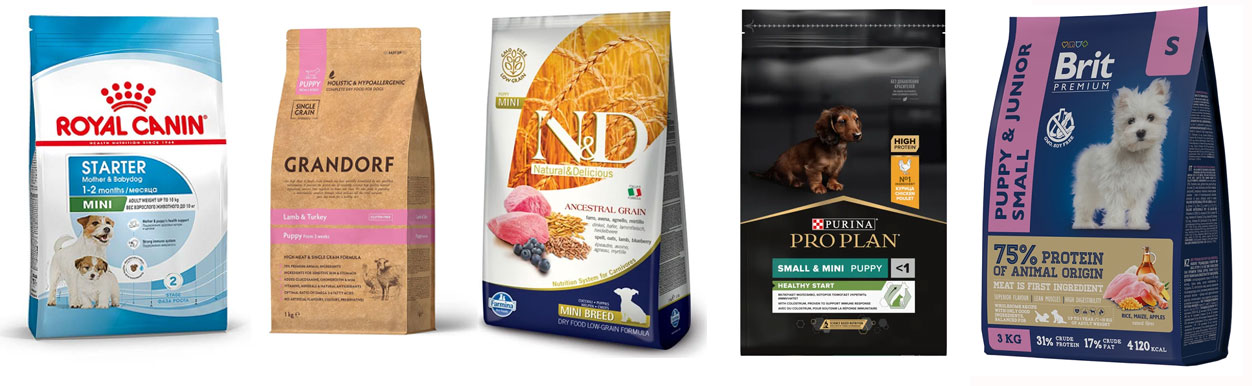
If your puppy isn't allergic to chicken, the best choice for your little Corgi would be Royal Canin food. Its small granules have an attractive aroma, are easy to chew, and soften quickly when liquid is added, making it ideal for preparing soft purees for the smallest puppies (during the transition from breast milk to formula).

Although Corgis are not prone to chicken allergies, there are hereditary lines of dogs that are intolerant to this type of meat. For these dogs, it's best to choose imported lamb-based food.
Food for adult Corgis
It is better to transfer a puppy to Adult food no earlier than one year.
You can't feed an adult dog baby food, as the calorie content of puppy food is significantly higher and can quickly lead to excess weight gain.

The range of good adult dog foods is much wider than the puppy selection. This category includes the following lines:
- economy (not suitable for regular feeding of dogs, as the recipe contains little meat or the meat component is represented by other animal products, as well as a lot of grains);
- premium (good food, in which 25% is a meat component);
- super premium (an excellent choice, as such foods contain more than 25% meat, and the fiber is represented by healthy grains);
- holistic (grain-free food with more than 50% meat content, with the addition of vegetables, fruits, berries and various beneficial herbs).
Please note! Each manufacturer's packaging includes a special recommended dosage chart to help you choose the correct feeding amount based on your adult Corgi's weight and daily exercise requirements.
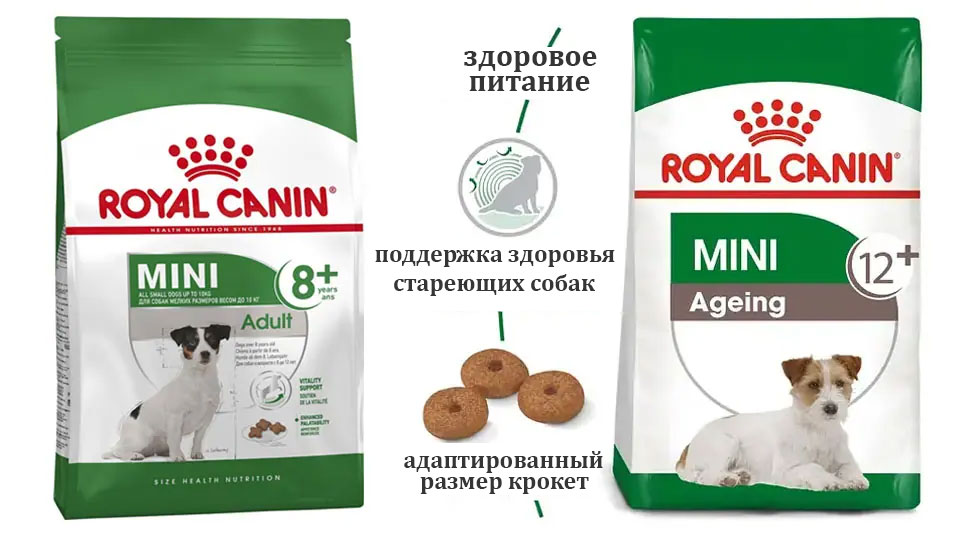
For older dogs (over 8 years old), it's recommended to purchase special food labeled "8+" on the packaging. Royal Canin also produces a special 12+ line for dogs of this age.
Veterinary diets
If your pet's health is failing, your veterinarian may recommend switching them to a special veterinary diet. Such foods are offered by Royal Canin, Purina Pro Plan, Hill's, Farmina, and Miratorg.
Depending on the diagnosed problem and the animal's needs, the following series of food may be recommended for Corgis:
- Urinary – in pathologies of the urinary system;
- Renal – in chronic renal failure;
- Dermatology – for various dermatological diseases;
- Satiety – for weight loss in obesity;
- Gastrointestinal – for various gastrointestinal problems;
- Gastrointestinal Low Fat – in chronic pancreatitis;
- Diabetic - for diabetes;
- Sterilized – for sterilized animals.
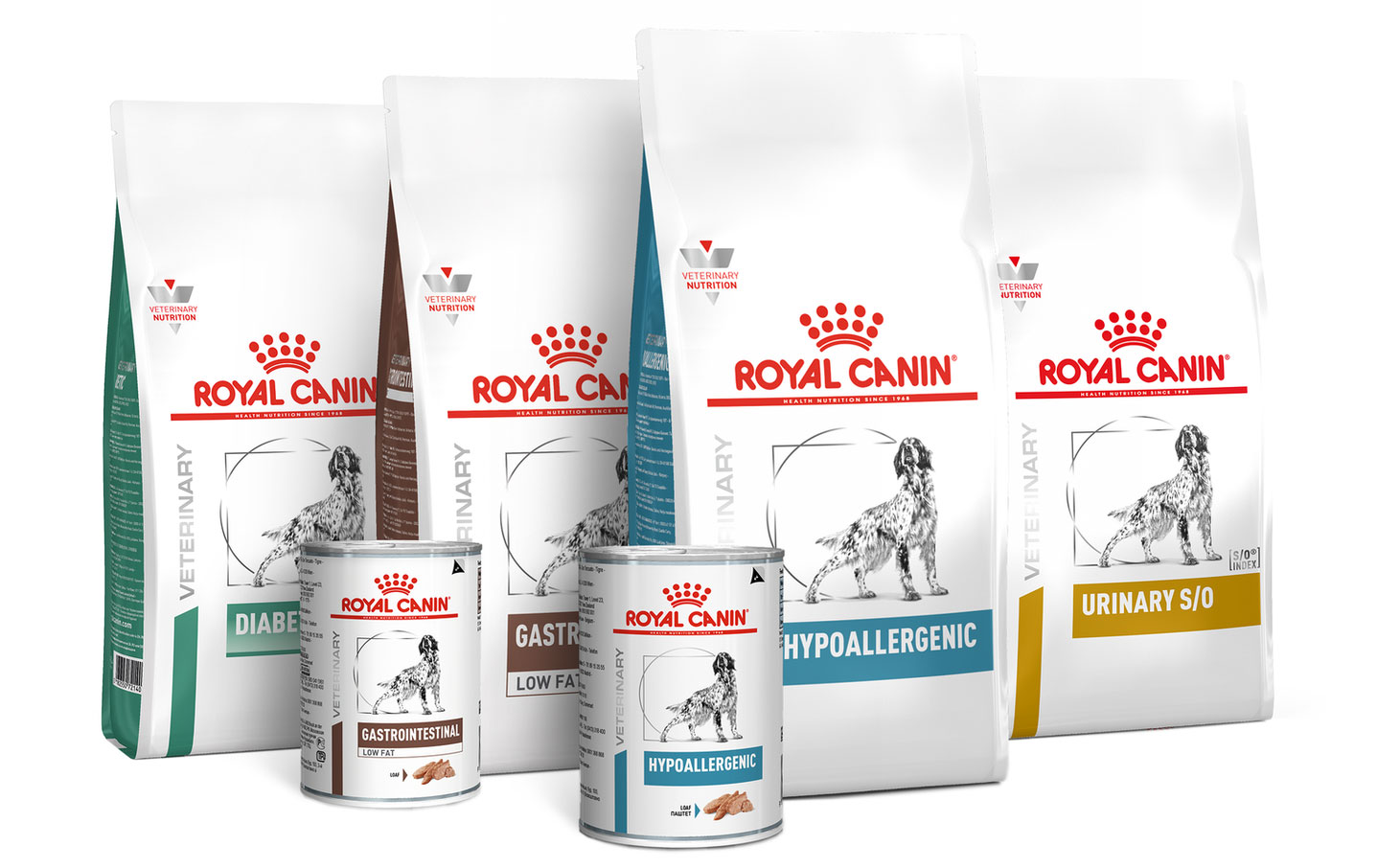
Similar lines are available from several manufacturers, so the decision about which food is best is up to you and your pet. Of course, you can find top-rated pet food (but keep in mind that opinions can be subjective), as well as visit a specialized forum and read owner reviews (but keep in mind that these days, you can order both positive reviews to promote your product and negative ones for competitors). The key factors to consider are the food's composition, as well as your pet's condition, activity level, appetite, and well-being after introducing the new food.
Breeders' Advice
Read also:
- What kind of cereals can be given to dogs?
- What kind of fish can you give to a dog?
- How much dry food should I give my dog per day?





Add a comment