
What to feed a Sphynx: the best food
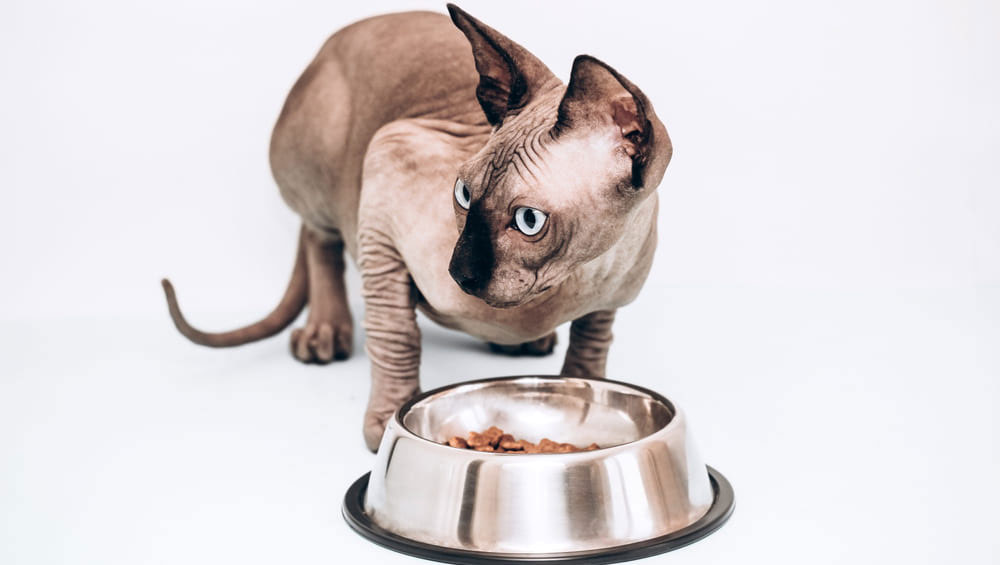
Thanks to their exotic appearance, hairless cats are currently at the peak of popularity. However, when bringing home such an unusual kitten, it's worth inquiring about how and what to feed a Sphynx, as both kittens and adult cats of this breed have a number of unique characteristics.
Content
Characteristics of the sphinx's body
Cats with open skin (Canadian and Don Sphynxes, Levkoys, Elfs and Delphs, Peterbloods, Bambinos, Kohanas and Minskins) differ from their furry counterparts not only in their unusual exterior.
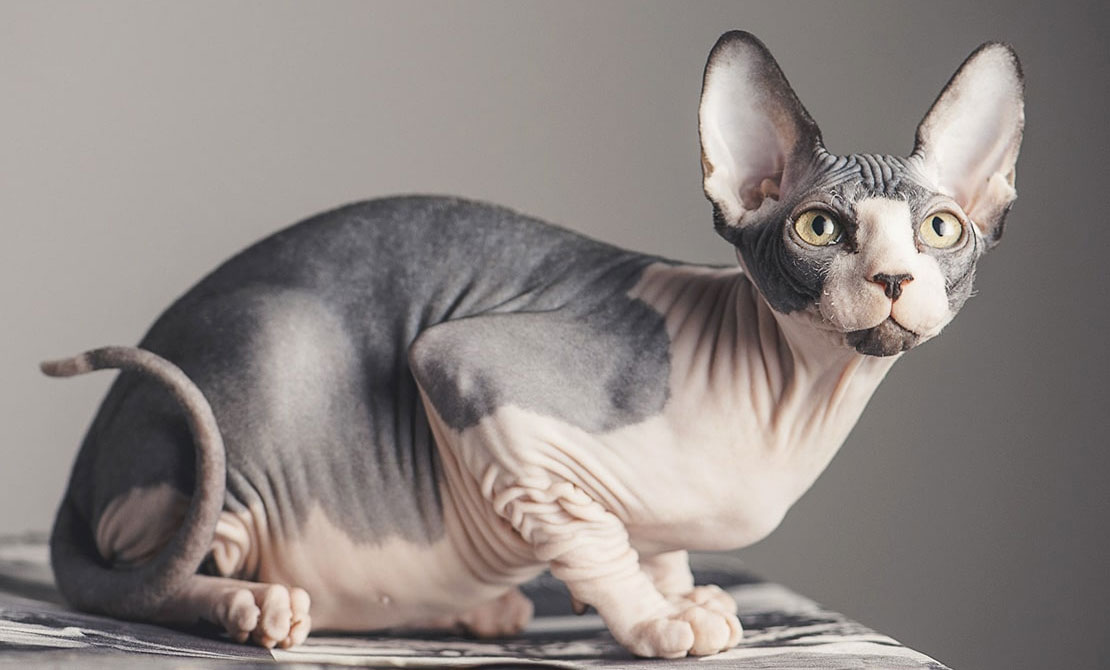
Hairless cats are characterized by increased heat transfer, which results in greater energy expenditure on heating the body and accelerated metabolism.
This is why food for sphinxes should be more caloric than for other breeds, and they need to be fed more often (3-4 times a day).
Most hairless cats love to eat heartily and will not refuse an extra helping. They are intelligent and can easily learn to extract refills from the depths of an automatic feeder, find food items poorly hidden by their owner, and simply beg for tasty morsels of "home-cooked" food. All this means that Sphynxes are among the breeds prone to uncontrolled weight gain. To prevent your pet from suffering from obesity and a host of weight-related problems, the Donskoy and Canadian Sphynx (as well as other hairless cats) need to be strictly monitored for their diet.
Making a natural diet
To maintain proper condition, the daily diet of an adult cat or a hairless cat should include (per 1 kg of animal weight):
|
Ingredient |
Quantity |
|
Proteins |
30-50 grams |
|
Carbohydrates |
10 grams |
|
5 grams |
At the same time 70-90% The diet should consist of products of animal origin:
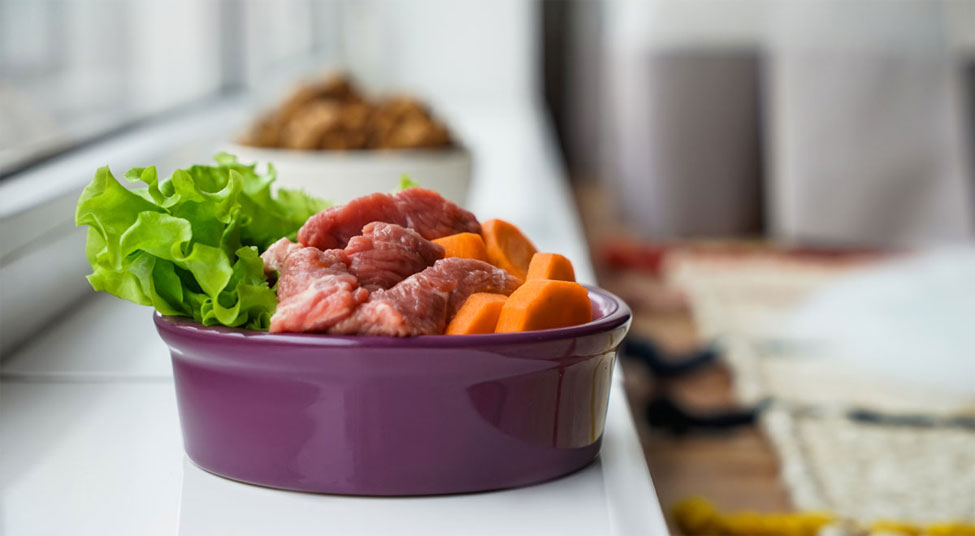
- lean meat (chicken, turkey, rabbit, quail, veal);
- offal (liver, kidneys, beef tongue and heart);
- hypoallergenic boneless sea fish (salmon, cod, hake);
- eggs (chicken or quail).
The following can be a source of fiber for the sphinx's diet:
- porridges (rice, buckwheat);
- boiled vegetables (carrots, pumpkin, zucchini, broccoli).
You can and should also add fermented milk products to your menu – low-fat cottage cheese, kefir, unsweetened yogurt without additives.
Traditional milk (goat's, cow's) contains too many carbohydrates, so feeding this product to cats on a regular basis is not recommended!
Scientists believe that in addition to basic problems (gastrointestinal disorders and allergic reactions), milk consumption in cats may be associated with the development of urolithiasis, diabetes mellitus, and chronic renal failure.
Read more about this, Can cats drink milk?, we talked about this in the relevant material.
Prohibited foods
If this is your first pet, you may be wondering what homemade food can I feed my Sphynx? Veterinarians warn that any homemade food prepared with added salt and spices is harmful to the animal. They can also cause serious gastrointestinal problems in cats:
- any flour products;
- fatty and fried foods;
- smoked meats (in particular sausages);
- canned meat and fish prepared for people;
- potatoes in any form;
- legumes;
- grape.
Freshwater fish is not recommended for cats. Raw fish can be a source of helminth infestation. Even cooked fish with large amounts of small bones is potentially dangerous for cats.
In raw (frozen) form, cats can only be given turkey or rabbit meat.
Feeding Features
Each owner decides for themselves whether to feed their Sphynx natural food or commercially prepared foods. If you prefer the latter, be sure to choose high-quality premium or super-premium diets to ensure your pet receives all the vitamins and minerals they need.
When feeding commercial food, supplementing with vitamins is not recommended, as high-quality dry or wet food already contains all the necessary nutrients. Remember that an excess of vitamins is also dangerous and can lead to allergic reactions and disruption of your cat's body systems.
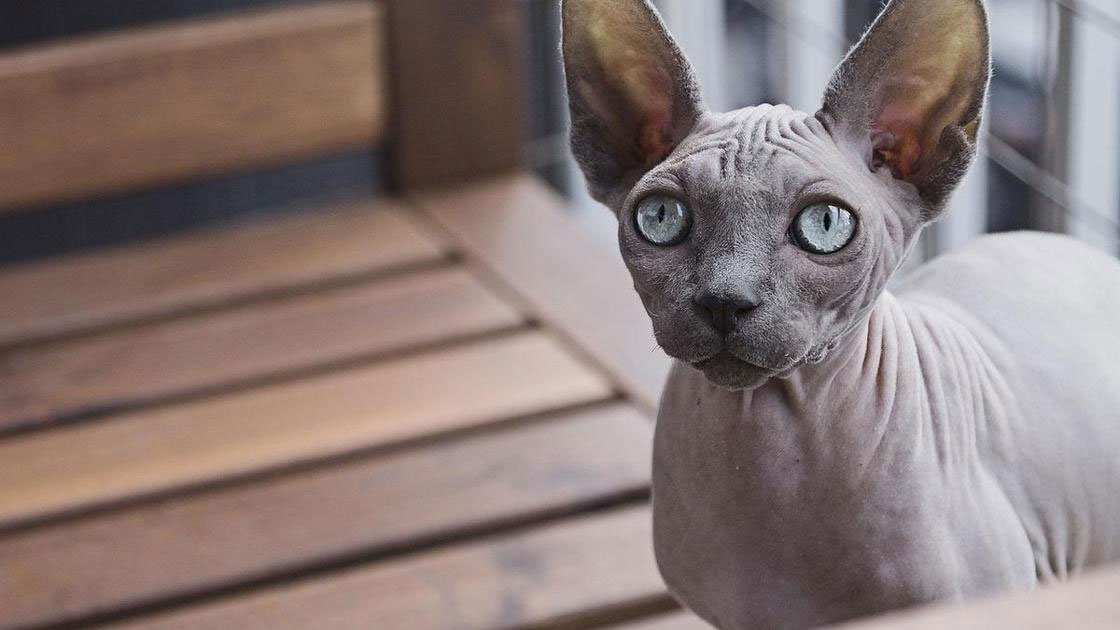
When planning a diet for a domestic cat, it is necessary to take into account its age, activity level, and health status.
Kitten's diet
Typically, breeders tell new owners what to feed a Sphynx kitten when they bring the baby into a new home.
Even if you don't agree with the breeder's recommended diet, it's worth sticking to it while your kitten adapts to its new home.
It's important to understand that any sudden change in diet can cause additional stress for a young kitten. Stomach pain or loose stools during the first few days in a new home will only complicate the kitten's adaptation and cause you concern.
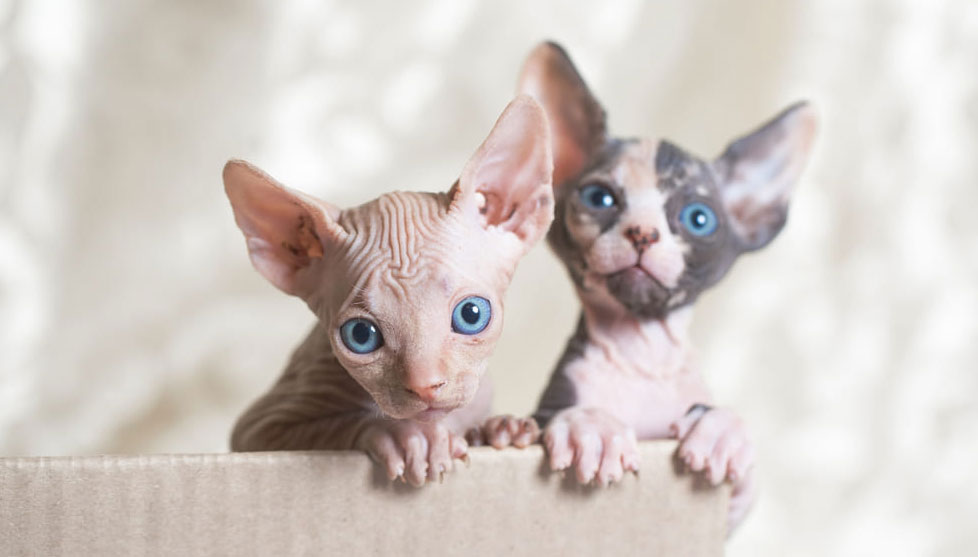
The optimal solution is to leave the kitten on its usual diet for 2 weeks (sometimes up to a month), and only then choose which food is best suited or introduce new products into the menu when feeding natural food.
It's important not to feed your kitten more food than they need! Divide the daily portion into 4-6 feedings depending on the kitten's age, gradually increasing to 3-4 feedings per day by 12 months.
If you feed your baby prepared food, the daily allowance chart is always available on the packaging. However, dry food for babies under three months is usually soaked in warm water and given as a liquid paste.
When feeding naturally, you should adhere to the following rules:
- up to 4-5 months, meat, fish and eggs are given only in boiled form;
- By-products can be introduced only from 3-4 months;
- up to 4 months, you need to give the kitten cottage cheese every day (by 6 months, reduce to 2 times a week, and by one year - to 1 time a week);
- The kitten's diet should only include special milk (from a pet store).
It is also important to remember that animals, regardless of their diet, must have constant access to clean water.
Nutrition for an adult cat
It is best to switch the Sphynx to “adult food” after 1 year.
Continue feeding kitten food is not recommended, as too much calorie food can lead to obesity. "Baby" food can be given to an adult cat in certain cases:
- pregnancy and lactation;
- recovery after a serious illness, injury, surgery;
- exhaustion of the body, which is expressed in low body weight.
Cats on natural food are fed with more dietary fiber to reduce calorie intake. Feedings for an adult Sphynx remain around 3-4 times per day.
The active adult age for cats is 1-7 years, so at 8 years of age it is better to transfer cats to a special line of food for older animals.
How to feed a neutered cat
Castrated (neutered) cats must be fed special food. If feeding natural food, it's important to adjust the pet's diet to reduce calorie intake while maintaining the same portion size.
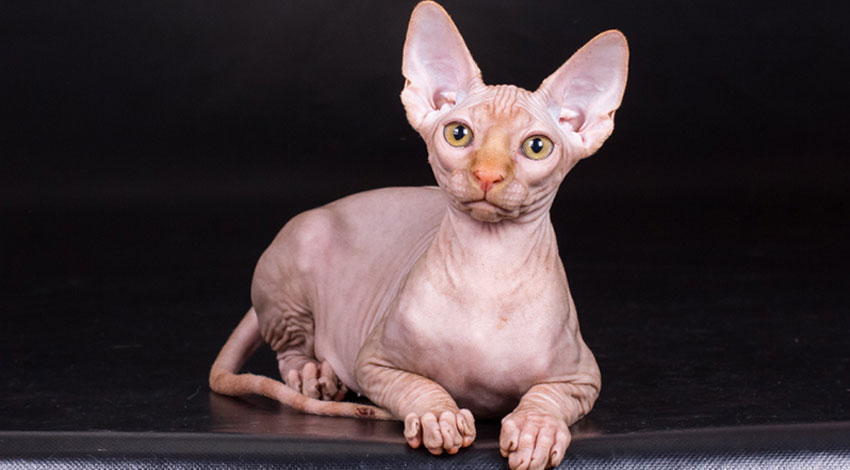
The optimal age for surgery in sphinxes is 7-10 months, so high-calorie kitten food will need to be replaced with a specialized diet.
But don't rush, as the process of changing your pet's hormonal levels can take several weeks. During the recovery period, you can continue feeding your cat their usual food, gradually introducing them to the new food or changing the proportions of meat and fiber in their natural diet.
TOP 10 pet food manufacturers
In this list, we've compiled the best foods for you, which have received high quality reviews from veterinarians and Sphynx breeders. The manufacturers' names are listed. You can find the full range of flavors, as well as specialized and therapeutic diets, from these brands on the website of any specialty store:
- Royal Canin (Russia);
- Purina Pro Plan (France, Italy, Russia);
- Hill's (Netherlands);
- Brit (Czech Republic);
- Acana (Canada);
- Orijen (Canada);
- Farmina (Italy);
- Monge (Italy);
- Grandorf (Czech Republic);
- Go! (France, Canada).
We suggest you draw your own conclusions about which food is best by reviewing the ingredients of a specific line, getting recommendations from a veterinarian, and monitoring your pet's condition while on a particular diet.
Read also:
- How to transition a cat to a natural diet
- Italian cat food: a list of the best manufacturers
- Can cats eat sweets?


Add a comment