
What to feed a month-old kitten?
Many people, having adopted a small, fluffy bundle of joy, don't know how to feed a month-old kitten without a mother, how to play with it, and how to care for it. Of course, the best option for a new pet is mother's milk, and anyone with even the slightest knowledge will tell you that it's unwise to separate an animal from its mother at such a young age.
A one-month-old kitten isn't yet strong enough to live independently; its immune system is still too weak, and most of the habits needed to ensure a healthy life are instilled by its mother cat. However, there are times when the question of what to feed kittens without a mother becomes relevant, and it becomes necessary to raise the little one yourself. So, let's explore the rules for feeding a one-month-old kitten and uncover all the useful information related to this issue, taking into account the nuances, including the health and safety of the little creature.
Content
Feeding rules
To properly feed a kitten for 1 month, you must adhere to the following rules:
- do not feed your baby minced meat;
- add vitamins to the kitten's diet;
- Do not give poultry meat until the baby can chew beef;
- To control your pet's reaction to unfamiliar foods, introduce new food gradually, one product at a time.
If you need to introduce your kitten to dry food, do so as follows: soak a small amount of food in boiled water. Then, spread the resulting paste over the roof of the kitten's mouth. Repeat this process several times, soaking the food slightly less each time. Repeat this process until your pet begins chewing on their own.
Fermented milk products
A kitten's lifespan of one month is short, and like any other baby, it needs formula. Boiled milk with a little honey (a small spoon per glass is enough) is an excellent way to meet this nutritional requirement. When choosing a dairy product, it's best to prioritize cream (8% fat). If possible, it's also a good idea to treat your little one to goat's milk or another fermented milk product:
- fermented baked milk;
- kefir;
- yogurt and so on.
Solid foods
Solid foods like porridge and cheese should be introduced gradually into a kitten's diet at one month. Be sure to give your kitten plenty of water. Semolina porridge is ideal for solid food.
Then you can add a little cottage cheese. After this, you can treat the kitten with a boiled egg, but not the whole one, just the yolk. The egg should be given a couple of times a week. It's better to mash it first rather than feed it chunks. The same goes for the next food—meat and fish. They should also be cut into small strips. Any solid food can also be mixed with the porridge. According to feeding guidelines, fish should be given to a kitten no more than once every 5-7 days, and it's best to boil it or chop it very finely. It is not recommended to give salted and smoked fish to kittens aged one month.
Put vegetables and fruits as a separate item.
Vitamins and fiber
The baby can and should be fed foods containing many vitamins:
- apples;
- cucumbers;
- all kinds of greenery.
To ensure your pet successfully accepts the offered treat and can feed it without any problems, grate the food. Once a week, you can also feed your pet plain soup. Vegetables and fruits should be given only occasionally—once or twice a week, and in small amounts.
These are the basic guidelines for feeding kittens without a mother. If you follow at least some of the recommendations and provide your little one with vitamins, your pet will develop in the right direction and delight you with good health and a good appetite.
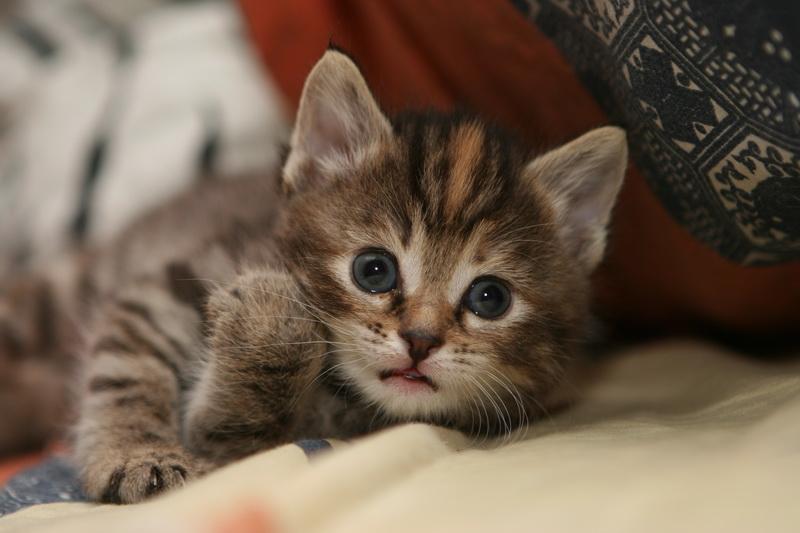
How to teach a month-old kitten to eat on its own?
So, we've touched on one of the most important questions regarding caring for a month-old kitten: how and when to teach it to eat on its own, and how long it will take to complete this process. Typically, a kitten begins to show interest in its food dish at three weeks of age. At this age, it's more interested in the process of adult animals eating than in the food itself.
But in any case, three weeks of age is the best period to start teaching a kitten to eat on its own.
Start with milk. To do this, pour milk into a cat dish, then dip your finger in it and let the kitten lick it. The kitten will quickly realize that this is a delicious treat and will reach for the bowl on its own. After this, you can nuzzle the kitten in the milk, but be careful not to overdo it, otherwise it might get scared or choke. After the kitten has licked its face a few times, you can try giving it freedom of movement. Chances are, the kitten will reach for the dish on its own, and after a brief pause, nature will take over and it will begin lapping. If the first attempt is unsuccessful, repeat the procedure.
At first, your little one may snort and even sneeze—this is normal, as they're still learning. They may also get carried away and paw right into the bowl. These behaviors should be discouraged and returned to a normal eating position. To do this, remove the kitten's paws from the bowl and wipe them off. If this happens again, restrain the kitten, letting them know that this is not an option. Eventually, these behaviors will stop.
Be attentive and patient with your little one, and in just a few days, the kitten will begin eating on its own. Age isn't crucial here; patience and diligence are key. Once the kitten begins feeding on its own, don't rush to force-feed it raw meat and potatoes. A kitten's diet from 1 to 3 months should be planned with its immature body in mind, and for best results, it's best to gradually introduce it to foods other than milk.
Diet for month-old kittens
Which diet is best for a month-old kitten – dry food or natural food? It's a complex question, and for years, there have been heated debates among cat breeders about the benefits of each type of feeding.
Of course, if you're choosing a food that includes everything a kitten needs for health—vitamins, trace elements, and other beneficial supplements—it's a good idea to feed a month-old kitten this food. Furthermore, the pet owner is freed from many of the constraints associated with feeding a kitten homemade food. Veterinarians also believe that a balanced diet is beneficial for a pet's healthy development. But is dry food right for your kitten, and does it contain everything the manufacturer promises? Or perhaps you've simply raised several generations of kittens on healthy homemade food and are wary of suspicious dry kibble. Situations vary, so let's explore both options, and you'll decide for yourself which one is right for your kitten. Regardless of the outcome, remember the following basic rules:
- Let's call the first rule "either-or." It means that if you've started feeding a month-old kitten natural foods, you shouldn't add dry food to their diet. Different foods are digested differently. Furthermore, a kitten on dry food drinks much more fluid than one fed exclusively natural foods. Therefore, if you want to protect your pet from problems like gastroenteritis, coprostasis, and other gastrointestinal issues, follow the first rule.
- Next, is it possible to feed a month-old kitten different foods? It's best not to. If you've chosen a specific brand of food for your little one, stick with it. After all, each brand has its own distinctive characteristics and specific ingredients. Mixing or switching foods increases the risk of the kitten developing problems related to calcium levels or, for example, an abnormal amino acid profile. Digestive issues are also possible.
- The last basic rule is to buy the right food. Avoid mass-market products for your kitten. These foods are akin to fast food, and all those cheap, flashy labels won't do any good for your little one. Buy premium kitten food, or even better, super-premium. Your pet will definitely appreciate this level of nutrition.
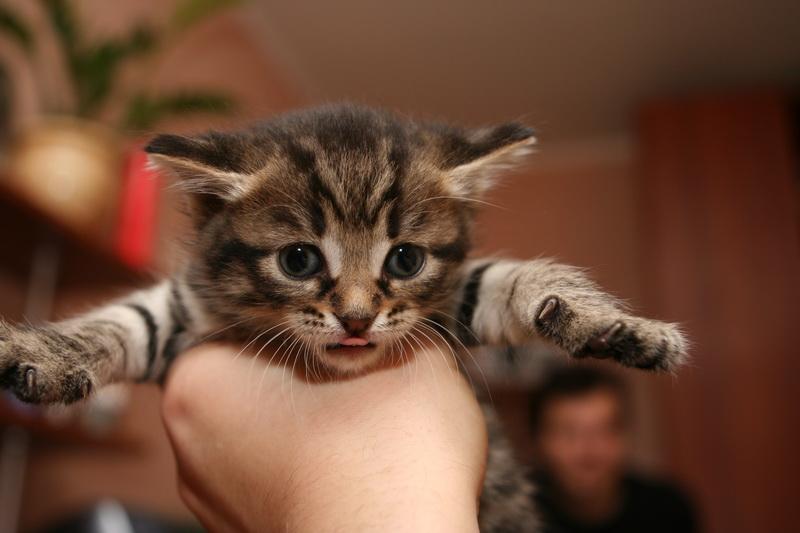
Natural food
If you want to accustom your kitten to natural food, you should adhere to certain conditions:
- The diet should be varied. If you don't accustom your pet to certain foods from an early age, it's unlikely you'll be able to do so as they mature. Therefore, try to vary your pet's diet by offering a variety of foods – this will help develop an omnivorous nature, prevent them from becoming picky, and ensure they receive complete nutrition.
- Don't feed your pet scraps from your table. Firstly, you run the risk of raising a constantly meowing beggar, and secondly, it could harm the kitten, as human food contains a lot of spices and salt, which are harmful to young bodies.
What should you feed a month-old kitten, besides its primary food—milk? You can feed the little one cottage cheese. However, at first, it's best to mix it with milk until it reaches a consistency similar to sour cream. Cottage cheese is a good source of calcium, which helps prevent rickets.
The next product is chicken yolk (cooked egg whites can be given from 2 months). Initially, it should also be mixed with milk. The following products will also benefit your kitten:
- porridges with meat and milk broths;
- boiled vegetables;
- neutral (without spices) soups with broth.
However, not every kitten will enthusiastically pounce on such food. After all, even though they're a month-old, they're still a carnivore. Meat products can be anything. The main rule is that the meat should be lean, and any food should be cooked first and then ground. Meat is cooked not for ease of consumption, but to prevent various diseases and helminth infestations.
A kitten grows quite rapidly, so its body requires a sufficient amount of minerals and vitamins. Eating regular food doesn't always provide the necessary nutrients. Therefore, it's a good idea to supplement your pet's food with special vitamin supplements, which can be purchased at any pet store. There are plenty of such supplements on the market, so you can always find something suitable for your pet. You can also grow various beneficial herbs, such as sprouted wheat.
As mentioned, vary your kitten's diet. It's not recommended to feed her only meat or fish, or even just porridge. By the way, don't give her fish too often. Frequent fish consumption has been shown to lead to inflammatory kidney disease. And if you eventually decide to neuter your kitten, it's best to eliminate fish from her diet entirely. Her diet should be as close to natural as possible, including temperature control. Avoid giving her cold (from the freezer) or excessively hot foods. Pet food should not be salted.
Remember that your puppy must have access to water. This is especially important if your pet is fed dry food, as their water consumption increases several times over normal conditions. The water should be fresh and clean; change it daily, and rinse the empty bowl with hot water or scald it with boiling water.
Ready-made food for month-old kittens
There are many different brands that have gained popularity in the cat food market:
- Hill's Science Plan;
- from Eukanuba Junior Small Breed;
- Royal Canin size nutrition mini junior and many others.
Let's look at a few specific examples from the super-premium cat food segment.
- Royal Canin dry food for kittens
It's always important to remember that premium foods are the best among the worst in this category. And if the "super" prefix isn't present on the packaging, that's a compelling reason to doubt the quality of the food. But it's important to be objective. Let's first review the benefits of Royal Canin for kittens:
- affordable pricing policy;
- a wide variety of flavors;
- availability to the buyer;
- veterinary line.
- The next representative is the super-premium food Acana for kittens.
Acana offers food in three flavor categories: lamb, chicken, and fish.
If we consider the advantages, then Acana is characterized by the following positive qualities:
- balanced diet;
- absence of grain crops in the product;
- absence of chemical dye.
The main disadvantages are the limited variety of flavors and the lack of preventative diets.
- Also worth mentioning is the Almo Nature food for 1 month old kittens.
The origins of this food's popularity lie in its triple-checked quality and natural ingredients. In general, Almo Nature's overall quality is close to that of VIP-class foods. In fact, chicken (the base of this Italian diet) and its derivatives account for 53% of the total weight. Hypoallergenic rice accounts for another 14%.
The main disadvantage of the presented product is its relatively high price.
What shouldn't you feed a month-old kitten?
You need to pay close attention to the feeding options and standards for your little pet. After all, they're not fully developed adults, and their digestive organs are still developing. Keep in mind that proper feeding can have a significant impact on your little one—even their life—so every caring owner should be aware of this.
Milk and meat
As for milk, it's best to choose goat's milk or powdered milk, available at pet stores. If dairy products are the mainstay of your pet's diet, low-fat options are best.
Pets shouldn't be fed raw meat, as it can contain worms and pathogenic microbes. Furthermore, their body won't be able to handle such coarse food well.
Monotonous food
Don't feed a kitten a monotonous diet. For example, only fish or cereal. This type of feeding will result in the kitten receiving insufficient amounts of essential minerals. Furthermore, if a one-month-old kitten isn't introduced to a varied diet, it will become very picky later on, which will cause problems.
Food from the table
Don't feed your kitten table food. It contains a lot of spices that are unnatural for a kitten's body. Sausages and various smoked meats are harmful, regardless of their ingredients. The same goes for pickles, as all of these products can be considered human food, containing excess fat, salt, and other ingredients.
You can't give potatoes. This applies to any root vegetable. It doesn't matter if it's raw, boiled, or fried. Remember, a kitten's stomach can't digest potatoes.
Fatty foods
A small pet doesn't need any food containing a lot of fat. Therefore, it's best to avoid foods like cheese, butter, and fatty meats at first, and introduce them gradually.
- Bones (bird, fish) are another harmful substance for members of the feline family in general.
- Pork - this type of meat is absolutely unnecessary for kittens, it is not only useless, but also poses a potential threat.
- Any dog or puppy food is not suitable for a kitten. They contain ingredients completely different from those required for healthy growth.
- It is better not to give your pet sweets or yeast-based buns.
- Don't forget one rule: you can't feed your kitten different foods or mix natural food and prepared food.
Feeding regime and norms
Without considering feeding schedules, you can figure out how often to feed a one-month-old kitten yourself. To do this, pay attention to how the kitten behaves. A hungry kitten will start squeaking, fidgeting, and generally showing discontent. Such a kitten requires supplemental feeding according to specific norms. One-month-old kittens, left without maternal care, require a specific feeding schedule. How often should a one-month-old kitten be fed?
Feeding regimen for month-old kittens:
- A baby under two weeks old should be fed seven times a day. This includes nighttime feedings. Ideally, all 10 feedings should be divided into equal intervals.
- Kittens living from two weeks to a month need to eat 6 times a day under similar conditions.
- A kitten aged 1 month and above can be fed 5-6 times a day in small portions.
How much food should you give a one-month-old kitten and how much does he eat?
- From one to two weeks, the recommended rate is 30 ml per 100 grams of weight.
- From two to three weeks the norm increases from 38 to 48 ml.
- A kitten from one month old needs to be given food at the rate of 48-53 ml per 100 grams of weight.
Kitten 1 month old care and feeding
Caring for a one-month-old kitten requires a special approach and meticulous care. You've already figured out what to feed the little one, but in addition to food, the kitten needs care and warmth. Remember that caring for a small pet is comparable to caring for a small human child. It needs to be fed the right food and fed regularly.
At the same time, you need to give your pet some freedom. Let it get used to the house and explore it gradually. And if you enjoy petting and want to cuddle the little one, do so gently and very carefully.
Read also:
- How to feed a newborn kitten without a mother cat?
- Proper nutrition for cats
- What to feed a 1 month old kitten?


Add a comment