
Feeding a Maine Coon by Month
For cats Maine Coon breed The same general rules for choosing a diet apply as for other domestic felines. However, there are some unique "breed-specific" considerations. Today, we'll tell you what you can and can't feed a Maine Coon, how to do it correctly, and share a step-by-step feeding schedule for each month.
Content
What can and can't Maine Coons eat?
Below is a list of permitted and prohibited foods for cats of any breed, not just Maine Coons.
They are allowed to:
- boiled chicken;
- boiled chicken egg yolk (can be mashed with cottage cheese);
- raw quail eggs;
- boiled liver in very small quantities;
- kefir and unsweetened natural bio-yogurts without additives;
- non-acidic cottage cheese (can be made with the addition of boiled or raw chicken yolk);
- frozen chicken or beef offal.
A proper diet for Maine Coon cats requires pre-scalding frozen foods with boiling water. A domestic Maine Coon cat needs:
- mineral supplements (with a natural diet);
- vitamin complexes.
However, the most appropriate diet for Maine Coon cats is prepared professional food. It's perfectly balanced by the manufacturer and requires no additional vitamin or mineral supplements. However, the choice is up to the owner. If they have the time to calculate the nutritional requirements per kilogram of their pet's body weight; cook several foods separately (in small portions, because everything must be perfectly fresh); and add precisely measured amounts of vitamins and mineral supplements, no veterinarian will say a word against it.
Any Maine Coon should always have free access to fresh, clean (ideally, well-filtered) water. However, don't boil water for a cat—it's "dead" and completely useless. It certainly won't hurt, but why waste it?
Maine Coons are also known to swallow pieces of food whole without chewing, so try to give them chopped food.
.jpg)
Prohibited:
- pork in any form;
- bones (either fish or chicken);
- smoked products and “human” canned food;
- sugar, chocolate, any other desserts;
- raw or boiled milk;
- egg white;
- fish in any form (especially boiled pollock);
- potatoes and legumes;
- vegetable oil.
It's important to note that Maine Coons, like any other cat breed, are not fed salt or pepper, nor are any herbs or spices added. In general, felinologists and veterinarians strongly advise against feeding domestic cats "human food." This can have an extremely negative impact on both the animal's digestive system and its overall health.
https://www.youtube.com/watch?v=whV8wMdwUWM
What to feed Maine Coon kittens?
It's important to remember that kittens require a different diet than their adult feline counterparts. Moreover, a kitten's diet isn't static—it changes as the animal grows. And, of course, many owners of purebred pets wonder: what should they feed Maine Coon kittens at different ages?
Before bringing a purebred cat into your home, you should thoroughly prepare for its care. Specifically, consult a veterinarian about the pet's nutrition—both during its active growth period and during adulthood.
A Maine Coon breeder with experience raising and properly caring for cats of a particular breed can also provide valuable advice. Furthermore, catteries often begin feeding kittens something before they're purchased, so a breeder's recommendations are essential, as sudden changes in diet are extremely undesirable for kittens. And of course, a specialist knows best what to feed Maine Coon kittens at different ages. The nutrition of a Maine Coon kitten varies and directly depends on the age of the pet.
1 month
At one month of age, Maine Coons, like any other kittens, are just beginning to be introduced to new foods other than their mother's milk. Special "store-bought kitten milk" from various manufacturers is gradually introduced into their diet (for example, "Whiskas Milk Plus" from Mars, "Pet Milk" from the Italian brand Canon, or "Beaphar Kitti-milk"). Additionally, as early as 3-4 weeks (1 month), the kittens are scraped with scalded frozen meat (beef) and given thin milk-based porridges (the milk should be diluted with half water for cooking). However, the main nutritional component for the babies remains their mother's milk.
2 months
What should you feed a two-month-old Maine Coon kitten? They should eat at least six times a day. From this point on, you should limit the amount of store-bought milk and baby cereal in their diet. Ensure they eat approximately 120 to 150 grams of food per day.
3-4 months
When Maine Coons reach 3-4 months of age, the number of feedings should be reduced to four times a day. However, their daily food intake will increase to 180-200 grams. At least 20, if not 25, grams of scraped, scalded meat will need to be added to their diet.
6-12 months
Between 6 and 12 months, the active development of small Maine Coon cats begins to wane. The number of feedings is reduced first to three, and then to two times per day. However, the amount of food consumed per day increases to 200-250 grams, of which at least 40 grams should be meat.
It is important to remember that vegetables should be introduced into the diet of six-month-old kittens (though only a little at a time and with the exception of potatoes and fresh cucumbers), as well as vitamins and mineral supplements—only after consulting with a veterinarian and strictly according to their dosages. And babies should have constant and free access to clean, fresh water.
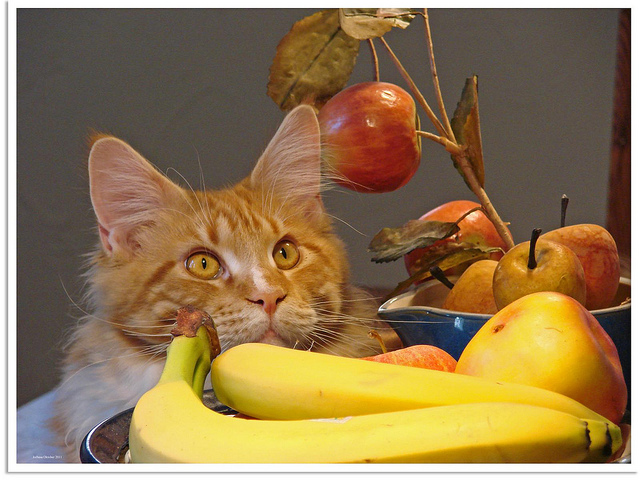
What food should I feed my Maine Coon?
What food to feed a Maine Coon is, of course, up to the owner of the purebred pet. However, if choosing between dry or wet commercial pet food, it's best to choose professional premium products.
List of brands
The best food for Maine Coons includes brands such as: "Hill's" and "lams", "Royal Canin"Mars," and "Ralston Purina." All from American companies. Among European brands, it's best to choose special "named" breed food for Maine Coons from Nutro, Diamond Pet Foods, Midwestern Pet Food, or Eagle Products.
Purebred kittens are introduced to dry food at 3-4 months of age. Special "little kitten" food is essential, preferably from the brands mentioned above. By the time they reach one year of age, transition them to a "named" pedigree food. Ideally, the same brand as the "kitten food" they were given as kittens. However, each owner should choose their own food based on their own needs.
.png)
Pedigree lines of feed
Experts consider special lines of branded brands to be one of the best options for feeding animals of this breed.Royal Canin" and "Hill's." Firstly, these foods are readily available today—without any supply disruptions, even in the most remote corners of our vast country (which is important, as sudden food changes are highly undesirable for cats). Plus, both brands offer food for Maine Coon kittens, developed with the unique exterior of these cats in mind. Furthermore, these foods offer the best value for money in the modern pet market. For premium professional foods (such as both "Royal Canin" and "Hill's"), a price of 200-220 rubles per pack (400 grams) is quite reasonable. The most economical option, of course, is to purchase 10 kg bags, where each 100 grams of food costs only 42 rubles. Furthermore, many retailers offer discounts for larger quantities. But here it is up to the owner to decide, based on the capabilities of his own wallet.
"Lams" has a decent line of dry food for Maine Coons. However, this brand's food is rarely found in pet stores (except in the two capitals, of course). Prices are roughly the same as Royal Canin and Hill's. The brand also offers a food for Maine Coon kittens. Many breeders prefer this diet for their purebred pets.
As for wet cat food, feeding it exclusively is too expensive (since no self-respecting veterinarian would recommend economy-class pouches) and not entirely healthy. A more sensible combination is 25% wet food + 75% dry food, making up 100% of a cat's daily ration. Ideally, both wet and dry food should be from the same manufacturer, or at least from the same product class.
Read also:


Add a comment