
What to feed kittens at home?
So, you've welcomed a little whiskered kitten into your home, and you're naturally faced with the question of what to feed your kitten at home to ensure it grows up healthy. While you can figure out the nuances of care yourself, and you can consult a veterinarian for health issues, feeding young kittens requires careful consideration. Feeding a small kitten the same foods as adult animals is not recommended, nor is table food. Therefore, if you're unsure what to feed kittens at home, carefully study the recommendations from experienced cat breeders collected in this article. You'll learn what you can and can't feed them, how many times a day you should feed your kitten, a list of prohibited foods, and a rating of commercial kitten food.
Content
Basic feeding rules
First, let's look at a range of products that are both undesirable and desirable for pets of any age:
| You can't give | Recommended for consumption |
|
|
Keep in mind that there's a difference between what to feed a week-old kitten and what to feed a five-month-old pet. Also, keep in mind individual preferences. For example, raw potatoes are harmful to a pet's health, but there are many cases of cats happily gnawing on raw potatoes and wagging their tails contentedly. There are also numerous cases of animals refusing standard diets and feeling ill from perfectly normal food. Therefore, don't take all recommendations as a call to action; only you can find out for yourself what your little one likes. If you notice that a certain food is making your pet unwell, don't delay – take them to the veterinarian.
Feeding kittens at different stages of life
Feeding a small kitten at home can vary greatly depending on how old the baby is.
What to feed a newborn kitten
If kittens are only a week old, what should you feed them at home? Newborn kittens are usually nursed by their mother. However, a mother cat can reject the kitten, die, or become ill—in short, there are many different situations. If you find yourself in this situation, don't despair. There are many ways to do this. feed newborn kittensAt home, do it yourself. So, the kittens are a week old, and you don't know what to feed them. Let's start from the beginning.
The best option for a kitten under one month old is a wet nurse. This will require finding another cat who has recently given birth to become the baby's foster mother for a while. If you live in a large city, social media should make this a relatively easy option. However, this isn't always possible. In any case, a week-old kitten needs its mother's colostrum to get off to a good start, which brings us to the second possible option.
A kitten under one month old can be fed a special formula that imitates cat milk. This formula can be found at pet stores and veterinary pharmacies. If this isn't an option, you'll have to feed kittens at home using whatever you have on hand. Recipe: Use boiled milk and egg white in a 4:1 ratio. Beat the ingredients thoroughly, and feed the resulting mixture to the kitten.
Human infant formula can also help in this situation. However, the formula should be diluted to about half the recommended strength.
Feeding rules for a 1-month-old kitten
When a kitten reaches 3-4 weeks of age, it's time to introduce other foods. At this stage, kittens begin to gradually wean themselves off their mother's nipple and are ready for new challenges. To ensure the transition to adult food doesn't affect the kitten's well-being or cause stress, weaning begins with foods similar in consistency to milk. Baby meat puree, rich in protein and vitamins, is a good choice for this purpose. You can also prepare your own pureed mixtures. Learn more about feeding kittens at 1 month follow the link.
What to feed 2-month-old kittens: menu
Feeding guidelines for two-month-old kittens aren't much different from those for one-and-a-half-month-olds. The main change is the introduction of dry food. Also, by this time, you can switch from pureed food to more solid foods, meaning you don't mash or grind the food. The kitten's food intake increases as it grows, so you can supplement with larger amounts of cottage cheese, offer greens, and try grated vegetables like cabbage, pumpkin, and carrots.
If store-bought food is your only option for feeding your pet, make sure you provide a high-quality product. In any case, raw egg yolk can be added to the diet of 2-3-month-old kittens. Keep in mind that kittens at such a young age are still inexperienced in food intake, and if left unsupervised, they can easily overeat. Learn more about feeding kittens at 2 months follow the link.
What to feed 3-month-old kittens
Feeding a three-month-old kitten requires careful consideration. Three months is the age at which kittens begin to develop teeth, and for normal growth, the kitten requires solid food.
This is the right age to introduce raw meat into your kitten's diet. Keep in mind that meat is one of the main sources of helminth infection. Therefore, three months of age is also the time to deworm your kitten.
It's easier to feed a growing kitten than a small one. They can now chew small bones, and they no longer need to crumble meat and remove every sinew. Furthermore, from 3 months old, kittens begin to monitor their food intake, so this issue shouldn't be as much of a concern. What's the best food for a 3-month-old kitten?
- raw grated vegetables (soft ones can be cut into pieces);
- raw, boiled meat;
- boiled lean fish without bones;
- milk porridges.
- yogurt, cottage cheese.
Another benefit of your baby's growing age is the change in the number of snacks. While at the beginning, your baby needed to be fed up to 10 times a day, day and night, you can now transition to three meals a day. Learn more about feeding kittens at 3-4 months follow the link.
What to feed a kitten 5 months and older
By this age, a kitten is practically an adult. Of course, they're still growing and developing, but you can feed a five-month-old kitten the same food as adult kittens, which is much easier than feeding a kitten. Just try to choose food based on your pet's preferences, which should have developed by this time. If you can grow cat grass, do so. It will be a good, additional source of beneficial minerals and vitamins for your pet.
Feeding tips
- Kitten food must be fresh. Kefir is an exception; it's usually kept in a cool place for several days before feeding.
- Delicious sausages, smoked meats, and other mouth-watering delights are not suitable for cats; they contain many harmful spices. So, don't give in to the entreaties of a whiskered face, as your pet's health is more important than satisfying a momentary craving.
- A kitten doesn't need to have its food warmed up, but it shouldn't be too cold either. Room temperature is ideal; it's the temperature at which it'll be most readily consumed.
- Change the kitten's water daily, and don't forget to wash the bowl. It's best not to use detergent; running water is more than sufficient.
- Even if your pet is already quite mature (4-5 months), you can still grind up particularly large and coarse pieces of food for him.
Natural food
If you're planning to introduce your kitten to homemade food, you need to adhere to certain guidelines. From a very young age, your pet's diet should include as many different foods as possible. If you don't introduce your kitten to certain foods early on, it will likely be very difficult to retrain them as they grow. Therefore, try to offer a variety of foods. Otherwise, you risk making your pet a picky eater and thus not being able to provide them with a complete diet.
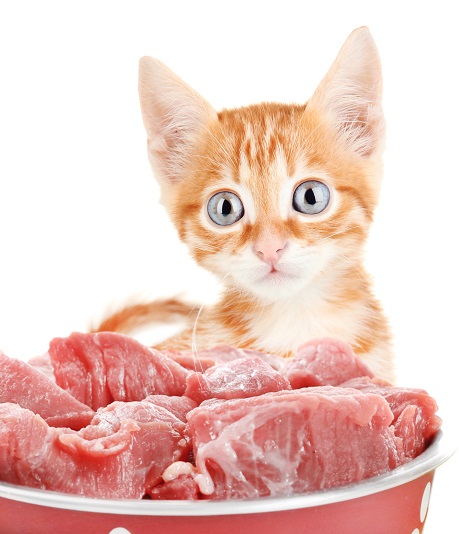
Basic rules
Basic rules for feeding kittens homemade food. It's best not to accustom your kitten to table scraps.
- Firstly, we add a lot of spices to our food, but they only harm animals.
- Secondly, you will have an annoying beggar growing up who will also steal from the table.
Don't forget to buy your kitten healthy grass that stimulates digestion, provides an additional source of vitamins and minerals, and promotes effective regurgitation. Or, if you prefer, you can skip the purchase altogether and sprout wheatgrass at home. In any case, don't forget about vitamins. If you've chosen a natural diet for your kitten, supplements will definitely be necessary.
Food basket for kittens
Let's look at a cat's "food basket," or simply menu—what kind of homemade, natural food can kittens eat? Meat is the first choice, specifically beef. Poultry is also suitable. It's best to avoid pork, as a kitten can easily overeat it if they're not used to it, and it's also a source of helminth infections. As for fish, there's nothing better than sea fish. Freshwater fish can carry a wide range of infections. But even sea fish should be fed infrequently—a couple of times a week is more than enough. For young kittens, meat should be boiled, while older pets can eat raw, but in moderation.
There's nothing better to feed a kitten than milk; there's simply no food more familiar to them. However, not every cat will drink cow's milk. Some animals' stomachs simply cannot tolerate it. In such cases, you can give the kitten yogurt or another fermented milk product. The main thing is that it's not too high in fat. Another good food for a growing kitten is cottage cheese. Young pets are given cottage cheese puree with egg yolk, milk, or even a combination of both. Few will refuse this "eggnog" and the kitten usually devours it with great relish. You can also treat your pet with rennet cheese and sour cream.
For proper development, kittens require fiber, which is found in plant-based foods such as vegetables and grains. To meet this need, kittens should be fed porridge. Small kittens should be fed milk-based porridge, while older kittens should be fed meat, chicken, or fish broth. Legumes should be avoided, as it has already been mentioned that feeding them leads to bloating and constipation, and they are also poorly digested. Meat and vegetables are added to porridges made with meat broth.
Remember that your kitten should have 24-hour access to fresh water. This is especially important when feeding dry food. After all, cats fed commercial food drink almost four times more water than those fed natural foods. Change the water regularly, and clean the container with hot water and rinse it thoroughly.
Ready-made feeds
What commercial food should I feed young kittens? And at what age can I start? Commercial pet food is becoming increasingly popular. Commercial food contains essential nutrients necessary for a kitten's healthy growth. Each manufacturer offers food with its own unique characteristics. Some attract consumers with price, others guarantee product quality, and still others offer a combination product with vitamins and minerals.
Since we're talking about small creatures, it's important to choose a specially formulated food for kittens. This is the type of food you should start introducing your pet to store-bought products. Start by offering canned food, and gradually introduce dry food. If desired, by gradually increasing the percentage of canned food, you can transition your pet to dry food entirely. Let's discuss specific brands of canned food for kittens and cats.
As for when you can start feeding a kitten, you can begin feeding it wet food after one month of age. You can also introduce dry, but moistened, food after one month.
Bosch Sanabelle wet food
This product is a super-premium pet food. It's imported from Germany. Its distinctive features include a perfectly balanced composition. Protein alone accounts for 35% of the product's total volume, and almost all of it is of animal origin. Bosch Sanabelle also contains almost 7% mineral supplements.
Among the advantageous features we highlight:
- decent quality;
- no artificial additives;
- easy acquisition opportunity.
Disadvantages include the presence of corn and cellulose in the product, to which some kittens may have an allergic reaction.
Hills kitten food
Hills is another representative of the premium brand line.
Product advantages:
- vitamins and minerals in the composition;
- ease of acquisition.
Cons of Hills:
- the product contains a high content of carbohydrates, which are poorly digested by the kittens’ body;
- the composition is dominated by vegetable protein;
- the food is allergenic;
- There is a lot of liquid in the package.
Pro Plan Junior
Pro Plan is a popular premium kitten food. Pro Plan is a fairly common cat food and can be purchased at most pet stores.
The food has many advantages:
- diversity of species;
- the presence of natural meat in the recipe;
- there are prebiotics;
- balanced diet for kittens.
Among the disadvantages we highlight:
- the presence of preservatives in the product;
- The feed contains soy and corn;
- The composition is dominated by vegetable protein.
In any case, the choice of feeding method is yours. The main thing is to decide right away what and how much to feed your kitten, and what to prioritize—price or quality.
What shouldn't you feed kittens?
If you think back to good old cartoons, all a noble and self-loving cat needs is sausages and milk. But we all understand that reality is different. For a cat to be happy and healthy, they need proper, balanced nutrition, especially for kittens.
We've already covered what kittens of different ages enjoy and find useful. Now it's time to look at foods that kittens shouldn't eat, or are highly discouraged.
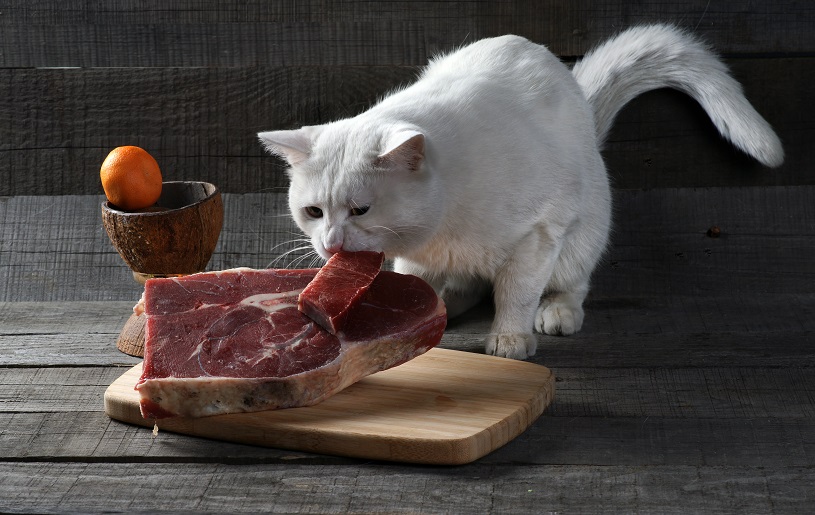
Foods that are undesirable for kittens
This food cannot be considered poisonous in itself, but if you feed it to your baby for a long time, it can negatively affect the pet's health to one degree or another.
- Liver. Feeding your pet liver frequently will inevitably lead to an overabundance of vitamins A and D, although occasionally indulging your pet in it will only benefit them.
- Economy-class dry food. If you choose a quality brand, dry food is practically a panacea for feeding your pet under certain conditions: on the road, when you're pressed for time, etc. However, low-quality products should be avoided whenever possible.
- Legumes. These have already been mentioned – they cause bloating and constipation. Potatoes, or more precisely, the starch in potatoes, are also worth mentioning – cats don't digest them well.
- Fish – Feeding your pet only fish can contribute to the development of urolithiasis. Fish is fine occasionally, but seafood is best. It's best not to feed fish to kittens under one month old.
Dangerous foods for kittens
The foods listed in this section can cause serious harm to your kitten's health, so feeding them is strictly not recommended. What you shouldn't feed kittens:
- Smoked, salted, and other spicy and fatty foods should be avoided in a kitten's diet, as they contain a lot of seasonings that can disrupt the kitten's intestinal flora and cause stomach inflammation.
- Raw meat. Raw meat can be given to adult kittens, starting at 5 months of age. Younger kittens should have their meat boiled, and the smallest kittens should also have it ground. The danger of raw meat is that it carries harmful microflora and helminths (worms).
Extremely dangerous products
While foods from the previous category can cause problems for a kitten, they can at least be treated at home or with the help of a veterinarian. However, the foods listed below can have fatal consequences. Not always and not for everyone, but still.
- Sweets, especially chocolate, are poison for a small kitten; their body is so unadapted to chocolate that it's dangerous even for an adult cat.
- It's dangerous to give bones to a small kitten, especially fish or poultry. The structure of these bones is such that when chewed, they splinter into sharp fragments. A baby's teeth are still too weak to properly chew such a "gift." These fragments end up in the stomach, where they can damage the esophagus and cause bleeding.
- Medications prescribed for humans. Yes, there may be some practical recommendations for kitten care that suggest using a particular medication can be beneficial. However, before using human medications, consult with your veterinarian.
- Expired food. Any food that's spoiled is a haven for myriad pathogenic and putrefactive microorganisms. Believe me, such food will lead to nothing good.
In addition to the aforementioned lists of foods that can harm your pet, it's important to consider specific cat breeds. Genetic changes can cause certain breeds to be intolerant to certain foods. For example, a Sphynx cat can't tolerate fatty foods at all, while a Maine Coon won't enjoy fish.
Feeding regimen for kittens
How many times a day should you feed a kitten at different stages of its life?
| Age of the kitten | Feeding regime |
| up to 2 weeks (after birth) | 9 times a day |
| 3-4 weeks | 8 times a day |
| 1-2 months | 6-7 times a day |
| 3 months | 6 times a day |
| 3-5 months | 5 times a day |
| 5-9 months | 4 times a day |
| 9-12 months | 3 meals a day |
The little one you remember at one month is no longer around by the time he's a year old. He's a fully grown adult and needs to be fed twice a day. The first time is best in the morning, around 9 a.m., and the second time between 6 and 9 p.m.
Feeding standards
The easiest way to calculate the daily feeding rate is based on the kitten's starting weight—up to 250 grams per kilogram of body weight. For example, a kitten weighing 1.5 kilograms (3.5 pounds) requires up to 375 grams of food per day. Furthermore, when it comes to proper kitten nutrition, this daily feeding rate should be further divided into several subsections, each with its own specific food category: meat, vegetables, dairy, and so on. This kitten feeding chart should also be helpful.
Basic rules of care
Of course, you no longer notice the unique features of your home, but your kitten is discovering a new, unexplored world, full of fears and smells. That's why many kittens experience genuine stress when settling into a new home. Your job is to make the first few minutes and days as your kitten gets used to the new home as enjoyable as possible.
There's no need to force your friendship on the kitten or introduce it to other family members. Trust me, when the time is right, your pet will make a move. The only thing you need to do is introduce the kitten to its bowl, litter box, and bed.
At first, the kitten's bed will be its only refuge, so try to make it as cozy as possible. You can buy a kitten bed online or at a specialty store, or if you don't want to spend a fortune, you can create a mini den yourself. A simple cardboard box will do the trick. Line it with a few warm items, and that will be enough for now. Place the box in a warm, draft-free area. Happy kitten training!
Read also:


6 comments
Ariana
Hello, we got a kitten and she's four weeks old (she was born on December 9th). At first, we fed her milk. Today we tried canned meat for first-year babies called "Veal." She ate it with pleasure.
Question: Is it possible to feed a 4-week-old kitten canned meat for complementary feeding of children in the first year of life "veal" (company "Tema")?
Daria is a veterinarian
Hello! Check the ingredients to make sure there are no salt or spices. You'll need to monitor your kitten. Some digest the food well, while others develop diarrhea. Ideally, you should feed them cat milk replacer instead of store-bought cow's milk. It's richer in vitamins and minerals, and better balanced in fat. You could try using the milk replacer for another week, and then gradually introduce meat. But if the kitten is already teething and eating, and there are no problems with stool, then feed them baby food. You can also choose canned meats that come with cereal (for example, chicken with rice, beef with buckwheat).
Svetlana
We got our kitten at 3 months old, and the previous owners fed him Hill's dry and wet food. We decided not to change the food. We read the ingredients and reviews, and we liked the food. The kitten is growing strong and active.
Anatoly
The most natural food for kittens is mice. At first, the cat brings them dead mice, then dead mice, then barely alive mice, and so on. There's no need to cook mouse meat, and 95% of domestic cats were raised on cow's milk. Ignore such nonsense.
Dasha is a veterinarian
Where in the city can you find enough mice to FEED a growing kitten to its fill? I've never seen country cats eat only mice. And even now, almost all rodents that emerge from basements are either poisoned or carry diseases. Then a domestic cat catches one of these "miracle mice," ingests the poison (the same rat poison, zoocoumarin), and it's all over. The cat will die from poisoning itself. Or it will eat a rodent that carries leptospirosis or some other disease and become ill itself. Why risk letting your pet eat a mouse caught in the city when there's plenty of safe food available?
As for milk, it was fed to kittens because there was nothing else. And not all kittens survived, attributed to natural selection. Previously, even infants were fed cow's or goat's milk, but now there are special formulas that are as close as possible to mother's milk in composition. The same is true for kittens. Pet stores offer milk replacers that are ideal for feeding newborns. Adult animals, however, cannot digest milk properly; they no longer have the enzyme that curdles the milk.
Angelina
A very useful and comprehensive article! You're awesome!
Add a comment