
What to feed a 2 month old kitten?
What and how to properly feed a 2-month-old kitten? Typically, by two months of age, kittens stop sucking from their mother's breast or formula. They've become accustomed to lapping milk from a bowl on their own, and it's time to introduce solid foods. This is where inexperienced owners become perplexed: what to feed a 2-month-old kitten? The kitten has recently been weaned, and therefore, its immune system can quickly begin to weaken. To prevent this, it's important to find a food that can replace cat milk and other formulas. The transition to solid food should be gradual, otherwise it will harm the kitten's body and cause stress.
Content
How to choose a diet?
Proper feeding of a 2-month-old kitten will determine whether your furry friend grows into a large, energetic cat, or whether a small cat will become a healthy, mature adult. If a kitten doesn't like the food offered, it will stubbornly refuse it, whether it's a standard kitten or a British or Scottish Fold. This is a sign that you need to immediately change the feeding schedule and carefully consider creating a diet that includes foods or food containing beneficial micronutrients and vitamins. The most important thing is that the food is healthy and your pet enjoys it.
You need to decide right away what you'll feed your growing cat. You'll have to choose one of three options:
- Natural nutrition.
- Ready-made feed.
- Mixed nutrition.
No one can give you a definitive answer as to which option is preferable. Even veterinary specialists have conflicting opinions on this matter.
When choosing the right option, you'll need to consider your budget, the time you have available to prepare food, and other factors. The kitten's breed, food preferences, health, and even gender will also play a significant role.
Natural nutrition
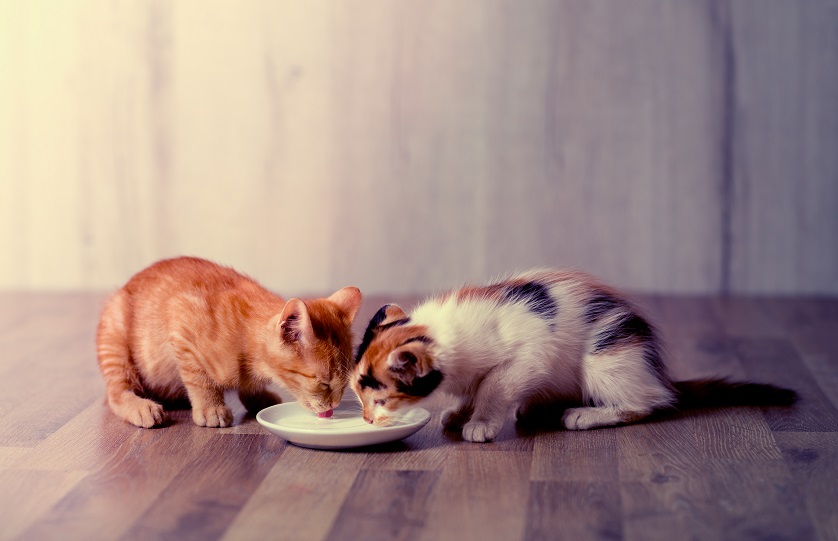
Proponents of natural feeding for kittens believe that it's the only way to ensure the kitten's safety and health. Therefore, when asked what to feed a 2-month-old kitten, they will answer that only homemade food is suitable for kittens. It's important to know that natural foods don't mean the same food you eat yourself, but rather food specially prepared for your cat using healthy ingredients and no chemical additives.
Advantages
- The main advantage of natural food is obvious: you choose the fresh, high-quality ingredients you use. This means you can be confident in the nutritional benefits of your 2-month-old kitten.
- Freshly prepared food does not contain any chemicals, so it is absolutely safe for a fragile body.
- The kitten receives a varied diet every day.
- Natural food doesn't cause addiction or habituation. One product can easily be substituted for another without causing stress to your pet.
Flaws
- You need to be careful that your grocery basket does not include prohibited foods that could harm your digestive system.
- With simple food, a kitten may not receive the vitamins necessary for health.
- They need to be purchased separately and added to cat food, calculating the dosage yourself.
Regardless of the feeding method you choose for your baby, protein should be the foundation of their diet—it's what helps build the body. Protein-rich foods should make up approximately 60% of the daily diet. Meat and fish are rich sources of protein.
But in addition to protein, a kitten's diet should also include foods containing various micronutrients and beneficial vitamins. A growing kitten needs adequate calcium, which helps teeth grow and bones develop. This calcium can be obtained from milk and fermented milk products. Knowing what to feed a two-month-old kitten and what to exclude from their diet will help you develop a complete diet that includes essential natural foods.
Recommended diet
First of all, a typical carnivorous kitten, both male and female, should be given lean meat—beef, chicken, turkey—dairy-style every day from the second month of life. Ground meat, cooked, or added to broth, and be sure to cook thoroughly, of course. No raw meat is allowed! So, here's a sample menu that kittens enjoy at two months:
- for the development of the skeletal system and teeth, the diet should include low-fat fermented milk products - kefir, fermented baked milk, yogurt without fruit additives;
- gradually introduce low-fat cottage cheese into the diet, natural, mashed with a small amount of low-fat sour cream, or ready-made store-bought for children;
- cereals and grain porridges with milk, vegetable and meat broth (rice, buckwheat, oatmeal);
- fresh vegetables - carrots, pumpkin, white cabbage - raw, grated, or added to porridge and boiled in meat broth;
- Lean boiled boneless sea fish is a source of phosphorus;
- sprouted grass (wheat sprouts, oats) and brewer's yeast for kittens;
- half a teaspoon of vegetable oil once every 3 days.
What should not be fed?
What you shouldn't feed kittens at 2 months of age (and at other ages too):
- fatty meats - pork, lard, pork fat, goose - a sensitive little stomach will get indigestion, and the liver will not cope;
- bones (the kitten may choke on them or damage the esophagus);
- whole milk (cats lack the enzymes to digest milk);
- raw egg white (the enzyme it contains has a destructive effect on biotin in the body);
- salted, smoked, peppered and canned products for humans;
- chicken skin - it is not digested in the stomach;
- some vegetables (tomatoes, onions, garlic, eggplant) and fruits (avocado);
- chocolate (highly toxic to cats and can cause their premature death);
- vitamins and medicines for people with some exceptions.
Foods that should be kept to a minimum:
- peas and beans (cause bloating);
- Freshwater fish (leads to helminth infestation, best to eliminate from diet completely).
Ready-made feeds
The main rule when feeding a 2-month-old kitten prepared food is to never mix dry and wet food. They will take different times to digest, making the transition difficult. If you've been using one type of food for a long time and want to switch to another, do so carefully. Over the course of 8-10 days, gradually introduce the new food into your kitten's diet, gradually introducing it in small portions and monitoring its reaction.
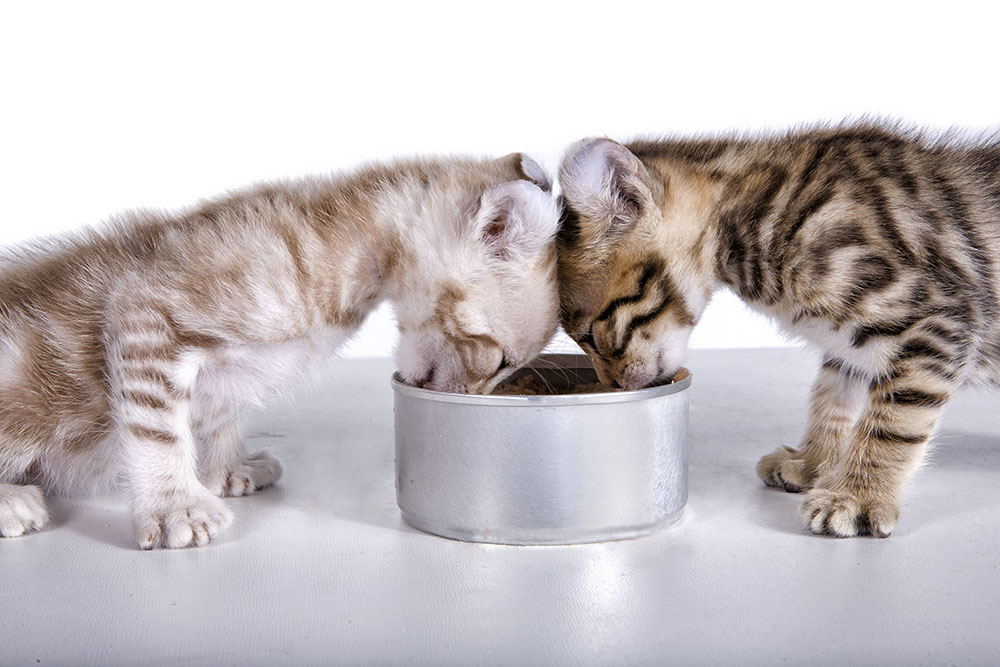
If you do combine the two types of food, 75% of the daily diet should be dry and 25% wet.
Pros
- High-quality foods contain the optimal amount of beneficial vitamins and minerals; there is no need to buy additional supplements.
- The composition is selected taking into account the age and physiological characteristics of the pet.
- The kitten will have to chew on dry food, which will stimulate excellent jaw function.
- Save time and effort on cooking.
- Convenient and easy to use. You can take the food with you on the go.
- The daily feed dosage is indicated on the packaging.
Cons
- Low-quality, budget-class pet foods are dangerous for animals due to their high mineral content, which, when accumulated in the body, can lead to urolithiasis. They are made using waste products (animal fat, feathers, skins, etc.), which clog the digestive tract. This will force you to buy more expensive pet foods.
- Presence of fats, flavorings and preservatives.
- Food consumption is addictive. If necessary, weaning a kitten off it will only be possible through starvation.
Recommendations from veterinarians
If you've decided to feed your kitten a commercially prepared diet but don't know what to feed a 2-month-old kitten, your veterinarian's advice can help.
Professional breeders and veterinarians recommend purchasing prepared food only from specialized stores or veterinary pharmacies. These should be premium and super-premium foods, which contain all the necessary nutrients. The best prepared dry foods are considered holistic, whose production technology preserves the juiciness and freshness of the almost unprocessed meat, as well as the maximum nutritional value of the ingredients. The ingredients are clearly listed on the packaging. Most importantly, such food, labeled "NaturCroq," is suitable for human consumption.
When it comes to specific kitten food, breeders often recommend the following brands:
Happy Cat Junior
Super premium dry food in the holistic category, specially developed for small kittens with sensitive stomachs from 5 weeks to 12 months
What's good about it:
- The composition includes the most useful meat ingredients (beef, poultry, rabbit), as well as eggs and salmon;
- the texture and size of the food are selected in accordance with the kitten’s ability to cope with it;
1st Choice
Super-premium dry food (close to holistic quality) for babies from 2 to 12 months
What's good about it:
- excellent quality;
- affordable price for the level;
- a balanced selection of a large amount of meat and a small amount of plant ingredients;
- hypoallergenic;
- A nice addition is the inclusion of salmon fat (to improve brain activity and maintain heart and eye health).
Cons:
- Rarely found in stores, must be ordered online;
- Only 1 type has been developed.
Purina ProPlan
Dry food (1 option) for pets aged 6 weeks-1 year, wet food (2 types) up to 1 year, premium class.
What's good about it:
- low cost;
- availability for direct sale;
- the opportunity to save money when purchasing bulk feed;
- optimal content of nutrients and useful substances.
Cons:
- the presence of plant-based ingredients in large quantities;
- possibility of allergy.
Cost of kitten food
You can now view current prices and buy kitten food right here. Yandex Market with fast delivery:
Mixed nutrition
Many experts insist that it's impossible to feed both natural and commercial foods at the same time, citing the risk of digestive problems and hypervitaminosis. Other veterinarians claim this type of feeding is ideal for kittens as young as two months: by consuming natural foods, the kitten will receive all the necessary micronutrients from commercial food.
Regarding the exact dosage of food with this method, it's best to consult a veterinarian. It will depend on your pet's health, weight, and breed. Some caring owners believe that a two-month-old kitten's diet should be changed after two weeks. If you're still struggling with the question of what to feed a 2.5-month-old kitten, the answer is simple: the same as at two months.
Feeding rules
- do not give your pet the entire daily portion at once: he is not yet able to control his appetite (the exception is dry food);
- Food from the refrigerator must be preheated to keep it warm;
- food can be stored in the refrigerator for 24 hours, wet food - up to 2 days;
- add vitamins for cats to natural food;
- Your pet should always have a separate bowl full of fresh water, to which it has access 24/7, otherwise it will start lapping water from wherever it can.
Feeding regime and norms
How many times a day and in what portions should I feed a 2-month-old kitten? It's important that the kitten doesn't overeat, but also doesn't run around hungry, and that it eats at least some of its food, otherwise digestive issues will occur. Therefore, from 8-10 weeks old, the kitten should be fed frequently but in small portions. It's best to divide the daily dose into 5-6 portions. The total daily portion will be approximately 150 grams per 1 kg of the kitten's body weight, but it's best to check with a specialist. Experienced breeders recommend constantly varying the kitten's diet and planning the feeding schedule and diet in advance.
With ready-made foods, the dosage is always indicated on the packaging; you don't need to calculate it yourself.
Care Features
Two-month-old kittens are still very fragile and susceptible to various infections and parasites. It's especially important to carefully monitor their health, administer vaccinations at the right time, and deworm them. If you have any concerns or questions about their nutrition or health, consult a veterinarian immediately. Observe your kitten's appearance and behavior: they should be well-fed, have a shiny coat, and be active. Pay particular attention to ensuring fresh water is always available, especially when feeding commercially prepared food.
Read also:


Add a comment