
What to feed a nursing cat
Are you expecting kittens for the first time and wondering what's best to feed the expectant mother and nursing cat after birth to ensure your pet remains healthy and produces enough milk? We'll explain the proper diet for a cat during pregnancy and lactation.
Content
Nutrition for a pregnant cat
During pregnancy, it's important for a mother to obtain the vitamins and microelements necessary for the proper development of her fetuses. Typically, an increased appetite can be observed in the expectant mother as early as a week after conception.
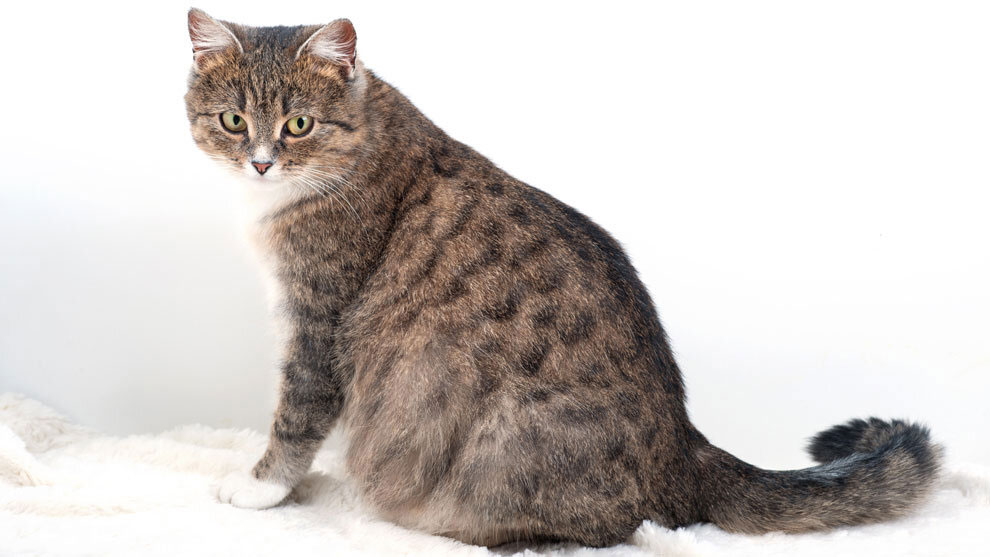
Veterinarians distinguish three main periods of pregnancy in cats:
- 7-21 days are very important, since this is the time of kitten formation (the daily portion of food must be increased by 10-20%, without changing the feeding schedule);
- Day 22-49 – the period of growth and development of babies (the daily portion of food is increased by 40-50%, dividing it into 5-6 feedings);
- after 50 days The cat eats less, but the total volume of food should not be less than in the first period of pregnancy (the number of feedings can vary depending on the animal’s condition).
Some cat breeds are particularly prone to gaining excess weight during pregnancy, so a diet for Scottish Fold, British Shorthair, Persian, Sphynx, Cornish Rex, and Maine Coon cats should be determined by a veterinarian based on the individual needs of the animal.
Significant changes in diet are also undesirable. For example, if you've always fed your cat dry food, don't suddenly switch to a raw diet for the expectant mother. It's better to simply add canned food or buy a special pregnancy food. For animals on a raw diet, it's helpful to add vitamin B9 (folic acid) to their diet.
Watch this video to learn how to create a balanced natural diet:
Nutrition for a cat after birth
Childbirth is a complex, energy-consuming process, but you should not try to feed a cat that has just given birth or offer your pet food until all the babies have been born.
The first feeding after an uncomplicated birth is recommended no earlier than 3-4 hours after the end of labor (before this, the animal needs rest more than food). Water should be available at all times!
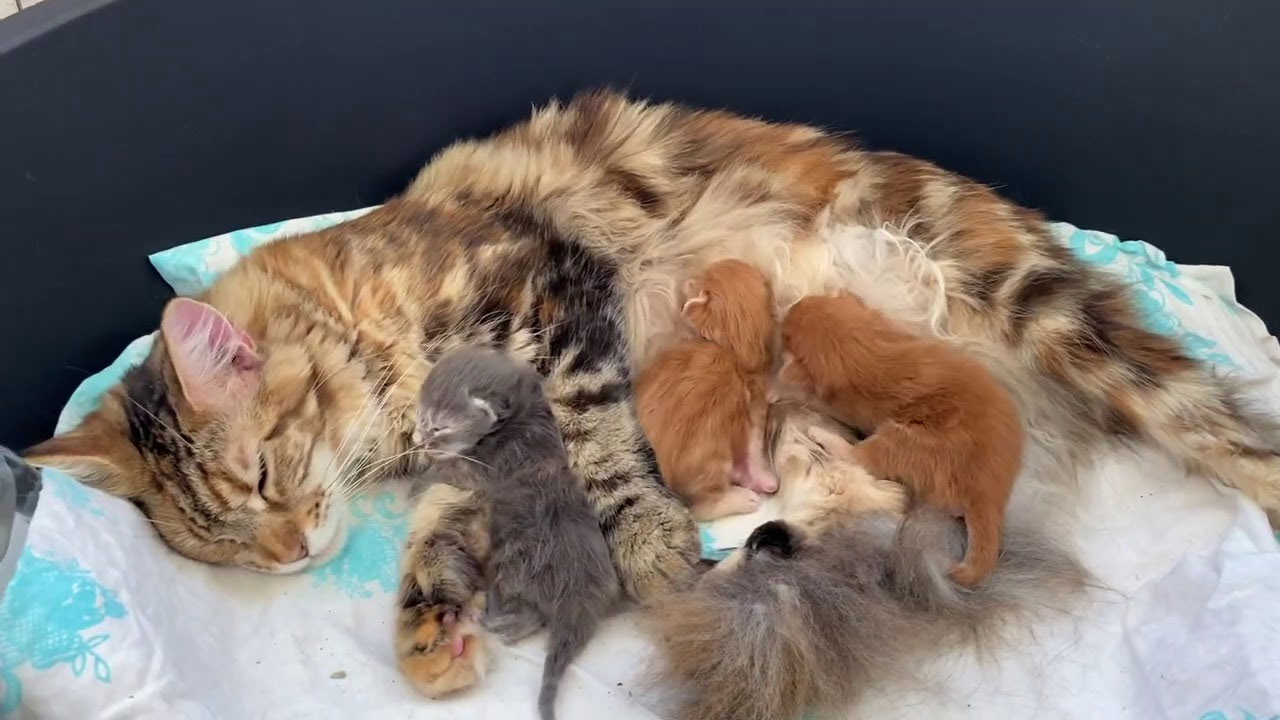
What to feed a cat after giving birth?
If your cat has previously been fed both dry and wet food, it's best to choose wet food "for nursing cats" for the first feeding, as it's more easily digestible and provides adequate nutrition and moisture.
If your cat refuses new food, you can offer it its usual dry food without changing its diet at first, gradually introducing the necessary supplements for the feeding period.
For animals that were on a natural diet, the menu for the first day after the kittens are born may include:
- lean meat (turkey, chicken, beef);
- fish (sea, after heat treatment);
- low-fat meat broth;
- dairy and fermented milk products to replenish calcium deficiency (primarily milk, low-fat cottage cheese and sour cream);
- boiled eggs;
- vegetables;
- porridge (rice or buckwheat).
A veterinarian should recommend exactly what to feed a nursing cat on the first day after giving birth, taking into account the individual characteristics of the animal, its diet during pregnancy, the number of kittens, and its condition in the afterbirth period.
It's not uncommon for a cat to refuse food for 24 hours after giving birth. Owners should monitor the mother cat's condition. It's normal for the animal to consume the placenta. This shouldn't be prevented, as the nutrients it contains play an important role in the cat's recovery and energy replenishment.
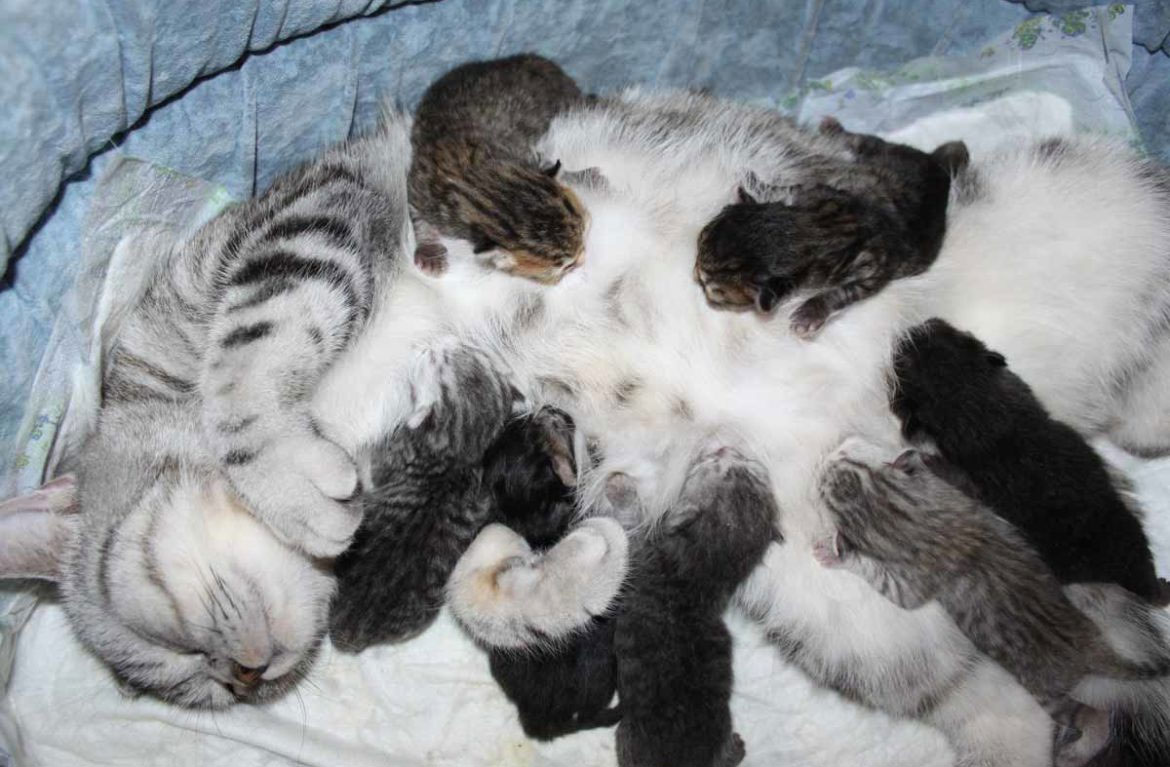
One of the dangers of the postpartum period is a sharp drop in calcium levels (eclampsia). If the cat refuses to eat and exhibits other symptoms (fever, depression, rapid breathing, seizures, or loss of appetite), it is necessary to immediately take the animal to the veterinarian for emergency care.
Diet for a nursing cat
During the first three days after birth, a mother produces colostrum, which is highly nutritious and contains many antibodies that help build strong immunity in her babies. Colostrum is produced in smaller quantities and is visually distinct from milk. Don't worry, the babies receive plenty of this nutrition during the first 24 hours after birth.
Providing kittens with colostrum is vital for the normal functioning of their digestive system and the development of a strong immune system.
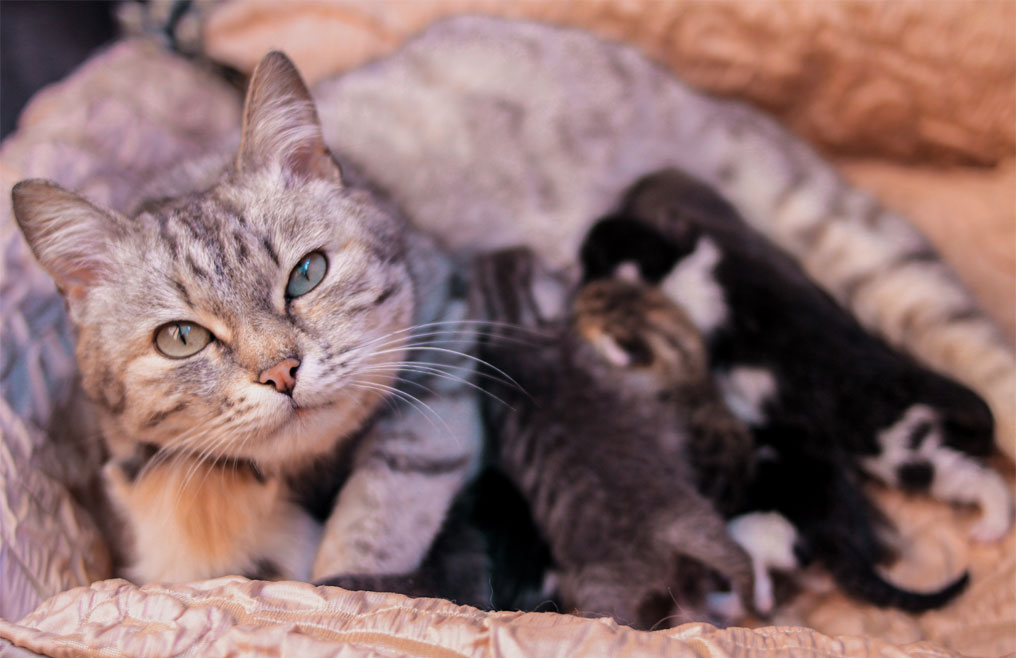
Around day 3-4, the cat begins to produce real milk, which is visually similar to cow's milk, but contains much more fat (10.9%) and protein (11.1%).
The lactation period in cats lasts 4-6 weeks (sometimes up to 2 months). The mother usually stops nursing when the kittens begin to develop baby teeth.
During the first 20-25 days, the amount of milk produced by the glands increases, and then gradually begins to decrease.
A nursing cat's diet should be tailored to the number of kittens and the quality of lactation. If you're experiencing this challenging period with your pet for the first time and aren't sure how to feed her properly to avoid harm, it's best to choose a high-quality, specialized food (many manufacturers offer special diets for lactating cats). Balancing a natural diet during the first month after the kittens arrive is much more challenging, as both mother and kittens need to receive adequate amounts of vitamins and minerals (especially calcium).
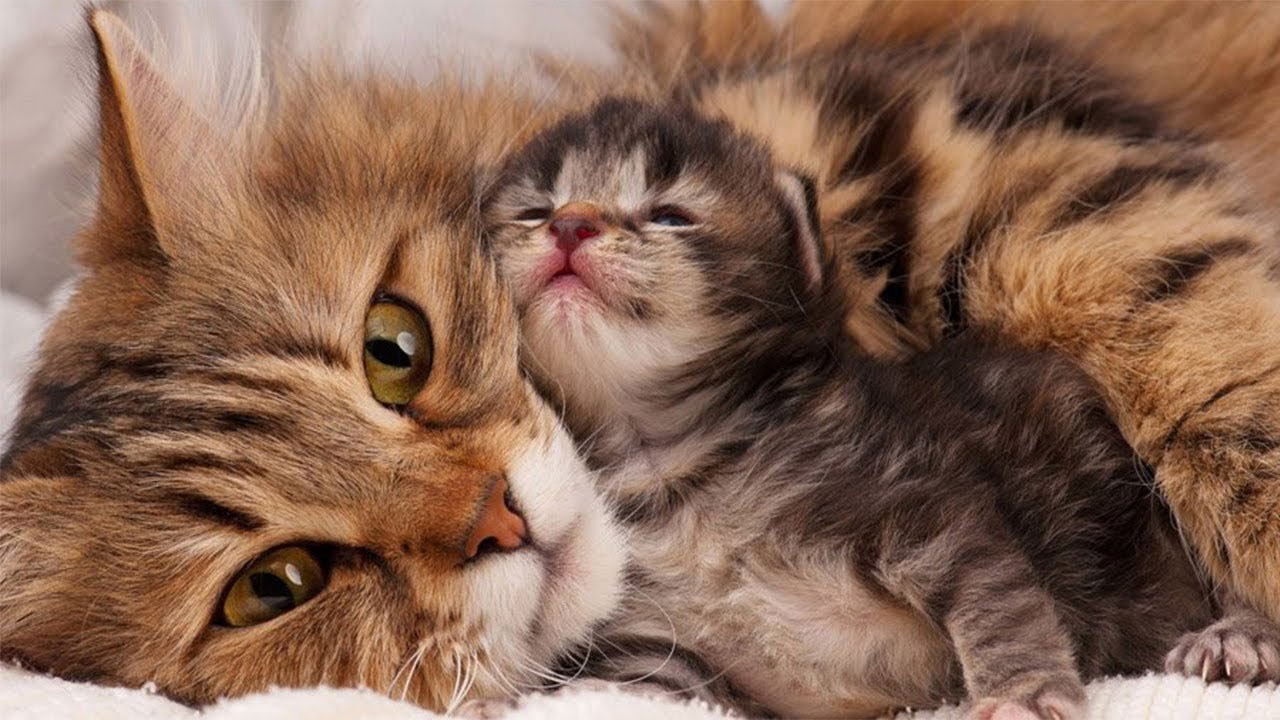
A mother cat's diet should include as much liquid food as possible to increase milk production:
- milk, sour cream, fermented baked milk;
- soups and broths;
- vitamins and mineral supplements (as recommended by your veterinarian).
It's important to strictly control the amount of vitamins given to cats and kittens, as giving them more than they need of seemingly beneficial supplements can create a surplus and harm their health.
It's also important to ensure your cat doesn't gain too much weight with the improved diet, as excess weight can lead to a number of related illnesses.
Constipation may occur in cats during lactation. To overcome this problem, veterinarians recommend:
- increase the amount of liquid food;
- adjust the menu by adding fermented milk products;
- resort to medication (if dietary adjustments do not produce results).
How to improve lactation
Are the kittens getting enough milk? How do you know if they're getting enough? What should you feed your cat to ensure she has enough milk for her kittens? New mothers have a lot of questions.
Hungry kittens will fuss and squeal constantly, whereas with sufficient lactation, the babies, having eaten their fill, usually sleep soundly between feedings.
The easiest way to ensure kittens are getting enough milk is to weigh them regularly. On average, kittens of standard-sized breeds should steadily gain 10-15 grams per day (70-100 grams per week). This gain should be at least 7 grams per day. Weight loss is a worrying sign for kittens in the first month of life!
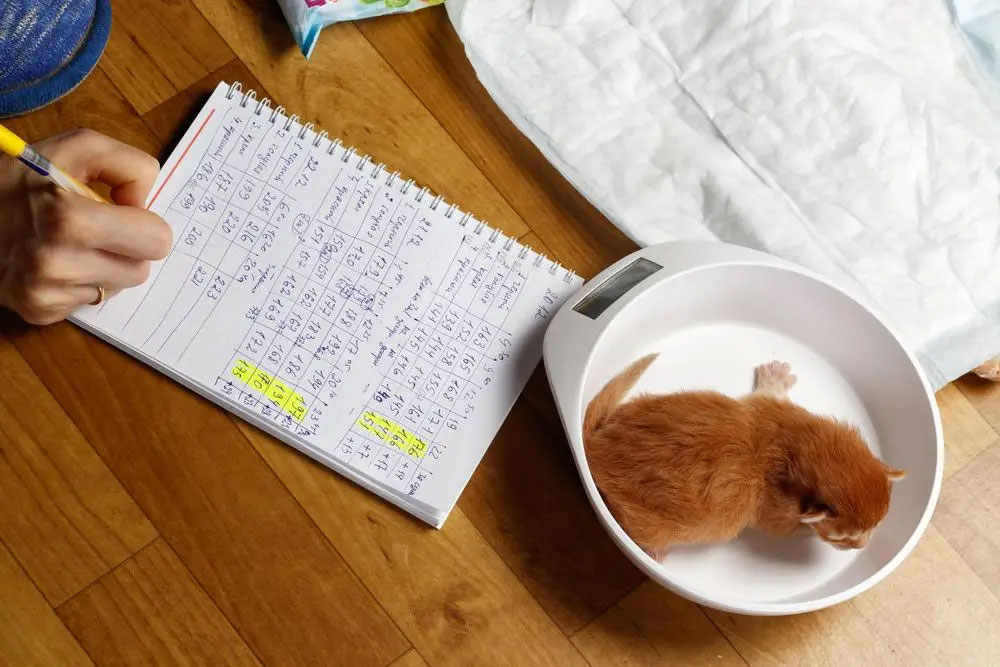
Babies are usually weighed once a day, but if you suspect that your milk supply is low, you can arrange for a control weighing before and after feeding.
Lactation problems can occur for various reasons, so recommendations should be given by the veterinarian who observed the animal during pregnancy.
Various methods are used to increase milk production:
- increasing the amount of liquid in the cat's diet;
- introducing decoctions of medicinal herbs (lemon balm, oregano, anise) into the diet;
- drugs to increase lactation (Cerucal, Lactolife, Apilak, etc.).
It is important to monitor the mother's condition, as excess milk can also be dangerous and lead to stagnation and the development of mastitis.
What should a nursing cat not eat?
During lactation, it is strictly not recommended to feed cats foods that can cause gastrointestinal problems, uncontrolled weight gain, or allergic reactions in kittens.
The list of prohibited items:
- flour products (bread, buns, any dough);
- sweet;
- spicy and salty foods;
- any food products with herbs and spices;
- smoked meats (sausages);
- human canned food;
- raw meat and fish;
- fatty meats (pork, lamb);
- potato;
- legumes;
- grapes, raisins;
- avocado.
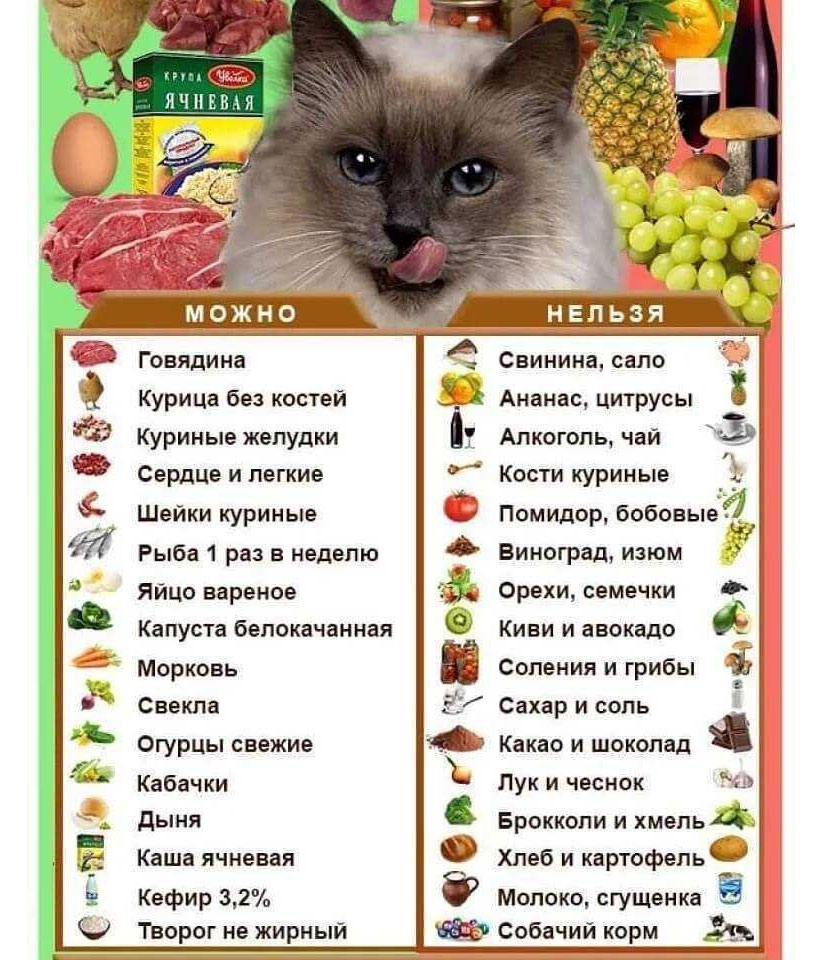
It is best to keep your cat on a standard, balanced diet, without offering exotic new treats from the owner's table or new treats from the pet store.
Read also:




Add a comment