
What to feed a Yorkshire Terrier at home
Continuing the topic of caring for small and toy breeds, today we'll discuss what to feed a Yorkshire Terrier at home, what breed characteristics should be considered when formulating a diet, what natural foods can be fed, and how to choose the best dry food for your dog's age.
Content
Breed characteristics
The Yorkshire Terrier is a small, artificially bred toy dog with a luxurious, long coat, the quality of which depends largely on the animal's diet. Therefore, it is especially important for Yorkie owners to know how to properly feed their pet at home and how to create a balanced diet that meets their basic needs.
|
Breed |
|
|
Weight |
micro – up to 1.5 kg mini 1.5-2.1 kg standard 2.3-3.2 kg |
|
Height at withers |
not limited by standards on average 15-17 cm |
|
Life expectancy |
12-15 years old |

When choosing food for a Yorkshire Terrier, it is important to remember the following breed characteristics:
- the dog's low weight, which is why even a small amount of the "wrong" food can lead to serious health consequences;
- the influence of diet and health on the quality of wool;
- The miniature representatives of this breed have a faster metabolism, which is why long breaks between meals can cause sharp fluctuations in blood glucose levels;
- predisposition to diseases of the gastrointestinal tract and pancreas;
- high probability of dental problems at a young age;
- predisposition to allergies (most often to chicken meat);
- The extremely negative impact of extra pounds on the musculoskeletal and cardiovascular systems.
Veterinarians and breeders note a clear correlation between a dog's size and the likelihood of developing health problems to which Yorkshire Terriers are predisposed. In other words, the smaller the dog, the more carefully and thoughtfully it must be prepared, and the more important it is to strictly follow food recommendations.
Diet selection
When searching for an answer to the question of what to feed a Yorkshire Terrier at home, novice owners will need to analyze three main types of diets.
Natural nutrition
At first glance, feeding your dog natural food at home seems like the right decision, as your pet will receive fresh, high-quality food.
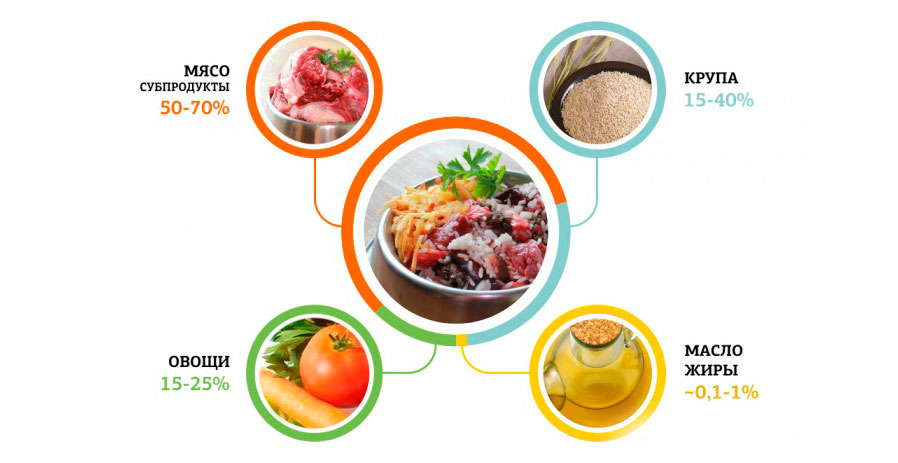
But in practice, owners who choose this type of feeding face a number of difficulties:
- quality of products (any preservatives, colorings, hormonal drugs and other additives found in human products have an extremely negative impact on the health of a small Yorkie);
- portion size (exceeding the calorie intake per feeding can easily lead to obesity in a dog);
- storing food (it’s difficult to prepare a mini-portion for 1-2 times, and food prepared “for future use” quickly spoils);
- feeding while traveling (messing around with natural food while traveling is extremely problematic).
In other words, when answering the question of whether it is better to feed a Yorkie natural or dry food, the first option should be chosen only if you can create a well-balanced natural diet.
What you shouldn't feed a Yorkie
The list of prohibited foods is the same for dogs of all breeds, but due to the small size of the dog, these restrictions are especially relevant for the Yorkshire Terrier.
Never offer your pet:
- food from the table (salt, spices, and preservatives found in human food are dangerous for dogs);
- sweets and pastries (a fat York is a sick York);
- chocolate and candy (the components contained in chocolate are toxic to dogs);
- smoked meat and fish (gastrointestinal upset is simply guaranteed);
- canned food (except for special ones presented in pet food lines);
- fatty aged cheese (may cause severe upset stomach);
- raw fish (may cause helminthiasis);
- fatty meats (pork);
- nuts (we talked about whether dogs can eat nuts earlier);
- grapes and raisins.

What kind of human food can you give a Yorkie occasionally?
- boiled or oven-dried lean meat;
- fresh vegetables (carrots, cucumbers);
- cereals (preferably buckwheat or rice);
- low-fat varieties of hard cheese (as a treat);
- cottage cheese and fermented milk products (kefir, low-fat sour cream);
- biscuit cookies.
Feeding schedule
You can determine how many times a day you should feed a Yorkshire Terrier based on your pet's age and weight.
Mini and micro Yorkies are fed more frequently due to their metabolic characteristics. Even as adults, these Yorkies often need to eat three times a day.
|
Age of the dog |
Number of feedings per day |
|
|
standard |
mini and micro |
|
|
1 month |
6 |
7 |
|
2 months |
5-6 |
6-7 |
|
3 months |
5 |
6 |
|
4 months |
4-5 |
5-6 |
|
5 months |
3-4 |
4-5 |
|
6 months |
3 |
4 |
|
7 months |
2-3 |
3-4 |
|
from 8 months onwards |
2 |
3 |
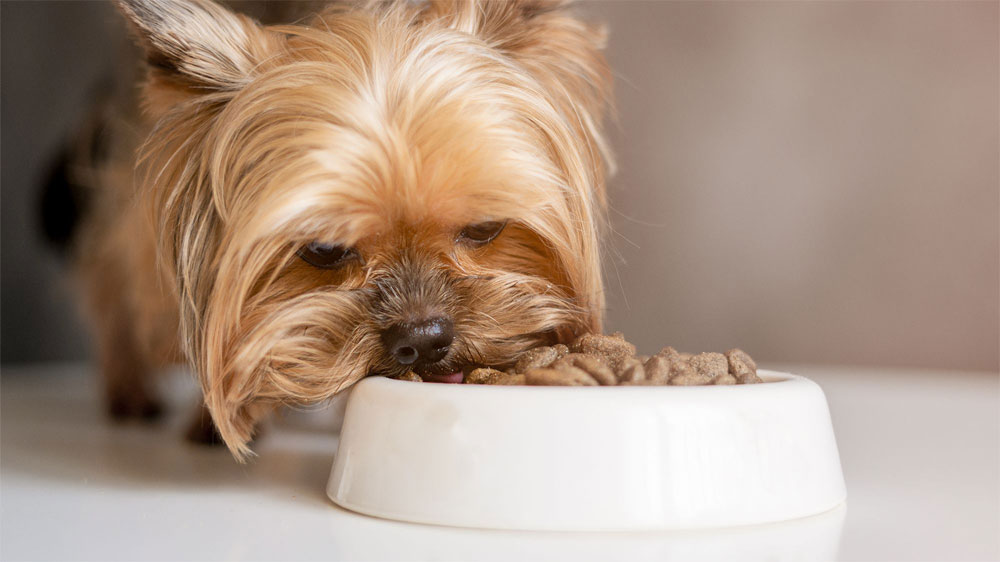
At certain periods of life, the number of feedings can be increased:
- during the recovery period after illness;
- after birth and during the period of feeding puppies;
- under high physical exertion.
For many gastrointestinal diseases, it is recommended to increase the number of meals to 5 times a day with a proportional reduction in the food portion.
Age-related dietary features
The owner will have to reassess the question of what to feed a Yorkie repeatedly throughout the pet's life, adjusting the diet for a short period (a week or 1-2 months), or switching the dog to a new food, taking into account its weight, calorie needs, and health status.
Important! Always transition your dog to a new food gradually (except when a veterinary diet is prescribed for medical reasons).
Puppy nutrition
There is no single answer to the question of which food is best for a puppy, because each animal is individual, with its own digestive characteristics and taste preferences.
The main rule for a new owner is to feed a puppy just adopted as recommended by the breeder!
It doesn't matter whether you agree with the feeding guidelines outlined above. During the adaptation period (2-4 weeks), the puppy should be fed the food it's accustomed to. Only after the puppy has become accustomed to its new environment can you choose a more suitable diet, after consulting with your veterinarian.
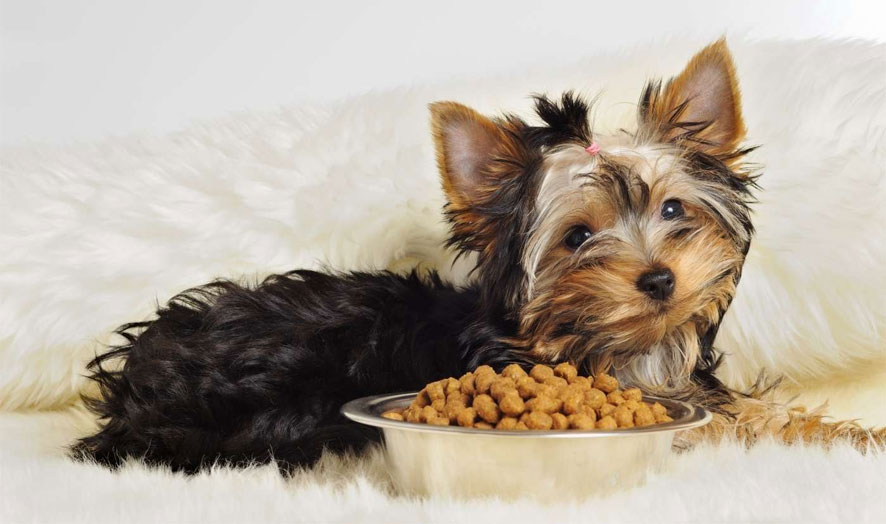
The main indicators that the puppy is receiving the required amount of nutrients and vitamins are:
- gradual weight gain;
- wool quality;
- activity level.
Nutrition for sterilized dogs
Neutering and spaying are the best choice for owners of small dogs, as well as Yorkies, who for a number of other reasons cannot be allowed to breed.
While neutering can address a range of behavioral and health issues, it also increases the risk of obesity in dogs. Therefore, owners should ensure their pet's diet is lower in calories than before the surgery. The easiest way to do this is by switching the dog to a special line of commercial dry food.
Nutrition during pregnancy and lactation
Important! Mini and micro Yorkie females cannot be used for breeding!
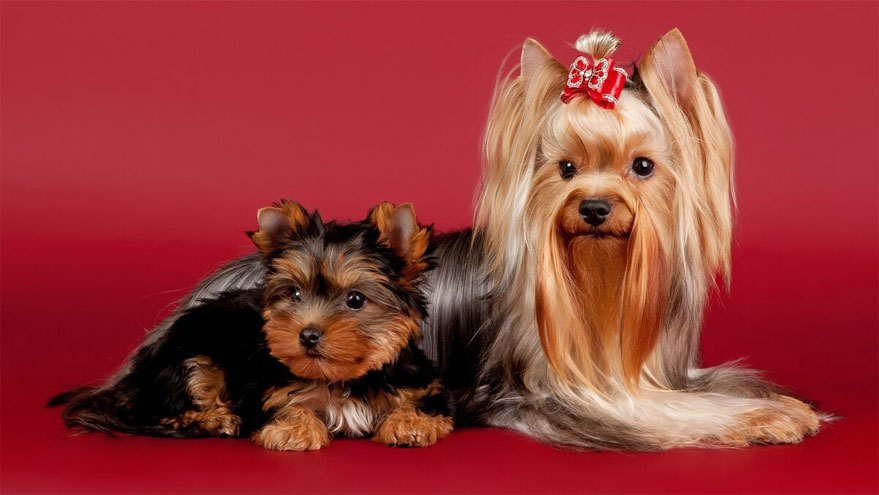
Shortly before whelping and during the nursing period, the dog is switched to a more calorie-rich and nutritious puppy food or specialized diets. Insufficient nutrition or an unbalanced diet during this period can seriously impact the health of the mother and puppies.
Nutrition for allergy sufferers
Numerous owner reviews indicate that Yorkies have a very high percentage of dogs suffering from food allergies, which manifest as rashes and redness on the skin, excessive tearing, and can also affect the quality of the coat and cause very unpleasant sensations for the animal itself.
Hypoallergenic veterinary diets often help solve this problem. These foods are available from both domestic manufacturers (Royal Canin) and many popular international brands.
Nutrition for older dogs
Dogs are generally considered senior when they reach the age of 8 years. It is during this period that the animal's body begins to undergo aging processes, which can be associated with a wide variety of diseases and conditions.
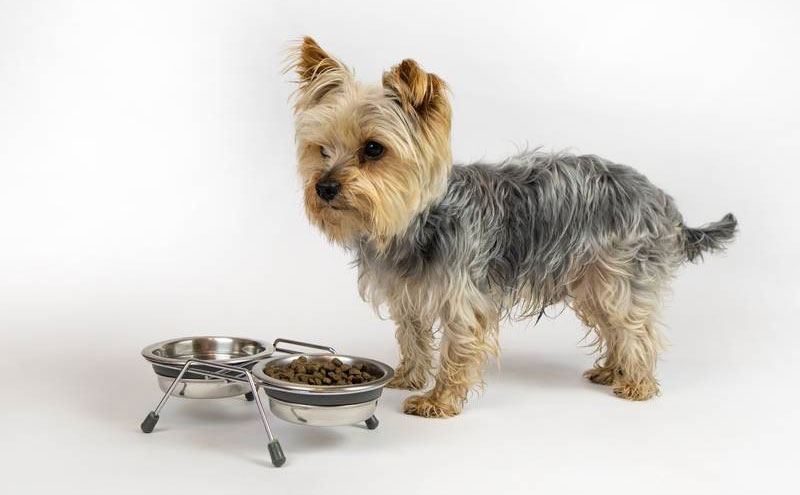
Senior dog food contains highly digestible ingredients and higher fiber content. These diets are lower in calories, as dogs' activity levels decline significantly with age.
Yorkshire Terrier Food Manufacturers Ranking
Monge
 Specifications:
- category – super-premium;
- country - Italy;
- peculiarities – there are dietary, hypoallergenic and gluten-free lines, as well as wet food;
- puppy food – from 1 month;
- palette of flavors – 10 positions.
Read more about stern of Monge.
Brit
 Specifications:
- category – super-premium;
- country – Czech Republic;
- peculiarities – there are also wet foods and veterinary diets;
- puppy food – from 1 month;
- palette of flavors – 6 positions.
Read more about Brit stern.
Farmina N&D
 Specifications:
- category – super-premium;
- country – Italy, Brazil, Serbia;
- peculiarities – there are also wet foods and veterinary diets;
- puppy food – from 1 month;
- palette of flavors – 8 positions.
Read more about Farmina N&D feed.
Purina Pro Plan
 Specifications:
- category – premium;
- country – Italy, France, Russia;
- peculiarities – there are also wet foods and veterinary diets;
- puppy food – from 1 month;
- palette of flavors – 3 positions.
Read more about Purina Pro Plan food.
Royal Canin
 Specifications:
- category – premium;
- country - Russia;
- peculiarities – the line includes wet food and veterinary diets;
- puppy food – from 1 month;
- palette of flavors - only chicken!
Read more about Royal Canin food.
Hill's
 Specifications:
- category – super-premium;
- country – Netherlands, Czech Republic;
- peculiarities – the line also includes pates and stews;
- puppy food – from 1 month;
- palette of flavors – 4 positions.
Read more about stern Hills.
Nature's Protection
 Specifications:
- category – super-premium;
- country - Russia;
- peculiarities – the line also includes canned food and special food for white dogs;
- puppy food – from 2 months;
- palette of flavors – 3 positions.
Read more about Nature's Protection food.
1st Choice
 Specifications:
- category – super-premium;
- country – Canada, Italy, China;
- peculiarities – the line also includes special foods, including for white dogs;
- puppy food – from 2 months;
- palette of flavors – 3 positions.
Read more about stern 1st Choice.
Grandorf
 Specifications:
- category – super-premium, holistic;
- country – Belgium, Italy;
- peculiarities – the line also includes wet food and special feeds (including grain-free ones);
- puppy food – from 2 months;
- palette of flavors – 4 positions.
Read more about stern of Grandorf.
Profine
 Specifications:
- category – super-premium;
- country – Canada, Italy, China;
- peculiarities – the line also includes special foods, including for white dogs;
- puppy food – from 2 months;
- palette of flavors – 3 positions.
Read more about Profine's stern.
Veterinarian's advice
Read also:




Add a comment