
What to feed a Doberman at home
At home, you can feed your Doberman homemade natural food or professional formulas. For puppies and adult dogs, you should choose specialized foods that provide a complete diet and are formulated with the breed's digestive needs in mind. To avoid health problems, it's best to choose food recommended by a veterinarian.
Content
Digestive characteristics of the breed
Large dogs like Dobermans are prone to gastrointestinal problems, such as intestinal volvulus (volvulus) or intestinal dilatation (volvulus) due to excessive flatulence. High physical activity and excessive water and food consumption at one time also put significant strain on the gastrointestinal tract. Inappropriate feeding frequency and volume can sometimes lead to a sharp deterioration in the pet's condition, requiring surgical intervention. To avoid problems, it's best to train your dog to a specific schedule, avoid overfeeding, and avoid vigorous play after meals.
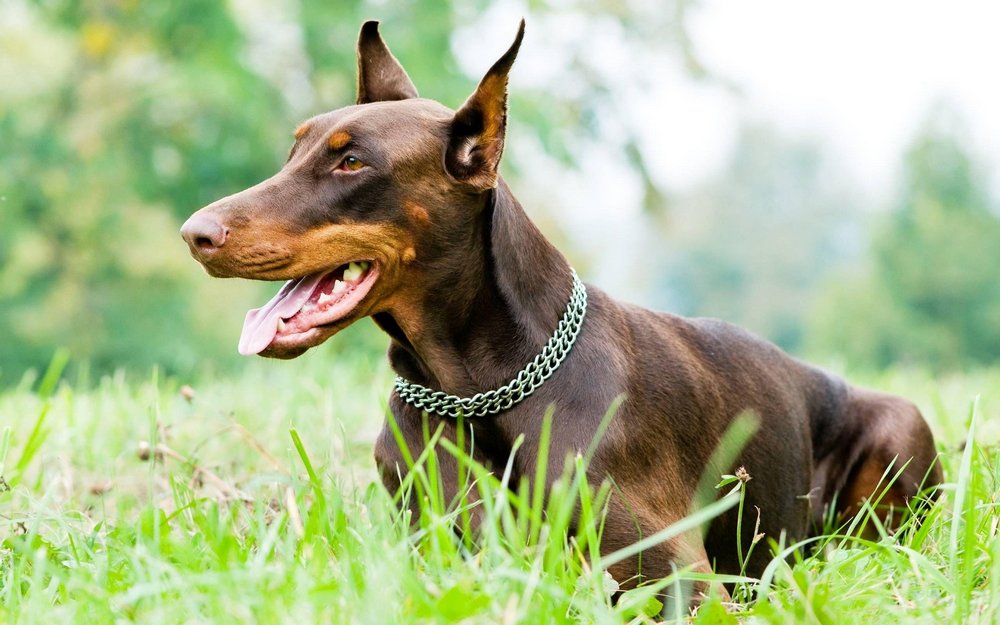
Careful monitoring of diet is essential. It's essential to use foods with nutrients that will help overcome the breed's inherent high sensitivities. Nutrition is selected based on age, individual body characteristics, and veterinarian recommendations.
Selecting a feeding type
There are several ways to feed a dog at home: with ready-made formulas purchased at a pet store or with natural foods. If the owner prefers to prepare their own daily diet, consider the following:
- The menu should include lean poultry and meat. It's best to consult a veterinary nutritionist for recommendations.
- It is allowed to use oat flakes, rice and buckwheat.
- Vegetables should contain a minimum of starch - broccoli, carrots, cauliflower, zucchini, greens.
- You can occasionally treat your dog to pieces of apple.
Vitamin and mineral complexes appropriate to the pet's age category must be included in the diet.
Prepared food has a number of advantages:
- The owner saves time.
- The risk of weight gain is reduced—the dry food instructions recommend the amount of pellets to be fed at one time. The total number of grams is simply divided by the number of meals.
- You can choose specialized types for puppies, adults, neutered dogs and spayed bitches, and for pets with highly sensitive gastrointestinal tracts.
- The composition is balanced: the animal receives the required amount of protein, fat, carbohydrates, minerals, and vitamins.
It's best to buy products from a reputable premium brand that specializes in large-breed food. When determining the amount of food and its calorie content, it's important to consider not only the basic ingredients but also all the treats your Doberman receives throughout the day.
How to feed Doberman puppies
A proper diet must be provided from the first days of life. Otherwise, the body will experience a deficiency in the components necessary for normal development. It's important to adhere to a specific schedule to avoid problems with eating behavior later on. Tips for optimal feeding are provided in the table:
|
Age (in months) |
Type of feed |
Nuances |
|
0-1 |
Mother's milk |
It is easily digestible, helps in weight gain, contains all the ingredients beneficial for the baby, and provides good immunity. |
|
1-2 |
Soft, moist |
A preferred variety is the "Starter" which continues to support immune protection and is an intermediate option between breast milk and solid granules. |
|
2-4 |
Specialized products for babies over 2 months old |
It's time to move to the new owner's home. It's best to use the same food the puppy received from the breeder. When changing food, make the transition gradually—a sudden change will increase separation stress. |
|
4-7 |
Specialized |
The active growth phase is accompanied by strengthening of the skeletal and muscular support. It is necessary to choose dry kibble with a balanced composition, adjust the feeding volume and the number of meals. |
|
From 8 to 1 year |
High quality dry |
A slow development phase during which the growing Doberman continues to be fed puppy food |
|
15 months |
High-quality dry food for adult pets |
The growth phase is complete, and the dog can be transitioned to an adult diet. By this time, feeding habits should be fully established, and the number and volume of meals should be established. |
If for some reason the mother is unable to nurse the puppy on her own during the first couple of months, cow's milk or special dog formulas can be used instead of natural milk. Goat's milk is not recommended due to its high fat content.

Optimal schedule
Typically, an adult pet eats twice a day, while young animals are offered more frequently. What is the recommended feeding schedule for a healthy pet?
|
Age |
Number of feedings per day |
|
1-2 months |
6-8 |
|
3-4 months, lactating, pregnant |
5-6 |
|
5-8 months |
3-4 |
|
9-15 months |
3 |
|
Up to 8 years |
2 |
|
Older |
2-3 |
Nutritional dependence on the individual's characteristics
Chronic illnesses, pregnancy, nursing puppies, and other issues require temporary or permanent adjustments to the diet and feeding schedule. Ensuring adequate water intake is also important. An adult dog normally requires 50-70 ml of fluid per 1 kg of body weight.
Sterilization or castration
Loss of sexual function is accompanied by decreased activity, so maintaining the same schedule can lead to obesity. It's best to use a specialized food with kibble that's lower in calories.
Obesity
Excessive weight gain leads to the development of chronic pathologies. This problem can be prevented by following a diet high in fiber and low in fat. L-carnitine supplementation can help normalize weight.
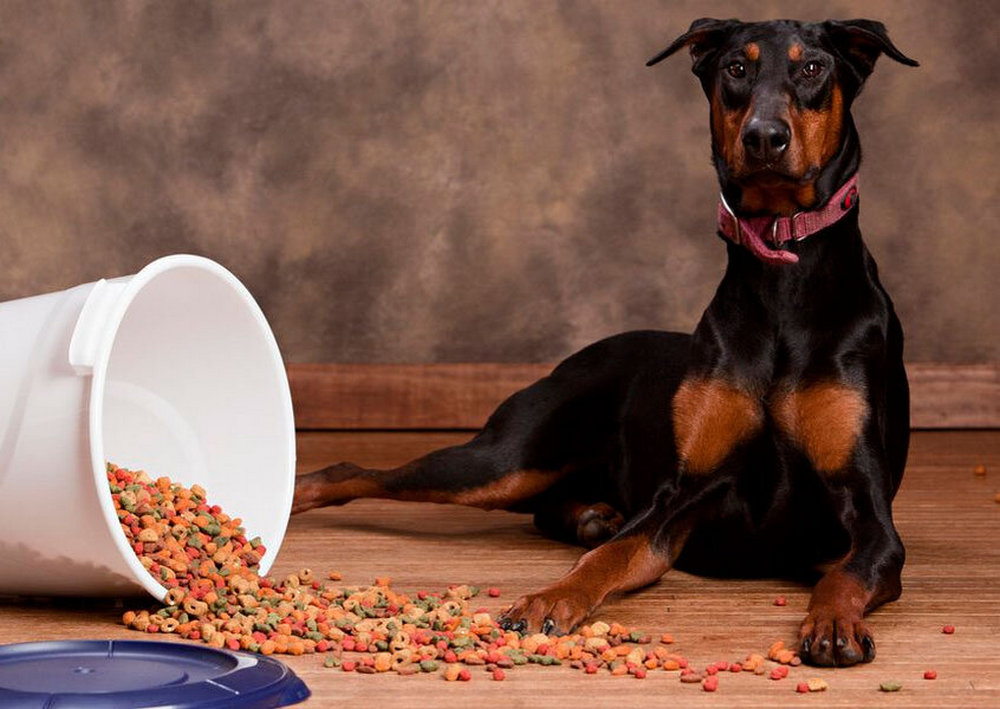
High joint sensitivity
Like all large and active breeds, Dobermans often suffer from cartilaginous ligament and joint problems, leading to inflammation in certain areas of the musculoskeletal system. To prevent these health problems, supplementing their diet with chondroprotectors and polyphenols is recommended.
Age group
A Doberman over 8 years of age is considered senior and requires a special approach to feeding. Food should be easily digestible and contain sufficient protein without adding calories. It's helpful to use formulas that support healthy joints and coat.
Pregnancy and breastfeeding
Starting in the second half of pregnancy and while nursing, the pet's feeding schedule is adjusted, offering food up to 4-5 times a day. The food should be high in calories. It is preferable to feed a special line of products for pregnant and nursing mothers.
Allergy
Once the diagnosis is confirmed, the veterinarian determines the specific food that is causing the allergy. It should be eliminated from the diet if the animal is fed homemade food. A Doberman eating commercial food should be switched to hypoallergenic varieties with a reduced protein content. These varieties typically contain more Omega-3 to improve the condition of the coat and skin.
Diabetes
The owner's primary goal is to maintain blood glucose levels and prevent sudden spikes in blood glucose levels. Specialized feeds and diets are available that limit starchy foods and increase protein levels to prevent obesity and strengthen muscle tissue.
Renal failure
In cases of chronic kidney disease, high-phosphorus and protein foods are eliminated from the diet. A menu recommended by a veterinary nutritionist will prevent weight loss associated with the disease and improve appetite. Food should be high in calories and have an appealing aroma.
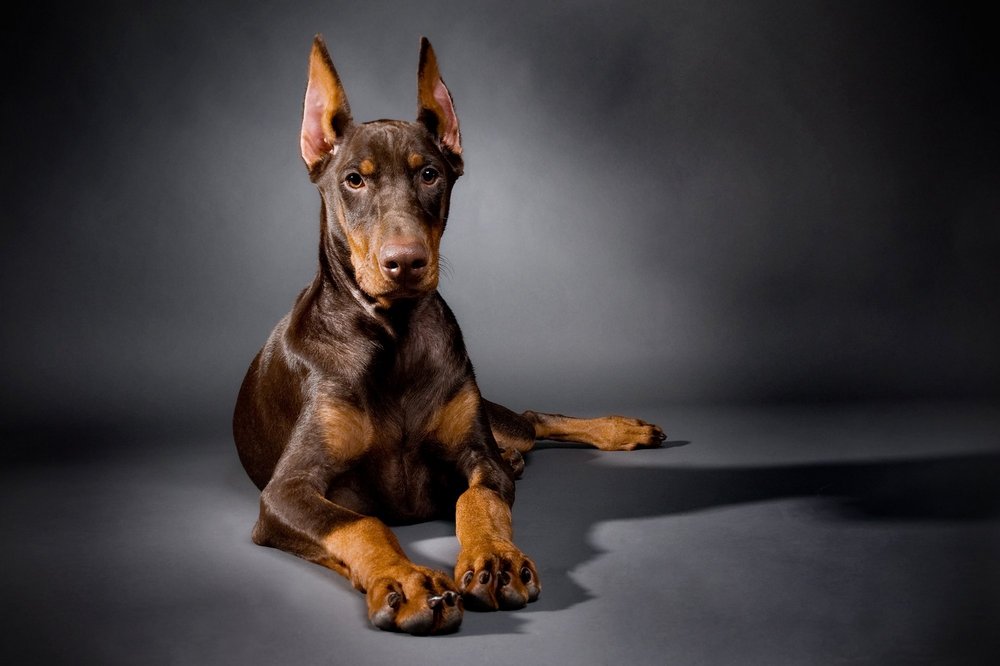
The best feeds
The Top includes formulations that have received positive reviews from veterinarians and breeders:
- Royal Canin. Suitable for use from 15 months. This complete diet supports musculoskeletal health. Thanks to its special flavor formula, even picky pets enjoy eating Royal Canin. Packages contain 3 and 15 kg. The average price per kg is 700-800 rubles.
- Eukanuba. This complete, balanced formula is designed for pets aged 1 year and older. It supports healthy muscles and joints thanks to chondroitin sulfate and glucosamine. The 3D Denta Defense formula effectively removes tartar. Available in 3 and 15 kg packages. Eukanuba costs between 400 and 500 rubles per kg.
- PERFECT FIT. Recommended for ages 1 year and up. Complete nutrition, it supports joint health and high activity levels, contains easily digestible proteins and a vitamin complex. Available in 1.4, 2.6, and 14.5 kg packages. Price per kg: approximately 300 rubles.
- PEDIGREE. Designed for pets with healthy health. Contains optimal calcium content and a complex of ingredients for good digestion. Price per kg: 230–250 rubles. Standard packaging: 15 kg.
Proper nutrition is essential when feeding a Doberman to protect your pet from potential health problems. A complete, balanced diet will help prevent the risk of chronic diseases in adult dogs and strengthen the immune system and musculoskeletal system in puppies.
Read also:
- What to feed a Yorkshire Terrier at home
- What to feed a Chihuahua at home
- What to feed a French bulldog



Add a comment