
What to feed a Chihuahua at home
Chihuahuas are among the most compact toy dogs, and this breed characteristic is both a major advantage and a source of numerous challenges for new owners of these adorable little creatures. In this article, we'll delve into the digestive tract of small breed dogs, explain what you can feed a Chihuahua at home, and how to choose high-quality food that will fully satisfy their needs.
Content
- 1 Digestive characteristics of small and dwarf dogs
- 2 Type of nutrition (choosing a diet)
- 3 Rating of small breed food manufacturers
- 4 Changes in a Chihuahua's Diet Throughout Life
- 5 Top 10 Chihuahua Feeding Questions
- 5.1 1. Can Chihuahuas be fed only dry food?
- 5.2 2. Is it possible to mix natural and dry food?
- 5.3 3. Do dogs need vitamins?
- 5.4 4. Is it possible to suddenly switch a dog to a new food?
- 5.5 5. Is it possible to switch an adult dog from dry food to natural food or vice versa?
- 5.6 6. What to feed puppies up to 1 month?
- 5.7 7. Why can't dogs eat food from the table?
- 5.8 8. How much natural food should a dog eat per day?
- 5.9 9. How much dry food should a dog eat per day?
- 5.10 10. How can you tell if your dog is undernourished?
Digestive characteristics of small and dwarf dogs
Chihuahuas are active little creatures who desperately need high-energy, easily digestible food, so their food must be selected with particular care.
Although the standard indicates a recommended weight for an adult animal within the range of 1.5-3 kg, mini (1-1.5 kg) and super mini (0.5-1 kg) sized Chihuahuas are also common.

The smaller a dog's weight, the more difficult it is to provide it with proper nutrition, as micro dogs have a much faster metabolism than their standard-sized counterparts, meaning:
- the frequency of feeding for "mini" dogs should be higher (even an adult dog needs to be fed 3-4 times a day);
- the small portion size must be compensated by the high nutritional value of the food;
- Even a small piece of potentially dangerous food can lead to irreparable consequences.

An improperly formulated diet, as well as failure to follow recommended feeding standards, can cause serious health problems in your dog, such as:
- disorders of the pancreas and pancreatitis;
- obesity, leading to a wide range of associated diseases, including diabetes and diseases of the musculoskeletal system;
- food allergies, the manifestations of which may include watery eyes, skin rash, redness or peeling of the skin, itching of varying intensity and location.
To avoid these and many other problems associated with Chihuahuas' sensitive digestion, it's important not only to choose the right first food for puppies, but also to make timely adjustments to their diet throughout their life, taking into account their activity level and health.
Type of nutrition (choosing a diet)
If you ask different breeders and veterinarians what they recommend feeding Chihuahuas at home, you'll hear radically different opinions, as even professionals have different diets.
Possible options include:
- Natural nutritionFeeding your dog natural food doesn't mean sharing your table scraps with them! Natural food is more difficult to properly balance, especially given the breed's small size.
- Raw food dietThis diet is based on raw, frozen meat and fresh vegetables. It's suitable for those who can guarantee their pet high-quality meat without ingredients that are potentially dangerous if not cooked.
- Ready-to-use industrial feedsWet and dry food, including super-premium varieties, contain all the vitamins and minerals your dog needs in optimal proportions. Ideal for owners who frequently travel with their pets or want to use an automatic feeder.
Prohibited foods
Regardless of what type of feeding you choose, you should absolutely not give your pets:
- chocolate, candies and other sweets;
- rich dough and sweet cookies;
- spicy and salty dishes from your table;
- canned food prepared for people;
- smoked meat and fish;
- sausages and hot dogs;
- fatty aged varieties of hard cheeses;
- raw fish;
- fatty meats (pork, lamb);
- grapes (including raisins).
Remember that given the small weight of a dog like a Chihuahua, even a small amount of prohibited foods can cause major digestive problems or severe poisoning.
Natural nutrition
Natural food is prepared specifically for dogs, without salt, excess fat, spices, or products containing preservatives or colorings!
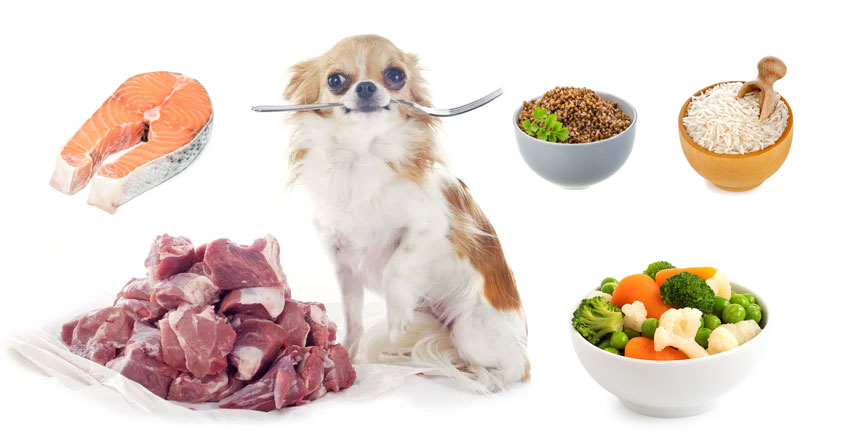
Meat should be the foundation of a small dog's natural diet. A young, active dog should consume 70 to 80% of their diet from meat, but as they age, up to 10% of the meat can be replaced with fiber.
When choosing what to feed a Chihuahua, it is worth giving preference to lean and dietary types of meat:
- chicken;
- turkey;
- veal;
- beef;
- rabbit meat.
At least half of the meat component should be allocated to muscle fibers, but it is also permissible to introduce heat-treated offal (liver, heart, etc.) into the dog’s diet.
Lean seafood is also beneficial for dogs, including pollock, hake, cod, and others. Fish is usually fed 1-2 times a week. If your dog doesn't like the taste of fish, you can simply introduce it into their diet. fish oil or other supplements that will replenish the need for fatty acids and omega-3.
Integral elements of daily feeding of small breed dogs at home also include:
- PorridgeThe best choice is rice or buckwheat. However, any types of wheat, corn, or legumes are not recommended for dogs.
- Fermented milk products: cottage cheese, yogurt and low-fat sour cream.
- Vegetables: carrots, zucchini, bell peppers, celery, cauliflower, pumpkin, cucumber, turnip.
However, you should not offer the animal potatoes, onions and garlic, tomatoes and eggplants.
For more information on how to balance a natural diet for your dog, watch this video:
Industrial feed
Many breeders and novice owners choose a simpler and more reliable option: feeding their dogs ready-made wet or dry food, developed to meet the needs of the breed and properly balanced in all essential components.
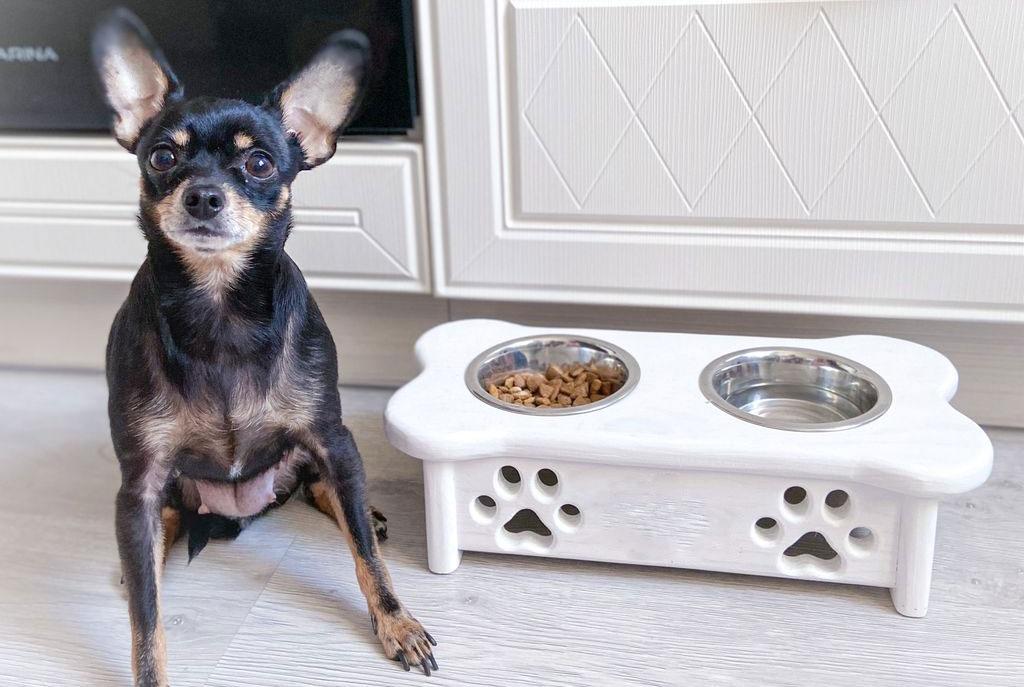
When choosing a ready-made diet for your dog, you should pay attention to the following parameters:
- percentage of meat content;
- quality of the meat component (good manufacturers indicate not only the total percentage, but also the percentage of muscle fiber content);
- type of cereal (ideally there should be no wheat or corn, but there is also a separate type of feed - grain-free);
- absence of preservatives, dyes and other components harmful to the animal’s body;
- variety of flavors (small dogs are gourmets and picky eaters, but veterinarians say it's not a good idea to change food manufacturers too often);
- availability of different types of food: dry granules, pates, portioned pouches, canned food;
- the presence of veterinary diets in the line (this will simplify the transition to special food if your pet suddenly needs it);
- Reviews from owners (it is advisable to look for opinions on forums rather than relying on official websites).
Rating of small breed food manufacturers
Each breeder has their own personal ranking of domestic and foreign manufacturers supplying dry food to the Russian market. Therefore, we won't argue about which Chihuahua food is the best. We'll simply list the 10 highest-quality brands based on the evaluation criteria outlined above.
Monge
 Specifications:
- category – super-premium;
- country - Italy;
- peculiarities – there are dietary, hypoallergenic and gluten-free lines, as well as wet food;
- puppy food – from 1 month;
- palette of flavors – 10 positions.
Read more about stern of Monge.
Brit
 Specifications:
- category – super-premium;
- country – Czech Republic;
- peculiarities – there are also wet foods and veterinary diets;
- puppy food – from 1 month;
- palette of flavors – 6 positions.
Read more about Brit stern.
Farmina N&D
 Specifications:
- category – super-premium;
- country – Italy, Brazil, Serbia;
- peculiarities – there are also wet foods and veterinary diets;
- puppy food – from 1 month;
- palette of flavors – 8 positions.
Read more about Farmina N&D feed.
Purina Pro Plan
 Specifications:
- category – premium;
- country – Italy, France, Russia;
- peculiarities – there are also wet foods and veterinary diets;
- puppy food – from 1 month;
- palette of flavors – 3 positions.
Read more about Purina Pro Plan food.
Royal Canin
 Specifications:
- category – premium;
- country - Russia;
- peculiarities – the line includes wet food and veterinary diets;
- puppy food – from 1 month;
- palette of flavors - only chicken!
Read more about Royal Canin food.
Hill's
 Specifications:
- category – super-premium;
- country – Netherlands, Czech Republic;
- peculiarities – the line also includes pates and stews;
- puppy food – from 1 month;
- palette of flavors – 4 positions.
Read more about stern Hills.
Nature's Protection
 Specifications:
- category – super-premium;
- country - Russia;
- peculiarities – the line also includes canned food and special food for white dogs;
- puppy food – from 2 months;
- palette of flavors – 3 positions.
Read more about Nature's Protection food.
1st Choice
 Specifications:
- category – super-premium;
- country – Canada, Italy, China;
- peculiarities – the line also includes special foods, including for white dogs;
- puppy food – from 2 months;
- palette of flavors – 3 positions.
Read more about stern 1st Choice.
Grandorf
 Specifications:
- category – super-premium, holistic;
- country – Belgium, Italy;
- peculiarities – the line also includes wet food and special feeds (including grain-free ones);
- puppy food – from 2 months;
- palette of flavors – 4 positions.
Read more about stern of Grandorf.
Profine
 Specifications:
- category – super-premium;
- country – Canada, Italy, China;
- peculiarities – the line also includes special foods, including for white dogs;
- puppy food – from 2 months;
- palette of flavors – 3 positions.
Read more about Profine's stern.
Changes in a Chihuahua's Diet Throughout Life
Feeding frequency for puppies gradually decreases (mini and micro dogs should eat more frequently but in smaller portions). Around 8 months of age, dogs are transitioned to an "adult" diet, but it's recommended to switch to "adult" food only after 12 months.
|
Age |
Standard and small standard |
Mini and micro |
|
1-2 months |
5-6 times a day |
6-7 times a day |
|
2-4 months |
5 times a day |
5-6 times a day |
|
4-6 months |
4 times a day |
4-5 times a day |
|
6-8 months |
3 times a day |
4 times a day |
|
after 8 months |
2 times a day |
3-4 times a day |
Feeding puppies
Mother's milk is critical for puppies in the first month of life, helping them develop a strong immune system and a healthy gastrointestinal tract. Puppies should normally continue to nurse until they are 6-8 weeks old, but solid foods can be introduced as early as 3-4 weeks.
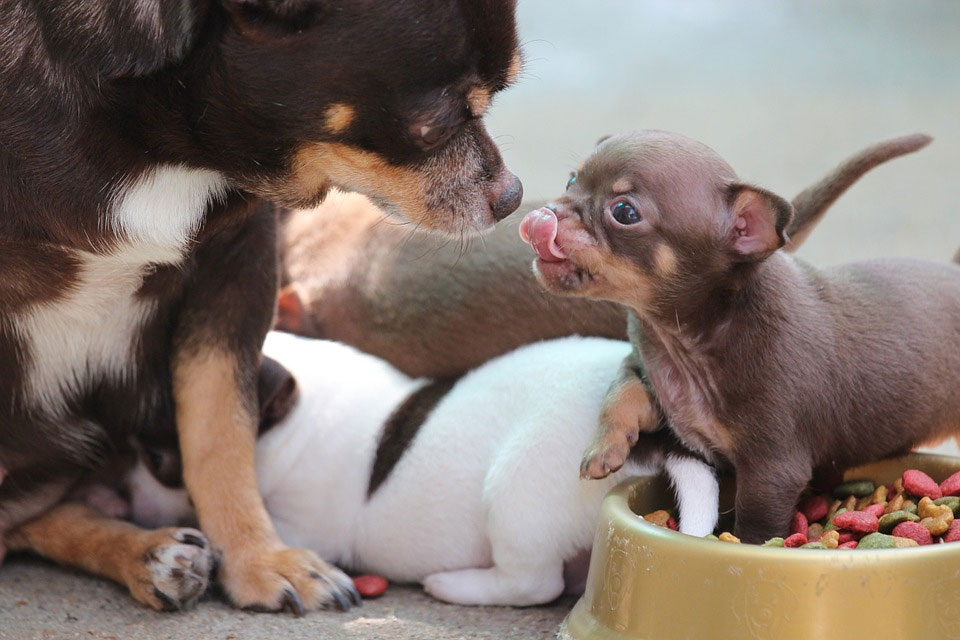
At the initial stage, natural food is ground up for babies. From 1-2 months, you can also begin feeding them high-quality dry food and pates from the Puppy series (dry kibble soaked in warm water or low-fat broth).
From birth to 6-8 months, regularly weighing puppies is important (read how to weigh your pet at home). Weight changes are the main indicator that the puppy is getting enough food.
Feeding pregnant and lactating dogs
Important! Chihuahua females weighing less than 2.3 kg are not suitable for breeding. Pregnancy and birth pose serious risks not only to the health but also to the life of mini and micro dogs.
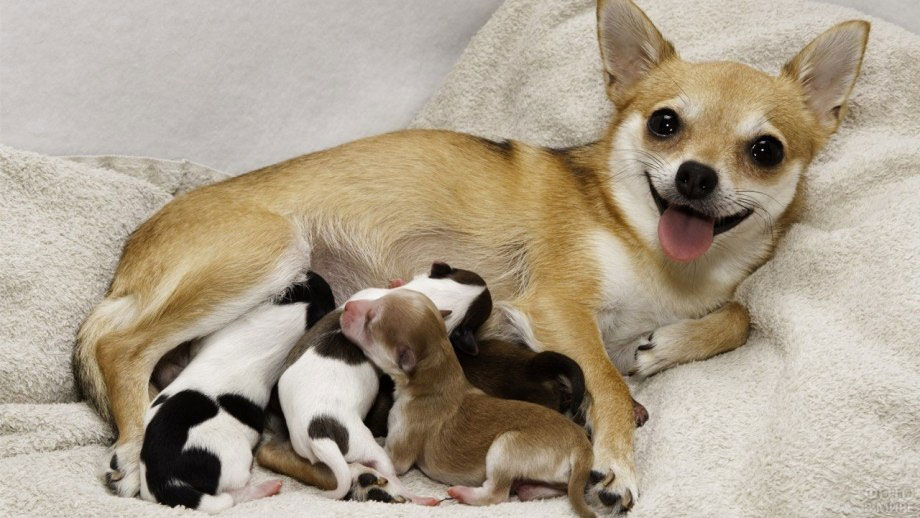
During pregnancy and lactation, special dry food is recommended for Chihuahuas, but you can also give the dog food from the Puppy puppy series.
Feeding spayed and neutered dogs
Hormonal changes that occur in animals after sterilization or castration procedures contribute to a decrease in activity and the accumulation of fatty tissue, which can lead to obesity.
You can avoid problems with excess weight in your pet by:
- by increasing the amount of fiber in a natural diet;
- by transferring the dog to a specialized line of industrial food;
- by eliminating high-calorie treats from the menu;
- maintaining an optimal level of daily physical activity for your pet.
Nutrition for allergies
Food allergies are a fairly common problem for Chihuahuas, typically appearing in puppyhood.
When following a natural diet, a mono-diet is recommended, gradually introducing new foods (one per week) to identify potential allergens. Buckwheat or rice are recommended grains.
When feeding prepared food, special “Hypoallergenic” series based on hydrolyzed vegetable proteins or monoproteins of animal origin are recommended.
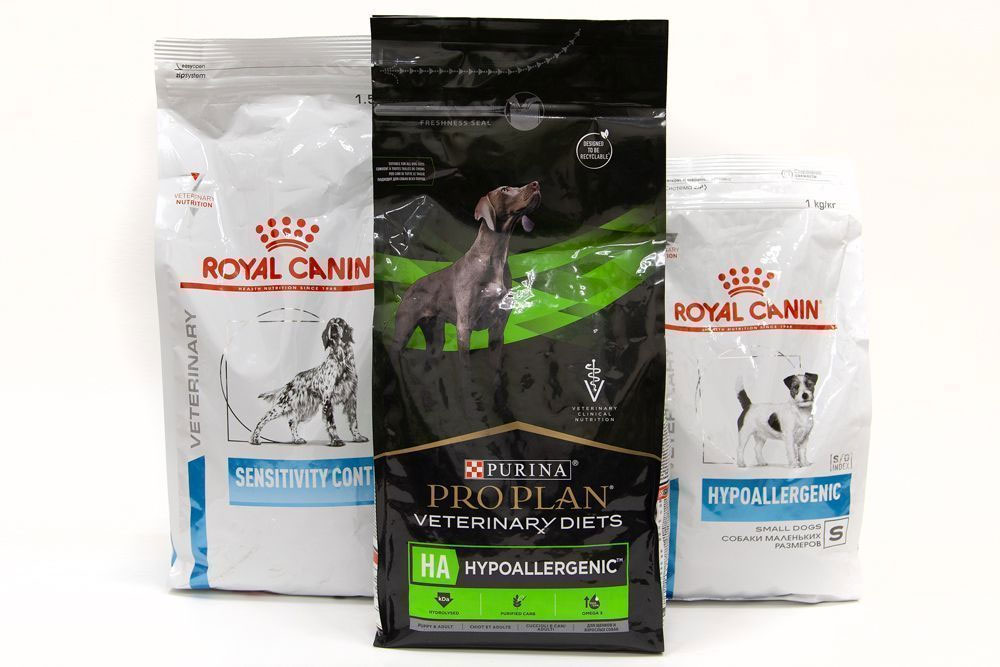
If you have an allergy to chicken, you should choose food based on beef, turkey, or fish.
Nutrition for sensitive digestion
Pancreatic problems are another common problem in small breed dogs. If your Chihuahua suffers from digestive issues, such as diarrhea or constipation, increased gas, vomiting, or regurgitation, your veterinarian may recommend switching to a special "Gastro" series food.
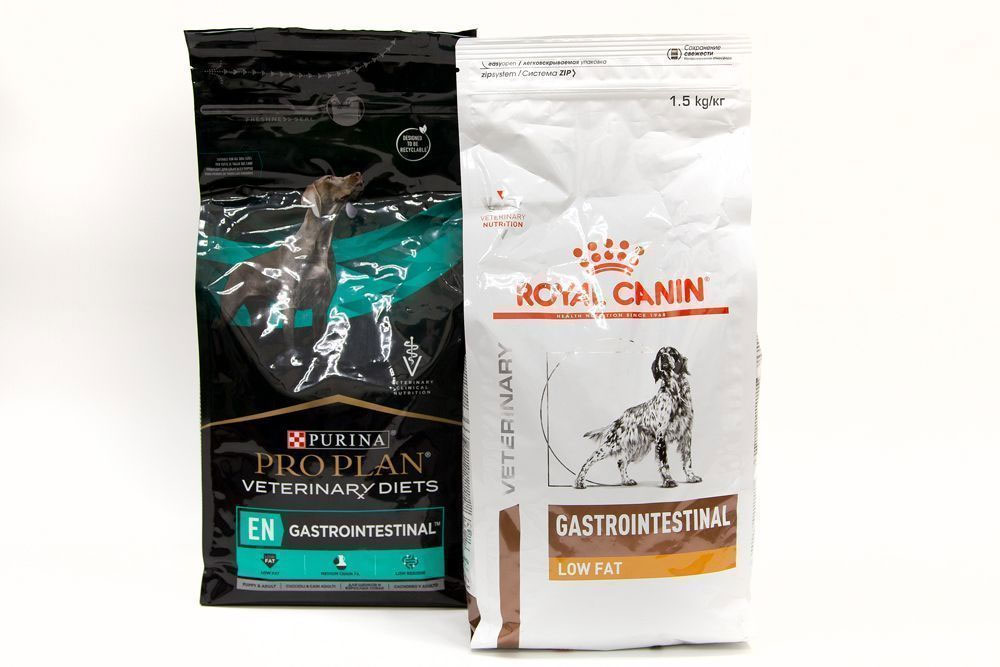
A specialized diet can be prescribed for the period of recovery of gastrointestinal function or for life, depending on the animal’s health.
Feeding Senior Dogs
Small breed dogs are considered senior when they reach 8 years of age. This doesn't mean all Chihuahuas lose their activity at this age, but it does mean that your pet's body is already beginning to experience certain age-related changes that require appropriate dietary adjustments.
Food for senior dogs should be easy on the digestive tract and easily digestible. That's why our ready-to-eat food lines include special 8+ and 11+ series (based on the dog's age category).
Top 10 Chihuahua Feeding Questions
2. Is it possible to mix natural and dry food?
No, it is not recommended to mix different types of diets in one feeding, but you can give natural food in the morning and dry food in the evening (or vice versa).
3. Do dogs need vitamins?
Dogs on a natural diet can be given additional vitamins and microelements as recommended by a veterinarian. Animals fed commercially prepared foods do not require additional vitamins, as high-quality dry kibble already contains all the necessary components, and an overdose of vitamins is just as harmful as a deficiency.
4. Is it possible to suddenly switch a dog to a new food?
It's best to transition to a new food gradually over the course of a week to avoid any adverse gastrointestinal reactions. A sudden transition is permitted with veterinary diets if the dog's condition requires it.
5. Is it possible to switch an adult dog from dry food to natural food or vice versa?
A completely healthy dog can be transitioned to a new diet without any problems at any age. Transitioning to a natural diet for dogs that have been fed dry food may take longer.
6. What to feed puppies up to 1 month?
If supplemental feeding or bottle-feeding of newborn puppies is necessary, a special dry formula called "bitch's milk" is purchased. Human infant formulas and cow's or goat's milk are not recommended by veterinarians due to significant differences in composition.
7. Why can't dogs eat food from the table?
Our (human) food contains too much salt and spices, and for dogs it is too fatty, which can negatively affect the functioning of the pancreas.
8. How much natural food should a dog eat per day?
On natural food, the portion up to 6 months should be 7% of the animal’s weight, and after 6 months – 3.5%.
9. How much dry food should a dog eat per day?
The nutritional values for dry food are always indicated on the packaging; they may vary depending on the calorie content and type of food.
10. How can you tell if your dog is undernourished?
Constantly demanding more food or a treat doesn't mean your pet is hungry. Malnutrition is a sign of weight loss.
Read also:


Add a comment