
What to feed a British kitten?
Anyone who is the proud owner of a purebred British Shorthair cat faces the question: what to feed a British Shorthair kitten? This question requires immediate action to avoid harming the pet from the start, as poor nutrition can lead to serious health problems, costly treatment, and the most unpredictable and tragic consequences.
Content
General rules for feeding British cats
Of course, not all British Shorthair cats eat the same food. Each pet may have its own taste preferences. But general feeding guidelines for this breed should still be followed. So, what should you feed a British Shorthair kitten or adult cat to ensure their health and well-being? And how should you feed them? Both the number of meals per day and the total weight consumed play a significant role. 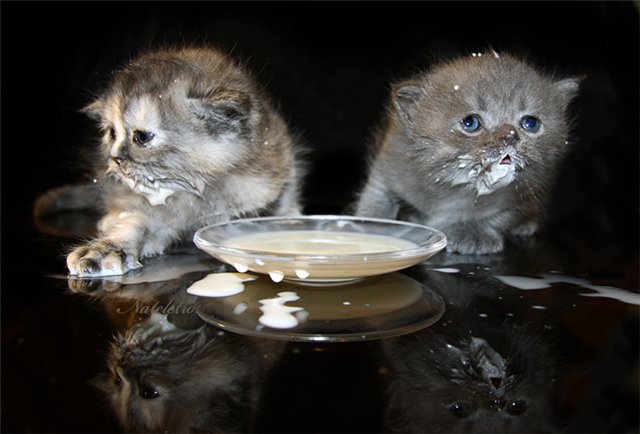
Rules for feeding British kittens:
- The daily food intake should not exceed 300 grams for adults (ideally 200-250) and 150 grams for kittens.
- No feeding from the master's table! Brits, even if they are on a natural diet, are fed separately.
- Only fresh food - be it dry food, wet food or specially prepared natural food.
- If it’s meat, then only frozen and then scalded.
- Only boiled fish and only sea fish.
- Chicken eggs (boiled only) or quail eggs (in any form) are given to the animal no more than once a week.
- Milk is only for babies; adult British breed pets are only allowed to have fermented milk products, and even then not often.
- Nothing smoked, canned or sweet.
- Use only premium dry food.
- The animal should always have free access to fresh water in a convenient container.
Feeding rules depending on the age of the British cat
Developing the right diet for a small British Shorthair kitten is a challenge for every cat owner. Of course, you should immediately consult with the owner of the cattery where the kitten was acquired. The question of what to feed a British Shorthair kitten becomes a pressing issue from the furry little one's first days in the home. It's a good idea if the kitten was already accustomed to a specific food at the cattery. Even then, it's not guaranteed that the current owners will be able to feed it exactly that way. And if the kitten was acquired very young, you'll have to make a nearly random choice, relying solely on general age-specific nutritional recommendations. Therefore, it's always best to research in advance what to feed a British Shorthair kitten at one, two, three, six months, and beyond.
1 month
If you've just welcomed a tiny, fluffy British kitten into your home, you need to know how and what to feed a one-month-old British kitten. This little pet should eat at least five times a day. Feed them porridge and liquid, pureed chicken soups. Only food cooked specifically for them, not left over from the owner's plate! The food should be at room temperature—never straight from the refrigerator or straight from the stove. Gradually, little by little, add grains and vegetables. When owners ask what to feed a one-month-old British kitten, they most often want to know whether they can already feed them dry and wet commercial food. Or is it better to stick to a natural diet?
Experts agree that it is better to introduce kittens to prepared foods at a later age.
2 months
Two-month-old British kittens are fed, in principle, the same as month-old kittens. Therefore, the question of what to feed a two-month-old British kitten shouldn't worry owners who have already chosen their pet's diet. Even feeding frequency only changes at three months. Until then, it should still be 4-5 times a day. Generally, what to feed a two-month-old British kitten depends on when the animal arrives in the house. If it's exactly two months old, then the same cereals and soups should be offered as if the kitten had been adopted at one month.
Half a year
If you've had a small British Shorthair kitten at home for six months, you definitely need to know what to feed a six-month-old British Shorthair kitten. This is especially true because, starting at three months, their diet has undergone significant changes compared to that of a kitten. 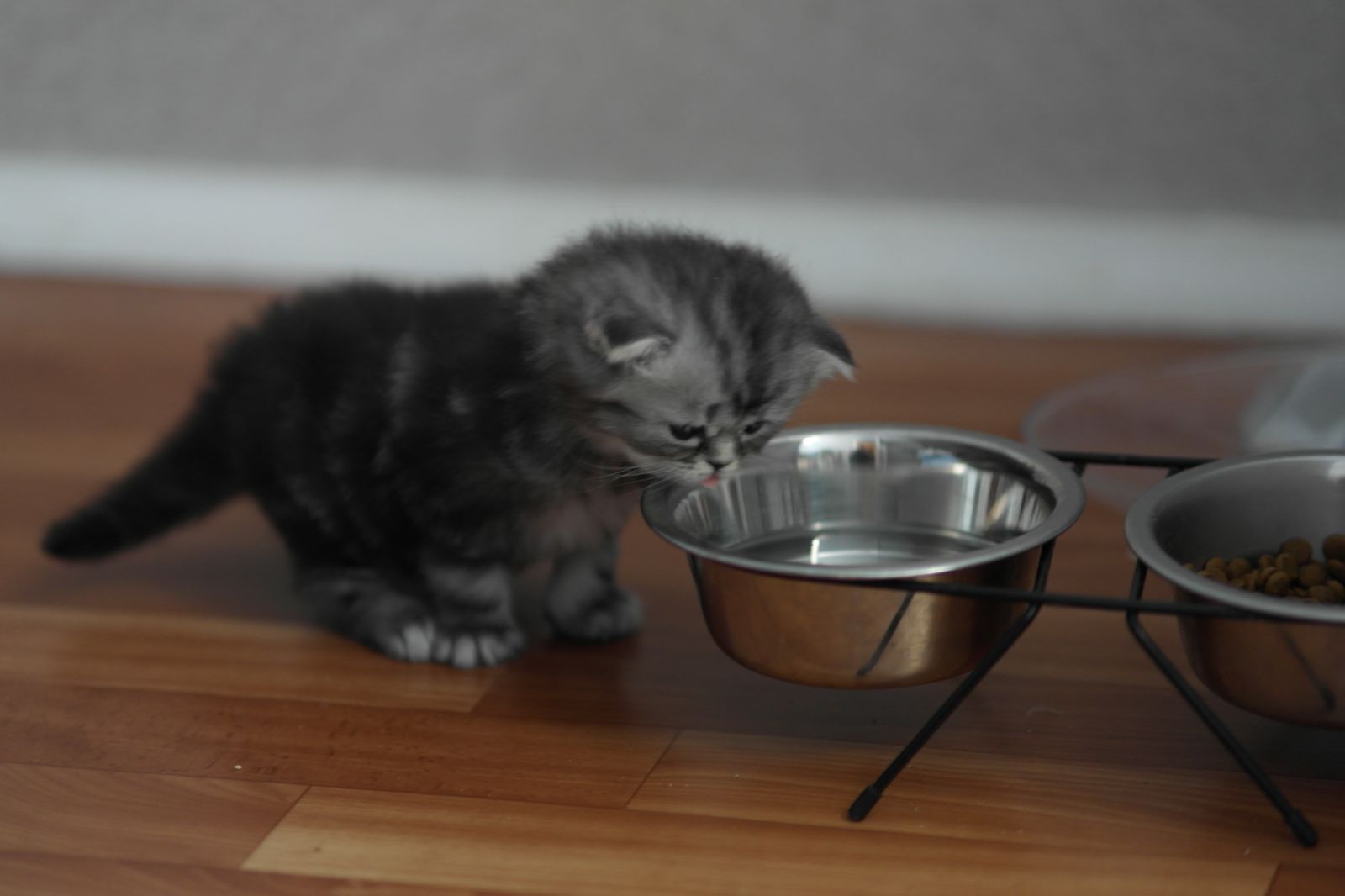 At three months, kittens can begin to eat scraped, frozen, and pre-scalded red meat (beef – at least 30 grams per day). Plus, finely chopped boiled chicken breasts (also about 30 grams). Porridge and soups are a must. At three months, you can introduce your kitten to wet commercial food, choosing a good canned food from a reputable manufacturer specifically labeled "for kittens." Excellent options include:
- Bozita mini (120-130 rubles for a 190 gram package) is a super-premium product that has a beneficial effect on the quality of “British” wool;
- and Royal Canin Kitten Instinctive (in sauce or jelly, 85 grams - 52-55 rubles per pouch) and Babycat Instinctive mousse (190 grams - about 95 rubles per can).
When it comes to feeding a six-month-old British Shorthair kitten, choosing dry or wet commercial food depends largely on the owner's budget. Veterinarians certainly recommend premium and super-premium foods, but these are, of course, expensive. Treatment for digestive, liver, or kidney problems (due to poor nutrition) can be significantly more expensive. British Shorthair breeders are well aware of these animals' weak points—specifically, the liver, kidneys, and gastrointestinal tract. Therefore, it's important to get used to feeding these plush, healthy kittens well from puppyhood.
From one year and up
As a British shorthair kitten grows, its needs change. Below, we'll discuss what to feed an adult British shorthair cat over one year old. It's simple:
- Or natural food (especially if he has been on it since he was a kitten), but then it should always be freshly prepared, balanced and with the right amount of vitamins and microelements.
- Or dry food selected according to the pet's taste and the owner's means (but necessarily professional, premium class - at a minimum).
- Or dry and wet food. Premium, from the same manufacturer, in a 70:30 ratio. Preferably after consultation with a veterinarian.
When deciding what to feed a British Shorthair cat, owners often ask how often they should eat. Breeders believe that two meals a day are sufficient for adult British Shorthairs.
The correct diet for a British kitten
In general, feeding a British kitten the right diet is a complex matter. These pedigreed felines are quite fussy eaters. They can suddenly refuse food they've seemingly gotten used to. And this is where you have to navigate the dilemma of "walking between Scylla and Charybdis," as changing food can cause digestive upset. 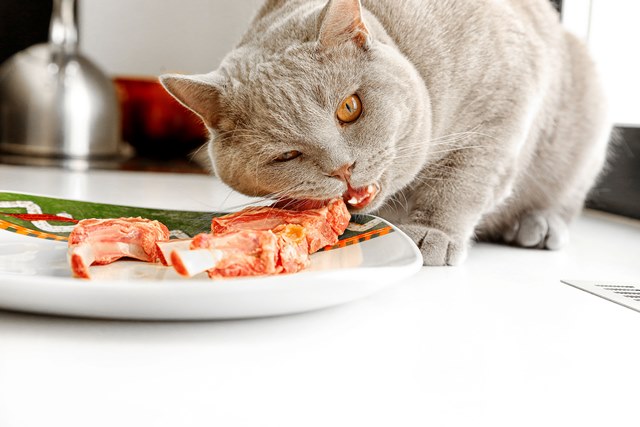 Many veterinarians and breeders believe that the proper diet for a British kitten is a natural diet. Who would argue, especially when it comes to truly high-quality food?
- frozen scalded beef;
- boiled sea fish in small quantities;
- vegetables except potatoes;
- cereals;
- fermented milk products;
- eggs infrequently, etc.
And definitely vitamins and microelements in the dosage required to ensure the normal functioning of a cat.
The question of what's the right food for a British Shorthair is typically asked by busy people who can't afford to spend all day at the stove and kitchen scales trying to feed their pet. And when asking this question, these pet owners are hoping for expert advice on choosing dry and/or wet food.
What kind of prepared food should I feed my British Shorthair?
What kind of food should I feed a British kitten? Dry or wet? Which brand? And in what quantities and proportions? These are the questions that concern British cat owners. The top 5 professional super-premium dry food brands suitable for British cats are as follows: 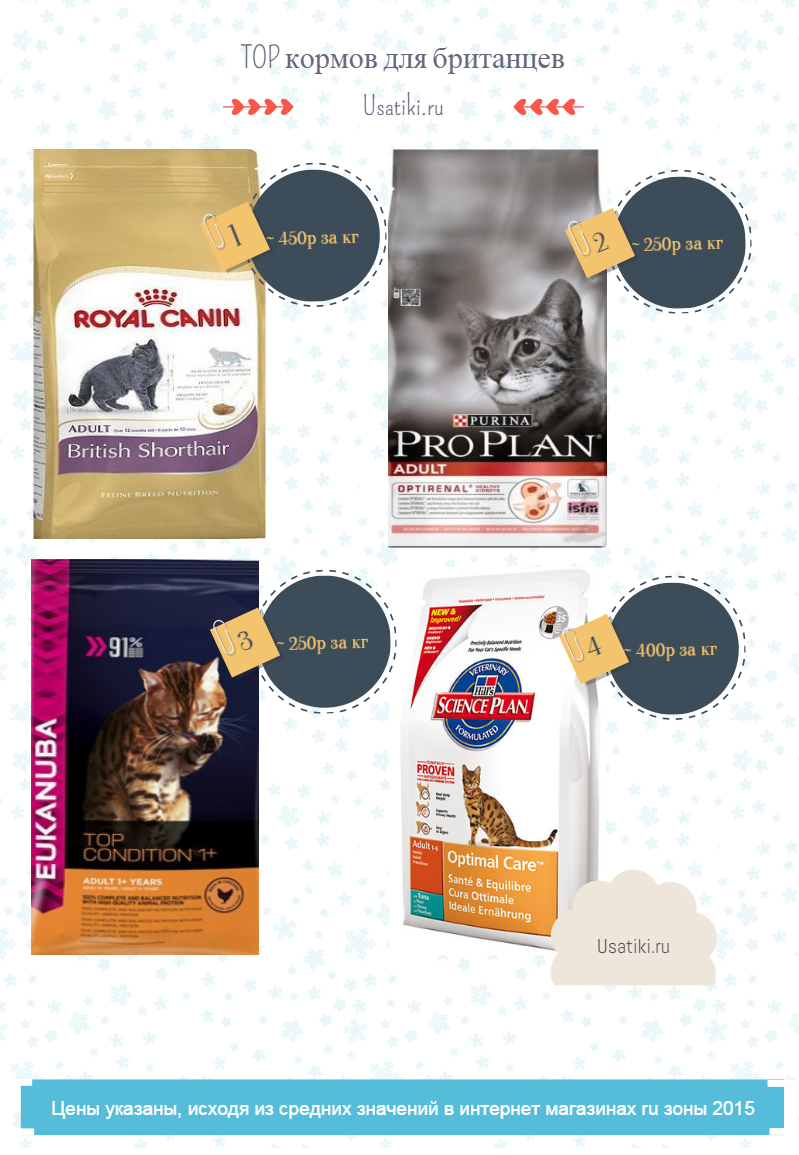
- Complete Royal Canin British Shorthair 34 (and Royal Canin Kitten British Shorthair for kittens of this breed) - from 450 rubles per kilogram.
- Pro Plan (by Purina) with chicken, turkey, duck or salmon - from 250 rubles per kg.
- Eukanuba for adult cats, containing a high percentage of natural meat and animal proteins (priced from 2,500 rubles per 10-kilogram bag—that is, 250 rubles per kg).
- Hill's Balanced Food (any from the adult line that your cat prefers) - from 600 rubles per 1.5 kg.
- Hypoallergenic Acana - from 890 rubles per 2.5 kg pack.
The decision on what food to feed a British Shorthair (from the above options) is entirely up to the owner. Provided the cat has no health issues, a therapeutic, specialized food will be needed. And only after consulting a qualified veterinarian.
Read also:
- What to feed a month-old kitten?
- What to feed a kitten at 3-4 months?
- What food should I feed my British Shorthair cat?


Add a comment