
What to feed a Bengal cat and kittens
A Bengal kitten, adult cat, or cat in an indoor home should be fed according to their physiological needs. Bengals often have sensitive digestion, so it's important to choose brands that don't contain soy, artificial flavors, or colorings. It's best to buy commercial food specifically formulated for Bengals.
Bengal Feeding Patterns
When developing the Bengal breed, breeders took great care to preserve the closeness of domestic cats to those living in the wild. Selective breeding of purebred kittens resulted in an animal with a short intestine like its ancestors. Therefore, a purebred pet requires a carefully designed diet using high-quality food. Feeding low-cost dry food and pouches can disrupt digestion, leading to gastrointestinal problems.
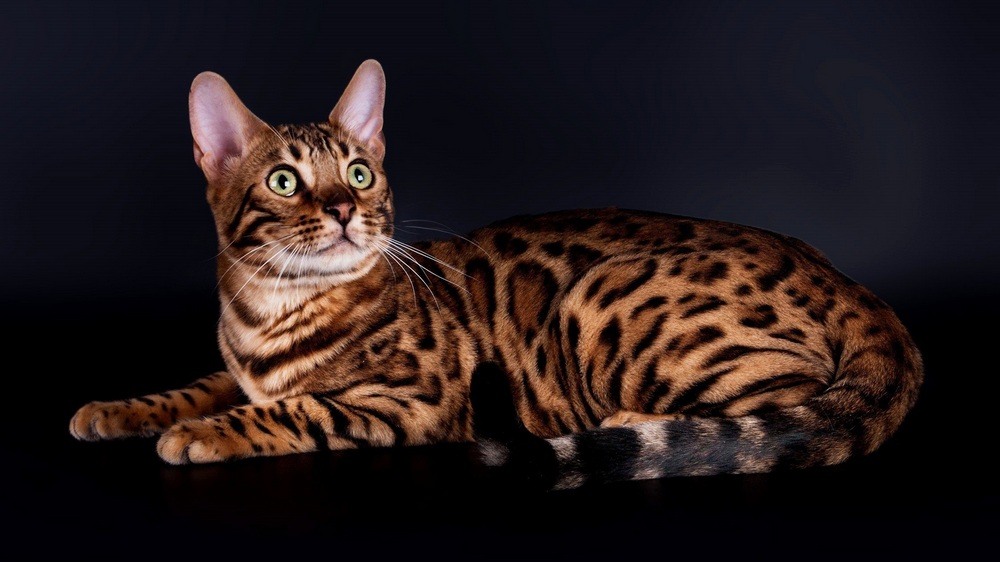
Meat ingredients should make up approximately 70-80% of prepared or natural food. Grains, vegetables, dairy products, and fish should account for no more than 20-30% of a complete diet. The feeding schedule is based on the animal's age:
- Kittens' first solid foods are introduced at 1-1.5 months. This typically consists of finely chopped pieces of meat, boiled without seasoning or salt. Special pates and canned foods can also be used. The recommended feeding schedule for mother-fed kittens, including supplemental feeding, is up to six meals per day.
- From 2 months, dry food with soaked or crushed pellets can be introduced into the diet. Increase the frequency of feedings to 7-8 times a day.
- From 3-4 months, feedings increase to 4-5 times a day. High-quality dry food is used to promote active development of chewing teeth. The diet consists of 60% meat and 40% vegetables, dairy, and grains.
- From 5-6 months, raw meat and fermented milk drinks are gradually introduced into the diet. Feed your pet three times a day.
- By the time a cat reaches one year of age, it's time to transition to an adult diet. However, a Bengal's body is still developing, so the diet should include vitamin and mineral supplements.
It is unacceptable to use natural products in combination with industrially produced food in feeding cats.
The best food for Bengals
It's preferable to feed Bengal cats holistic, super, and premium foods. You can buy a small sample bag first and monitor your cat's response to the food before choosing a specific brand.
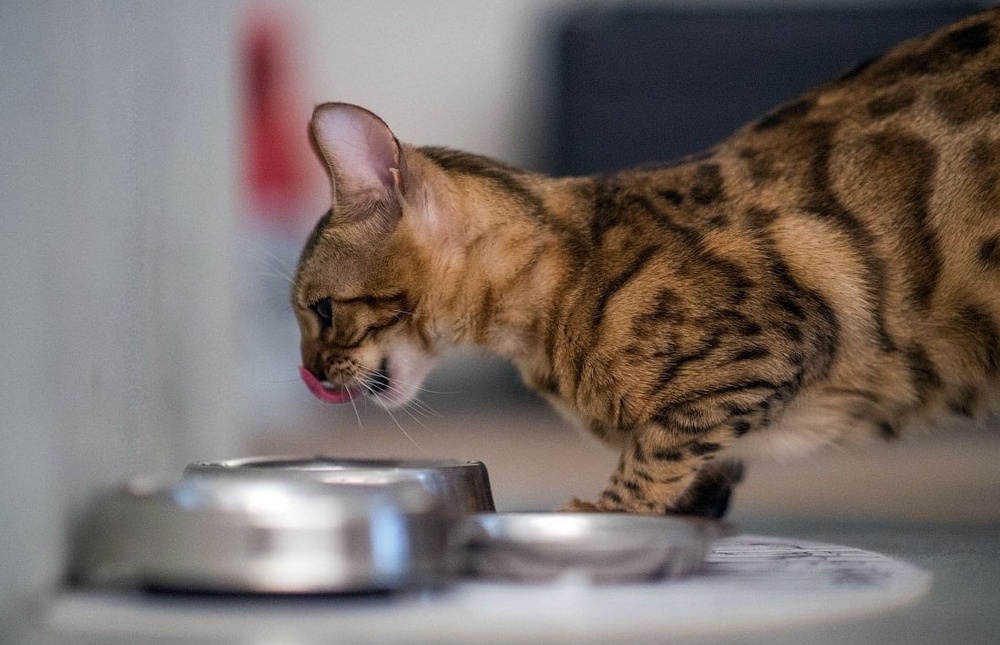
What brands are recommended by veterinarians and breeders:
- Royal Canin Bengal Adult. A specialized super-premium food made in Poland, designed for pets who love active play. The 40:18% protein to fat ratio prevents the risk of obesity. It normalizes urinary tract function and ensures high-quality oral hygiene.
- Grandorf. This product is manufactured in factories in Italy and Belgium. Recommended for spayed and neutered cats. It prevents allergies and promotes muscle growth. It has a low grain content, contains cat-safe brown rice, and contains up to 70% protein.
- Meowing Heads So-fish-ticated Salmon. This British brand offers complete food containing eggs, chicken, vegetables, rice, and up to 77% salmon. In addition to promoting healthy digestion, Fish-Gourmet ensures easy hair removal. The brand also offers wet food suitable for senior cats and kittens.
- FARMINA N&D. This Italian brand produces specialized reduced-calorie food specifically designed for sterilized pets aged 1 year and older. The range includes grain-free and grain-containing formulas, wet and dry, allergy-friendly, and suitable for sensitive digestion.
- GO! Sensitivities. This Canadian product is grain-free. It contains only muscle fiber, with additional ingredients including cranberry, alfalfa, and salmon oil. The line offers several types of wet and dry food, all based on the same ingredients. This makes it easy to diversify your pet's menu by choosing different options within a single brand.
Of the wet foods, the following are preferable for kittens:
- Pro Plan Nutris Vour Junior;
- Brit Premium;
- Grandorf;
- Happy Cat;
- Royal Canin.
Wet food is also recommended for older animals. Young Bengals benefit from dry pellets, which provide a complete diet. Pouches are best offered as a treat.
Owner reviews
Elena S
My cat started gaining weight after being neutered. The vet recommended Royal Canin, a food specifically for Bengals. As a result, his weight returned to normal and he was able to avoid developing urolithiasis.
Svetlana Sh
My fur babies love the FARMINA N&D line, especially the chicken and pomegranate varieties. It's great that they can switch between the two without causing digestive issues.
The physiological characteristics of Bengal cats' gastrointestinal tract require a careful approach to diet. It's best to feed them holistic foods, as well as super-premium and premium foods. This will ensure your pet remains active into old age and will be free from allergies and common digestive disorders.
Read also:
- What to feed a Sphynx: the best food
- What to feed a nursing cat
- Italian cat food: a list of the best manufacturers


Add a comment