
Chow Chow is a dog breed
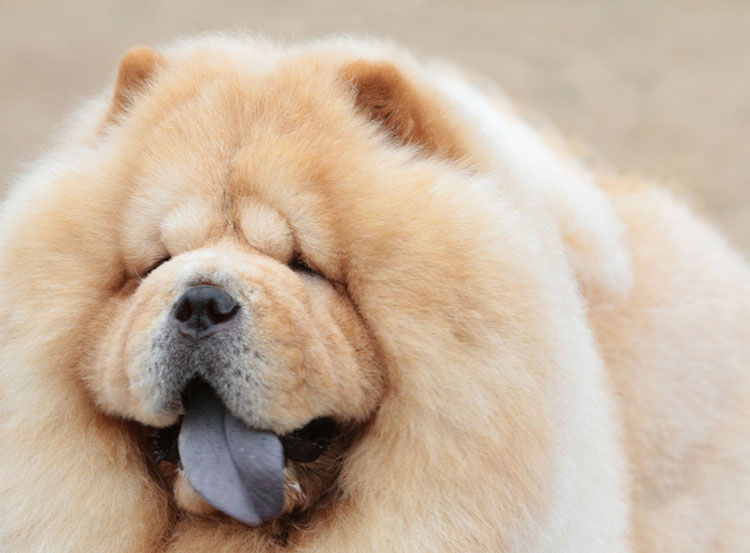
The Chow Chow is one of the oldest breeds in the world, with a beautiful, thick coat and a unique characteristic—a dark blue tongue. These Chinese dogs were once used as hunters and guard dogs, and are now considered a toy breed, but don't let that mislead potential owners. Chow Chows are very temperamental, proud, and stubborn, requiring a special approach.
Content
History of the breed's origin
The Chow Chow's homeland is believed to be the steppes of northern China and Mongolia. Historically, these dogs were used for hunting, as guard dogs, reindeer herders' assistants, and as sled dogs. Purebred Chow Chows were most likely bred by monks in Buddhist monasteries.
Because Eastern countries were closed to Europeans for a long time, the first representatives of the breed appeared in England only in the 1830s. It was from this time that selective breeding of the modern Chow Chow began in Europe. Today, representatives of this breed are no longer considered working dogs, but rather ornamental ones.
Video review of the Chow Chow dog breed:
Appearance and standards
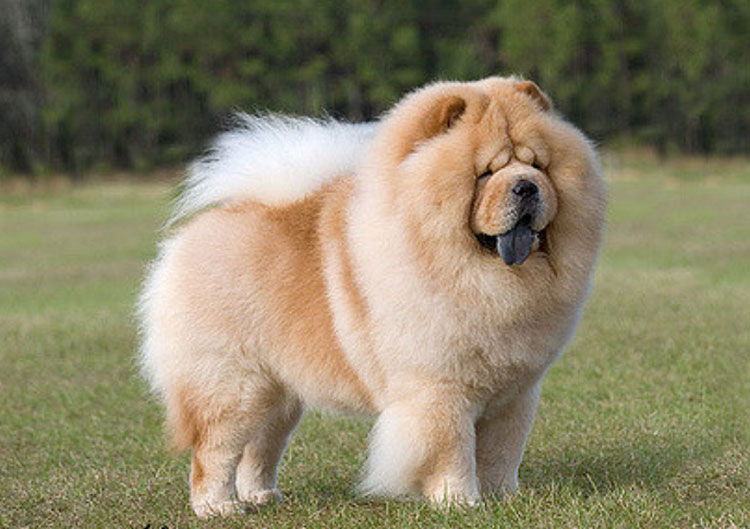
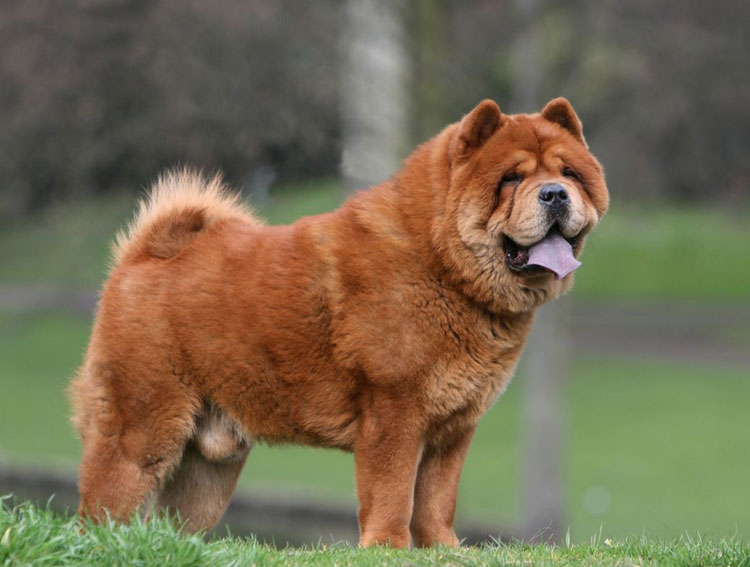
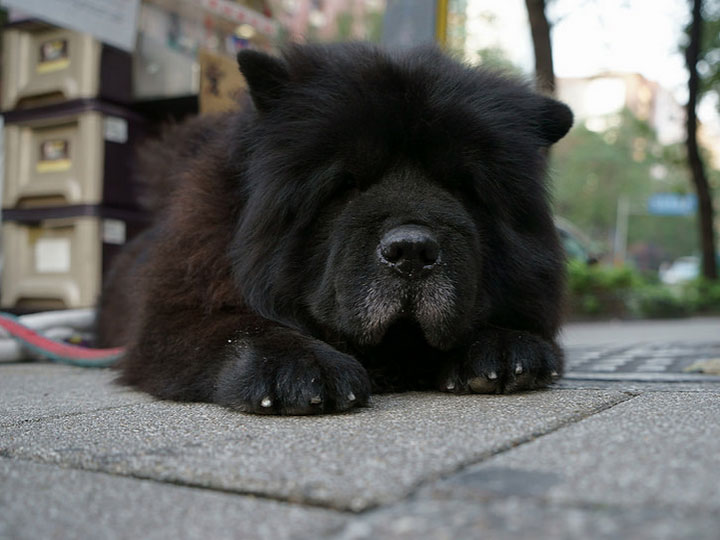
Chow Chows are compact, sturdy, well-coated dogs with a proud posture. Their appearance eloquently suggests they are independent, serious, and dignified. Distinguishing features of the breed include a dark blue tongue (a feature only found in the Chow Chow and Chinese Chow Chow). Shar Pei) and a unique stilted gait. Height at the withers is 45-55 cm. Weight is 20-30 kg, but this isn't critical, as long as the dog is proportionate and harmoniously built.
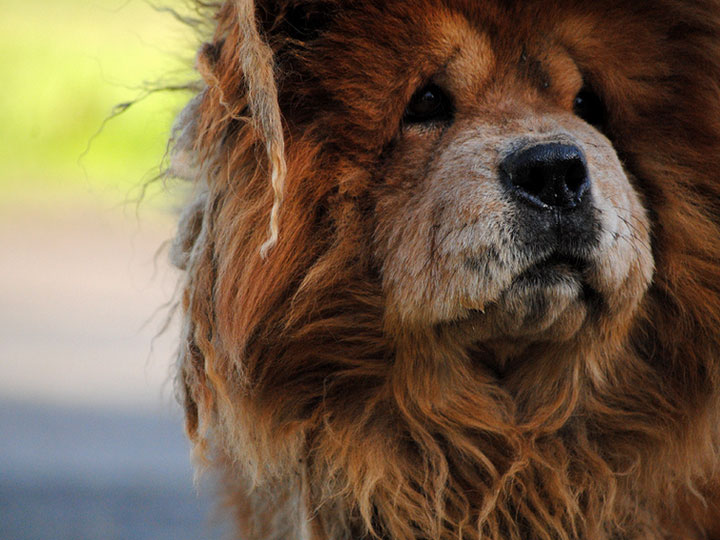
The head is large and massive. The skull is flat and broad, with no noticeable transition from the forehead to the muzzle. The lips are full and prominent. The teeth are strong, complete, and correctly aligned. The eyes are oval and dark. The ears are small, dense, rounded at the tips, set firmly and wide apart, tilted forward toward the eyes, and slightly drawn together. This gives the dog a somewhat sullen expression. The neck is slightly arched, powerful, and voluminous.
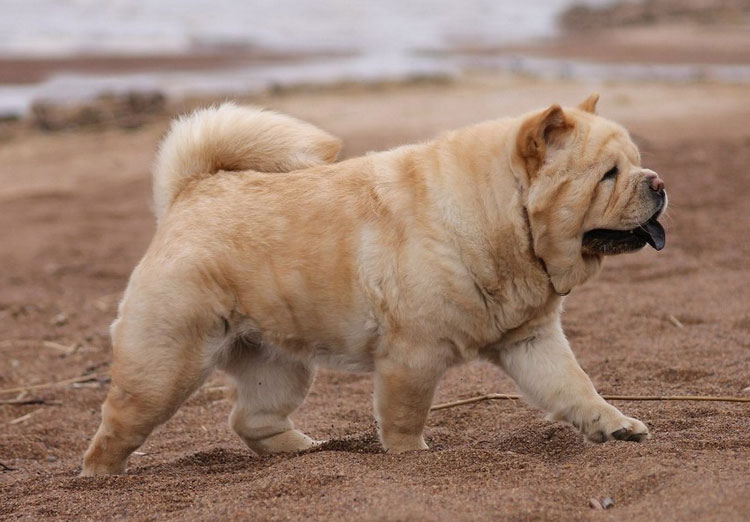
The body is compact. The chest is deep and wide. The back is short and straight. The loin is wide and powerful. The tail is set high, continuing the topline, and curled over the back. The limbs are strong-boned and muscular. The forelegs are straight, while the hind legs have straight hocks. The paws are rounded and compact.
The coat is thick, dense, and straight, standing upright. The outer coat is moderately harsh to the touch, and the undercoat is soft and dense.
According to the length of the coat, Chow Chows are divided into two types:
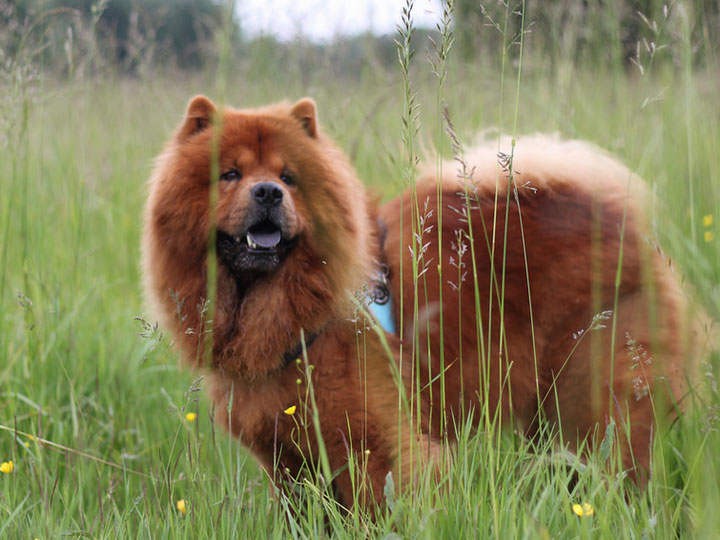
- Longhaired cats are distinguished by their rich, long, thick fur, which forms a collar, feathering on the legs and tail.
- Short-haired dogs are called smoothies. Their coat quality is similar, differing only in length, which gives them a plush appearance, like British kittens.
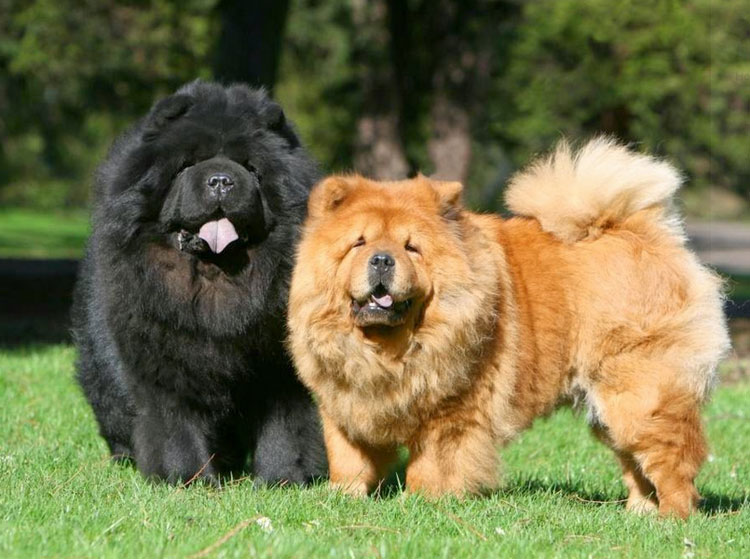
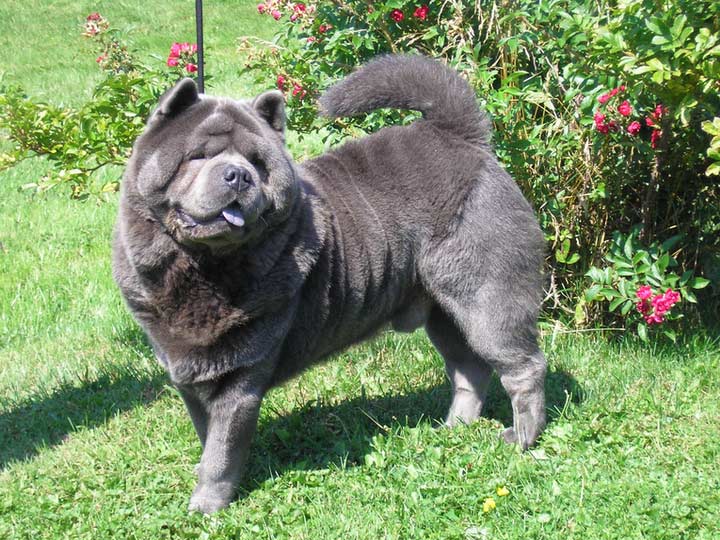
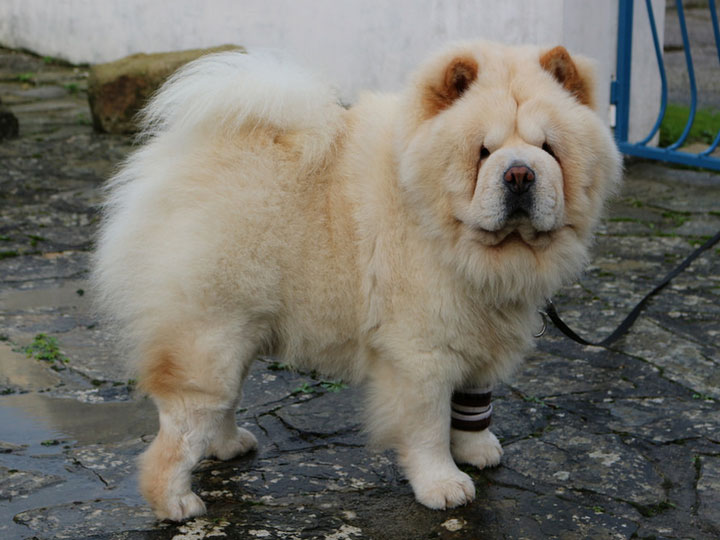
The coat must be a solid color. A slightly lighter shade on the collar, trousers, and tail is permitted. Colors may vary:
- Black;
- Blue;
- Red;
- White;
- Mustard (cinnamon);
- Cream.
Character and psychological portrait
These fluffy "bears" make wonderful companions. However, it's worth noting that this breed isn't suitable for everyone. A distinctive characteristic of the Chow Chow's temperament is its seriousness and stubbornness. The dog considers itself quite independent, a trait that owners should recognize and respect as a human. Generally, Chow Chows are intelligent and friendly. They are very polite and patient with their family, but are suspicious or even coldly indifferent toward strangers. Visitors to a Chow Chow's home should avoid insisting on its attention, or they may react aggressively. It's also worth noting that Chow Chows don't get along well with other animals. The exception is when they have been raised under the same roof from puppyhood.
Chow Chows are believed to have highly developed intuition. This is supported by stories of Chow Chows saving their owners from certain death. For example, one dog saved its owner from a collapsing house after an explosion, preventing her from taking her usual path. Another pet "called" for help when its owner was crushed under a cart. And there are hundreds of such stories.
Education and training
Many people believe that this breed is completely untrainable, but this is not true. The fact is that stubborn Chow Chows will only listen to an experienced, strong-willed, and powerful person who exudes authority.
Chow Chows require early socialization and training.
Young dogs are naturally docile and rarely cause trouble, but adult dogs that have not been trained may refuse to acknowledge their owner's prestige, which can lead to a variety of behavioral problems.
Content
Chow Chows are considered toy dogs, but that doesn't mean they're destined for a life on the couch. These dogs are equally at home in an apartment with their owner, provided they're walked regularly, and they'll easily adapt to outdoor life. Thanks to their thick coats, they can easily withstand even the coldest temperatures. Furthermore, outside, they'll have a constant job—guarding their territory. Many owners note that Chow Chows won't bark unnecessarily unless their property is threatened. As for being kept in a crate, it's important to acclimate your dog to it from an early age. Chow Chows are quite freedom-loving and don't like change; if they're used to sleeping indoors, they'll beg to go back.
Physical activity
Chow Chows are calm and serious, and they don't require much exercise. A daily walk in the park is an excellent way to maintain their musculoskeletal health. Keep them on a leash in public places, as their temperament can sometimes be unpredictable.
Care
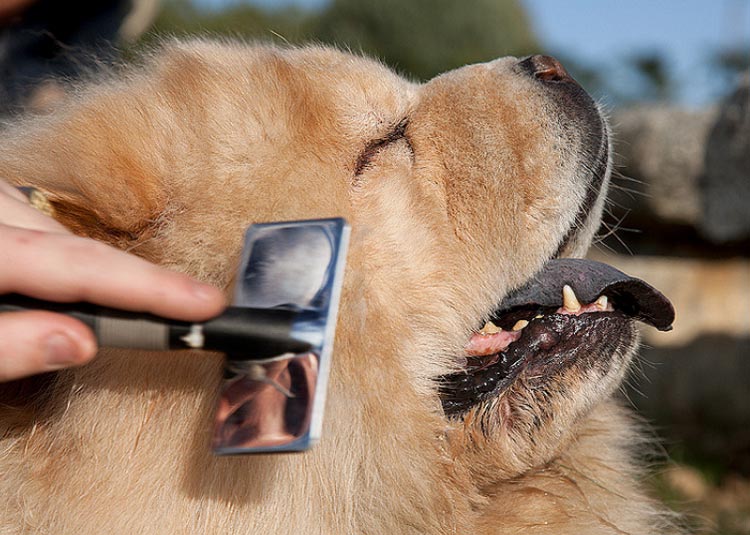
To keep this furry companion's luxurious coat looking beautiful and well-groomed, it needs to be brushed regularly (about 1-2 times a week). A wide-toothed steel comb and a slicker brush are commonly used. Grooming scissors are also useful for trimming the fur between the toes and pads.
The breed does not require grooming. Even in summer, trimming the coat is not recommended, as this will compromise the skin's natural protective barrier and can even lead to burns.
During the shedding season, daily brushing is recommended. Owners should regularly inspect their pet for mats, which most often form behind the ears and under the arms. Mats should always be removed before bathing, not after. Bathe as needed, but no more than once every 2-3 months. Dry shampoo, combed out after application, is ideal for regular grooming.
Hygiene procedures include regular examination and cleaning of eyes, ears and teeth, as well as trimming of claws when necessary.
Nutrition
Chow Chows are very demanding when it comes to the composition and quality of their food. Owners must choose the right diet based on their dog's needs. Breeders consider prepared foods to be optimal. dry food Low in protein and fat. Dietary foods and those for dogs prone to allergies are suitable. Puppy foods may not be suitable for Chow Chow puppies due to their high carbohydrate and fat content.
Feeding schedule and portion sizes are equally important. Avoid overfeeding and accustoming your dog to snacking on treats from your table.
For dogs on a natural diet, meat is, of course, the main source of protein. Beef is preferred (an adult dog should receive at least 200-300 grams of meat per day). It's best to avoid pork and chicken. Pork is too fatty, and chicken can cause allergies. By-products include beef liver and heart, and dried cartilage and tendons as treats. Fish is given about twice a week. Dairy products include cottage cheese, fermented baked milk, and kefir. An egg can be given once a week. Suitable grains include buckwheat, rolled oats, and rice.
Health and life expectancy
Chow Chow owners often have to consult with veterinarians, unfortunately, and not only for preventative care. These dogs are prone to various allergies and skin conditions. Furthermore, the breed is susceptible to a number of hereditary diseases:
- Myopathy;
- Adrenal insufficiency;
- Hip and elbow dysplasia;
- Inversion/eversion of eyelids;
- Claw anomaly (splitting);
Average life expectancy is 12-13 years.
Choosing a Chow Chow puppy and its price
The Chow Chow is a very common breed, so finding a puppy of the desired gender and color is easy. Finding a truly good puppy is much more challenging. Given the Chow Chow's already complex nature, it's not recommended to buy from random people. It's important to evaluate the temperament and health of the parents and only choose breeders with high recommendations.
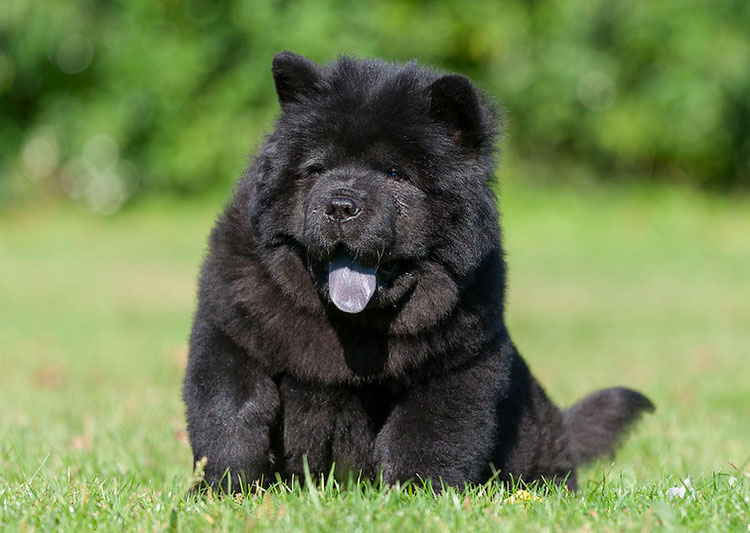
Puppies are born with pink tongues, but by the time they're a month old, they'll become a uniformly darker shade. Don't trust a breeder who offers a two-month-old puppy with a spotted tongue and assures them that it will soon turn completely pink. The paw pads, gums, lips, and eyelids should also be dark.
The average price for a Chow Chow puppy at a breeder is 40,000 rubles. From private breeders, you can buy a dog for 15,000-25,000 rubles. Puppies without papers are usually sold for 10,000-15,000 rubles, but it's better to pay extra for a healthy, stable dog than to end up wasting time, energy, and money on treatment or correcting bad habits.
Young specimens of the breed with pedigree documents, suitable for future breeding, will cost their future owner 12,000-20,000 rubles. The most expensive Chow Chow puppies are those that show great promise as champions, so-called show-class puppies. These typically cost 30,000 rubles and up.
Chow Chow dog reviews
When we became interested in Chow Chows, we collected reviews from everywhere we could find them: various dog forums, article comments, and even met with real people who owned these magnificent animals. One such meeting, organized by friends, was very memorable. An emotional woman, who loved her little Chow Chow dearly, shared her impressions of him with us. You can read her review—one of the most detailed and movingly descriptive—below.
Nine months ago, on the advice of an old friend, I got a delightful Chow Chow puppy. I'm absolutely delighted—she's the smartest and most beautiful dog I've ever seen. Calm by nature, she seems to bring a sense of peace to those around her. Training sessions at the training ground have convincingly proven that my beloved is far smarter than the various German Shepherds and Bulldogs training nearby. He's so tame that we could easily take him for walks without a leash, as he rushes to me at the first command and obediently follows all my commands. And he's still so little!
I doubt many owners of such small pets can boast such achievements. If I need to leave urgently, I give him the command "Sit," and he obediently waits until I call him.
In addition to simple commands like "Down" and "Stay," which he consistently performs until another command is given, he can also perform commands that are "complex" for his age, such as successfully performing "Fetch." Do you think I have something to be proud of?
I'm sure my dog wouldn't have achieved the success she's become famous for in the yard if I hadn't worked with her. When an animal isn't trained and doesn't receive enough time and attention, it withdraws into its own little world and doesn't respond to the world around it, remaining talentless and brainless throughout its life. I've often seen dogs with an indifferent and dull expression on their faces, incapable of performing even the simplest exercises. And yet, it's all their lazy owners' fault!
I trained my beloved Chow Chow in various commands, but never assigned him to guard the house or yard, as he inherited his protective and guarding qualities from his ancestors. Petty thieves broke into the house, but nothing was stolen. Of course, they were scared off by my Chow Chow's menacing, leonine appearance. And I think he gave them a good bark with his incredibly low voice. My dog is well-behaved and won't raise his voice at passersby or other dogs without reason, but if anyone lingers near the fence, or, God forbid, tries to break in, he will definitely let them know.
Of course, a Chow Chow's coat requires constant grooming. But I really enjoy brushing my beloved puppy; he lies there and makes sweet sounds, reminiscent of a cat's purr. He's so affectionate and good-natured; when I come home, he greets me joyfully and tenderly licks my hands.
My puppy is healthy; he's never had any problems with his eyes or legs. But I know many owners whose dogs have various health issues. Therefore, if you're considering a purebred puppy, I recommend choosing a kennel or breeder carefully, rather than buying the first puppy you see at the market, to avoid future hassles.
I've had other dogs before, all different, with their own strengths and weaknesses. But there's never been anyone better than my inimitable, smart, and sweet Chow Chow puppy.
Blue tongue in Chow Chows: causes
Pet lovers often ask online why a Chow Chow has a blue tongue and what it is connected to.
In fact, a dog's tongue can change color several times throughout its life, sometimes becoming a deep black, sometimes even taking on shades of light lilac and blue. The color can depend on:
- dog's health;
- his state of mind
- sometimes due to changes in the weather.
For example, in hot weather or in a very excited dog, the tongue may suddenly become lighter.
Unfortunately, curious dog owners won't be able to find out why Chow Chows typically have blue tongues: scientists haven't yet solved this mystery. Of course, there are various theories and speculations about this, too. For example, there's a legend that Chow Chows are distant relatives of Arctic wolves, which existed long ago—millennia ago—and that the breed inherited their tongue color from them.
The Chow Chow breed is often associated with bears: indeed, the dogs' appearance resembles that of furry teddy bears. Some dog experts suggest the breed is the result of crossing Samoyeds with bears, and possibly Pomeranians. In some provinces of China, the Chow Chow is nicknamed "black tongue," "bear dog," or "wolf dog."
Many historians suggest that dogs arrived in China from Mongolia via trade caravans. They were then brought to Mongolia from Siberia, before which their homeland was the Arctic Circle. This hypothesis is quite plausible: blue tongues today indicate a severe lack of oxygen, and perhaps this color gradually became the Chow Chow's natural color in these harsh conditions.
Photos
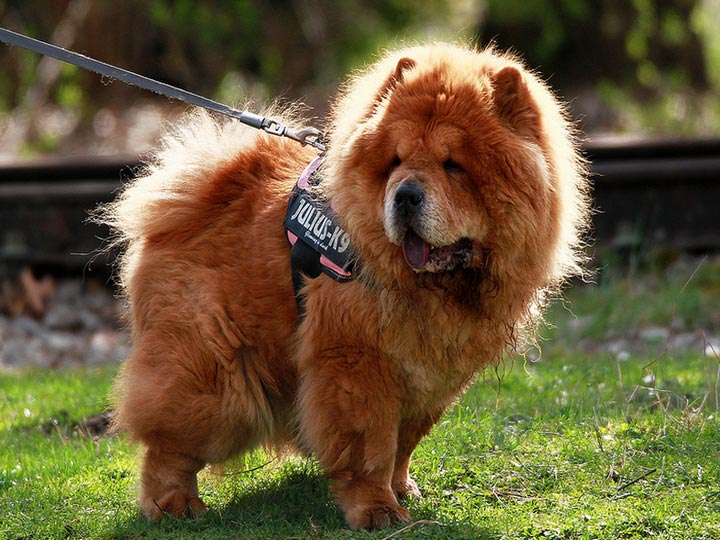
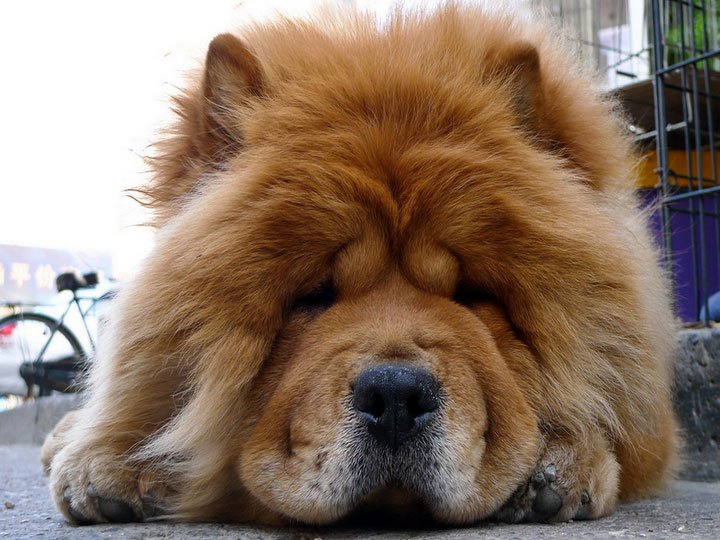
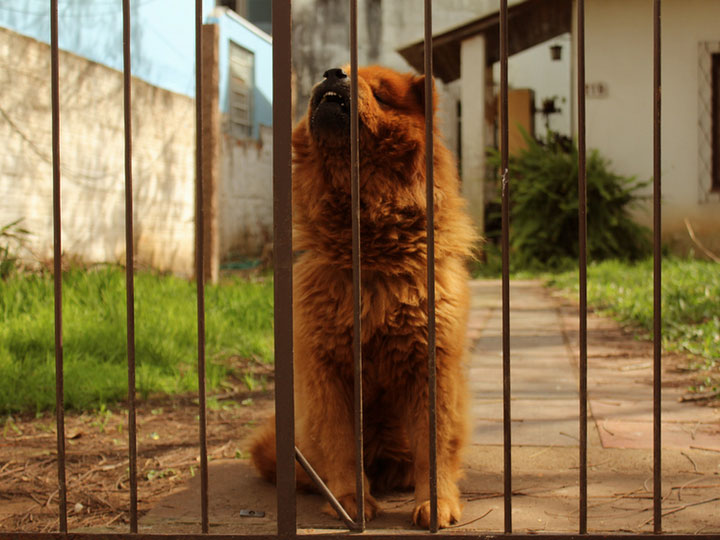
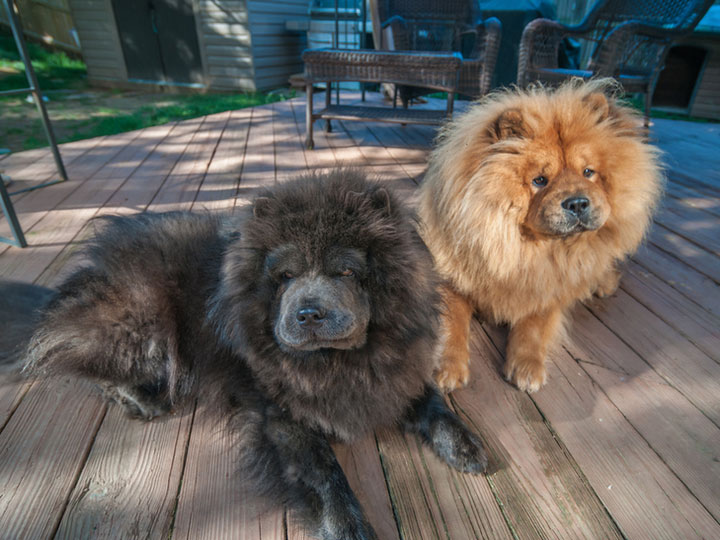
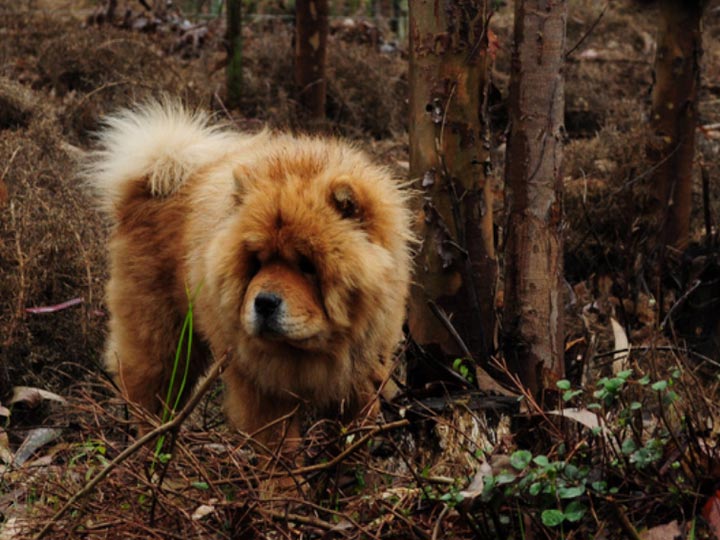
The gallery contains photos of Chow Chow puppies and adult dogs, long-haired and smooth:
Read also:


Add a comment