
Frequent Urination in Dogs: Causes and Treatment
Frequent urination in dogs can be caused by both physiological and pathological reasons. In each specific case, a veterinarian will determine whether the animal requires treatment and what measures should be taken. A timely visit to the vet ensures that the pet's condition is not dangerous, and if any issues are detected, prompt treatment can be initiated and the dog's condition improved.
Content
Natural causes
Frequent urination in dogs is sometimes caused by natural causes that trigger voluntary or involuntary urges to relieve themselves. These include:
- Stressful situations resulting from severe fear, anxiety, neglect, resentment, or overexcitement (for example, after a long separation from the owner). Punishment in this case can only exacerbate the problem, but systematic training can help.
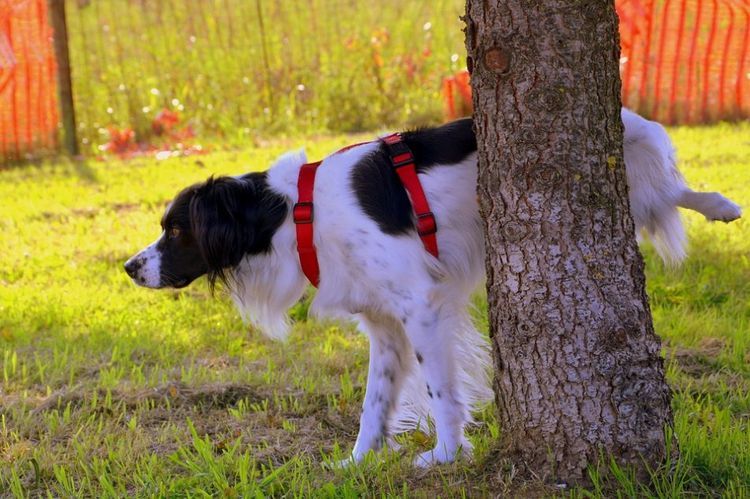
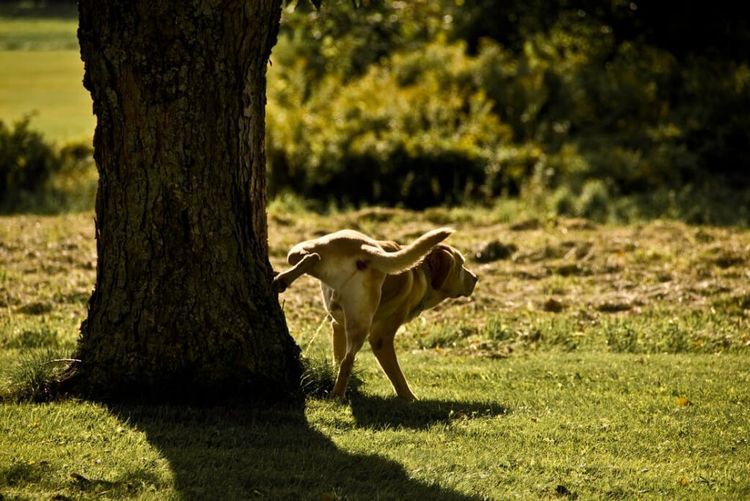
- Territorial marking. For male dogs, urine odor is a way to mark what they consider their territory. One solution is castration, which will reduce sexual drive.
- Age factors. The problem of incontinence in puppies, similar to that of young children, is associated with the inability to control urination. In older animals incontinence problem This may be due to a weakening of the sphincter. In young females, the estrus period may be accompanied by lower abdominal pain that subsides after urination. No specific treatment is required; more frequent walks will suffice.
Pathological disorders
In the absence of natural factors, frequent urination is one of the symptoms of pathological processes in the dog's body or other health problems. This disorder can be caused by:
- Kidney disease (nephrosis, pyelonephritis) causes electrolyte deficiency, leading to increased fluid intake and, consequently, increased urination, which is accompanied by pain. Additional symptoms include dark urine containing mucus, pus, or blood, lethargy, high fever, and refusal to eat.
- Urolithiasis (urolithiasis) is the formation of stones in the urinary tract due to an increased concentration of uroliths in the urine.
- Cystitis – inflammation of the bladder that develops due to a weakened immune system (hypothermia, helminth infestation, urolithiasis, trauma, infections). The disease is accompanied by severe pain, cloudy urine, the presence of impurities, an unpleasant odor, and, at high temperatures, thirst and dehydration.
- Diabetes mellitus – characterized by frequent urination accompanied by increased thirst and rapid weight loss despite an increased appetite. Blood tests also show elevated sugar levels, which "draw" fluid from the body.
- Pyometra in dogs– an inflammatory process in the uterine cavity of females, which may be accompanied by purulent discharge from the uterine loop, temperature fluctuations, nausea, and vomiting. Due to its similarity to other diseases, only a veterinarian can make an accurate diagnosis.
- Back injuries (especially in dachshunds, basset hounds, and other breeds with elongated spines) – damage to the nerve endings of the spinal cord can cause urinary problems, and pinched nerves can lead to paresis or paralysis of the limbs.
Each pathological condition is accompanied by additional symptoms. Further action will depend on the severity of these symptoms and the dog's overall well-being.
Please note! Possible causes of frequent urination may also include the consequences of sterilization (when a sudden change in hormonal levels causes a decrease in sphincter elasticity) and abnormal development of the genitourinary organs (congenital or acquired).
Possible actions by the owner
If your pet experiences frequent urination, including accompanied by intense thirst, it's important to first rule out natural external factors such as feeding salty foods, overheating, stressful situations, etc. The development of the following additional problems should prompt closer monitoring of your pet:
- loss of appetite, even to the point of refusing to eat;
- lethargy, apathy;
- nausea, vomiting;
- hot dry nose;
- sudden weight loss or gain;
- noticeable discomfort or whining when urinating;
- change in the color and transparency of urine, the appearance of foreign impurities (blood, pus).
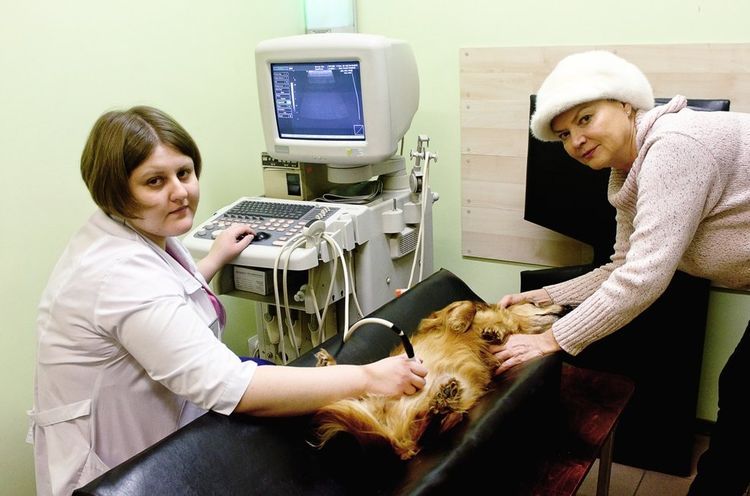
If one or more symptoms appear, don't delay a visit to the veterinarian, as your dog's condition can become critical within 24 hours. A specialist will examine your pet and perform the necessary tests (urinalysis, bladder ultrasound, and sometimes X-rays or MRIs) to identify the underlying cause.
Diagnostics
The veterinarian will be able to determine the exact cause of the deviations after examining and conducting a comprehensive examination of the animal.
During the initial appointment, the specialist will interview the owner and collect a medical history: assess the likelihood of congenital pathologies of the genitourinary system and kidneys, clarify the presence of painful sensations during urination, and also determine whether the dog has had injuries or other associated problems.
The following tests may be required to make a diagnosis:
- general and biochemical blood test;
- urine analysis;
- ultrasound examination of the abdominal organs, genitourinary system and kidneys;
- neurological examination.
Based on the diagnostic results, the veterinarian establishes a diagnosis and selects a comprehensive treatment taking into account the condition and individual characteristics of the animal.
Treatment methods
After determining the cause of your dog's frequent urination based on the examination results, your veterinarian will prescribe the appropriate treatment. Possible treatment options include:
- in case of dehydration: infusion therapy with saline, glucose or Ringer's solution.
- In stressful situations: sedatives, antidepressants.
- For urolithiasis: therapeutic diets with additives that promote the dissolution of the identified type of stone. Removal of large stones requires surgical intervention.
- In case of diabetes: dietary adjustments (preferably based on special feed for diabetic animals) and appropriate medications (for example, insulin for the insulin-dependent form of the disease).
- For inflammatory processes (pathologies of the urinary system, pyometra): antibiotic therapy taking into account the sensitivity of the pathogen to the developing infection + antispasmodics to relieve pain.
- In advanced stages of inflammatory processes and the detection of neoplasms, removal of affected tissue areas is recommended. If the tumors are malignant, chemotherapy is also prescribed.
Important! Any medications (especially those containing substances that accumulate in liver and kidney tissue) should be used with caution until liver or kidney failure has been ruled out.
All that remains for the owner to do is follow the veterinarian's orders and provide the pet with quality care so as not to worsen its condition.

Preventive measures
The following simple measures will help reduce the risk of developing pathological processes in the dog's body:
- Prevent your dog from getting too cold: provide warm, soft bedding in the resting area and do not let the dog swim in bodies of water during the cold season.
- Select a balanced diet taking into account the age, weight and other characteristics of your pet.
- Carry out vaccinations and antiparasitic treatment in a timely manner.
- Provide regular walks. Puppies and older pets should be taken for walks more frequently.
- Pay attention to training so that the dog knows that it should only empty its bladder during walks.
Read also:
- Yellow Vomit in Dogs: Causes and Treatment
- After castration, the dog wets itself: why and what to do
- Lyme Disease in Dogs: Symptoms and Treatment


Add a comment