
Are there red cats?
There are various legends and superstitions surrounding ginger pets, and many people want to have a pet with this coloring. For those who are concerned about gender, it's important to first understand whether ginger cats exist or whether such "fur coats" are unique to male cats.
Genetic aspects
The sex of an animal is determined by its chromosome set: XX for a girl, XY for a boy. The red coat color (scientifically, red) is determined by the pigment pheomelanin, but its expression depends on the state of the Orange gene responsible for color—either dominant (O) or recessive (o). It is linked to the X chromosome, so at first glance, females have a much higher chance of getting two orange genes. But in reality, everything is exactly the opposite. The fact is that it is very rare for the red gene to be present on two chromosomes at once: usually, one of them carries the gene for dark color. This is why multi-colored cats with two or more orange genes are most often produced. three-color fur coatHowever, for males, the X chromosome is dominant, so cats with red fur are born much more often.
Thus, there are female ginger cats, but they are much rarer, and their rarity is indeed due to circumstances. Furthermore, it's impossible to predict in advance what the individual's genetic makeup will be or whether the Orange gene will be dominant. However, depending on the parents' coat color, it's possible to predict with a high degree of certainty what color the offspring will be:
- red-haired males and females will have offspring of the same color;
- a red or cream female and a dark (brown, lilac, blue) partner will have boys like their mother, girls - with tortoiseshell color;
- A dark female and a red male will have boys like their mother, while girls will be multi-colored.
- If a tortoiseshell female and a black partner have females that are either like their mother or father, males can be black or red;
- In a tortoiseshell female and a ginger male, the females can be any of these colors, while the males can be black or ginger.
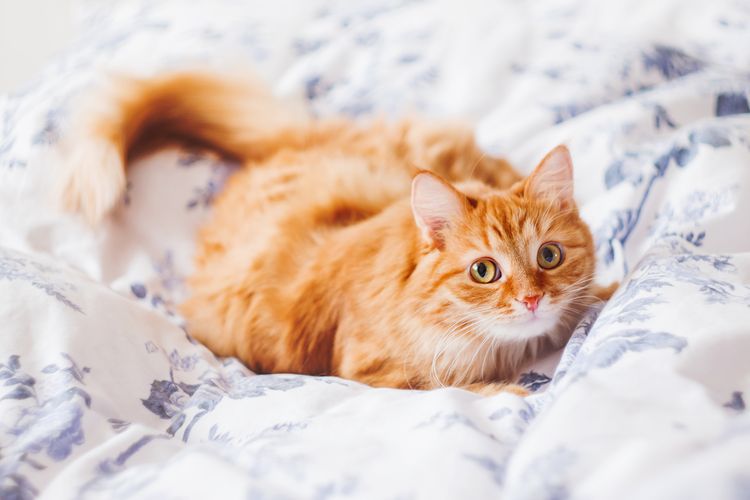
Red-haired female cats are approximately four times less common than male cats. Among the former, multicolored cats are more common, with several colors mixed in different combinations within a single animal.
Breed characteristics
Red fur is very popular in domestic pets, but it's not a defining characteristic of the breed. However, breeders have learned to artificially develop certain color variations using specific calculations. While non-pedigree animals can also have red fur, it's a natural color for some breeds. These include:
- Persian;
- Siberian;
- British;
- Maine Coons;
- Somalia;
- Karelian Bobtails.
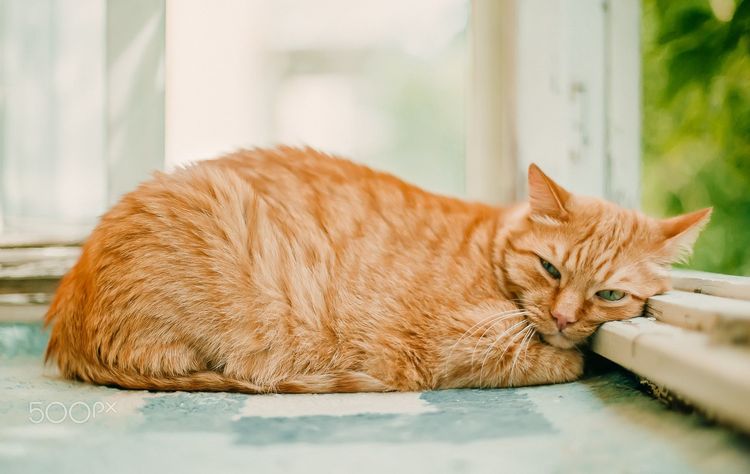
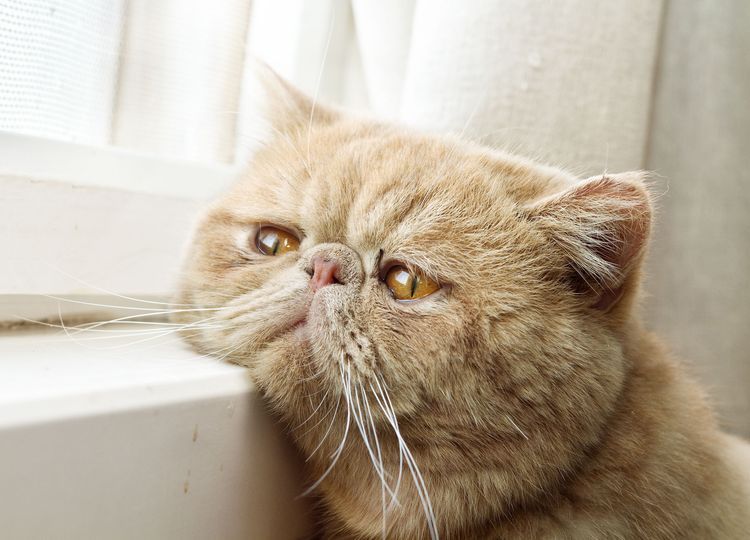
If a kitten receives not only the Orange gene but also the so-called diluter gene from one of its parents, the coat color will be a soft, muted peach rather than a bright red. This coloring is especially characteristic of the British Shorthair and Persian breeds.
It is also believed that the intensity of the color can be enhanced by:
- Supplementing your pet's diet with iodine (found in seaweed) and beta-carotene (found in carrots) through natural sources or supplements. Copper deficiency can contribute to coat discoloration.
- The use of special care products, which is more relevant for pets participating in exhibition activities.
Interesting facts about ginger cats
So, it's not just male cats that are ginger, but also female cats. Both are associated with various interesting facts and superstitions:
- The most common eye color in redheads is amber or copper of varying intensities. Green is considered rarer.
- The most common nicknames are Orange, Ryzhik, Ginger and Cinnamon.
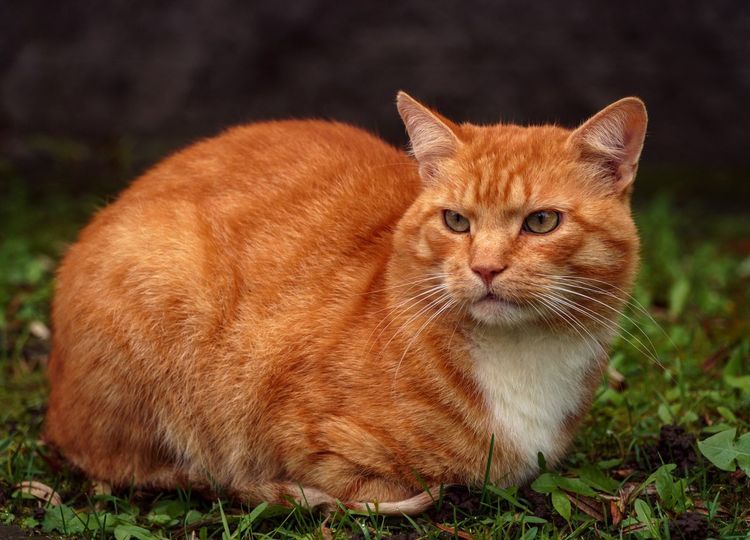
- Depending on the concentration of the pheomelanin pigment, fur color can vary in intensity—from a delicate cream to a rich amber. However, cats are never completely red. They have uneven coloring: a specific pattern or inclusions of other colors, with the back usually darker than the belly.
- There's a common misconception that "sunny" pets have a complex personality (increasing in complexity in direct proportion to the brightness and intensity of their coloring) and are more susceptible to illness than their counterparts with other colors. Some experts claim that these animals tolerate anesthesia or pain medications less well. However, none of these claims have been scientifically proven.
- According to popular belief, pets with such a brightly colored coat speed up the recovery of sick people, help overcome depression more quickly, and attract material well-being to the home.
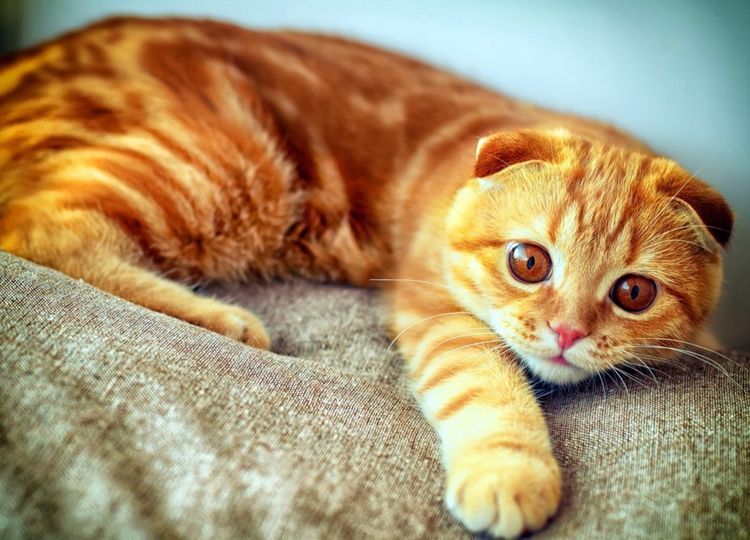
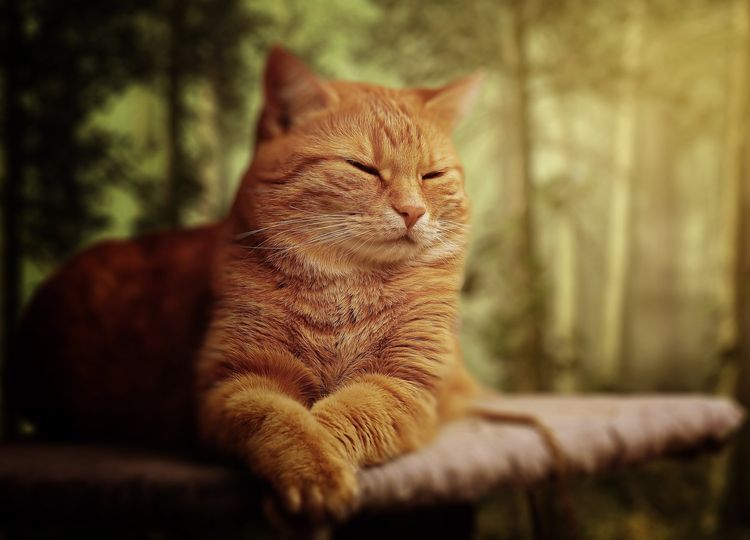
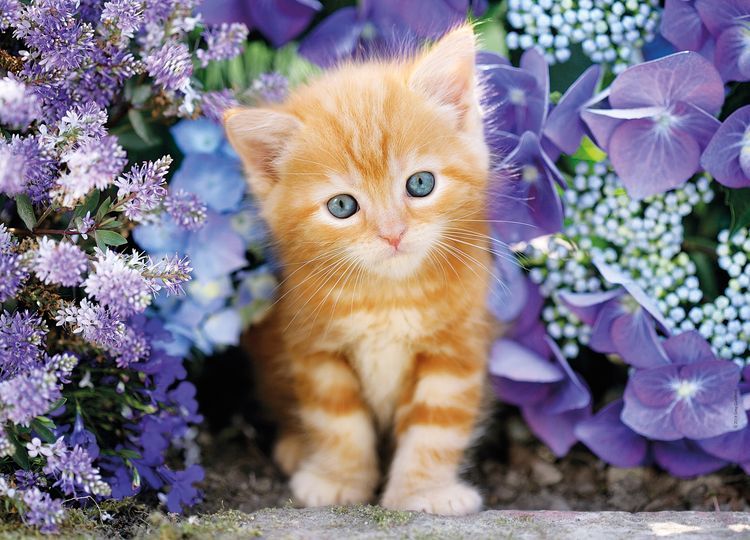
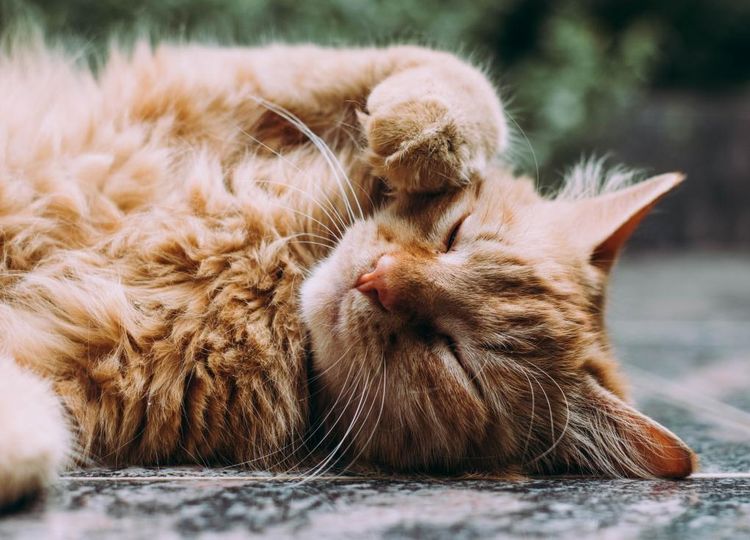
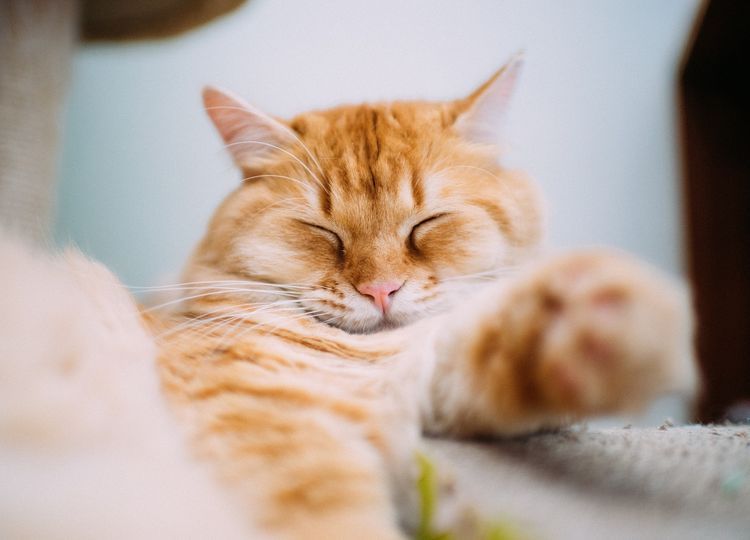
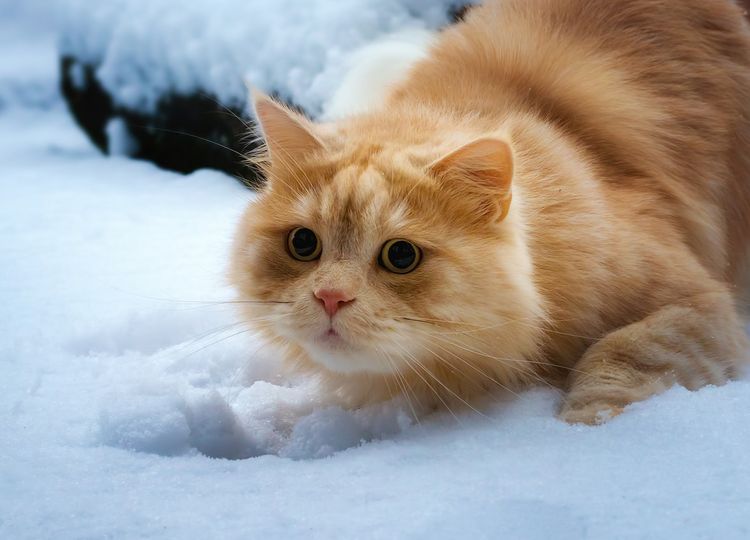
Photos of beautiful ginger cats:
Read also:


Add a comment