
Burmilla: male and female cats
One completely accidental mating of a Burmese and a Persian Chinchilla gave the world a stunning new breed – BurmillaThese cats carry the famous Burmese character and stunning appearance. chinchillasSmart, affectionate, and people-oriented, they attract attention and are becoming more and more popular every day.
Content
History of the breed's origin
Back in 1980, Australian breeders noticed a very interesting thing - by crossing Persian AndBurmese breed beautiful shorthaired and longhaired kittens of silver color are produced. Since then, one of the catteries has seriously taken up breeding the new breed, and after several years of work, the Burmilla (English. Burmilla) was presented at the Sydney exhibition.
The beautiful appearance of the cat with its incredibly soft fur captivated everyone present at the exhibition. However, organizations stubbornly refused to recognize the newly developed breed. Proving their case and gaining international recognition required considerable effort, and it wasn't until 1999 that breeders achieved their goal.
FiFe recognized the Burmilla standard in 1994, but many other feline organizations still refuse to recognize the breed, especially with longhaired specimens. Meanwhile, the Burmilla actively participates in international shows and has won prizes at various cat shows worldwide. This breed has not yet become widespread in the Americas and Europe.
Video review of the Burmilla cat breed:
Description of the breed
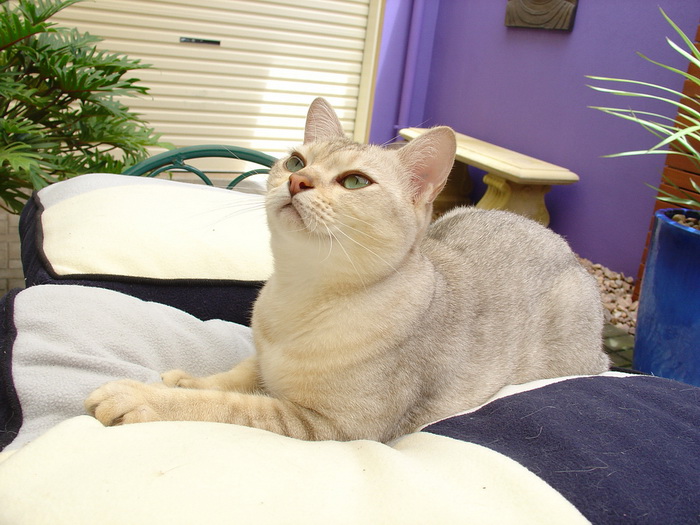
The Burmilla has a charming appearance. Its body is proportionate and medium-sized. When viewed in profile, its proud posture and rounded chest immediately catch the eye. Below is a detailed description of the breed:
Head and muzzle
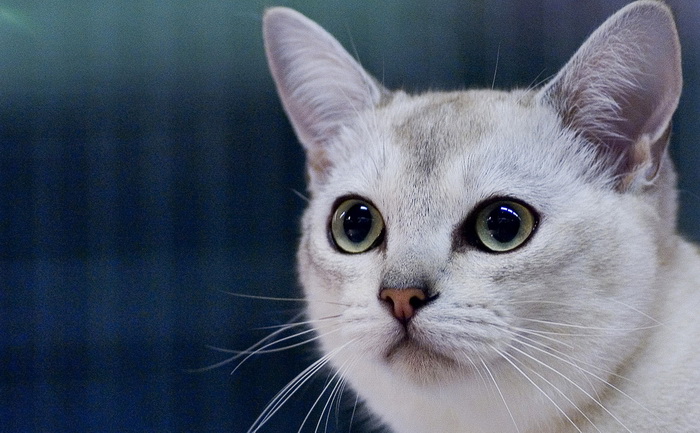
The Burmilla's head is neatly rounded, with beautiful, soft features on a fairly wide muzzle. The overall shape is balanced and wedge-shaped. The skull has some distinctive features: it is wide at the eyebrows and tapers toward the jaw. The ears are medium-sized, tilted slightly forward, and set fairly wide apart (a feature borrowed from the Burmese cat breed).
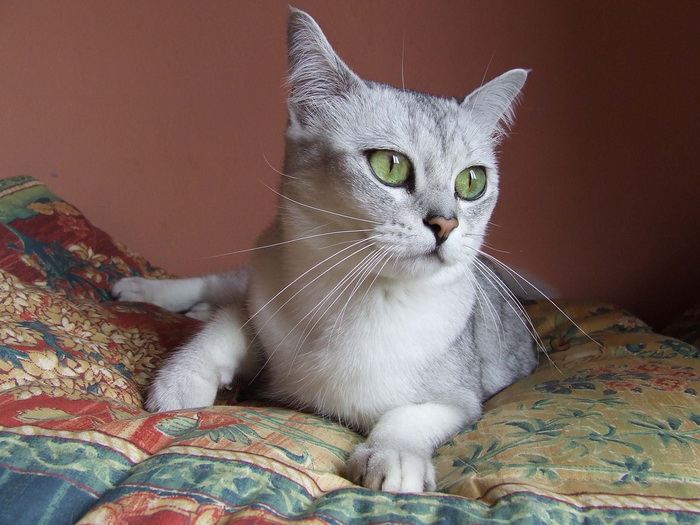
Beautiful, wide-set, large eyes that can be any shade of amber or green. Any other eye color is not typical of the Burilla breed and may be considered an admixture.
A distinctive feature is the black rims around the eyes. They look as if they were intentionally lined with eyeliner, even and neat.Frame
The Burmilla's back is straight, its front legs are slightly shorter than its hind legs, and its pads are rounded. They are thin and muscular. It has a beautiful, long tail that tapers and rounds at the end.
Wool
The Burilla's pride is the quality of its fur. It's almost weightless, soft and silky to the touch. The breed comes in two types: shorthaired and longhaired.
- Shorthaired cats have short, silky, and smooth hair. The undercoat is neither long nor too thick, giving the topcoat a slight lift.
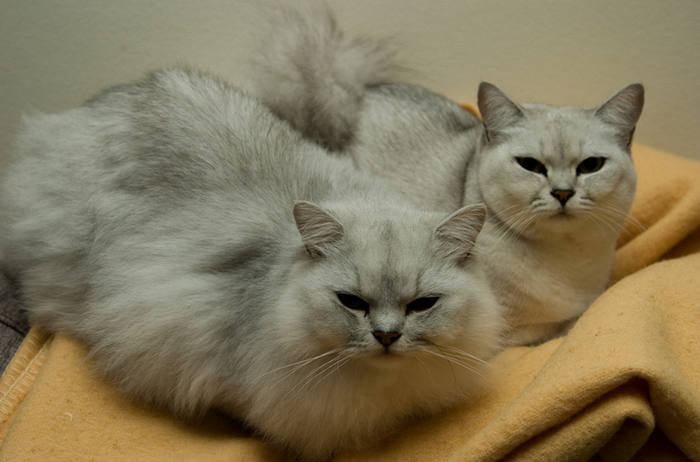
- Longhaired cats also have fine and soft fur, typically medium-length. The longer hair on the neck forms a ruff. The tail also has particularly long hair, resembling a beautiful train.
Colors
The base color appears light with its characteristic “spray” at the very tips or a little lower.
- If 1/8 of the hair is dyed, it is a chinchilla color;
- If 1/6 part – the color is shaded;
- And if 7/8 of the hair length is dyed, the color is smoky.
The Burmilla's color is never solid: it is either chinchilla or shaded.
The color of the darkened areas can be:
- black,
- brown,
- cream,
- blue
- purple.
The most popular colors for the Burmilla breed are silver and golden chinchilla.
Character
The Burmilla is ideal for any family, including those with small children. They are energetic and sociable, highly intelligent, affectionate, and completely non-aggressive. They will demand attention when everyone is home, but when alone, they will find something to occupy themselves with. They are curious with guests and strangers and allow petting, but are not overly affectionate.
At a young age, kittens are quite active, love to frolic, play with balls, and other toys. As adults, cats become independent, even-tempered, and calm.
Reviews of the breed
In addition to their charmingly beautiful appearance, Burmilla cats also have a kind and docile nature, are completely non-confrontational, and are undemanding. Below, we've compiled the most interesting reviews from Burmilla cat owners:

A Burmilla breeder's comment on crossbreeding


If a cat has the opportunity to go outside, it will definitely take advantage of it, and perhaps even prove itself to be a clever hunter.

The Burmilla will be happy in any family as long as it is respected, appreciated and given plenty of care.
Maintenance and care
Burmillas adapt easily to any living conditions. They thrive in apartments, especially if they have plenty of toys or a play structure. Burmillas enjoy outdoor walks. Therefore, the breed is also suitable for those with a private home and garden.
Cohabitation with other animals
A Burmilla family usually doesn't have any problems accepting new furry friends. If a neighbor is too annoying, this furry beauty will simply leave. She'll show interest in smaller animals, but, understanding that they're family members, she's unlikely to touch them. However, if a Burmilla isn't given the attention it deserves, jealousy may develop.
In general, Burmillas don't require complex grooming, especially short-haired cats. Frequent bathing isn't recommended, and brushing three to four times a month is sufficient. Fluffy cats are a bit more challenging. Because their fur is quite long, it requires constant grooming. It's recommended to brush their hair every other day, and even twice a day during shedding season—morning and evening—to prevent tangling and matting. Because their fur is thin and fragile, owners of this stellar breed should choose a soft brush and a gentle comb.
You should also pay attention to their claws—trim them monthly. And be sure to buy your kitten a scratching post, as sooner or later, this instinct will manifest itself, and your furniture will be vulnerable to attacks.
Another care rule concerns the eyes. Burmilla eyes are very beautiful, wide-set, large, with an oriental slant and a mysterious green color. Make sure their appearance isn't marred by discharge. Wipe the eyes with swabs soaked in a prepared saline solution or a weak plantain decoction. A 3% boric acid solution is also recommended.
Diet
Burmilla owners should carefully consider their cat's diet and ensure their weight does not exceed 5 kg. This will ensure a healthy, calm, and happy cat will delight you with its presence in the home for a long time. As for food, it can be either natural or commercial. Burmillas are prone to obesity, especially neutered ones. This increases the risk of developing many health problems, including metabolic disorders, heart disease, liver disease, and gastrointestinal problems.
Vitamin supplements are available in specialized stores today. Burmilla cats especially need vitamins A, B, C, D, and E. A deficiency in these vitamins can lead to hypovitaminosis or avitaminosis.
Diseases and life expectancy
Burmillas are athletic cats that remain active into old age. Overall, their gene pool is quite healthy. The only traits they inherited from Persian cats are a predisposition to kidney disease and cardiomyopathy, which are not found in all lines.
Most frequently, diseases are registered that are associated with improper nutrition, maintenance, and the lack of necessary veterinary measures.
Average life expectancy is 13-15 years
Choosing a kitten and price
Burmillas are very difficult to breed. Breeders constantly need to maintain the breed's lineage and not lose its "brand," which is why they are quite expensive. Only a few are breeding them, but the breed has nevertheless found a liking among enthusiasts.
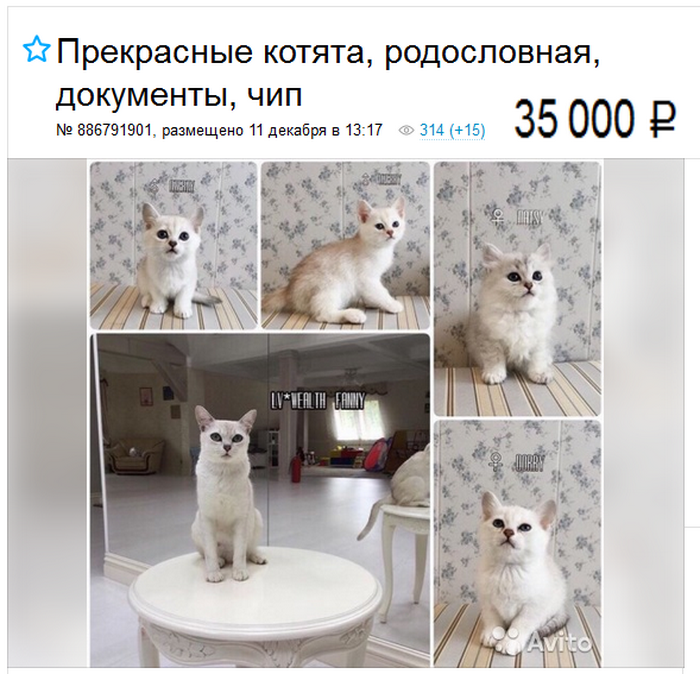
The average price for a pet-class Burmilla kitten is around 30,000 rubles. Prices may vary depending on color, pedigree, and the location of the cattery.
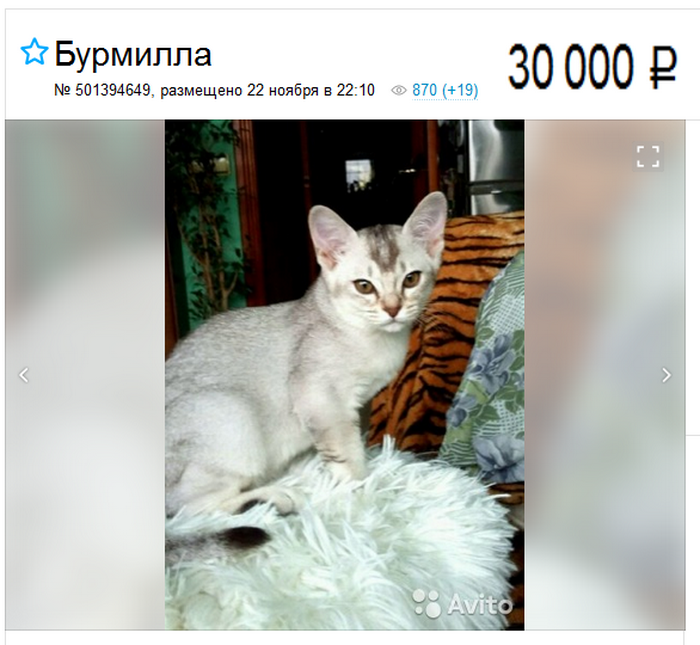
The price of a cat can vary depending on the buyer's requirements. Show-quality Burmillas are more expensive than breeding cats, which are needed for further breeding, while spay/neuter cats are more or less affordable for the hobbyist. In any case, pedigree kittens start at $300.
The price of long-haired and short-haired Burmillas is approximately the same.
Photos
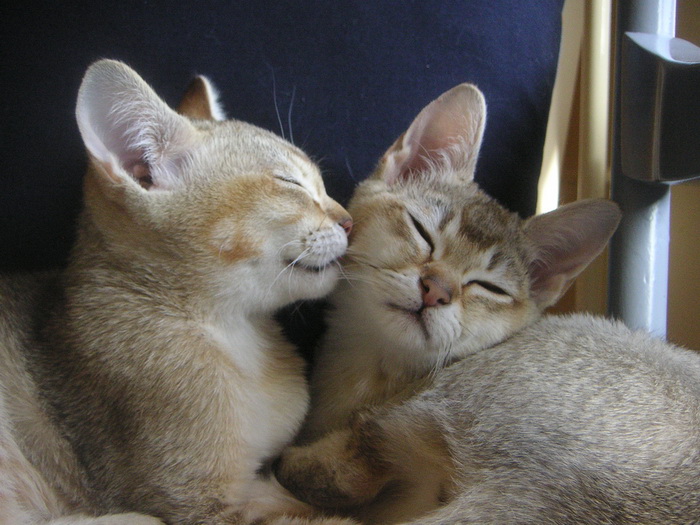
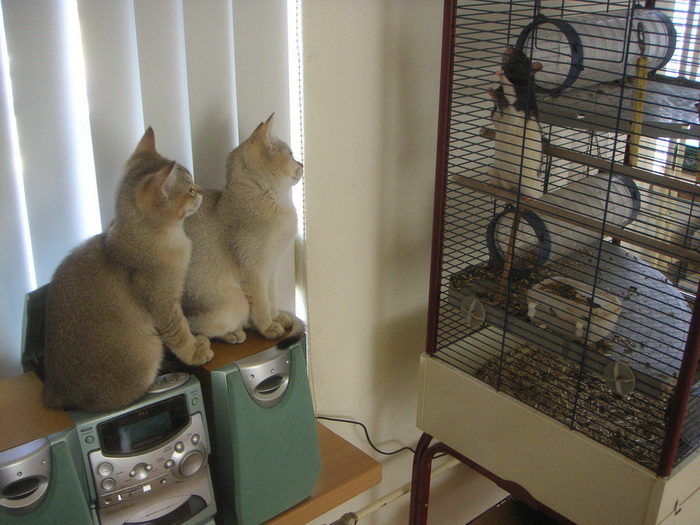
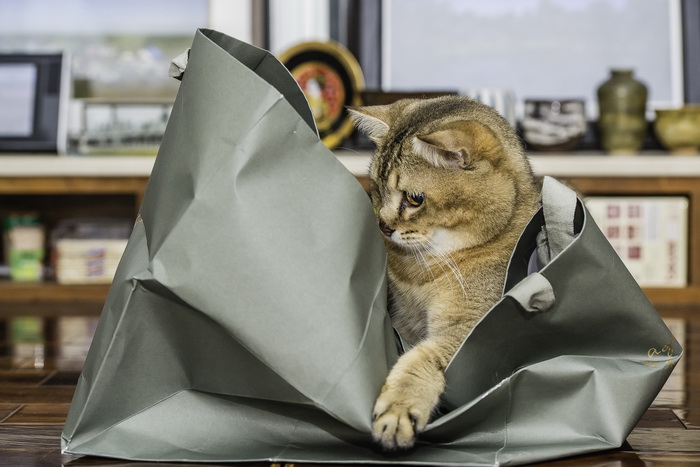
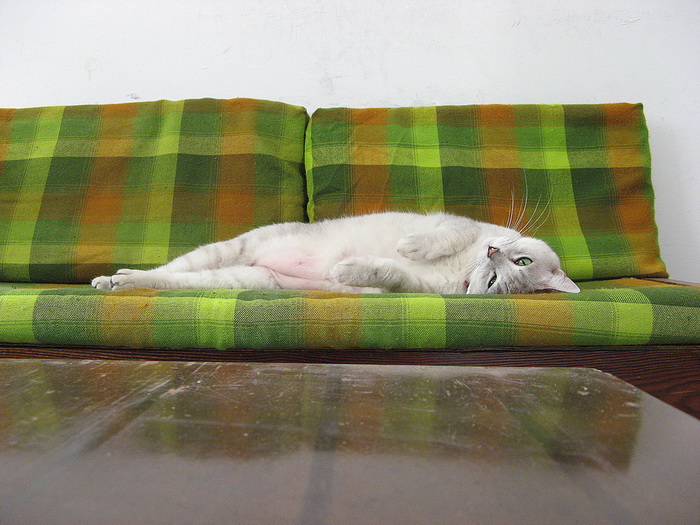
Photos of Burmilla cats:
Read also:


Add a comment