
Bullmastiff
The Bullmastiff was originally bred in Great Britain with one goal in mind: to create an energetic and strong fighting breed. No one considered other qualities or attractive appearance. After the era of dog fighting ended, they were used as guard dogs. But later, breeders decided to refine the breed slightly. Today, Bullmastiffs are used as loyal and reliable companions with excellent guarding qualities and a charming personality.
Content
History of origin
Bullmastiffs are mentioned in literature and paintings from the 18th and 19th centuries. However, serious breeding only began in the early 20th century. Before this, virtually nothing is known about the Bullmastiff's origins. To combat poachers, forest rangers needed dogs that were excellent at their job, resilient, fast, and strong. They maintained silence during pursuits and were able to make their own decisions without waiting for commands from their master. These working qualities were rigorously honed over generations.
A famous English breeder decided to consolidate the bullmastiff type and began systematic direct crossbreeding. English Mastiff with a bulldog. According to his data, the dog should have 60% mastiff and 40% bulldog. Thus, a separate line was established, registered under the designation "Farcraft." These were among the first purebred dogs of this breed to be entered into the stud book of the English Kennel Club.
In 1924, the breed was officially recognized. A year later, a breed club was registered and the first standard was written. Since the 1930s, Bullmastiffs have been exported to other European countries, the United States, and South Africa, where they are still used to guard diamond mines.
Appearance
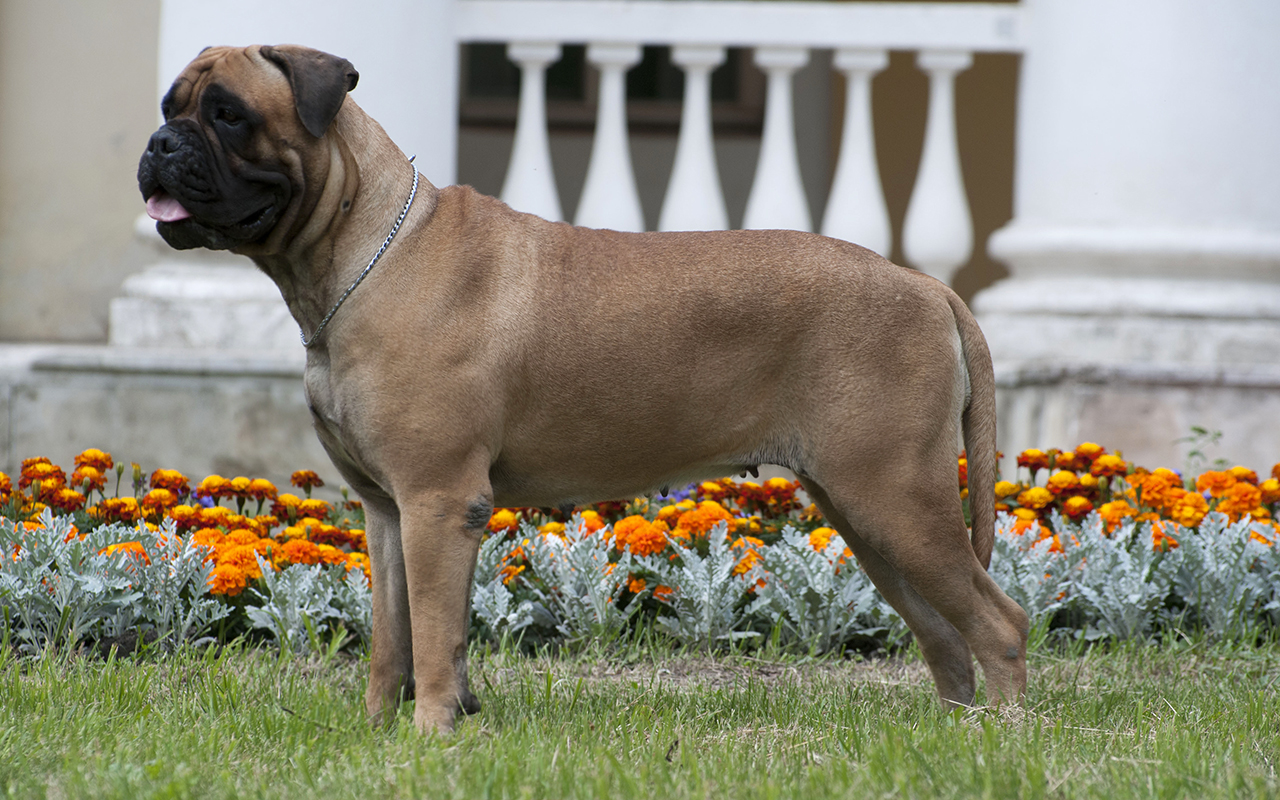
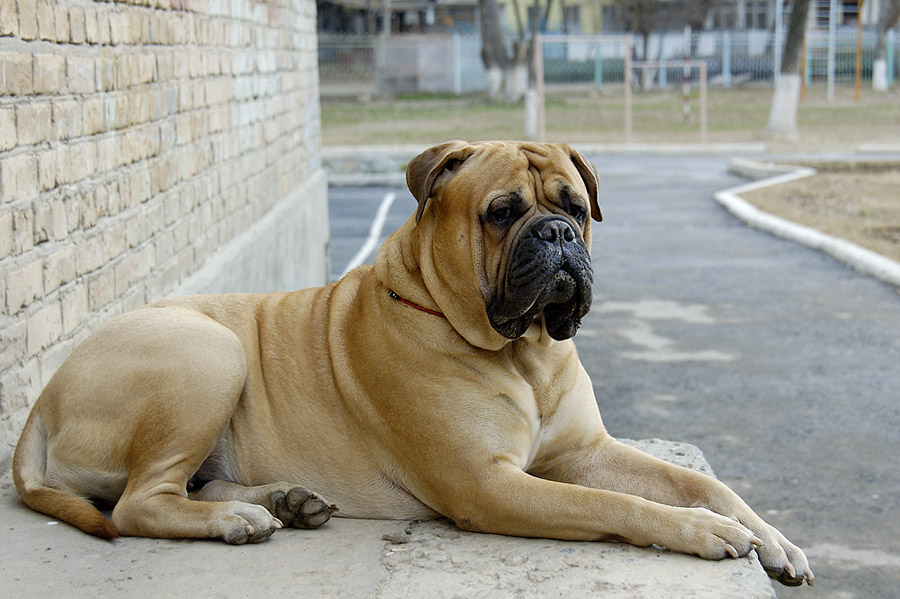
The Bullmastiff's appearance retains the key characteristics of the Molossian type. Its build is powerful and harmonious.
Muzzle
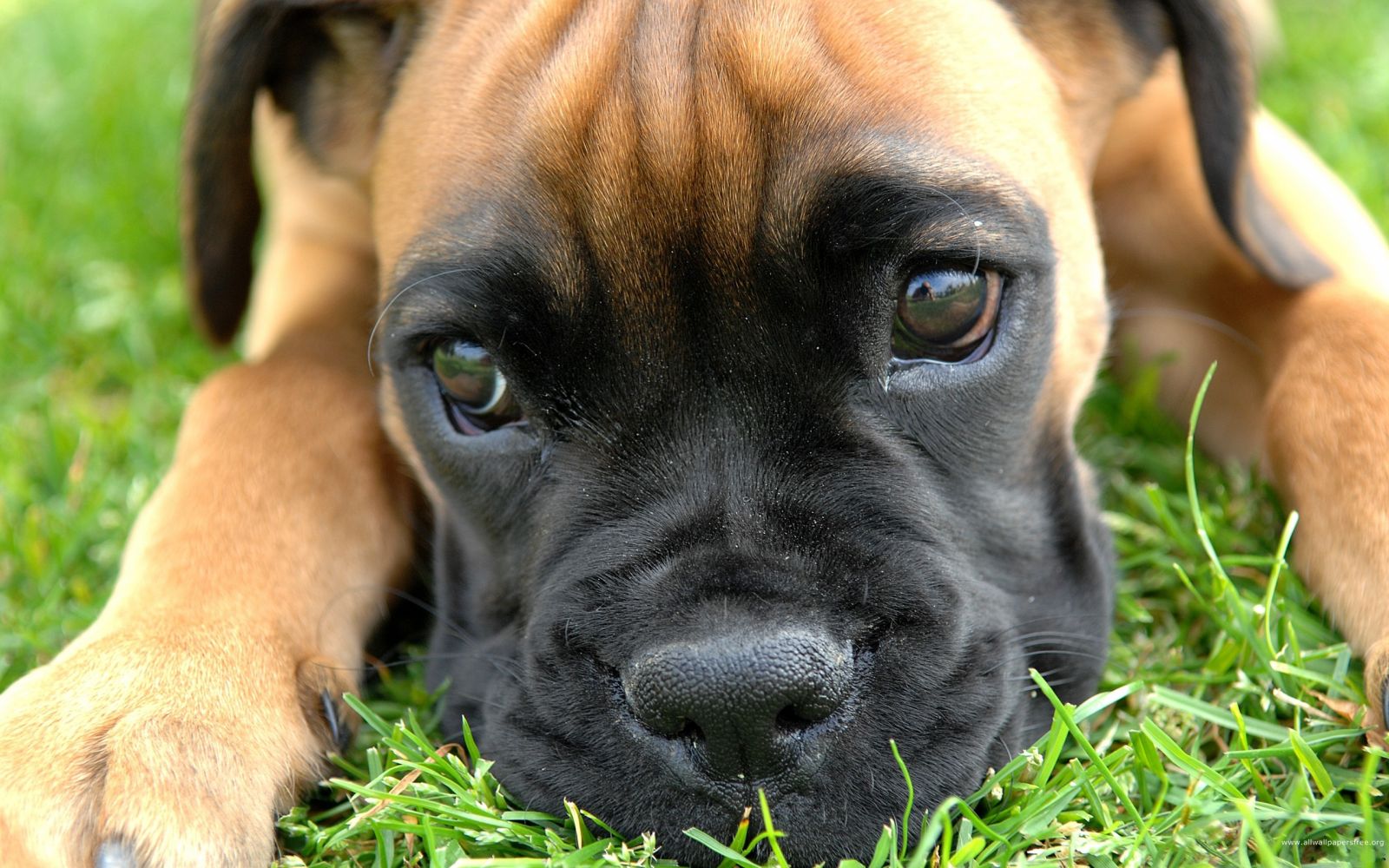
The head is broad and square. The muzzle is short. The wrinkles on the forehead are not pronounced when the dog is at rest. The cheeks are full, with a distinct stop. The nose is rounded, with wide-open nostrils. The eyes are set wide apart and dark in color. The flews should not droop under the lower jaw. The bite is level, but a slight undershot bite is permissible. The ears are set wide apart and small and drooping.
Body
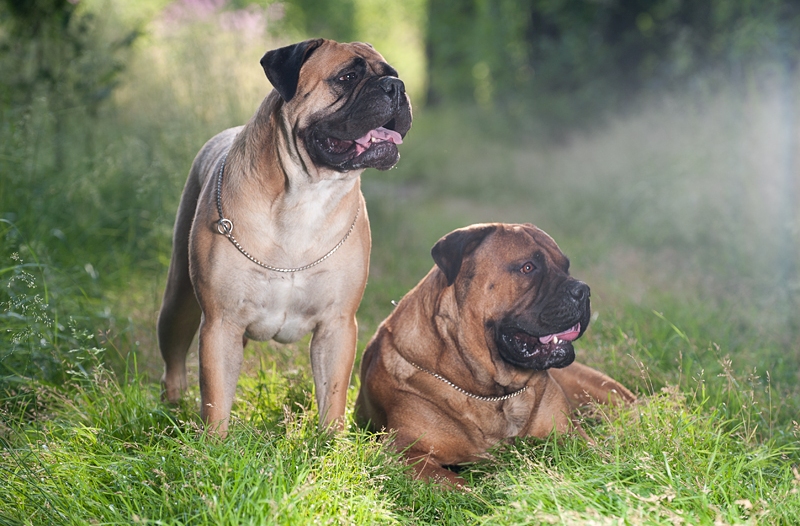
The chest is broad and deep. The back is straight. The limbs are strong, straight, and set wide apart. The tail is strong at the base, tapering toward the tip. The coat is short and harsh. The coat is a uniform red or fawn (yellowish-brown) color, and may be brindle. A spot on the chest is permitted. The muzzle must have a dark mask, and the ears are also darker in color than the body.
Breed training
Training begins with puppies from the very first days they meet. By three months of age, a dog should know its name, understand the "come" command, distinguish its resting place from its owner's, and master the basics of leash walking. At six months, dogs are taken to the playground and trained more seriously. They finally master the general training course. Bullmastiff puppies are intelligent, but can be stubborn and easily offended, so training Bullmastiffs should be based on gentle, consistent, and calm instruction.
Guarding skills are taught after one year. Bullmastiffs are not particularly fond of baiting. Physically and psychologically, the dog is not fully developed until two or three years of age. Furthermore, guarding qualities are in this breed's DNA, and there's no point in cultivating excessive viciousness. Bullmastiff owners should also be aware that these dogs quickly become bored with the same command, and they generally dislike being retrieved.
A Bullmastiff should receive adequate exercise at any age. However, puppies benefit from long walks, light jogging, and active play. If the dog doesn't have conflicts with other dogs, playing together will be beneficial. After a year, you can introduce pulling exercises and cycling. Avoid overdoing long jumps and high jumps. It's important to remember that any exercise should be gradual.
Application
First and foremost, the Bullmastiff is a guard dog that, with proper training, will become a universal favorite and an excellent companion. If you live in your own home, don't miss the opportunity to use your pet's guard skills to protect your property. Your pet will handle this task with flying colors.
Breed character
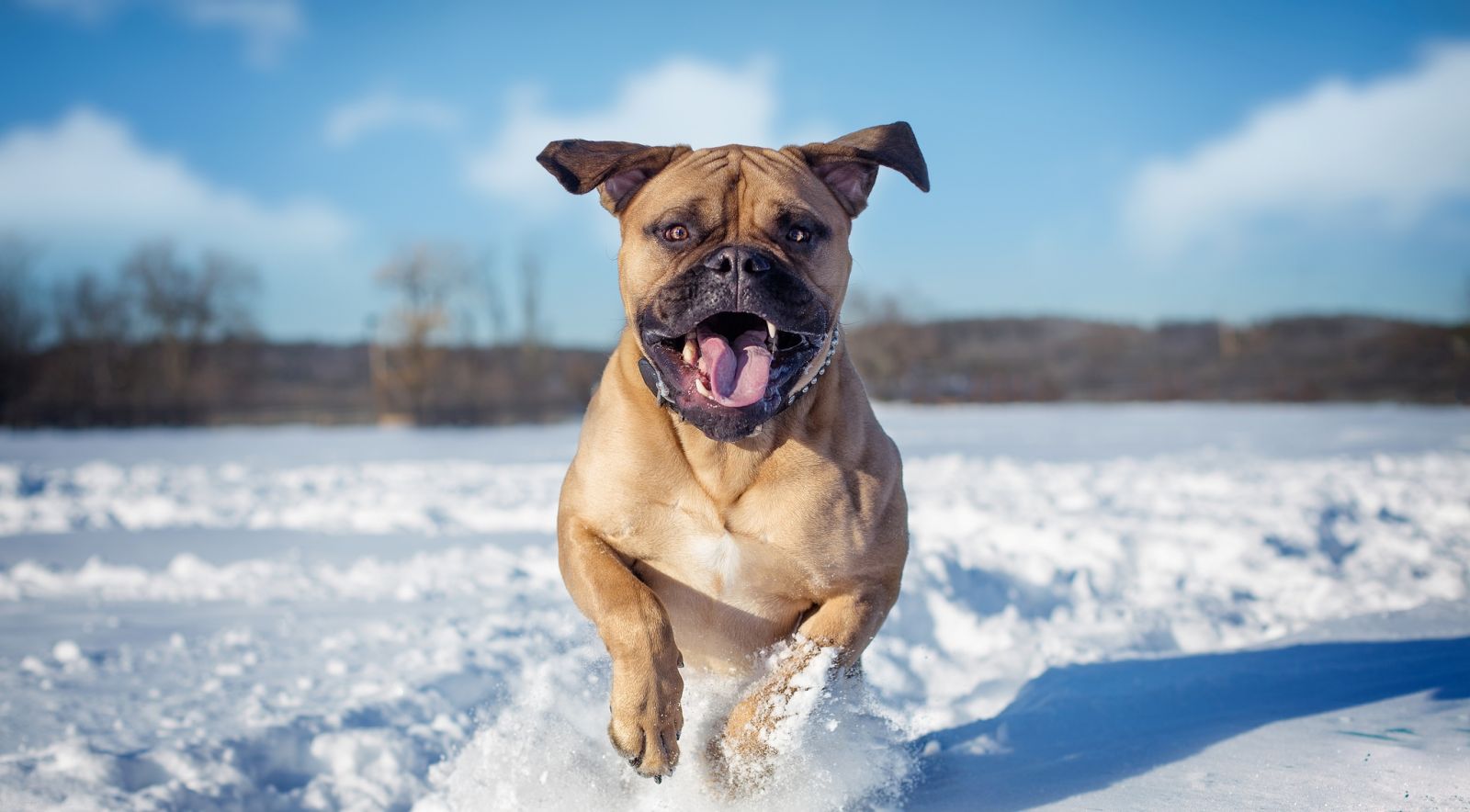
Bullmastiffs have a balanced and serious personality. They are loyal to their family. They can be a bit lazy. A well-trained dog will never bark without cause and will only attack if it sees no other way out. Bullmastiffs quickly adapt to their surroundings and all family members.
Active, energetic, very strong, and courageous dogs with a stable psyche. They are devoted to their owners and will stand to the last, protecting their family. Despite their intimidating appearance, Bullmastiffs are very affectionate and attentive. They are wary of strangers. A Bullmastiff's psychological profile will also depend on the environment in which the dog was raised and trained.
The Bullmastiff lacks natural aggression and unprovoked malice. He is always aware of the situation and knows how to manage his strength.
The Bullmastiff is very affectionate with its owner; not only does it adore them, but it's also willing to follow them everywhere. It's interested in everything you care about, and if you're bothered by its obsessive devotion, nip it in the bud.
The Bullmastiff barks rarely and for good reason, which is a good advantage in urban conditions.
Maintenance and care
Dogs of this breed will feel quite comfortable in an apartment, provided they have ample exercise. Keeping a Bullmastiff in a kennel is possible, but in severe frosts, the dog will have to be brought indoors.
With proper training, this breed is loyal to children. However, leaving the dog alone with a small child is not recommended, as the pet may unintentionally frighten or injure the child. It's difficult to give a general idea of how well they get along with other animals. This is a highly individual matter, and socialization isn't crucial. This breed isn't suitable for everyone, as managing their strength requires a firm hand and strong character.
With such a strong and powerful dog, you need to build a relationship where you are both the owner and the pack leader. This is not an easy dog, and if you decide to buy a Bullmastiff, consider whether you are ready for this step.
Bullmastiffs are easy to care for. To keep their coat healthy and shiny, brush them weekly. Bathe them infrequently. Because the breed is heavy, the condition of their paw pads is checked periodically. With sufficient exercise, their nails wear down on their own; otherwise, they need to be trimmed.
Include a mandatory eye and ear examination in your pet's hygiene routine. Monitor their cleanliness and condition. If any abnormalities arise, contact a veterinarian.
Feeding
Feeding a Bullmastiff is generally straightforward; these dogs are not picky eaters. Owners only need to choose between natural food or dry food. It's important that the diet is balanced and meets the dog's exercise requirements. Food and water bowls are placed on a stand.
Bullmastiffs are prone to obesity, which is associated with certain health problems, so it's important to maintain a proper feeding schedule and not increase portions unnecessarily. If you prefer to feed your dog commercial food, it's definitely worth using high-quality holistic foods or at least super premium ones.
Don't feed your Bullmastiff cooked and raw vegetables at the same time. Raw foods are difficult to digest, and adding cooked food to the mix can cause indigestion.
If a dog isn't eating anything but shows no outward signs of illness, that's normal. Sometimes a Bullmastiff likes to have a fasting day.
Health
Bullmastiffs are generally healthy, strong, and resilient dogs. The most common health problems include:
- hip dysplasia;
- congenital dislocations;
- ligament ruptures;
- predisposition to flatulence, possible gastric torsion;
- interdigital dermatitis;
- eversion and inversion of the eyelids;
- urolithiasis;
- lymphosarcoma.
- skin problems (contact dermatitis, partial hair loss and eczema).
Life expectancy is 9-10 years.
How to choose a dog
When buying a Bullmastiff, decide immediately whether you want a male or a female. Females are calmer and are best for those who have never trained a Bullmastiff before. Furthermore, female Bullmastiffs are cleaner than males. They have fewer leadership qualities and a more flexible personality.
A Bullmastiff puppy must meet the breed standard. If you notice a nervous puppy, this is cause for concern. An abnormally curled tail, indicating a croup defect, is considered a faulty appearance, as is excessive tearing of the eyes, a sign of entropion. Thick and long ears are also considered a fault.
Be sure to check the animal's documents and read reviews about the nursery.
When it comes to the price of a Bullmastiff, the puppy's cost depends on the class. For example, a show-class puppy can cost up to $1,000, while a pet-class dog can be purchased for 8,000 rubles.
Photos
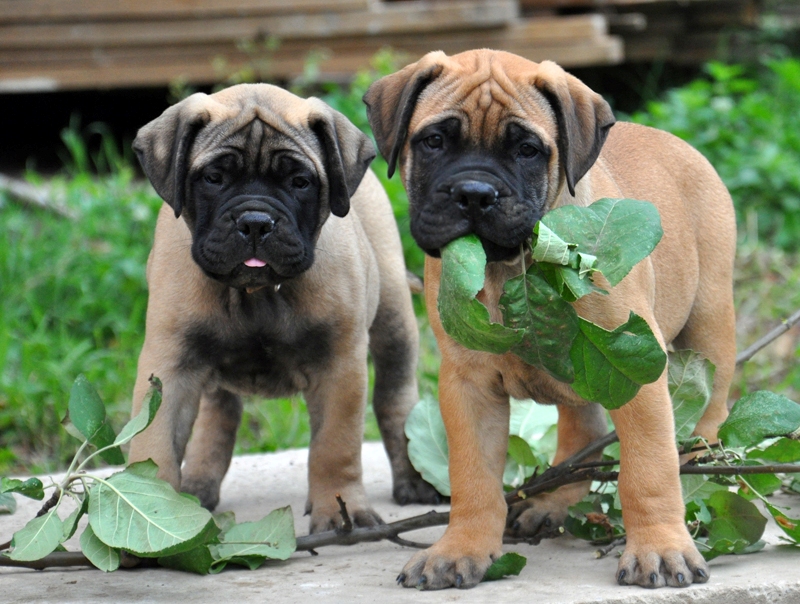
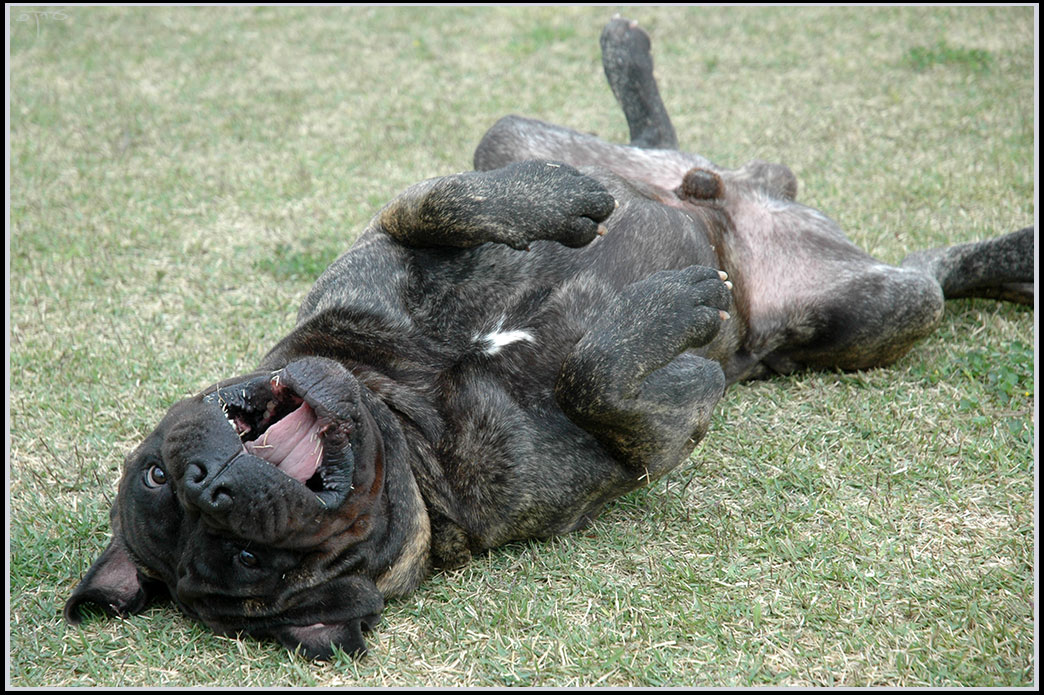
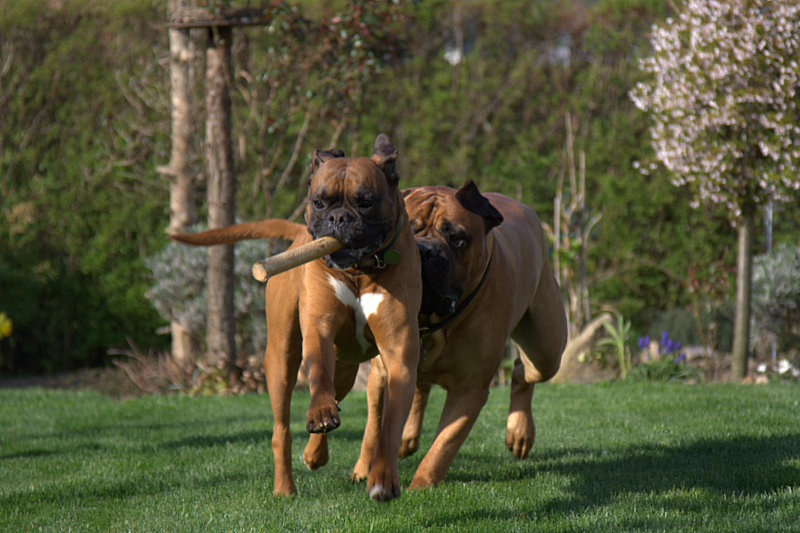
Photos of Bullmastiffs:
.jpg)
Read also:


Add a comment