
Bukovinian Shepherd (Southeastern European Shepherd)
The Bukovinian Shepherd (Southeastern European Shepherd) is a large herding and guard dog. It is self-assured, balanced, and calm. The breed is provisionally recognized by the FCI.
Content
History of origin
The Bukovinian Shepherd is an aboriginal dog breed whose ancestors inhabited the Carpathian region and the southern Danube. Particular attention was paid to selecting shepherds for working qualities in northeastern Romania, in Bukovina County, and in Serbia. These regions have been known since time immemorial as cattle herding and livestock breeding areas. Consequently, four-legged helpers were needed here, protecting the flocks from predators and intruders.
In Romania, Bukovinian Shepherds were also called Kapau or Dulau. Genetically, the breed is closely related to Kuvasz, commander, Tatra Shepherd Dog, Maremma-Abruzzese And PyreneanFor a long time, the Bukovinian Shepherd wasn't considered a distinct breed. The first standard was written in 1982 and updated in 2001.
Purpose
For many centuries, the primary job of Bukovinian Shepherds was to protect flocks from predators and intruders. Today, they are more often found in country houses as guards and companions.
Appearance
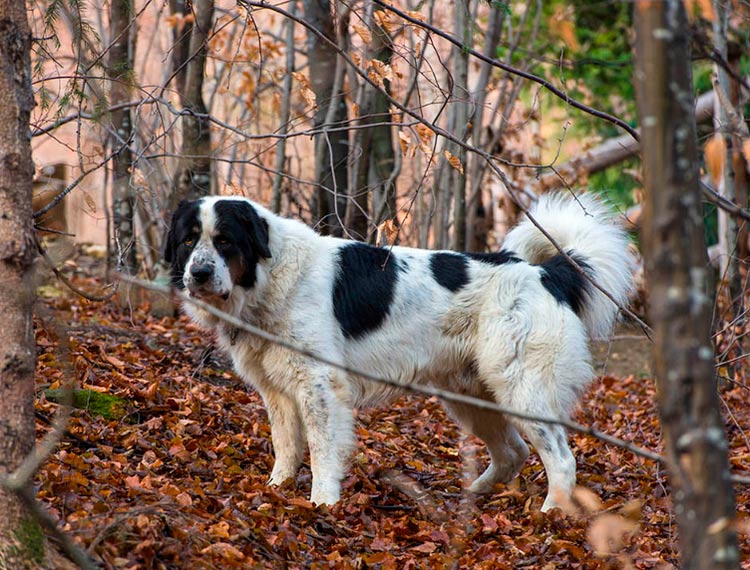
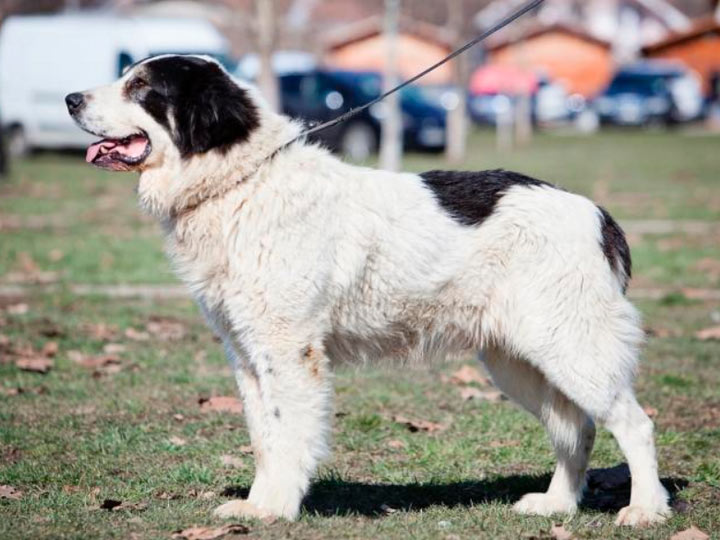
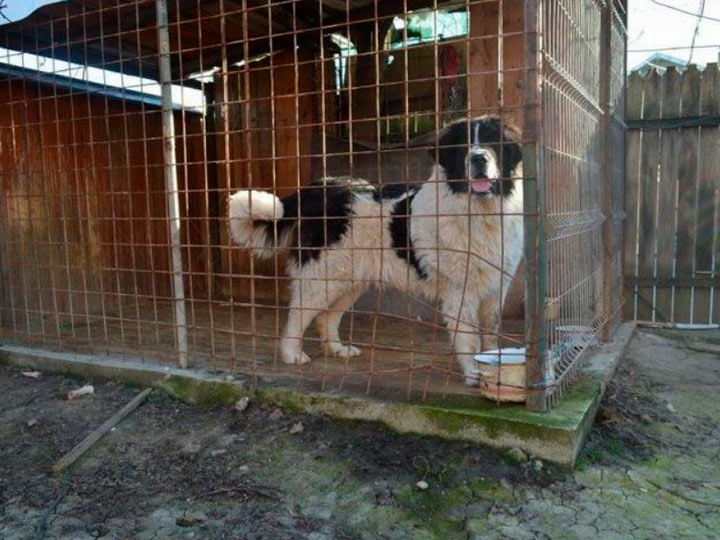
The Bukovinian Shepherd is a large, massive dog of somewhat elongated build with very thick, semi-long hair and a well-developed undercoat, a large head, and strong limbs. Sexual dimorphism is very pronounced.
- Height at the withers of males is 68-78 cm;
- The height at the withers of bitches is 64-72 cm.
Weight is not specified by the standard; it should be proportionate to height. Typically, it ranges from 60-80 kg.
The head is massive, set slightly above the topline, and not heavy. The skull is slightly domed and moderately broad. The stop is moderately pronounced. The muzzle is straight, voluminous, tapering slightly toward the nose, but not pointed. The lower jaw is very strong. The teeth are complete. The bite is scissor-like, but a level bite is acceptable. The nose is large, black, and well developed. The eyes are small in relation to the head, set obliquely, almond-shaped, and light brown or brown in color. The eyelids are well pigmented. The ears are set fairly high, V-shaped, hanging, and lie close to the cheekbones, with slightly rounded tips.
Ear and tail docking is prohibited.The neck is powerful, without dewlap, and of medium length. The body is compact. The topline is horizontal. The back is muscular and strong. The croup is moderately sloping. The chest is deep, broad, and let down to the elbows. The ribs are well sprung. The underline is slightly tucked up. The tail is set high. The forelegs are vertical. The hind legs are strong, muscular, and set firmly. The paws are oval, with well-arched, well-knit toes. The nails are gray or black.
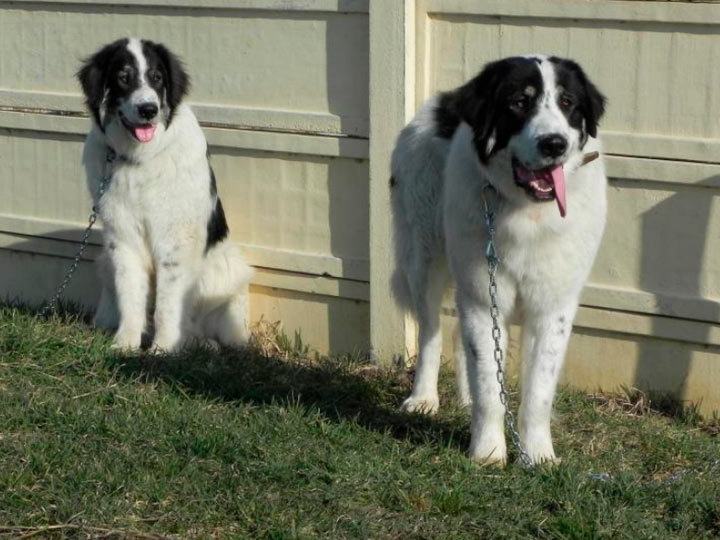
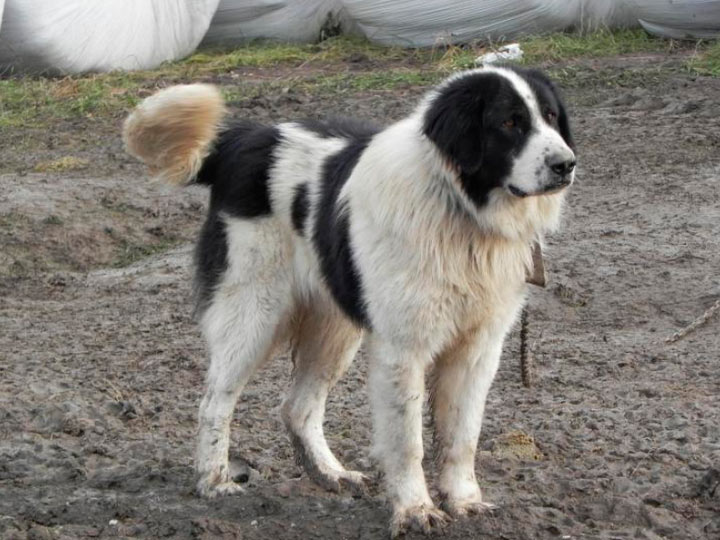
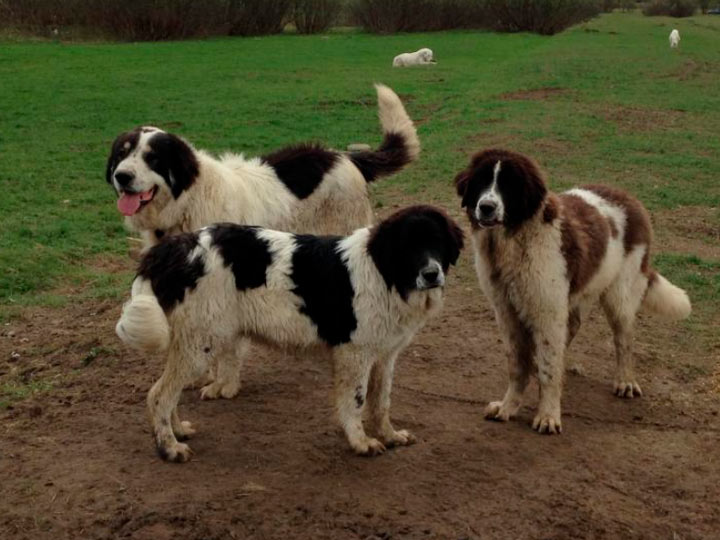
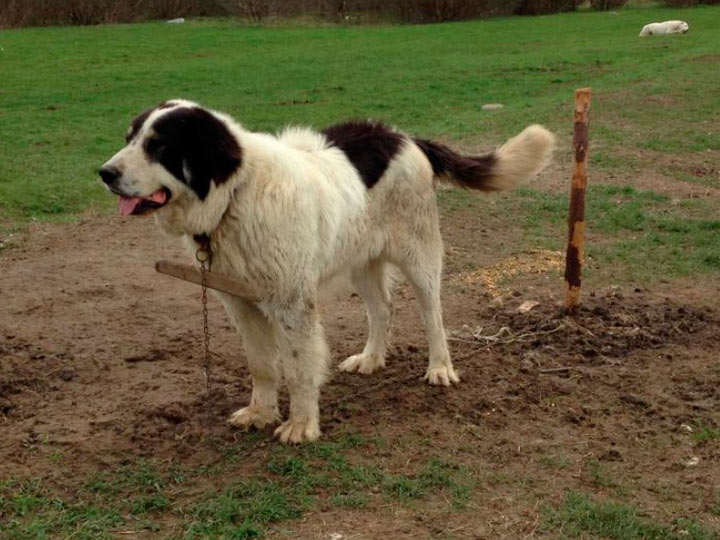
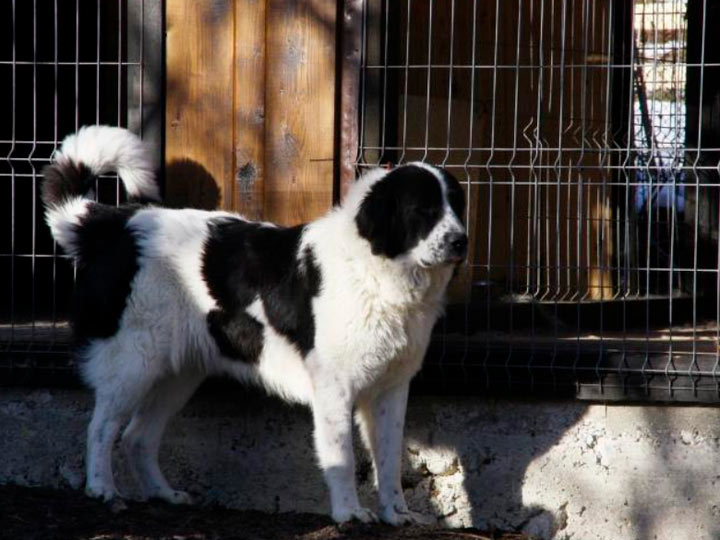
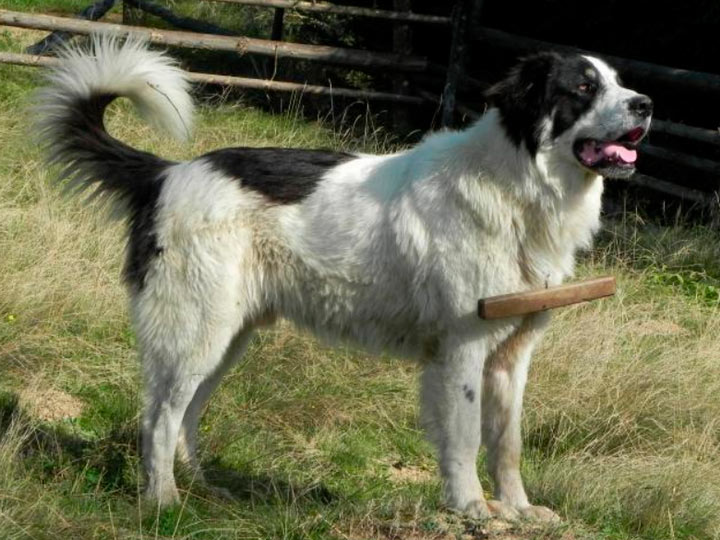
The skin is tight, dark ash-colored, and thick. The hair on the front of the legs and head is short. On the body, it is 6-9 cm long, abundant, coarse, straight, and close-lying. The undercoat is very dense and short. Around the neck, the hair forms a mane, while on the back of the legs, there are featherings and trousers. Color: The base color is white or light beige with black or gray spots. Black spots with reddish blotches may be present. Black or gray speckles are allowed on the legs.
Character and behavior
The Bukovina Shepherd is a balanced, courageous, and calm dog with excellent watchdog qualities. Very attentive to everything going on around them, independent without being overly independent, they strive to be close to their owner and follow them wherever they go. They are combative with wild animals. They are wary of strangers, but not overly aggressive. They are capable of defending others when clearly threatened.
The Bukovina Shepherd's primary role is to protect the flock and property entrusted to it. This has left its mark on its character and is evident in its behavior.
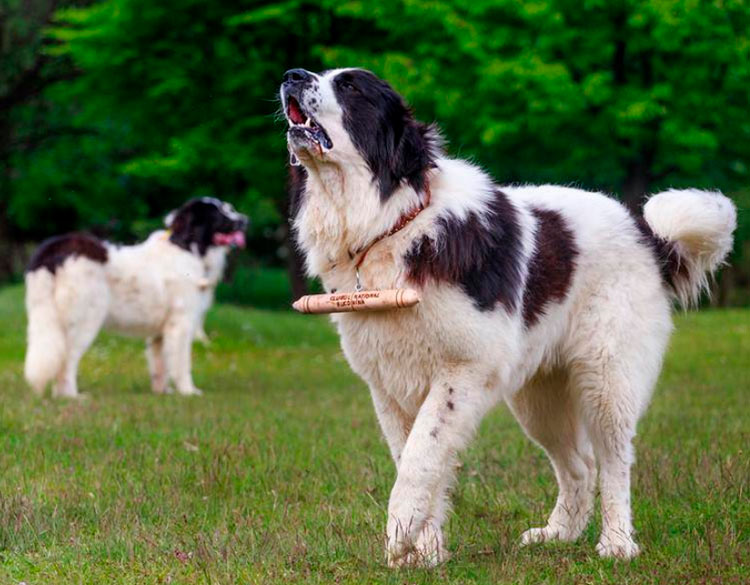
During the day, Bukovinian Shepherds typically choose a high spot and guard their territory. At night, they actively patrol, patrolling around a home or herd. If animals or strangers approach, they begin to bark loudly. Their voice is very deep and powerful, becoming even louder and lower-pitched when danger is imminent. Among family dogs, Bukovinian Shepherds are calm, very devoted to their owners, and patient with children. They may sometimes appear phlegmatic, but this impression is deceiving. These are playful dogs, hardy, and very active when needed.
Education and training
The Bukovina Shepherd is a territorial dog with a tendency to be dominant. Naturally, it can develop various types of aggression: sexual, territorial, and species-specific. To avoid problems, it requires early education, including training and socialization. It's important to teach the dog control around different animals and in different situations (especially outdoors) and basic commands.
The Romanian Shepherd is highly intelligent and capable of making independent decisions regarding guarding. However, it is stubborn and difficult to train. It will not obey an owner who fails to establish leadership. A properly trained dog is very obedient and non-aggressive in everyday life.
Content Features
The Bukovina Shepherd is not suitable for apartment living. The ideal environment is free-range living in the yard of a private home or on a farm, where the dog has its own territory to guard and ample room to roam freely. During the day, the dog can be kept in a crate or chained, but should not be kept on a leash all the time. The owner should spend at least 1-2 hours a day interacting with the dog.
For proper physical and psychological development, the Bukovina Shepherd needs freedom of movement and plenty of space. It needs a spacious yard, or even better, a farm or meadow where a flock grazes and needs to be protected.
Bukovina Shepherds are not picky eaters. During puppy growth and beyond, it's not advisable to overload their daily diet with animal protein (15-20 percent is sufficient). The rest should come from grains and vegetables. To add variety to their diet, you can give them fermented milk products, fish, and eggs.
Care
The Bukovina Shepherd is completely undemanding in terms of grooming, unless it's a show dog that needs to be shown in its best form from time to time. To maintain a neat appearance, the coat should be brushed weekly and daily during the shedding season. Frequent bathing is not recommended. The ears should be inspected and cleaned periodically. Nails should be trimmed as they grow, unless they wear down naturally.
Health and life expectancy
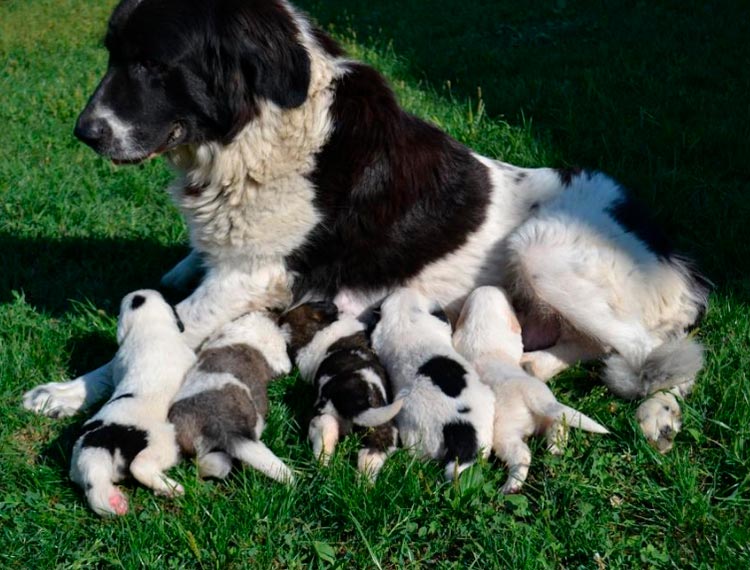
The Bukovinian Shepherd is hardy, undemanding, and perfectly adapted to outdoor life in both hot and freezing temperatures. Most members of the breed enjoy robust health. Life expectancy is 9-12 years. Some Bukovinian Shepherds suffer from musculoskeletal problems. These are usually caused by improper puppy rearing, nutritional deficiencies, or old age. Like other large dogs, they are predisposed to developing hip and elbow dysplasia. gastric torsion.
Where to buy a Bukovinian Shepherd puppy
The Bukovinian Shepherd is fairly common in Romania. Outside the country, it is rare and unpopular. There are some isolated representatives of the breed in the CIS countries. There is no information on breeding grounds.
Price
In Romania, the average price of a puppy is $500 (around 2,000 lira). Many online ads offer puppies for sale for between 350 and 1,000 lira, usually without papers. The price of a Bukovinian Shepherd from champion parents in a kennel can exceed 3,000 lira.
Photos and videos
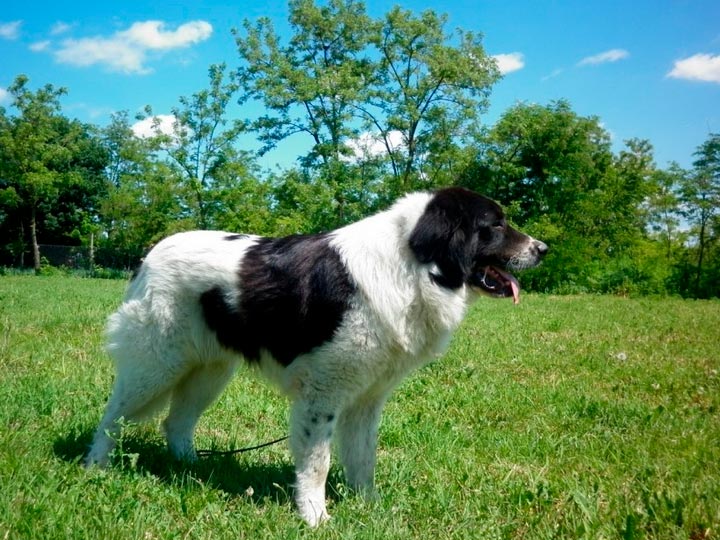
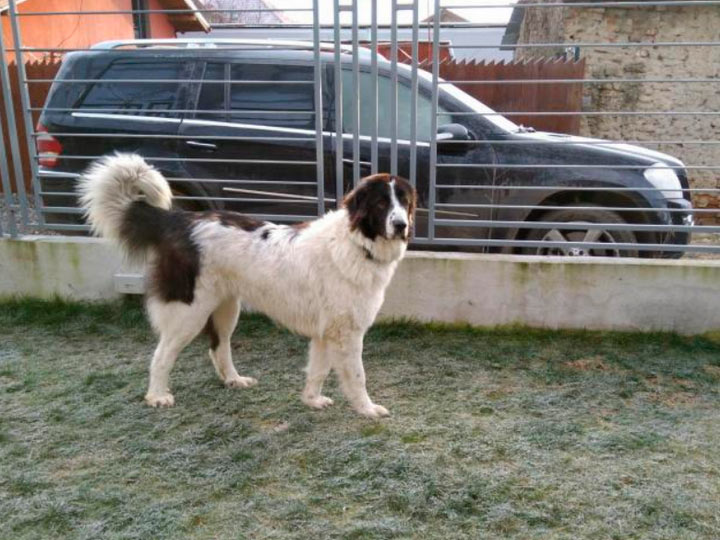
This gallery features photos of Bukovinian Shepherds (Southeastern European Shepherds). The photos feature dogs of various ages, genders, and colors.
Read also:


Add a comment