
Broholmer (Danish Mastiff, Slagterhund)
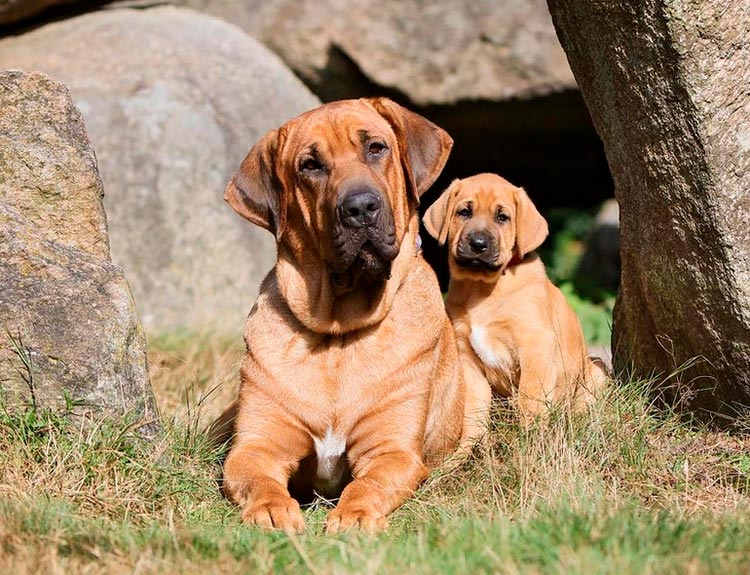
The Broholmer (Danish Mastiff, Slagterhund) is a large mastiff-type dog bred in Denmark. The breed's menacing appearance is deceptive. Broholmers are non-aggressive, calm, and friendly. They are very devoted family guard dogs and companions. This breed is considered rare and very expensive.
Content
History of origin
The Danish broholmer has a long history. It has been known since the Middle Ages. It is said that when Frederick II of Denmark and Norway married his daughter to the English King Jacob VI, he received several as a gift. mastiffs, which he was fascinated by. Dogs from Foggy Albion were crossed with local large dogs, descendants of Roman war dogs brought by the Vikings, ancestors Great Dane and others. This is how the Broholmer, an old Danish dog, was formed.
Danish Mastiffs were long considered status dogs. They accompanied members of the nobility, symbolizing wealth and strength. They were used for hunting large game. Later, they were often found on large farms and estates as guard dogs and draft dogs.
In 1902, a Broholmer named Mary became famous throughout the country after she nursed several tiger cubs from a zoo.
In the late 18th century, Broholmers (Danish: Broholmer) were considered a purebred, and their numbers increased significantly thanks to Count Sehnest Broholm. The breed took its name from his estate, Broholm, in Gudme. After World War II, the Danish Mastiff population declined significantly. Only through the concerted efforts of enthusiasts, beginning in the mid-1970s, was the breed saved. Around the same time, the Broholmer Breed Revival Society was founded with the support of the Danish Kennel Society. The Danish Broholmer, also known as the Danish Mastiff, was recognized by the Fédération Cynologique Internationale (FCI) in 1982.
Appearance
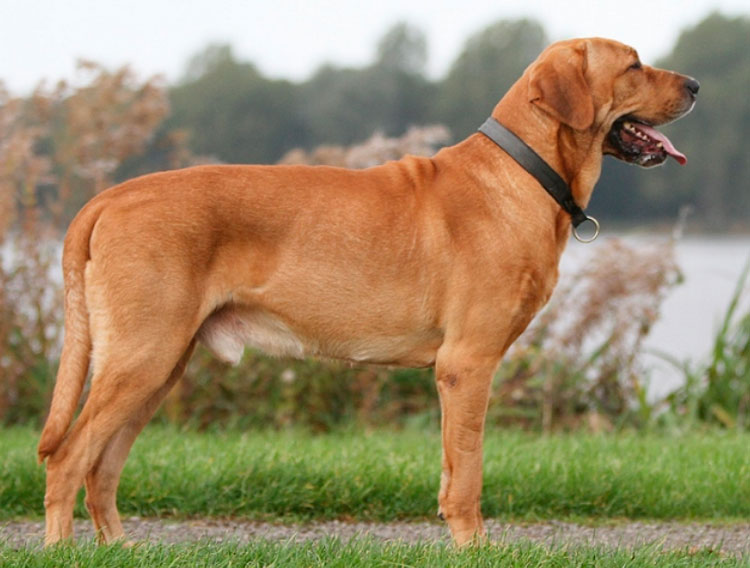
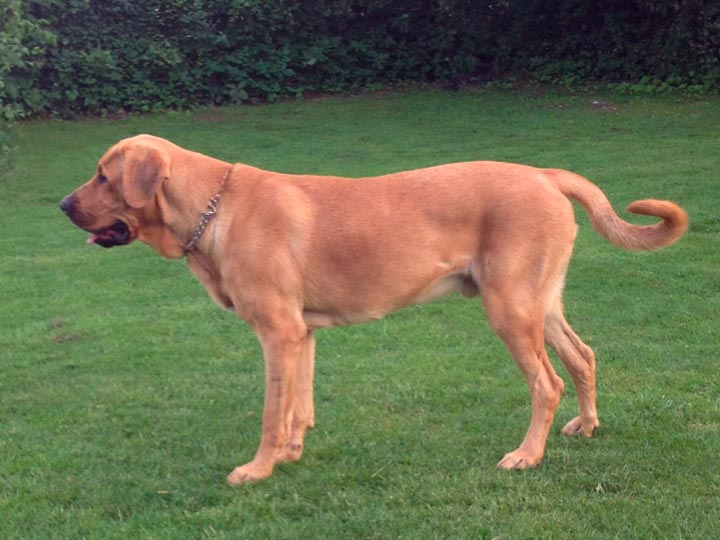
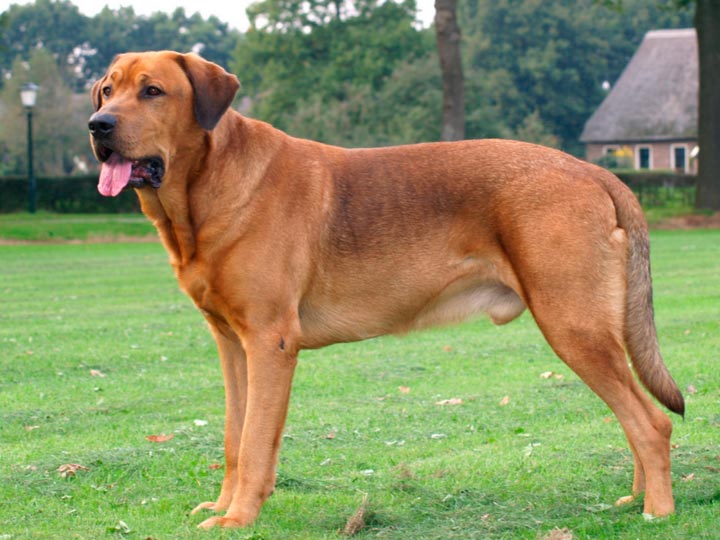
The Danish Broholmer is a very large, sturdy dog of the mastiff type, with very powerful forelimbs and a massive, strong head, yet still athletic. Sexual dimorphism is very pronounced.
- The height at the withers of males is about 75 cm; weight is 50-70 kg.;
- The height at the withers of bitches is about 70 cm; weight is 40-60 kg.
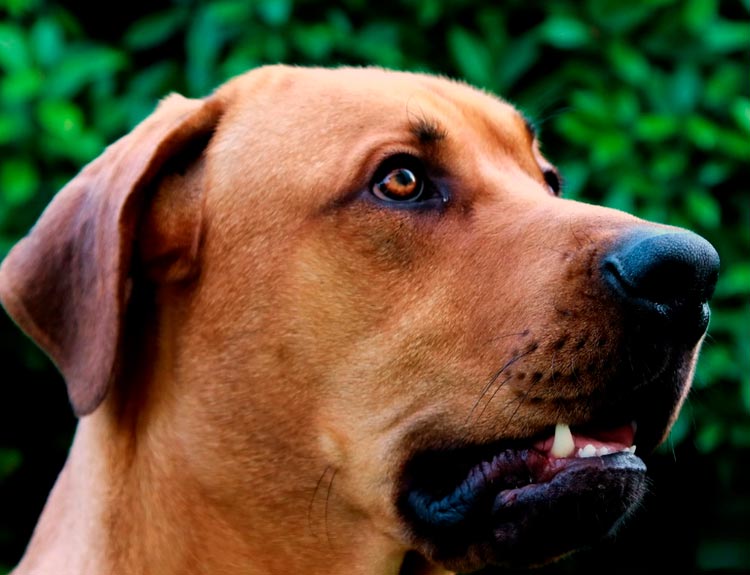
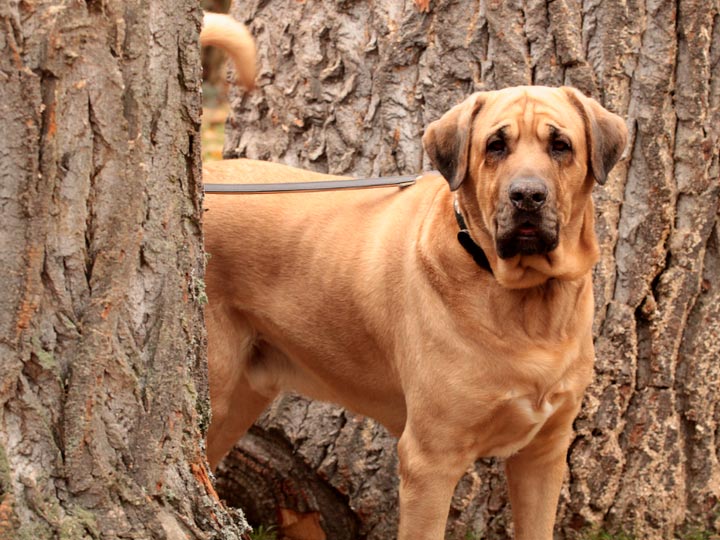
The head is broad and very massive, with loosely hanging skin. The cranium and muzzle are of equal length. The skull is flat and broad. The stop is not clearly defined. The muzzle is massive, with few folds. The jaws are of equal length. The lips are not excessively pendulous. The bite is scissors or pincer-like. The eyes are medium in size, round, and light to dark amber in color. The ears are set fairly high, medium in size, and hang down to the cheekbones.
When at rest, the dog holds its head low (appearing to be hunched over), with its tail hanging down. When alert or excited, the Broholmer raises its head and tail (not above the horizontal line).
The neck is muscular and powerful, with a slight dewlap. The body is rectangular. The topline is level. The withers are well defined. The back is long. The croup is slightly sloping and of medium length. The chest is deep and powerful. The tail is thick at the base and set fairly low. The forelimbs are straight and strong, with muscular shoulders. The paws are rounded and compact. The hindquarters are muscular and powerful. When viewed from the rear, they are parallel and straight.
The skin is thick, but difficult to see due to the well-developed undercoat. The outer coat is short and lies close to the skin. Color:
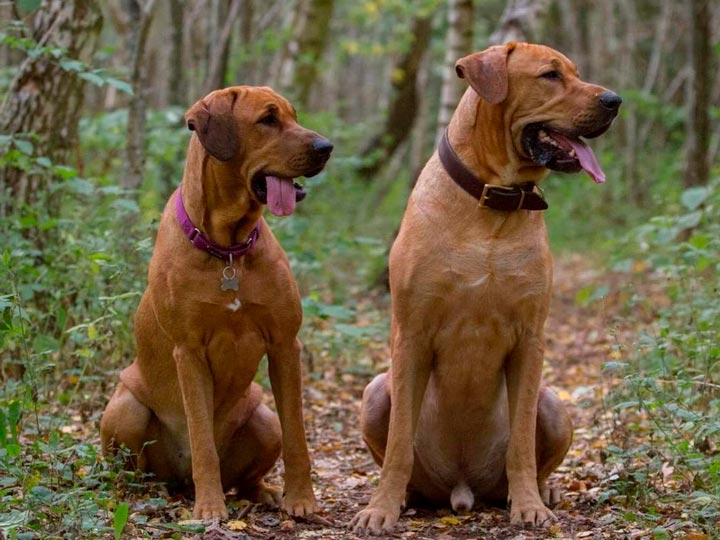
- Fawn with black mask;
- Golden red;
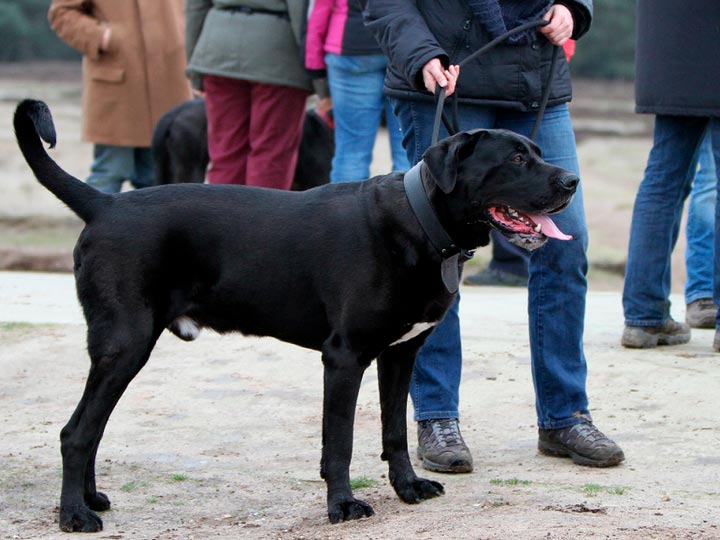
- Black;
White markings on the paws, chest and tip of the tail are allowed.
Character and behavior
The Broholmer is calm, balanced, and very self-assured. It maintains composure in all situations, but never lets down its guard. It is non-aggressive and not a guard dog, and is not suitable for guard duty, but it easily deters intruders with its appearance and deep bark. It is selflessly devoted to its family. In everyday life, the Broholmer is friendly, gentle, and pleasant to be around. If raised with children, it is patient and sincerely cares for them, never allowing them to leave the property.
The Broholmer is a non-aggressive guard dog. He should be seen primarily as a companion who enjoys being around his family and actively participating in their lives. The Danish Mastiff is friendly with other people and animals. Males can be intolerant of other adult dogs.
Education and training
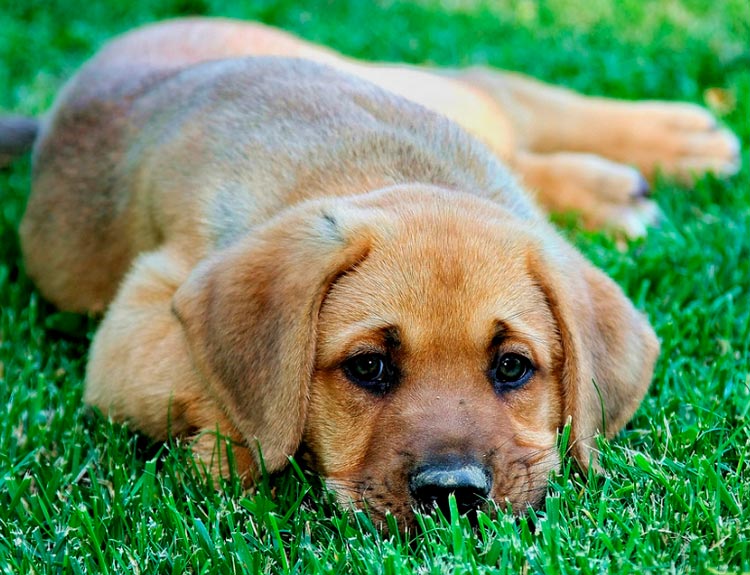
The Danish Broholmer has average trainability. Teaching commands is usually straightforward. The Mastiff isn't the type of dog to endlessly repeat the same exercise. Achieving good results requires considerable time and patience. Once mastered, the Broholmer will obey it exclusively, making it highly trainable. The puppy requires excellent socialization and proper training. The owner should have experience with large dogs and a firm hand.
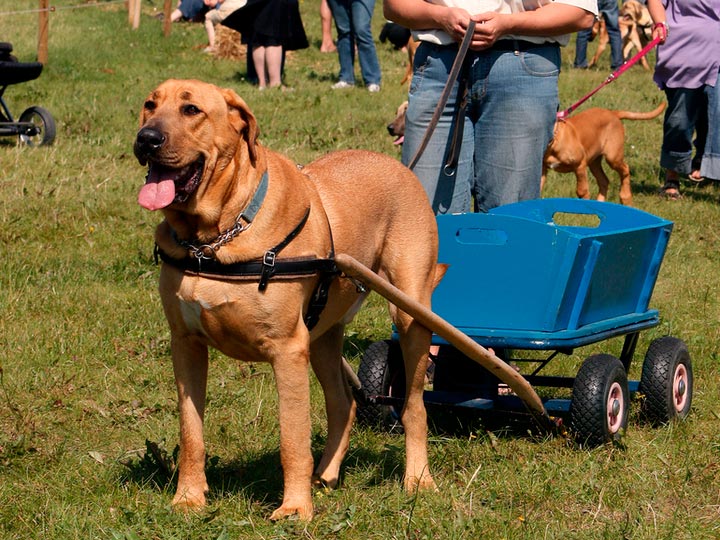
The Danish Broholmer is not well suited to sports that emphasize obedience. However, it can be found competing in weight pulling and similar events.
Content Features
The Danish Broholmer is not well suited to living in a city apartment. A private home with ample time in the yard is ideal.
Although large, the Broholmer is a very athletic dog and requires a lot of exercise. They enjoy long walks in the forest, jogging alongside a bicycle, and some dogs enjoy swimming.
Care
The Danish Broholmer doesn't require complex grooming. Grooming consists of standard procedures:
- combing the fur 2-3 times a month with a special brush or glove for short-haired dogs (slightly more often during the shedding season);
- bathing as needed (usually 2-3 times a year);
- weekly examination and cleaning of ears;
- trimming claws as they grow (normally they wear down on their own);
- Teeth cleaning is recommended.
Health and life expectancy
Danish Broholmers are considered to be a prosperous breed. Life expectancy is 8-11 years. The list of hereditary diseases includes:
- Elbow and hip dysplasia (the number of dogs with serious problems in this area is not critical);
- Heart defects;
- Allergy.
Broholmers bred according to the Danish Association's guidelines must be screened for hip dysplasia and heart problems.
To maintain good health, it is important for owners to provide their dogs with good living conditions, adequate nutrition, and timely veterinary and preventative measures.
Where to buy a Broholmer dog
The majority of the Broholmer breed lives in their historical homeland, Denmark. There are approximately 1,000 dogs in the country. In the late 1990s, several mastiffs were exported abroad, to the Netherlands, Germany, and Sweden. Several dogs imported from Denmark and Finland are present in Russia. There is no information on breeders.
Danes are very reluctant to sell their dogs abroad. And even if you find a compliant breeder, you can wait years to get a puppy. Furthermore, you'll have to meet a number of requirements, such as bringing the dog to the Broholm show every two years and breeding the dog only in Denmark.
Price
In Denmark, a good puppy from a kennel costs around 5,000 euros.
Photos and videos
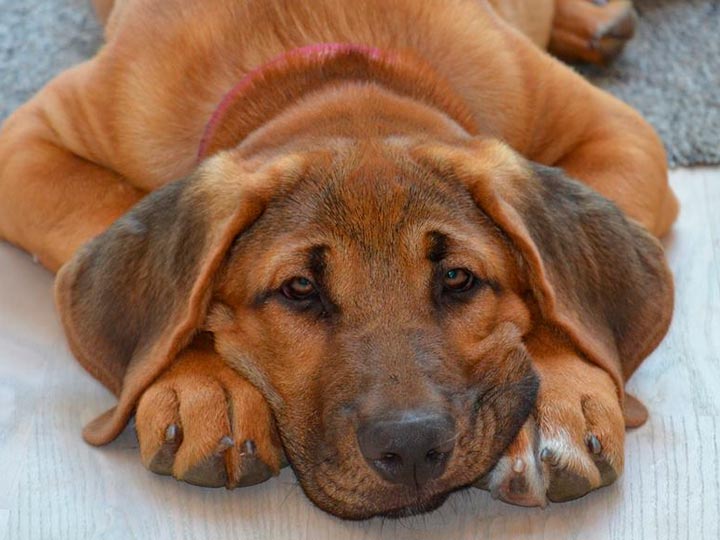
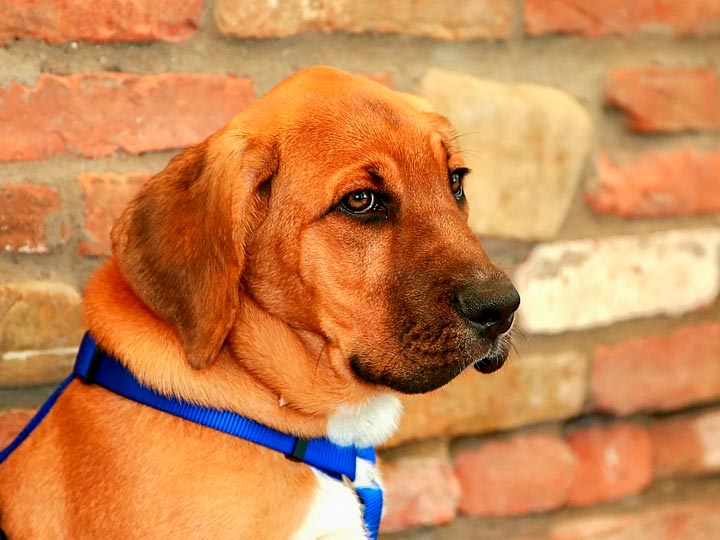
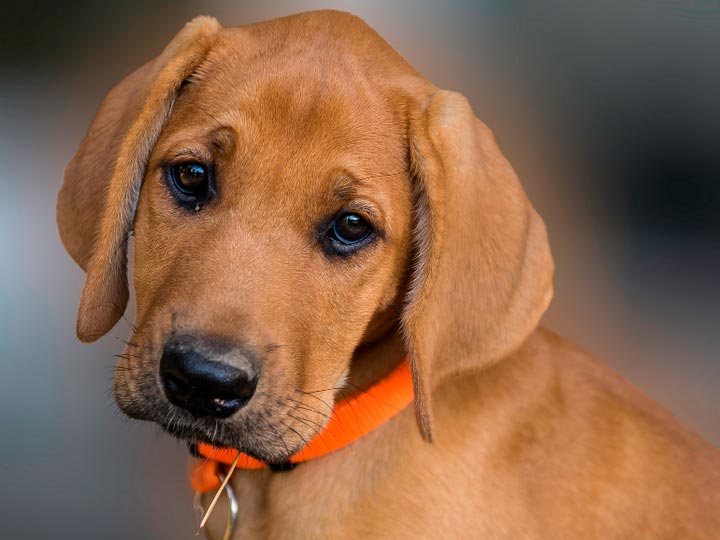
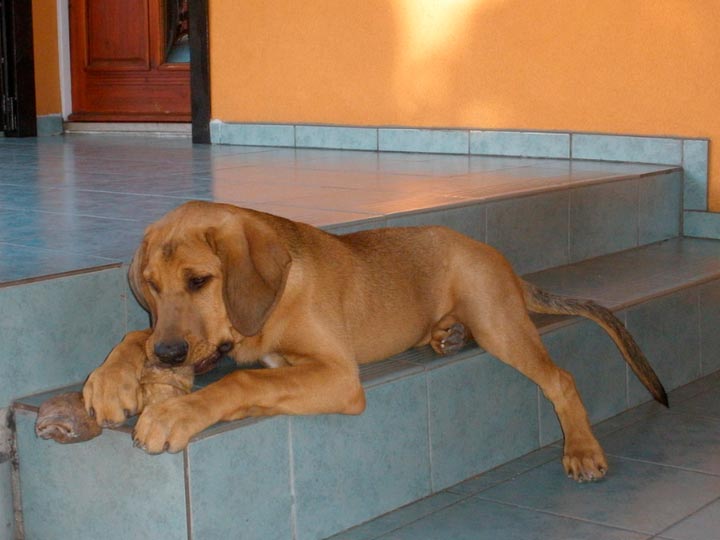
The gallery features photographs of Danish Broholmer dogs. The photos feature specimens of various genders, ages, and colors, including the very rare black.
Video about the Broholmer (Danish Mastiff) dog breed
Read also:


Add a comment