
British Shorthair cat
British Shorthair cat The British Shorthair is a truly amazing animal with a soft, plush coat, expressive eyes, a calm nature, and feline independence. It has deservedly become one of the most popular breeds. Today, we've prepared a description of the British Shorthair cat breed for you: a brief overview, photos, kitten prices, personality, and recommendations for housing, care, and feeding.
Content
History of origin
British Shorthair cats are a symbol and pride of the Kingdom. They have been around for a long time, but reliable data on the breed's development and evolution only began to emerge in the 19th century. Before that, the history of British cats was nothing more than beautiful legends, conjecture, and speculation. Regarding the cats' arrival in Foggy Albion, one theory holds that they were brought by Roman legionnaires 2,000 years ago, while another suggests they arrived with French sailors in the 14th and 15th centuries and slowly but surely began to populate the entire island.
The first British Shorthairs closely resembled ordinary domestic cats; felinologists arrived at their modern appearance much later. During the Middle Ages, a recognizable type of common cat emerged in England. They possessed heavy bones, a powerful body, an independent temperament, and a matted coat that allowed them to easily withstand adverse weather conditions such as dampness, wind, and rain. Furthermore, their distinctive coat made them attractive regardless of the season. Robust English Shorthairs were an integral part of many farms. Possessing agility and strength, they were the primary protectors of barns and crops from rodents. Over time, they also became residents of knights' castles, where they performed the same function: protecting food supplies from pests.
In the late 19th century, targeted breeding efforts began to create a native breed. Harrison Weir, an activist, felinologist, and ardent fan of native cats, is considered the father of the British Shorthair. The first exhibition at which British Shorthairs were presented took place in 1871 in London. The cats caused a sensation, and as a result, many people wanted to acquire these plush little creatures. The first pedigree dates back to 1898.
The British breed was formed by careful selection of representatives from ordinary domestic cats and the infusion of blood from Persians, the Carthusian cat, better known as the Chartreux, European and American Shorthairs Cats. After World War II, British cats were virtually extinct, but restoration efforts were successful. Breeding stock was collected in Britain and abroad. The breed was successfully revived, but while British cats previously resembled European shorthaired cats, modern specimens clearly display traits Persian and American cats.
Video review of cat breeds British Longhair:
Description of the breed
Let's start with a description of the British Shorthair breed. If you value lightness and airiness in cats, then the British Shorthair is clearly not your type. The British Shorthair is a well-developed cat, particularly noticeable in its massive shoulders, chest, and hips. Despite its large size, British Shorthairs don't give the impression of lazy, overfed slobs. They always convey the strength and energy of a predator, even when they're resting. The average weight for female cats is 4-5 kg, and for males 7-9 kg.
Head and muzzle
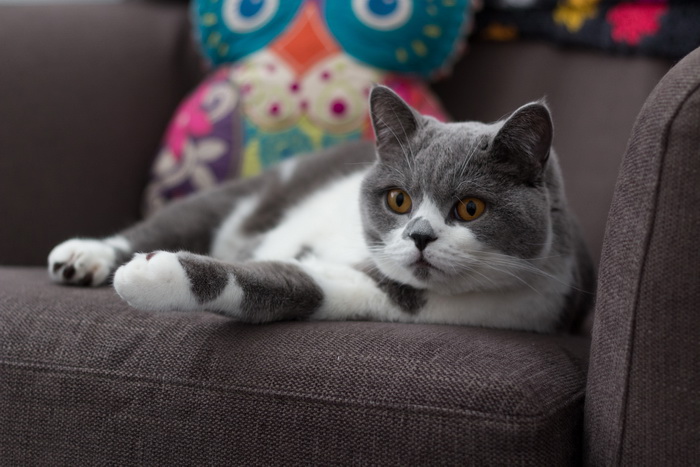
British Shorthairs are often compared to lords, and it becomes clear why when you notice their round muzzle, with prominent cheeks, a broad forehead, and a slightly heavy lower jaw. This impression is further enhanced by their small, wide-set ears and immensely deep eyes. Incidentally, the eyes of British Shorthairs are usually a beautiful, bright orange; chinchilla-colored British Shorthairs can have emerald green eyes, and white cats can have blue eyes. The key is a rich, vibrant eye color.
Frame
British Shorthairs have a powerful, harmonious build and heavy bone structure. The neck is short and thick. The chest is deep and broad. The back is level. The tail should be short and thick with a rounded tip. The legs are short and thick, and the paws are round and tightly set.
Roundness is a distinctive feature in the description of the BritishThe words "round" or "round" appear 15 times in the CFA standard.
Wool
The fur of these amazing creatures deserves special mention. It's very thick, dense, and shiny, with a rich, velvety undercoat, and, of course, short.
Color
The most popular and well-known color of British Shorthairs is blue. Many even believe it defines the breed. In fact, there are approximately 200 accepted colors, which can be divided into the following categories:
- Monochromatic;
- Bicolor;
- Tricolor;
- Tortoiseshell;
- Colorpoint;
- Golden;
- Silvery;
- Ticked;
- Tabby;
- Mixed colors.
Each of these categories includes from 3 to 15 types of colors, so we are talking about a huge variety of colors for this breed.
.jpg)
Character
British Shorthairs are gentle, moderately active cats with a calm nature. They're easy to live with, and it's safe to say they value their own and others' independence. They treat all family members well, but almost always choose one favorite person. Yes, just one person, not an owner or master, because the British Shorthair is the boss of the house, in its own territory. It's always nearby, at the center of things, but with a completely detached air: as if to say, "I'm on my own, and you're on your own."
They don't appreciate excessive attention from others, and they don't show it themselves, except perhaps toward their offspring. They are patient, but will not forgive insults or restrictions on freedom until a certain point. British Shorthairs dislike noise and changes of scenery. They don't feel very comfortable in large families. What should you consider when choosing a kitten? The British Shorthair is generally tolerant, but not affectionate, with children.A cat won't intentionally harm a child or take revenge; it will avoid them and retreat to a secluded hiding place. By treating your British Shorthair with attention and affection, you will earn its love and devotion forever.
Cohabitation with other animals
British Shorthairs generally get along well with other cats and live peacefully. Independent Brits tend to have difficulty with dogs. While young kittens are happy to frolic, adult cats often dislike dogs' company and their encroachment on their territory. With small pets, British Shorthairs have a natural hunter-prey relationship. They enjoy watching fish, but are unlikely to fish them out of an aquarium.
Reviews of the breed
British Shorthairs are very beautiful cats with soft, plush fur and exceptional intelligence. Apparently, this is what makes them so captivating. Below, we've compiled the most relevant reviews of British Shorthairs from owners:
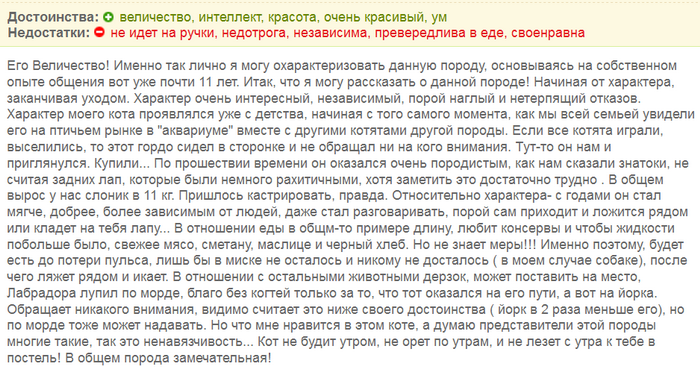
British Shorthair cats are affectionate and attentive to their owners. But they are also independent and self-sufficient. In rare cases, these cats can be picked up voluntarily, rather than when they want to be picked up.



 Members of this breed are often vindictive and resentful. As adults, it's very difficult to break them of any bad habit, such as scratching furniture or wallpaper. No amount of persuasion will help change their behavior, and in response to punishment, the animal may leave a surprise in their slippers.

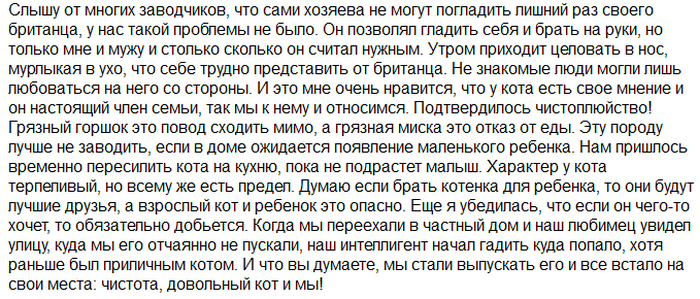
A British cat raised with love and affection will never show aggression unless he is very scared.


So, without dividing into good and bad, let's highlight several traits characteristic of the breed, according to reviews from British owners:
- The character is balanced, calm, not too emotional;
- They don't like to be hugged or carried in arms;
- Very affectionate, but unobtrusive;
- Active and playful, but not destructive.
- Perfectly adapts to any size room;
- They shed moderately, but constantly;
- They require regular grooming due to their thick undercoat;
- They don't need constant attention: they'll have a great time alone.
British Shorthairs are suitable for those who do not particularly value affection in a cat, as well as for business people who are rarely at home and do not want to spend a lot of time caring for an animal.
Maintenance and care
British Shorthairs thrive in apartments, but they love the outdoors. Try to create a spot inside the house where your pet can romp freely. Play with them yourself if possible, and even better if they have a playmate of the same breed. British Shorthairs are one of those breeds that enjoy a cozy, secluded spot.
British Shorthair cats have a unique, plush coat with a huge undercoat, requiring special grooming. They need to be brushed frequently, even every other day, to prevent an unimaginable amount of shedding. Slicker brushes or special brushes made of natural bristles are used for this purpose. To prevent hairballs from forming in the cat's intestines, it is recommended to regularly feed special hair-removing pastes or food with this effect.
For British Shorthair cats, year-round shedding is normal.
Bathe them infrequently, once every few months. For cosmetics, select shampoos and conditioners specifically designed for British Shorthairs. After bathing, keep the cat away from drafts until completely dry. If the pet doesn't mind, it's best to use a hairdryer. British Shorthairs can produce excessive tears. It's crucial to keep the tear ducts clean and dry, especially in young kittens. Ears should be regularly inspected for wax; cleaning is unnecessary. A light trimming of the cat's claws is acceptable if the cat scratches, but this won't solve the problem of damaging furniture.
Features of the diet
British Shorthair cats can be fed either commercially prepared foods or natural food. In both cases, it's important to maintain a consistent feeding schedule and avoid overfeeding. British Shorthairs are prone to obesity. When choosing a diet, consider your pet's age, activity level, and physiological state. Prepared natural food or wet food should only be fed after warming to room temperature.
When it comes to natural nutrition, the acceptable ratio of foods for a healthy animal should be approximately as follows: meat (65-70%), vegetables (25-30%), and porridge (5-10%). Kittens under one year old are required to receive dairy and fermented milk products at one of their feedings. The daily allowance should not exceed 10% of the kitten's total body weight, and for adults, 5% of their body weight. Fish should be given no more than 1-2 times a week, and dairy products should be given as tolerated.
When choosing dry food for a British cat, first of all, focus on its class; it should be no lower than “premium”, ideally “super-premium” or “holistic”.
Each company produces a whole line of food. For healthy adult British cats, the following are usually chosen:
- Complete daily diet for domestic cats;
- Diet for short-haired cat breeds;
- Food specifically for the British Shorthair breed (only in the Royal Canin line).
And also special diets:
- For castrated;
- For pregnant and lactating women;
- Hypoallergenic;
- Low-calorie to combat excess weight (if it is caused by low activity and overfeeding).
Kittens are fed food appropriate for their age. For animals over 8 years old, it's recommended to switch to a diet designed for senior animals. If your pet has health issues, your veterinarian will likely recommend a special diet. It's not recommended to prescribe these on your own, as they can worsen the condition, and many have duration restrictions.
Health and life expectancy
Many cat breeds have their own list of diseases to which they are predisposed. Unfortunately, British Shorthairs are no exception:
- One of the known genetic problems is blood type incompatibility. However, this is more important for breeders, as kittens with two blood types don't live more than two or three days.
- Hypertrophic cardiomyopathy (congenital heart defect);
- Tendency to the formation of tartar and inflammatory processes in the oral cavity;
- Infectious rhinotracheitis is a viral disease of cats, to which brachycephalic cats are more susceptible. They are also prone to other colds;
- British cats inherited polycystic disease from Persian cats;
- Some cats suffer from chronic constipation;
- Congenital narrowness of the nasal passages;
- Some cats are diagnosed with cryptorchidism.
Lifespan depends on many factors: heredity, living conditions, nutrition, and others. On average, British Shorthairs live 12-14 years.
Choosing a kitten and price
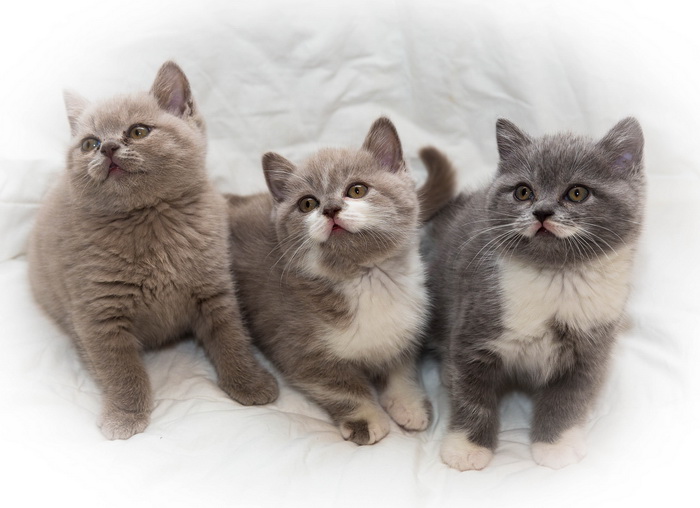
If you're thinking about buying a kitten, you should immediately decide which category of buyer you fall into: Do you want a truly purebred British cat and are willing to pay for it and cover the subsequent costs of upkeep, or do you want a cat that looks very similar to a British cat?
The British Shorthair is a very common breed. There are many catteries, but even more are hapless breeders who should have neutered their pet-quality cats but decided not to do so in order to make a small profit. As a result, the number of "purebred British cats" at attractive prices is growing at an incredible rate.
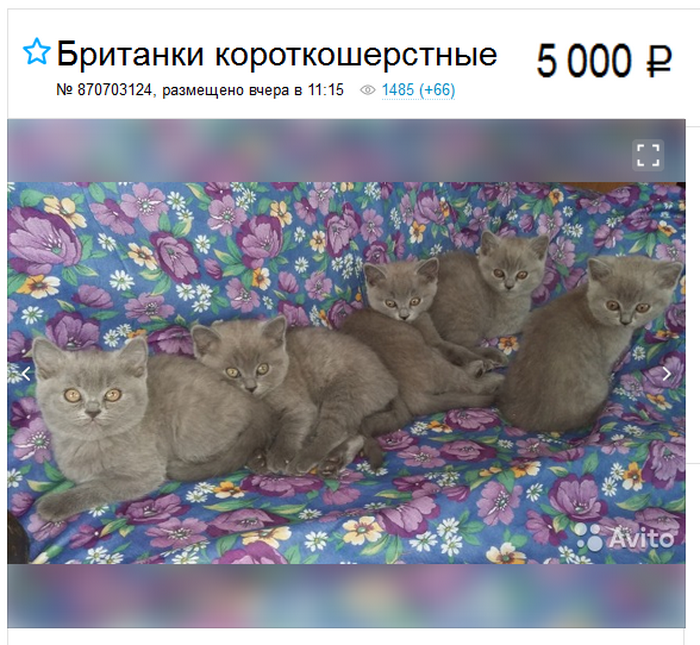
The only indication that a kitten is truly a British Shorthair is its birth certificate or pedigree! "Similar," "very similar," or "purebred parents but no papers" are not breed characteristics.
Adopt a kitten from home, so you can not only observe it in its natural environment but also see its parents and living conditions. The kitten should be healthy, active, and have an excellent appetite. A reputable breeder will never release a kitten under three months old until it has completed its full vaccination course. By this age, kittens should already be accustomed to a scratching post, a litter box, and people. The kitten should have documentation confirming its origin, such as a birth certificate or a completed pedigree.
Kittens' prices vary widely. The cheapest are pet-grade kittens in common colors.
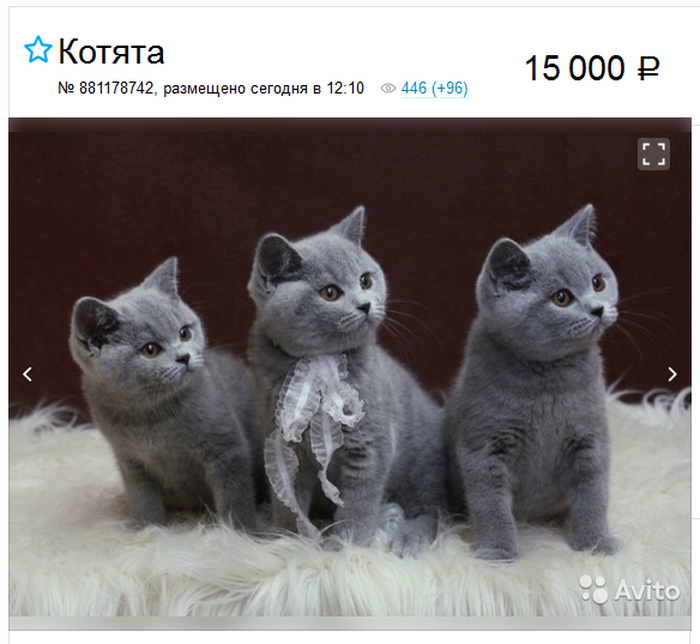
The most expensive: animals for exhibitions or breeding with a rare appearance.
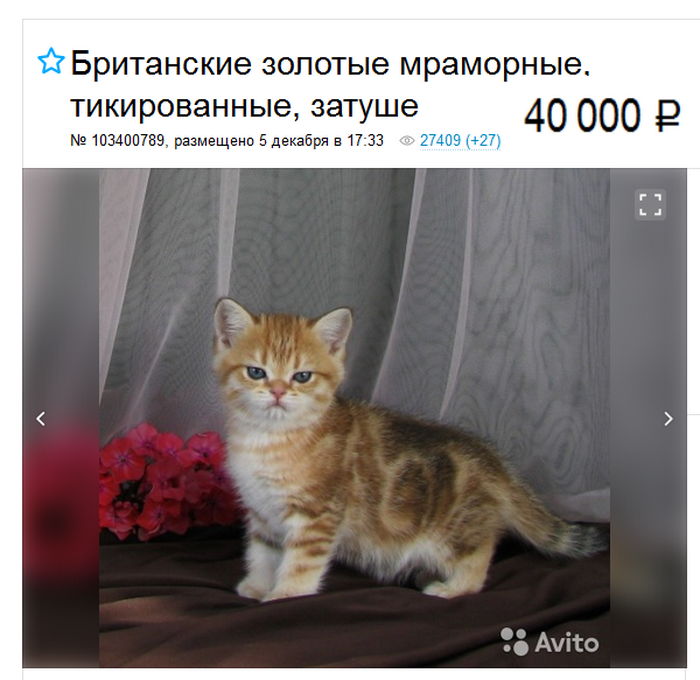
Average prices for British Shorthair cats:
- Pet class kittens cost $250-500.
- A kitten for breeding will cost between $400 and $800. Female cats are generally more expensive than male cats;
- Show class animals cost from $800.
Also, you can sometimes find adult British cats that have been removed from breeding for sale at a price of up to $150.
Photos
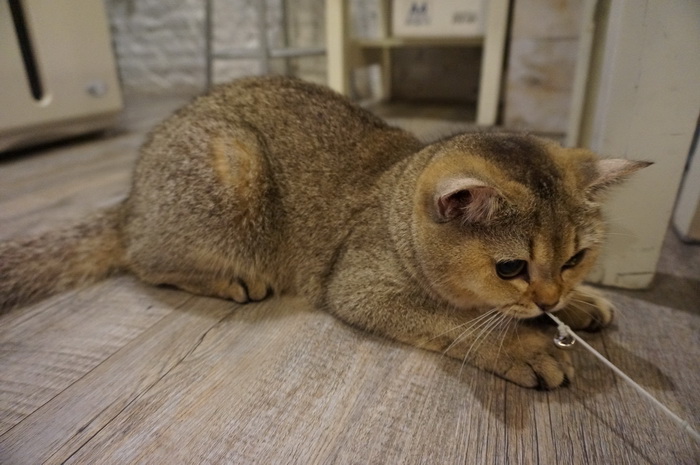
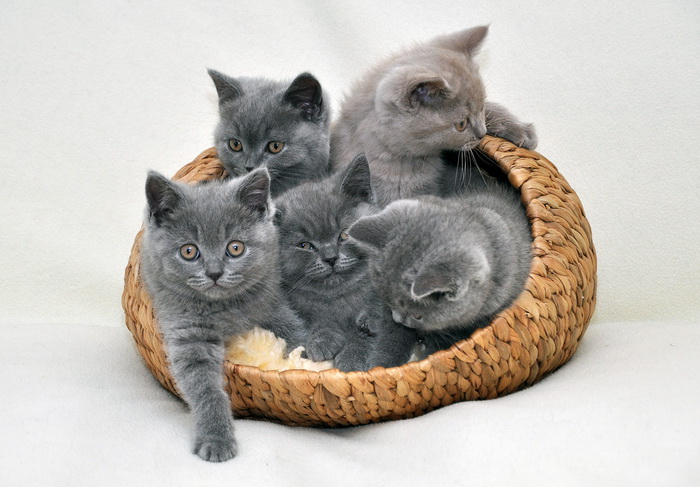
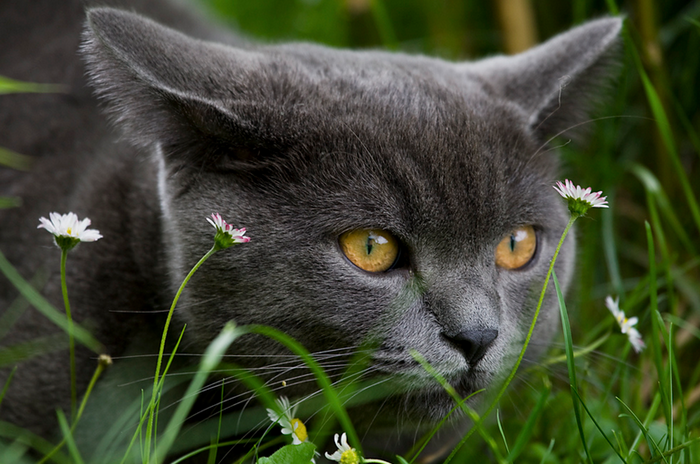
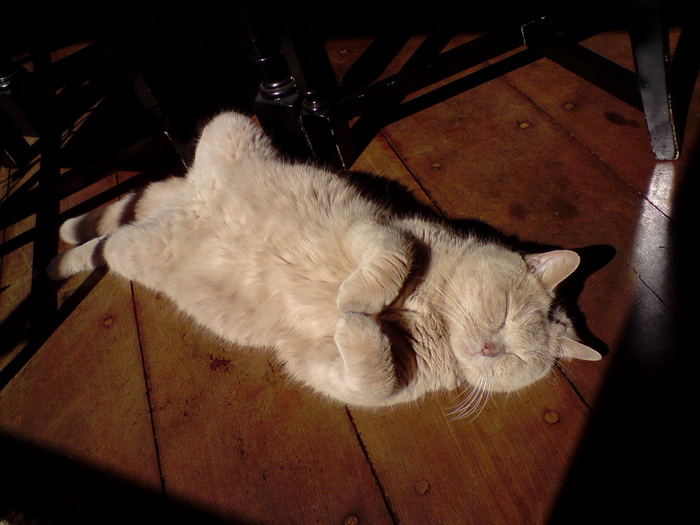
Photos of British Shorthair cats:


Add a comment