
British Longhair (Highlander) cat
British Longhair (Highlander) cat – a full-fledged variation of the British Shorthair. They were recently recognized as a distinct breed. Longhaired British Shorthairs are gaining popularity every day and are prized by cat lovers for their calm, affectionate nature and, of course, their appearance.
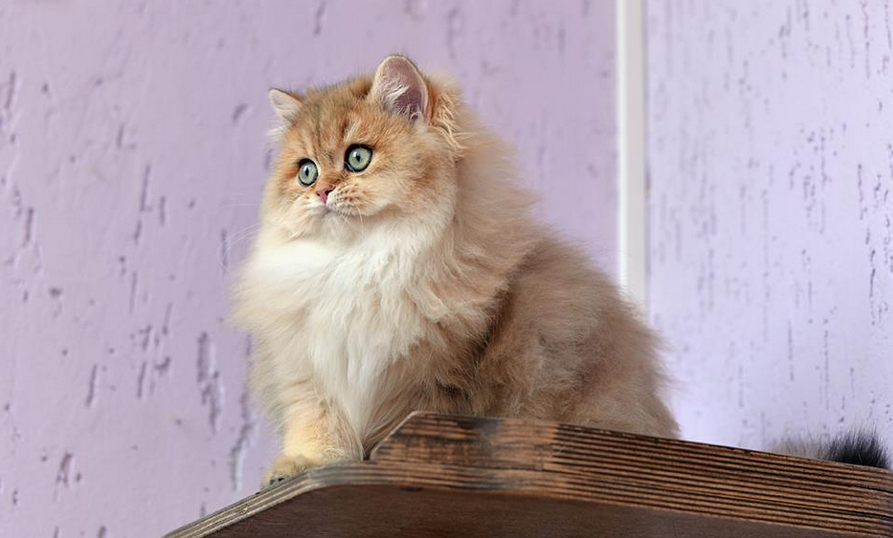
The British Longhair cat is visible in the photo. The breed is also known as the Heindler or the abbreviation BDSH.
Content
History of origin
The British Longhair cat doesn't have a compelling history, more like a legend. In the early 20th century, felinologists wanted to improve the British Shorthair type and develop new colors. To achieve this, they began crossing British Shorthairs with Persians, Chartreux, and several other feline breeds. In addition to these desirable traits, British Shorthairs inherited a recessive gene that determines coat length. This gene is usually passed down unnoticed from generation to generation, but if a male and female cat with the gene accidentally mate, the result is adorable and very fluffy kittens.
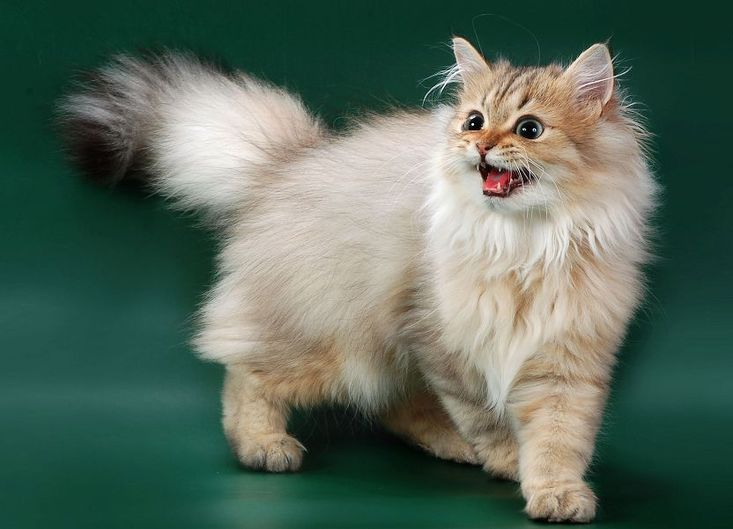
Persians have long been outside the publicly known pedigree, and there is usually no one to blame for the accidental birth of longhaired British kittens; both parents can be purebred shorthaired British cats, it’s just a coincidence of genes.
For a long time, long-haired kittens remained unnoticed; they were not involved in the breeding of British cats, and were only occasionally involved in the breeding of Highland Folds, long-haired Scottish Folds.
It wasn't until 2001 that the British Longhair cat breed was added to the list of breeds by TICA and WCF, and in 2004 a standard was developed for them. The British Longhair is called the Britannica in most European countries, particularly in England, and in the Netherlands and the United States it is better known as the Lowlander or Highlander. Due to the similar names of the British cats "Highlander" and the Scottish "Highland", confusion often arises, but it is very simple. British and Scottish (Scottish Fold And Scottish Straight) shorthaired - two breeds that developed at about the same time and are close relatives.
They later gave rise to two long-haired breeds: from the British - Highlander (British Longhair), and from the Highland Fold Scots (longhaired with floppy ears) and Highland Straight (longhaired with erect ears, respectively). And while we're on the subject, there can't be a British Longhair with folded ears; only Scottish Folds (shorthaired) and Highland Folds (longhaired) have folded ears.
Video review of the British Longhair cat breed:
Description of the breed
The British Longhair is a medium to large cat with a muscular, slightly stocky body. The chest, back, and shoulders are broad and massive. The neck and legs are moderately short. Sexual dimorphism is pronounced, with females being lighter and smaller than males. A more detailed description of the breed:
Head and muzzle
The British Longhair's head is broad and rounded, with a strong chin that forms a perpendicular line with the line of the nose. The nose is wide, short, and straight. Viewed in profile, the stop is clearly visible. The cheeks are rounded, and full, prominent whisker pads give the muzzle a more defined outline. The ears are medium-sized, rounded at the tips and wide at the base, set fairly wide apart and pointed straight ahead. The eyes are round, large, and expressive, set wide apart. The iris color may be any color, but should match the coat color.
Frame
The body is medium to large, with a broad chest and massive, stocky shoulders and back. The limbs are short and stocky. The paws are rounded and strong. The tail is short and thick with a rounded tip.
Wool
The coat is very dense with a well-developed undercoat. The hair is smooth, medium length, and somewhat coarser to the touch than that of their British Shorthair counterparts, but its texture can also vary slightly depending on the coat type.
The coat is plush because the fur lies loosely against the body. A thick collar and pants are desirable.
Color
For British Longhair cats, any color is allowed, including colorpoints.
The British Longhair cat, a relatively young breed, was recently described, so its standard is still being supplemented and adjusted, but this plays a positive role in the dynamics of the breed's development, as well as in the stabilization of the phenotype.
Popular colors of British longhairs
According to the standard, British Longhair cats can have a wide variety of colors, but some are especially popular.
British Blue Longhair
.jpg)
British white longhair cat
.png)
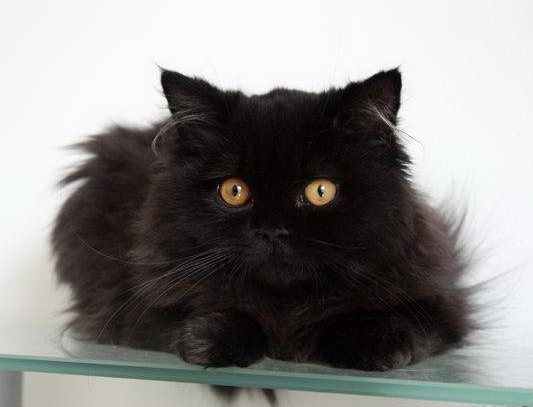
British Black Longhair
British Longhair Point. Colorpoint is a whole group of "Siamese" colors. The word "color" can vary from blue to red, and refers to the base color, while the prefix "point" signifies a cat with a light body and a darker muzzle, ears, paws, and tail..png)
British Longhair cat chinchillaThe "chinchilla" color is undoubtedly very beautiful, and the secret to such iridescent colors is that most of the guard hairs have dark tips.
.png)
British Silver Chinchilla
.png)
Longhaired British Golden Chinchilla
.png)
British Longhair cat red
.png)
Character
There are certain traits that are common to varying degrees across all British Longhairs. These cats have a calm and even temperament. They are very affectionate, sociable, and always happy to play with a sunbeam, a candy wrapper, or even a stream of water.
Brittanys are unobtrusive yet very attached to their family or owner. They are completely non-aggressive. They get along well with other animals and often get along with small rodents and birds. They are tolerant of children's pranks.
Kittens are often incredibly curious, playful, and restless, but they quickly learn what's allowed and what's not, adapting to their owner's rhythm. By 2-3 years, even the most active kittens become calm, reaching their final physical and emotional maturity.
Reviews of the breed
Below, we've compiled as many relevant reviews about the British Longhair breed as possible, from owners and veterinarians. These cats are not only beautiful, but also calm, gentle, and affectionate. They are clean and not playful, moderately active and moderately playful. They become attached to their owners but are happy to spend time alone. Their main drawback, and simultaneously their advantage, is their coat. It's undeniably luxurious, but it requires regular grooming and expensive cosmetics. These conclusions about the breed can be drawn from owner reviews.
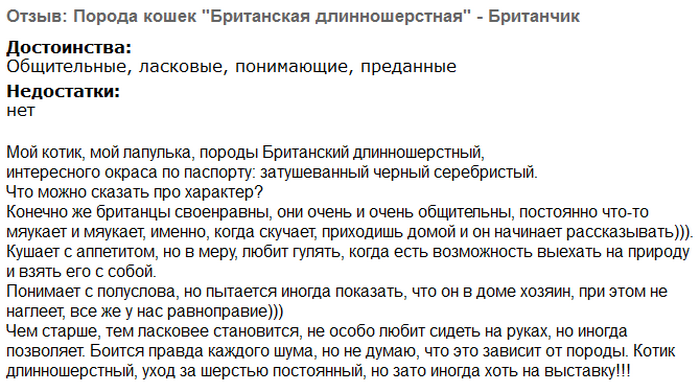
Review of the British Longhair from a specialized website:
Another comment about the breed:
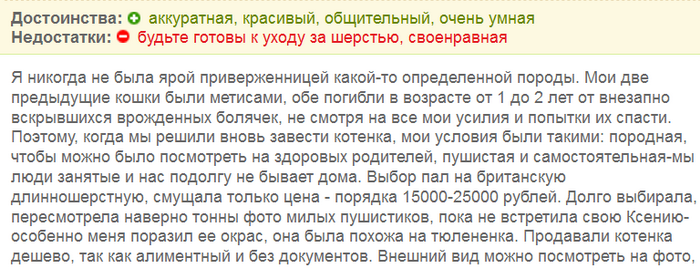
Like all other owners, the complaint is not the huge amount of hair.
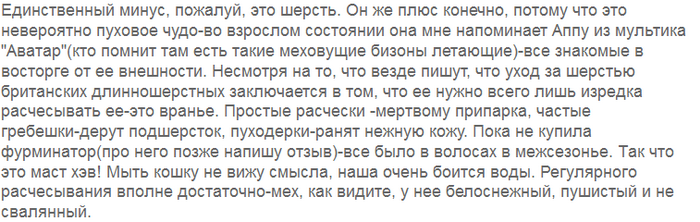
Another review of the British Longhair, this time from a forum.
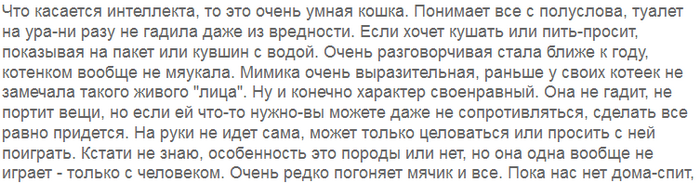
Owners often mention the intelligence of their cats; they note that they are smart and obedient, easily remembering house rules and trying to follow them.
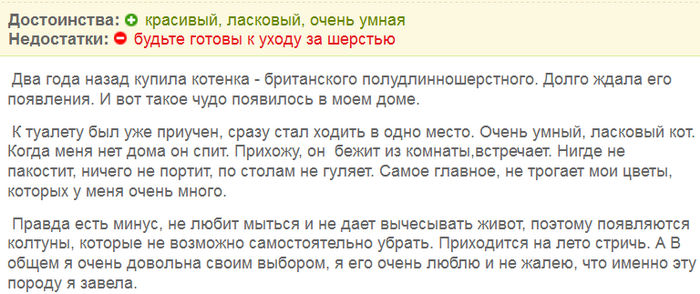
This breed tolerates the absence of its owners well, but still needs human company and becomes very bored if no one is home for days. DShBs have sensitive digestion, so once you've found the right diet, don't experiment further. They need plenty of toys, preferably ones that move on their own.
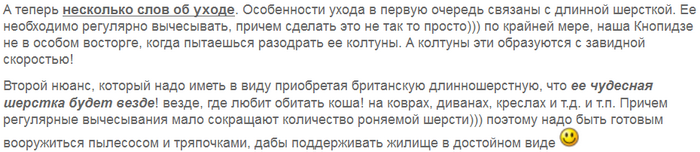
The British are very social:

And another review about how the cat is still very smart.

British Longhair cats are suitable for anyone who can devote sufficient attention to their rich coat and isn't too bothered by cat hair on their favorite chair. The breed is equally well-suited for families with children, singles, and busy people.
Maintenance and care
There are no special requirements for keeping British cats; they require attention, love and care, their own place to sleep and rest, toys, clean bowls and a litter tray with filler that they like.
Caring for British Shorthairs is not difficult, but it must be regular. British Longhair cats need to be brushed 2-3 times a week, and daily during the shedding season. This is necessary to prevent matting. Initially, tangled hairs can be brushed out, but will need to be trimmed later. Brushing should begin at the head and end at the tail. Slicker brushes are not recommended, as they can remove a lot of live hair.
If you accustom a kitten to grooming procedures from an early age, by six months, they won't object to grooming and will even begin to enjoy it. British Shorthairs don't need to be bathed frequently, usually only before shows and during periods of heavy shedding. Special shampoos and conditioners are essential during bathing. Dry, leave-in products are also an option.
British Shorthairs' nails grow quickly and break off easily, so they need to be maintained and trimmed regularly. Eyes and ears should be cleaned as needed, and special de-hairing products are regularly given.
Diet
There are no special feeding requirements for British Shorthairs. They can be fed either natural food or prepared foods. The diet is selected based on their age and physiological condition (pregnancy, tendency to gain weight, allergies). Prepared foods contain all the necessary nutrients. vitamins and minerals. If your cat eats homemade food, it's important to supplement with vitamin and mineral supplements.
If an animal is accustomed to a certain diet that completely satisfies both the cat and the owner, there is no need to change it or try to diversify it.
Health
British Longhairs are generally a healthy and hardy breed, but they are prone to certain health issues. These can be inherited. hypertrophic cardiomyopathy (The diagnosis is based on a cardiac ultrasound.) Like other short-faced breeds, they are prone to tartar buildup, so regular dental checks and dental hygiene are essential. Additionally, these breeds are prone to obesity, and some suffer from allergies. And, of course, don't forget about vaccinations and regular deworming.
Choosing a kitten and price
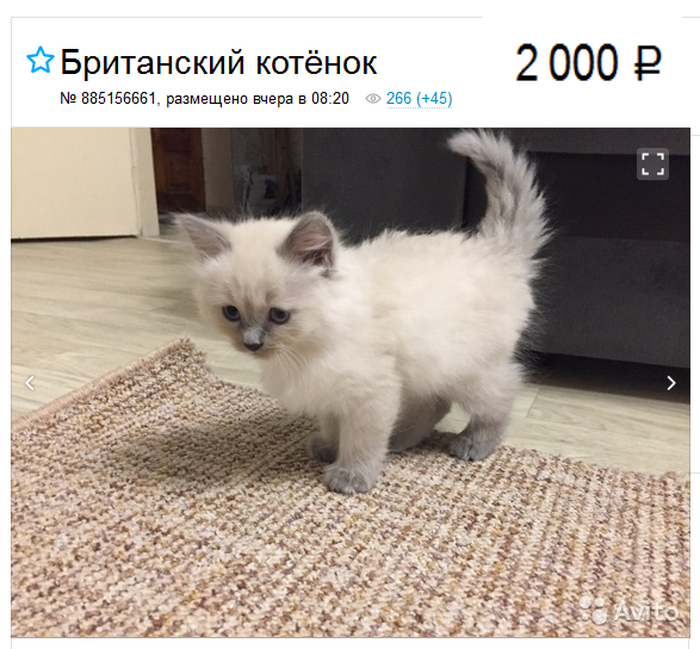
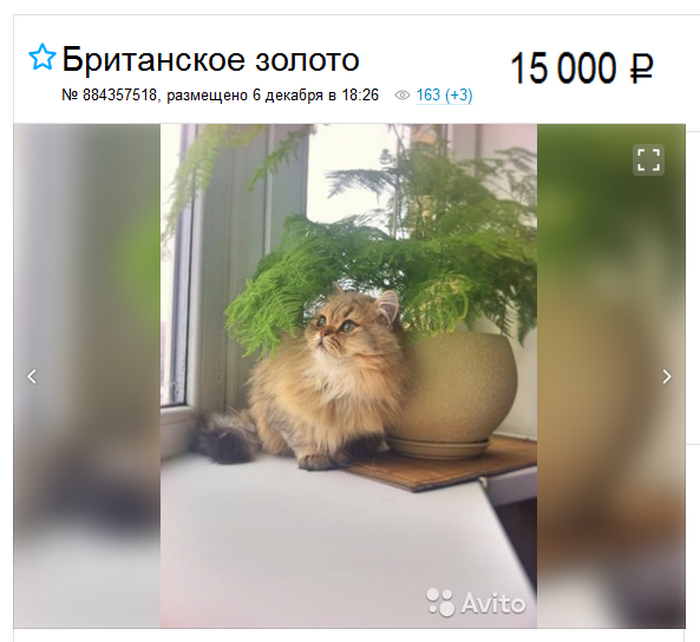
The breed is quite popular today, and it's easy to find a British Longhair cattery and a reputable breeder. The price of kittens depends on many factors, such as pedigree, cattery status, and color. British Longhair males are slightly more expensive, while females are generally cheaper. Kittens typically cost between 2,000 and 20,000 rubles.
When buying a kitten online, don't trust the breeder's claims that their British Longhair and kittens in the photo are purebred; you should definitely see the litter and at least one of the parents.
Among DSh breeders, it's common to divide kittens into classes: pet, breed, and show. These animals differ in genetics, documentation, and appearance. The price of a kitten in each class will vary, but they are generally relatively inexpensive. Sometimes, truly good kittens are specifically classified as pet-class and sold for neutering to avoid competition at shows and for sale.
The cheapest kittens without documents, "alimony" or random LH from shorthaired parents are inexpensive, up to 10,000 rubles.
Longhaired cats for breeding or show careers will cost from 15,000 rubles.
Photos
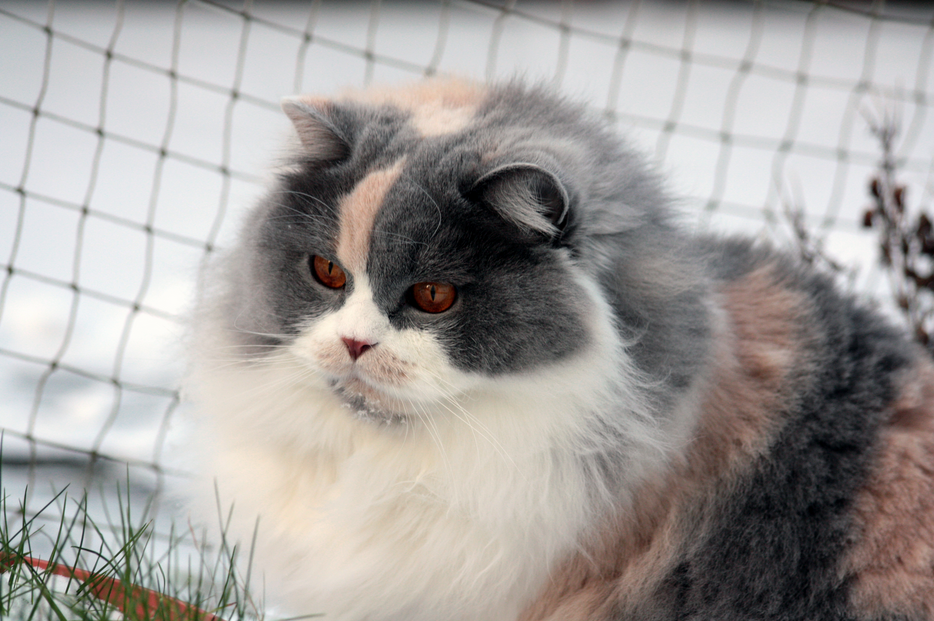
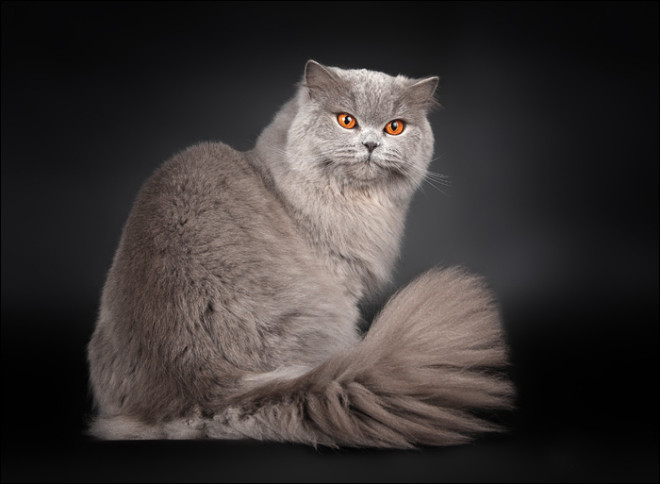
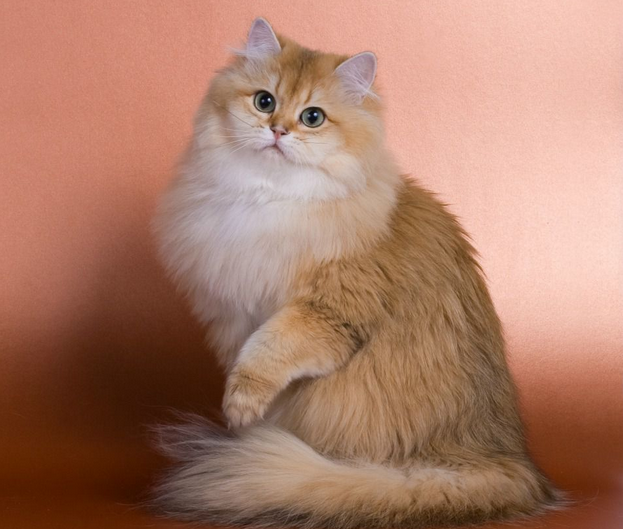
Photos of British Longhair cats:
.png)
.png)
Read also:


Add a comment