
Brazilian Shorthair cat (Brazilian Shorthair cat)
Brazilian Shorthair cat Currently recognized only in its homeland, breeders are working to ensure their creation gains international recognition and becomes the first breed developed in Brazil.
Content
History of origin
Work on the breed began in 1985 under the direction of breeder and felinologist Paulo Rasci. His project was based on the work of American and English breeders who had transformed their stray cats into purebreds. Their work lasted for many years, and as a result, the British and American Shorthairs were registered with the international organization. Brazilian aboriginal cats also have their own type, which allows them to become a separate breed with their own standard in the future.
That same year, several enthusiastic breeders began actively searching for cats with the appropriate phenotype in Rio de Janeiro, Porto Alegre, and Siara. Soon, they registered approximately 40 animals, which became the foundation for the selection of the Brazilian Shorthair (Brazilian: Pêlo Curto Brasileiro).
In 1994, a request was made to register the Brazilian Shorthair with the WCF. After lengthy deliberations, it was decided to temporarily classify these cats as Celtic (European) Shorthair breed, since Brazilian Shorthairs are essentially descended from these animals, which were brought during colonization. However, there were also clear differences, so the next step for Brazilian breeders was to appeal to the European association FIFE to establish requirements that would allow Brazilian Shorthairs to form a separate group.
Only a few breeders in Brazil are working on this new native breed, so its development is very slow. So far, the breed has only been accepted by the Brazilian Feline Federation. The WCF considers it experimental.Video about the Brazilian Shorthair breed:
Appearance
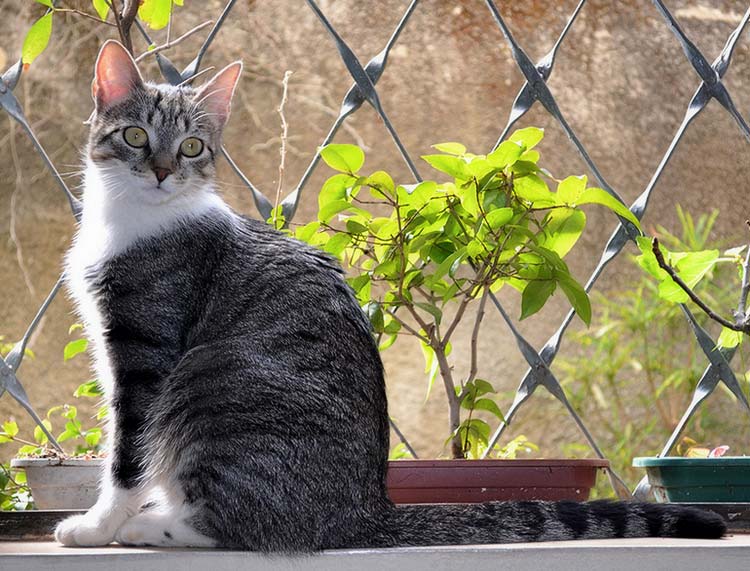
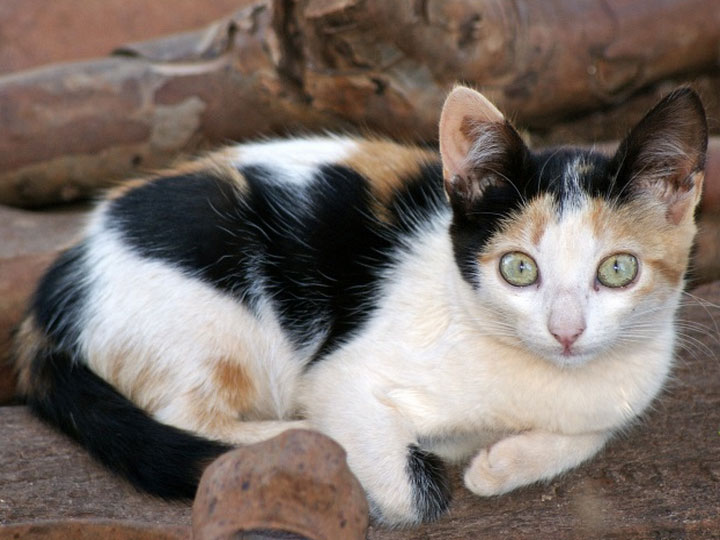
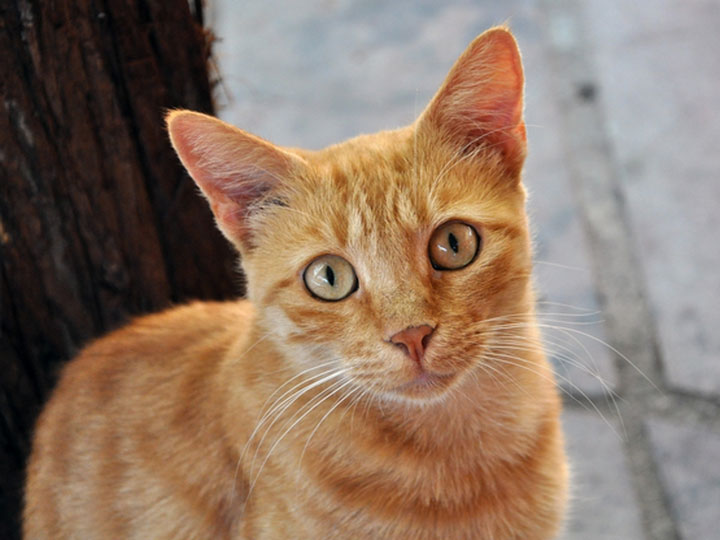
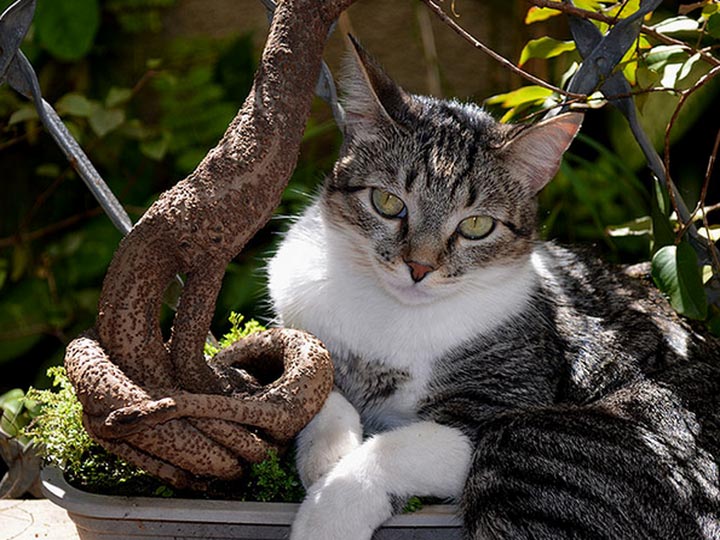
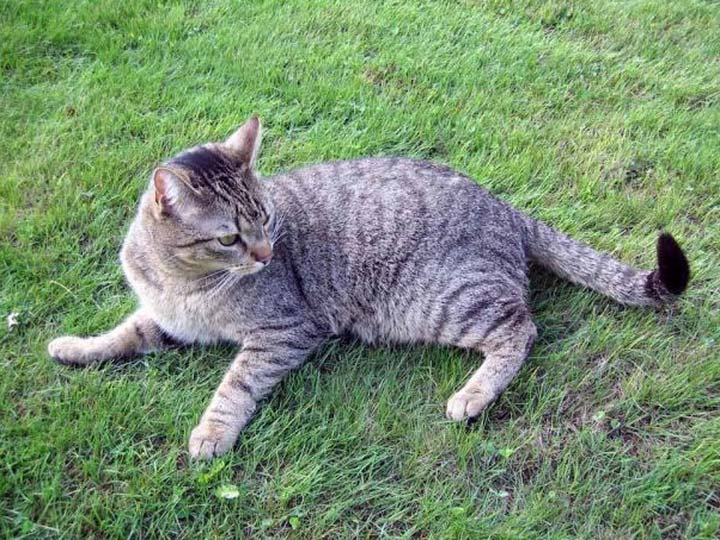
Brazilian Shorthair cats are strong, robust, and well-proportioned, medium-sized cats. Their chests are strong, broad, and round. Their legs are strong, and their tail is fairly long and thick at the base. The head is slightly elongated. The chin has a slight arch at the base. The nose is the same width throughout. The ears are medium-sized, with rounded tips. The eyes are round, wide-open, and moderately spaced. The irises are yellow or green, and may be blue in white cats. The coat is short, silky, and dense, lying close to the skin. A wide variety of colors are possible, but colorpoint, chocolate, blue, and shades of these colors are not permitted.
Personality of Brazilian Shorthair cats
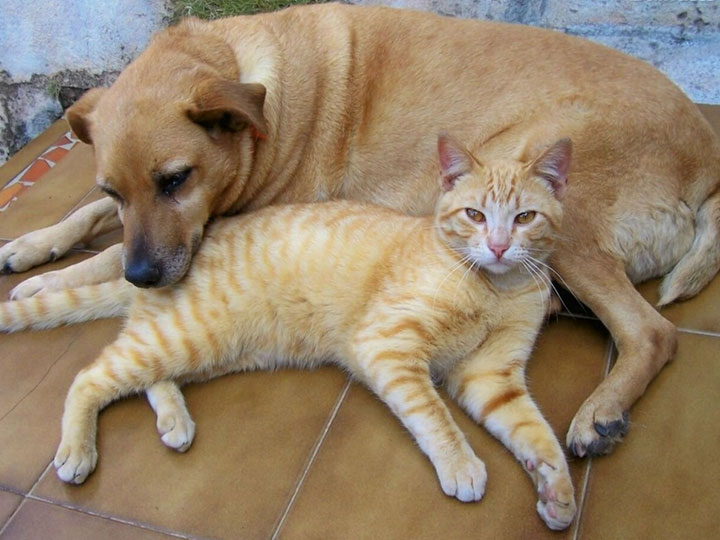
The Brazilian Shorthair's personality is reminiscent of its European relatives. It is calm, intelligent, and affectionate. Aggression is rare and it tries to resolve conflicts peacefully, so it gets along well with other pets, not only cats but also friendly dogs.
Brazilian cats are very friendly with family members, but are rarely tame. They generally don't require a lot of attention and tolerate solitude well. They are very freedom-loving—if they have access to the outdoors, all their important activities will be outside. They are rarely intrusive and are moderately talkative.
Maintenance and care
The Brazilian Shorthair cat is undemanding when it comes to living conditions. Their natural origins make a difference. These cats are prone to wandering and value their freedom. Regardless of gender, they adapt very quickly to new surroundings. Kittens easily become accustomed to their owners and accept the house rules. Many of them prove to be talented hunters.
Grooming shorthaired cats is not difficult. They are quite good at grooming themselves. Regular brushing will help reduce the amount of hair scattered around the house. Brazilian Shorthairs shed moderately.
Health
To date, there is no evidence of genetic inherited diseases. Breeders claim that members of this breed enjoy robust health and strong immunity. They are relatively resistant to various viral and bacterial diseases, so with proper care and maintenance, they can live for 13 years or more.
Where to buy a kitten. Price
The breed is recognized and widespread only in Brazil. It is almost impossible to find such cats outside the country. Since the breed isn't yet independent, and it's unclear how soon it will be, there's little interest in purchasing them abroad. Brazilian breeders themselves aren't rushing to sell off their valuable breeding stock. If you see an ad online for a Brazilian Shorthair, it's likely a marketing ploy, and the pretty name is actually a common stray cat. Kittens in their home country cost an average of $500.
Photos
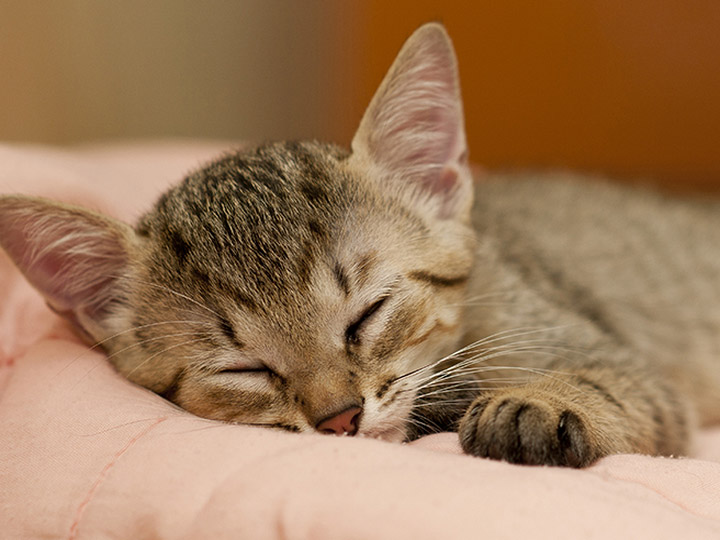
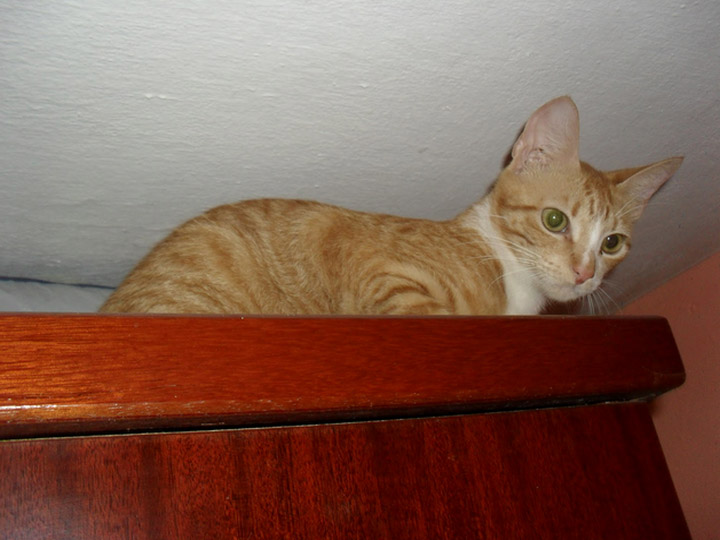
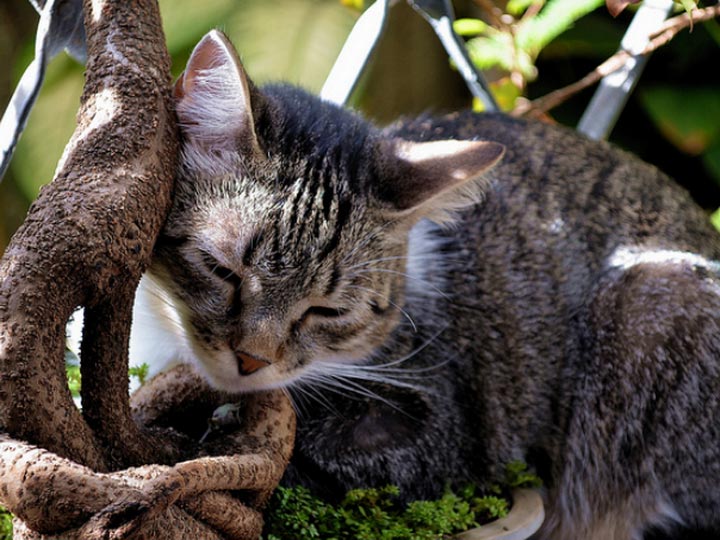
Photos of Brazilian Shorthair cats:
Read also:


Add a comment