
Brachycephalic syndrome in dogs
Brachycephalic syndrome (BCS) is a condition associated with skull structure in short-muzzled dogs and cats, which can lead to breathing difficulties. This condition can lead to serious health problems and requires attention from owners and veterinarians. This article will discuss the manifestations of brachycephalic syndrome in dogs and the treatment options available.
Content
Brachycephalic syndrome clinic
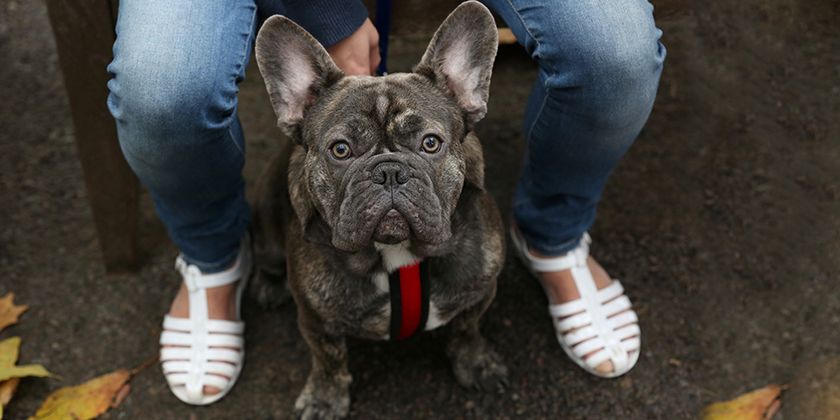
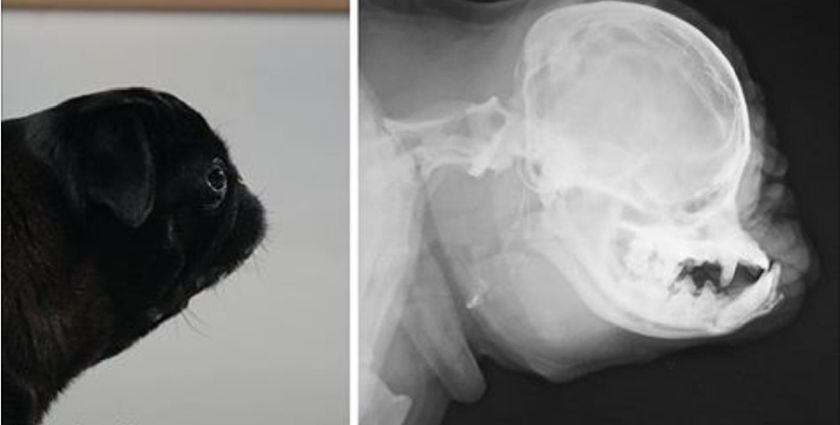
Brachycephaly is an anatomical condition in which a dog has a significantly shorter and wider facial part of the skull, a flat nose, an enlarged tongue and nasal septum, a narrow nasal opening, often missing teeth, and a wide chest.
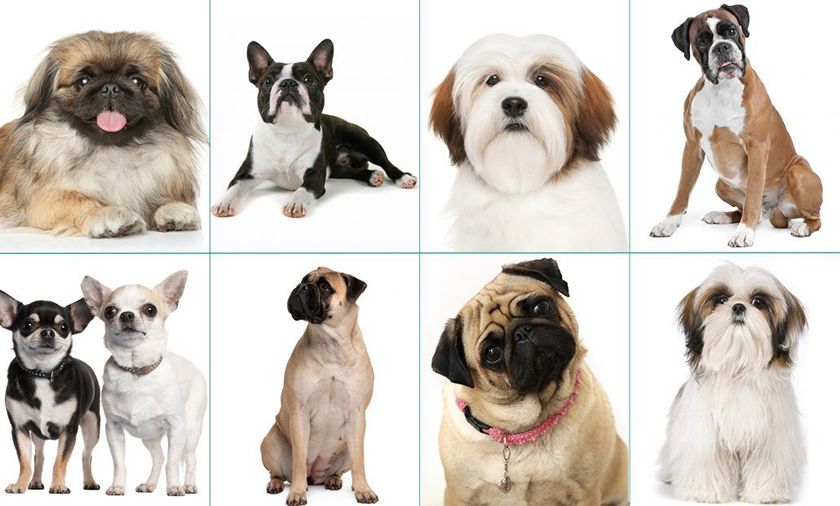
Examples of breeds prone to developing brachycephalic syndrome include:
- pugs;
- bulldogs;
- Shar Pei;
- Pekingese;
- boxers;
- Brussels and Belgian Griffons;
- Chihuahua;
- Chow Chow;
- Boston Terriers,
- Lhasa Apso;
- Pomeranian Spitz;
- Shih Tzu.
The manifestations of brachycephaly in dogs depend on the degree of development of the pathology, can be varied and include organic and neurological symptoms associated with the special anatomy of the skull.
Difficulty breathing
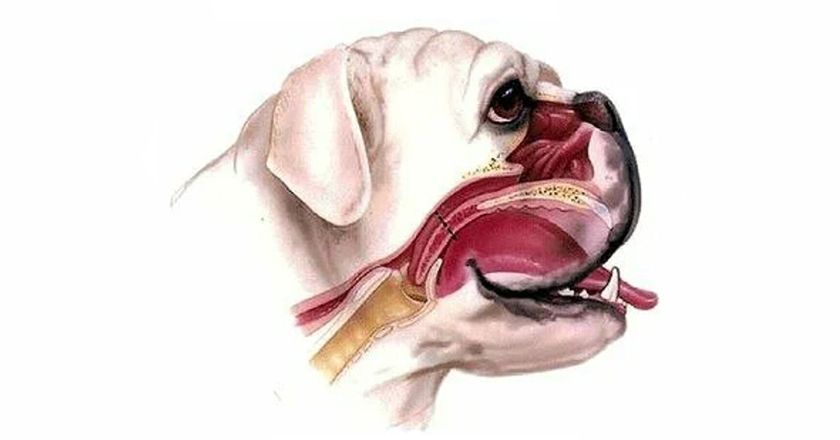
This is one of the most characteristic manifestations of the syndrome. Brachycephalic dogs have narrow airways, narrow or inverted nares, a compressed sinus, and a narrowed trachea. The soft palate is often hypertrophied. Consequently, they may breathe heavily and noisily, frequently panting, especially during physical exertion, and are prone to daytime dyspnea (shortness of breath) and sleep apnea (pause in breathing).
Digestive and chewing problems
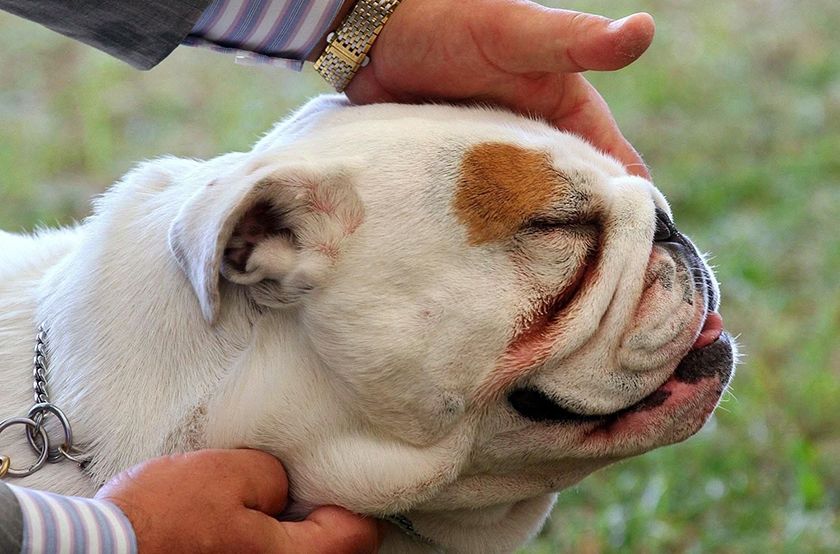
Dogs with brachycephaly have a reduced nasal and oral cavity size. Due to a shortened upper jaw, malpositioned teeth, and limited ability to open their mouths, brachycephalics may experience difficulty biting and chewing food, and a gag reflex may occur when swallowing.
Frequent concomitant URT infections
Due to their narrowed nostrils, dogs with brachycephalic syndrome are more susceptible to infections. They suffer more often from rhinitis, sinusitis, tracheitis and other diseases of the respiratory system.
Limited physical activity
Due to airway obstruction and low respiratory efficiency, dogs with brachycephalic skulls are prone to exercise difficulties and may tire quickly.
Problems with thermoregulation
Hyperplasia of the palate combined with narrow airways causes brachycephalic dogs to have difficulty cooling themselves in hot weather and they can overheat quickly.
Eye problems
Some dog breeds suffering from this syndrome have bulging eyes that can be easily susceptible to various infections and injuries.
Diagnostics
Diagnosis of brachycephalic syndrome in dogs usually involves a range of examinations:
- History and Clinical Examination. The veterinarian interviews the owner and examines the dog, examining its anatomical and morphological features to identify the characteristic signs of brachycephalic syndrome, such as a short, flat muzzle, narrowed airways, a large lower jaw, and an underdeveloped upper jaw with malpositioned or insufficient teeth.
- Chest X-ray and ultrasound. X-ray and ultrasound examinations can help assess the size of the respiratory system: the condition and degree of airway narrowing, the size of the nostrils, the radiodensity of the lung fields, and the shape of the heart, as well as other changes associated with brachycephalic syndrome. This can help identify potential health problems caused by the existing anatomical features and identify associated pathologies that have developed as a result of brachycephalic syndrome (heart failure, pneumonia, etc.).
- Functional tests. For a more detailed assessment of respiratory function, airway manometry or a respiratory physiology assessment may be performed.
- Laboratory tests. To identify possible infections and other diseases and assess the dog's overall condition, additional clinical blood or urine tests may be required.
Treatment for brachycephalic syndrome in dogs should be individualized and based on the specific needs and condition of the animal.
How is brachycephalic syndrome diagnosed?
A visual examination of the dog is usually sufficient for a veterinarian to make an initial diagnosis. With a characteristic brachycephalic skull structure, the cause of respiratory problems is usually obvious. All subsequent examinations are conducted to determine the severity of the pathology and identify possible complications.
For this purpose, the following diagnostic methods are used:
- Auscultation of the heart and lungs allows us to detect wheezing, breathing problems, and assess the heart rate.
- Echocardiography is used to check the condition of the heart muscle and identify possible abnormalities in its functioning.
- CT and MRI help assess the condition of the soft and bone tissues of the respiratory tract.
- Laryngoscopy is necessary for examination of the larynx and vocal cords.
- Ultrasound is used to diagnose the condition of the heart.
- Blood sampling for general and biochemical analysis is usually performed at the final stage of the examination, once the diagnosis has been confirmed. Based on the data obtained, a safe anesthetic dosage is selected for surgical intervention.
Symptomatic treatment of brachycephalic syndrome
Non-surgical treatment may include medications to ease breathing, changes in diet and living conditions.
Pharmacotherapy
Your veterinarian may prescribe certain medications to help relieve the symptoms of brachycephalic syndrome in your dog:
- drugs that relieve swelling of the airways and make breathing easier;
- preparations for moisturizing the mucous membrane of the nose and throat;
- digestive aids;
- antibiotics to treat infections;
- Anti-inflammatory drugs.
Diet and care
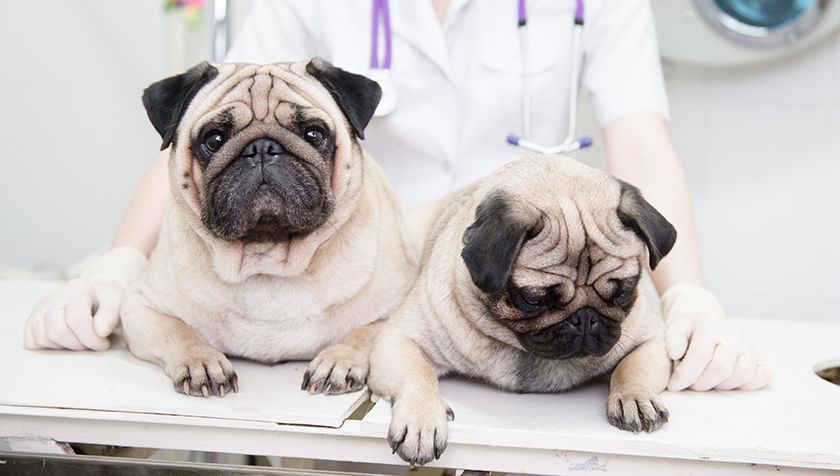
Proper nutrition and care can play a significant role in managing brachycephalic syndrome in dogs. First and foremost, it's important to create a comfortable environment for your dog, including providing a comfortable and cool place to rest and avoiding stressful and extreme situations. Physical activity should be limited in hot weather, and a harness should be used instead of a collar during walks to reduce pressure on the dog's neck.
Excess weight can worsen the symptoms of brachycephalic syndrome. To maintain a healthy weight, your veterinarian may recommend a low-calorie diet and specialized physical therapy, such as exercise, massage, and swimming.
Surgical intervention
Surgery to remove physical obstructions in the airway may be necessary in cases where conservative treatment methods for brachycephalic syndrome in dogs do not provide sufficient relief, or when the symptoms of the syndrome are severe.
It is important to note that surgical treatment of brachycephalic syndrome has certain risks, and the decision to perform surgery should be made in consultation with your veterinarian, taking into account factors such as the dog's age and overall health.
It is advisable to perform planned surgeries to correct brachiocephalic syndrome in dogs at an early age to prevent further development of the pathology.
Rhinoplasty
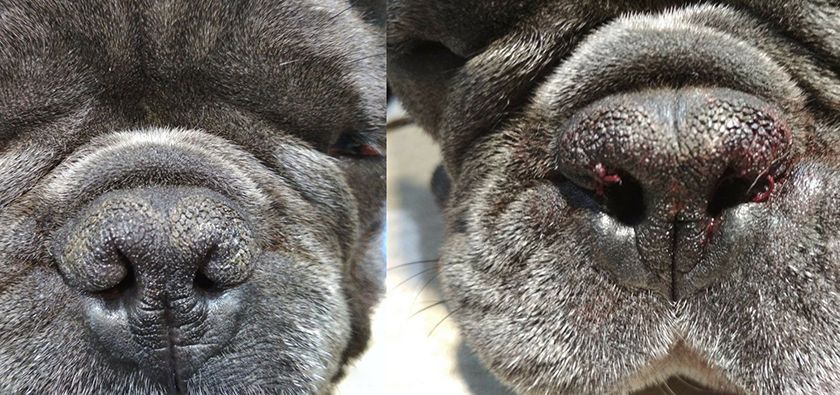
Nasal alar plastic surgery is performed to treat stenosis of the nares or stenosis of the vestibule of the nares, the inner part of the nasal alar. Medial or lateral wedge resection surgery aims to widen the nasal openings to facilitate breathing.
Shortening of the soft palate
Soft palate plastic surgery is performed under general anesthesia. The goal of the surgery is to remove excess tissue from the mucous membrane fold above the base of the tongue, which, when hyperplastic, obstructs airflow into the airway.
Removal of the laryngeal saccules
Partial or complete removal of the vestibular folds of the larynx or arytenoid cartilage is performed if resection of a portion of the enlarged soft palate is insufficient to increase the respiratory gap.
After surgical correction of the BCS, if edema develops, the dog is given a temporary tracheostomy - an opening is made in the trachea to bypass obstructions in the upper respiratory tract and ensure normal breathing.
Postoperatively, the dog is prescribed a temporary reduction in physical activity and antimicrobial and anti-inflammatory treatment (as indicated). Glucocorticoids (prednisolone) are used to suppress the inflammatory process.
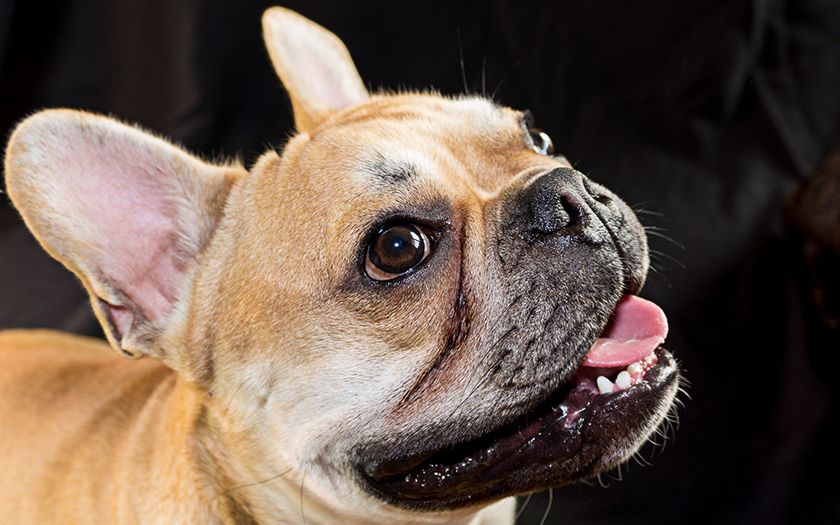
It's important to understand that brachycephaly is a congenital condition and cannot always be completely cured. After surgery or conservative treatment for brachycephalic syndrome, dog owners should follow all veterinarian recommendations for care. This may include regular checkups, maintaining a healthy lifestyle, proper nutrition, and avoiding factors that may aggravate the symptoms of brachycephalic syndrome.
Read also:
- How to cool down a dog in extreme heat
- Reverse Sneezing in Dogs: What It Is, Causes, and Treatment
- Tracheal Collapse in Dogs: Symptoms and Treatment


Add a comment