
Bordetellosis in dogs: symptoms and treatment
Bordetellosis is a highly contagious infectious disease affecting the respiratory tract of many mammals. In dogs, the disease is caused by the gram-negative bacterium Bordetella bronchiseptica (a genus of cocci). Symptoms vary at different stages of the infection. A consultation with a veterinarian is necessary for a precise diagnosis and treatment.

Content
Transmission routes
Bordetellosis is a group of infections known as "kennel cough." The name derives from the primary route of transmission: airborne droplets. When dogs are crowded together in a kennel, kennel, club, or at a dog show, it's easy to contract the infection even through brief contact. Another route of transmission is through infected saliva.

A sick dog with mild clinical symptoms actively excretes the pathogen, but in small quantities. An individual with severe symptoms becomes a dangerous source of infection, spreading the pathogen through nasal and oropharyngeal secretions.
The pathogen B. bronchiseptica is an aerobic microorganism of the genus Bordetella that infects many mammalian species. It primarily infects dogs, rarely cats and rabbits, and is also infectious to immunocompromised humans. It is related to the bacteria that cause whooping cough in humans.
Dogs of any age and breed can become infected, but puppies under one year of age are particularly susceptible. Once in the body, the pathogen attacks the respiratory tract and causes inflammation in the trachea, bronchi, and lung tissue.
Provoking factors
Experiments have shown that dogs (cats) can become infected with Bordetella by contact with an infected cat (dog). The main factor contributing to the rapid proliferation of bacteria in the body is a weakened immune system.
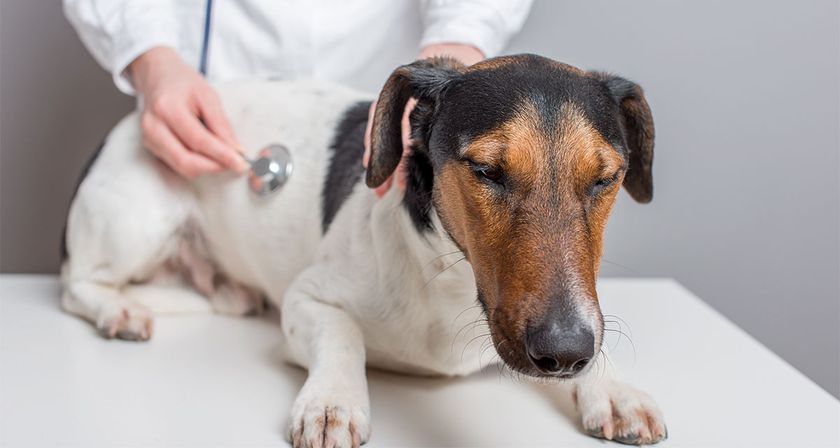
Other factors:
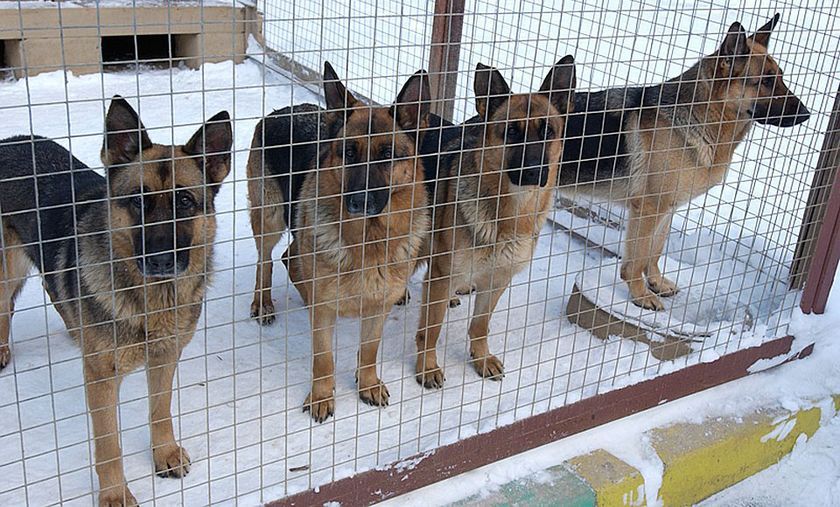
- violation of conditions of detention - a large number of animals in a small area;
- a new pet that has not passed quarantine;
- long-distance transportation, which can provoke a decrease in immunity due to stress;
- presence at a competition, exhibition.
Veterinarians note that bordetellosis is most often diagnosed in the fall and winter. This is because the immune system is weakened by sudden temperature changes, drafts, and hypothermia.
Symptoms
Like any infection affecting the respiratory tract, bordetellosis develops according to a standard pattern. The bacteria have projections on their membranes that attach them to the ciliated cells lining the upper respiratory tract.
Bordetella bacteria actively produce toxins, which suppress the local immune system. The ciliated epithelium no longer functions, and phagocytosis is disrupted. The affected tissue lacks resistance to the toxins, and a specific cough known as kennel cough develops.

The pathogens are not immediately active. The time from infection to the onset of the disease can range from a few days to up to three weeks. The disease is characterized by acute, subacute, and chronic forms.
Uncomplicated forms are more common. Characteristic signs: cough, acute or episodic in nature, runny nose, sneezing, sometimes reverse sneezing (pulling in air, which makes it seem like the dog is choking and suffocating).
In severe clinical manifestations, the dog breathes heavily, cannot tolerate physical exertion, has a fever and poor (or no) appetite, the color of the mucous membrane changes, and coughing can lead to vomiting.
Complicated course is more often observed in puppies and unvaccinated dogs.
Acute course
This form is characterized by attacks of continuous coughing that occur episodically and intensify with different types of activity (walking, standing up, running, etc.). The infection causes inflammatory processes leading to inflammation of the larynx (laryngitis), tracheobronchitis, pneumonia or a combination of them.
When the larynx is inflamed, when coughing, the vocal cords increase resistance to incoming air and the sound of the bark changes - hoarseness, a high-pitched, almost "buzzing" sound appears.

If the trachea is inflamed, the dog will begin to cough when stroked where it enters the chest. If there is a large amount of mucus, the dog will cough it up and swallow it if it enters the oropharynx. This pattern is observed after repeated bouts of vomiting and retching.
Inflammation of the nasopharynx manifests itself as various types of nasal and ocular discharge. The discharge is often accompanied by sneezing or reverse sneezing. In rare cases, the infection is accompanied by respiratory failure and shortness of breath.
Chronic course
If the symptoms described do not resolve within three weeks, the disease becomes chronic. This includes persistent severe cough, runny nose, conjunctivitis, sneezing, loss of energy, and loss of appetite. Fever may persist, and the submandibular lymph nodes may become enlarged.
After suffering from bordetellosis, a dog remains a carrier of the infection for three weeks and can infect its fellow dogs.
Diagnostics
The exact etiology of the pathogen is determined only when the disease progresses more complexly. If the course is uncomplicated, the infection is diagnosed based on clinical signs and medical history.
For dogs with progressive or intractable symptoms, the following tests are indicated: chest X-ray, complete blood count, and polymerase chain reaction (PCR) testing to determine the type of pathogen.

In severe or chronic cases, if the pet does not respond to treatment, cytological and bacteriological examination of respiratory fluid may be necessary. This analysis determines the type of inflammation and provides information on the antibiotic sensitivity of the pathogen.
Treatment
If bordetellosis is mild, no treatment is required – the disease will resolve on its own. Antimicrobial therapy is used if there is a risk of bronchopneumonia or persistent symptoms. Doxycycline, a highly effective drug, is prescribed; B. bronchiseptica bacteria are sensitive to it. Dosage: 10 mg/kg once daily or 5 mg/kg twice daily.
In case of mixed infection, the use of Gentamicin and antimicrobial agents from the fluoroquinolone group is justified.
Intravenous antimicrobials are necessary in severe cases where sepsis or bronchopneumonia may develop. Cough suppressants are also given. These can be used in combination with bronchodilators to facilitate mucus removal. Theophylline and aminophylline are used to prevent bronchospasms.
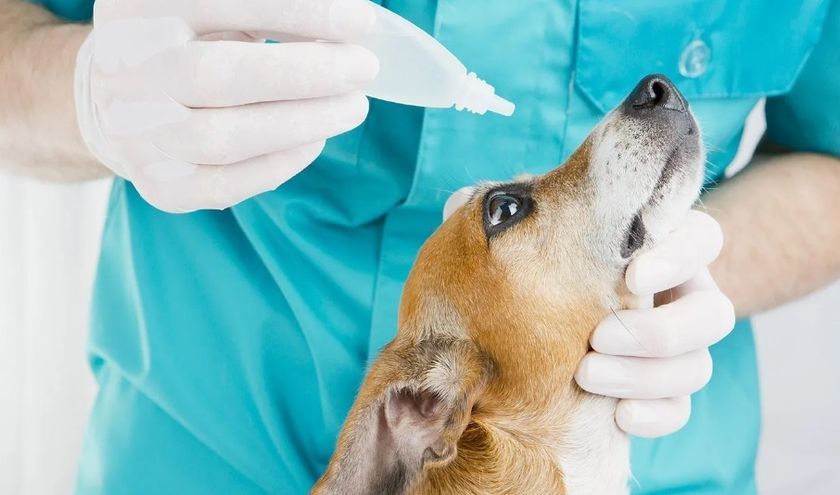
Supplement to the main course of treatment:
- eye drops - Diamond eyes, Iris;
- immunomodulators – Anandin, Maksidin, Timogen;
- nasal drops - Nazivin;
- general tonic drugs, for example, Gamavit, Ribotan.
When using these medications, you must adhere to the manufacturer's recommended dosages.
Conditions during treatment
To reduce the risk of infection, the sick dog is isolated for at least two weeks during treatment (counted from the onset of symptoms). Care should be taken to prevent exposure to substances that trigger coughing and irritate the respiratory tract. These include sprays, scented cosmetics, cigarette smoke, etc.
During this period, it's important to monitor your pet's drinking regimen and nutrient intake. Initially, it's best to feed them soft, warm, and moist dietary food. You can also offer wet food or soak dry kibble.
Meat broths added to food stimulate appetite well, and the prebiotic "PRO PLAN FORTIFLORA" enhances the taste.
To reduce the cough reflex, limit physical activity and feed the child small, frequent meals—a full stomach can trigger vomiting when coughing. Antiemetic medications are given if necessary.
Preventive measures
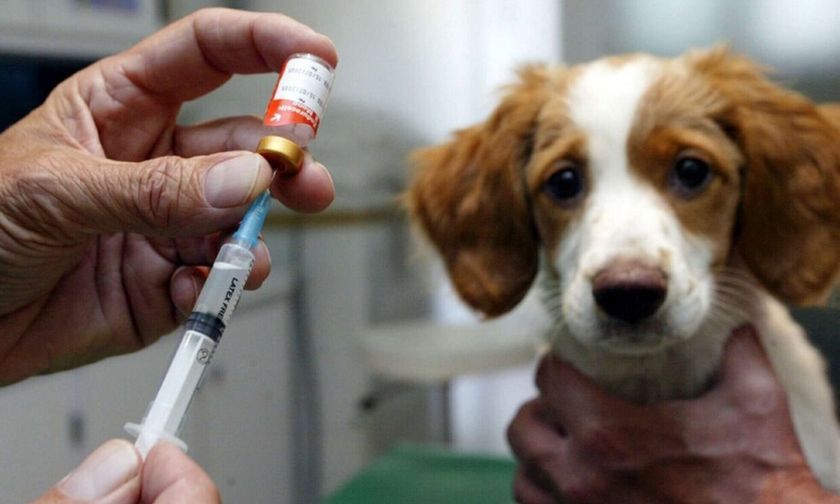
An effective preventative measure is avoiding contact with sick animals and areas where dogs are overcrowded. Vaccination does not provide 100% protection against infection, but it can reduce the risk of spread. Therefore, many dog boarding facilities, grooming salons, and dog shows require kennel cough vaccination.
Conclusion
Bordetellosis is a common and highly contagious disease in dogs and various mammals, with a high risk of infection; under certain conditions, humans can also become infected.
Prevention, eliminating the causes that contribute to infection, and contacting a veterinarian at the first sign of symptoms can help cure the disease and stop the spread of infection.
Read also:
- Why is my dog coughing as if it's choking?
- Reverse Sneezing in Dogs: What It Is, Causes, and Treatment
- Dog snorting: what to do, reasons


Add a comment