
Border Terrier
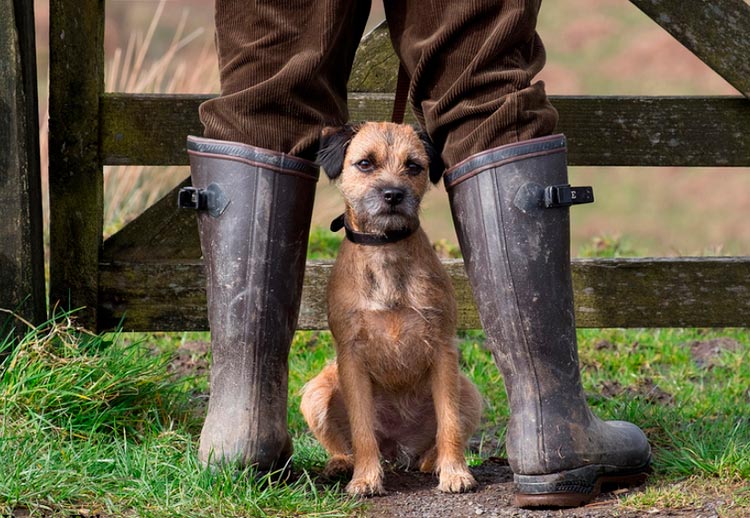
The Border Terrier is a small, wire-coated, energetic dog bred to hunt foxes and badgers in dens. The Border Terrier has a pleasant disposition, is easy to care for, and requires little grooming. It can track foxes, badgers, and bloodsnout. It has proven itself as a family and sporting dog.
Content
History of origin
The Border Terrier was developed in the Border Country, a region on the border between Scotland and England, as a burrowing hunting dog. Small, wire-haired terriers were known in these areas as early as the late 18th century. The targeted development of the breed began approximately half a century later, when fox hunting with packs of dogs became popular in the mountainous regions of the Border Country. Initially, terriers were named after places or the surnames of their owners, and it was only towards the end of the 19th century that the breed acquired its current name. In 1920, the English Kennel Club officially recognized the Border Terrier and praised the breed's distinctive qualities.
Border Terriers are most popular in the UK, where up to 4,000 puppies are registered annually. Significant numbers of the breed are also found in Sweden, Finland, and Germany. In Russia, Border Terriers are still considered rare: the first dogs appeared in Moscow in 1998, and today they are mostly kept in large cities.
Video about the Border Terrier dog breed from AnimalPlanet:
Appearance
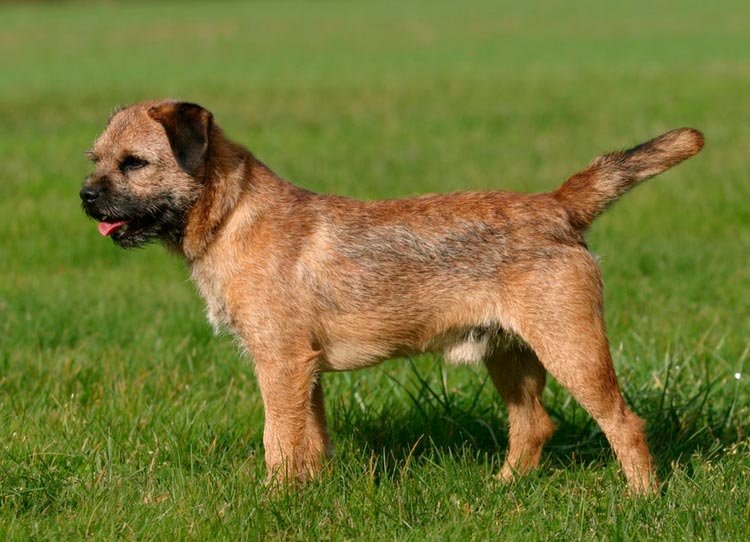
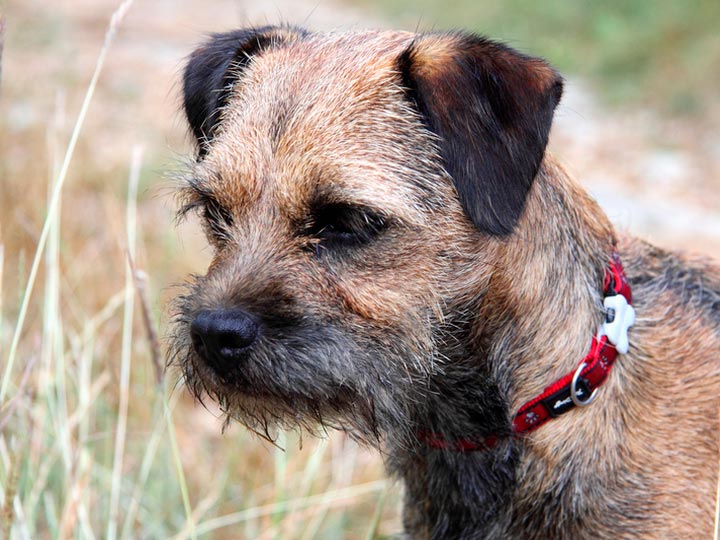
In appearance, the Border Terrier should give the impression, first and foremost, of a compact, sturdy working dog with a wiry coat. Sexual dimorphism is weak. A distinctive feature of Border Terriers is their otter-like head. Males stand 35-37 cm tall and weigh 5.9-7.1 kg. Females stand 33-35 cm tall and weigh 5.1-6.4 kg.
"Otter-shaped head" is written in the official Border Terrier standard. Of course, this shouldn't be taken too literally. What it means is that the head is neither coarse nor round, with a flat topline, wide between the ears, and a slightly defined stop. From above, the outline resembles a blunt wedge.
The muzzle is rather rounded, not pointed or angular, and well filled under the eyes. The whiskers and beard should be thick but short. The earlobe is black. The eyes are dark and lively. The ears are V-shaped, hanging, and raised at the base by cartilage. Not too large, the tips are slightly rounded. The back of the ears is usually covered with darker hair and points forward. The bite is level or scissor.
The neck is of moderate length. The body is fairly elongated, deep, and narrow. The loin is strong. The tail is short, thick at the base, tapering to a point, set high and not carried over the back. The chest is of good length, with ribs not too well sprung. The forelegs are straight and parallel. The hind legs are strong and well muscled. The paws are small and oval, with well-knit toes, thick pads, and short, strong nails.
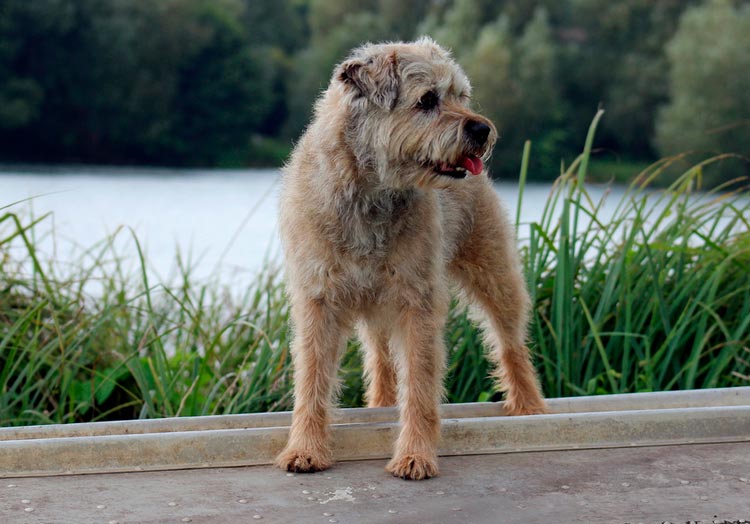
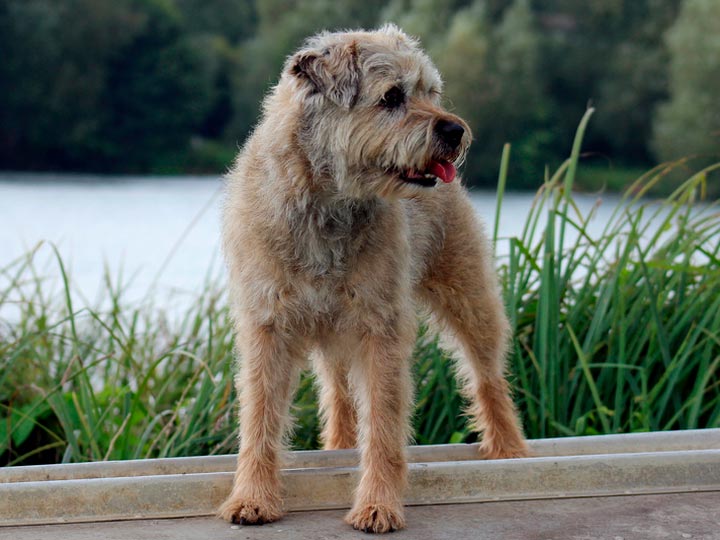
The skin is thick. The coat is dense, lies close to the body, and is harsh to the touch. The undercoat is well developed. Color: wheaten, red, grizzly, or blue and tan.
Character and behavior
By nature, the Border Terrier is exceptionally attentive, friendly, and affectionate. He loves long walks and gets along well with everyone, including children. He's very sociable and thrives in the company of people, but to be truly happy, he should also be in contact with other dogs of different breeds.
The Border Terrier is lively and energetic, but not boisterous. It doesn't demand excessive attention. It's always alert and reasonable. It will alert its owner to the arrival of guests or any extraneous noise with a loud bark. However, it's definitely not suited to being a guard or protector, being too friendly even with strangers. It gets along well with other animals, except small rodents and birds, which it views as prey. It will enthusiastically chase the neighbors' cats and squirrels, but usually leaves its own alone. It's rarely pugnacious with other dogs. Border Terriers are not known for their shyness; they always crave the spotlight, happily showing off their talents, and revel in admiring glances.
Border Collies are not homebodies and will not lie on the couch all day, so they are suitable for active people who enjoy long walks, are ready to walk a lot with the dog, provide it with games or interesting activities (agility, hunting, other sports).
The most important thing for a Border Terrier is the attention of its owner, in whose company the dog thrives. It is courageous and fearless, which is especially evident in its work as a passionate hunter. Despite its toy-dog appearance and small size, the Border Terrier remains a strong working dog with a stable psyche; it will never become hysterical, but is collected and reserved. Owners should always be mindful of its strong hunting instinct. While out for a walk, even an obedient and well-trained dog can suddenly break loose and rush after a bird, cat, or rodent.
Education and training
Border Terriers are very intelligent and smart dogs. They are easy to train, quickly learn house rules, and strive to adhere to them. While puppies are young, difficulties in training them can be caused by their excessive energy, strong hunting instinct, and the stubbornness inherent in all terriers.
Positive reinforcement is often the most effective training method. It's certainly encouraging that Border Terriers perform commands not only for treats or rewards, but also to please their owner and have fun. It's especially helpful if training becomes a fun experience for them, rather than a punishment.
If the dog is to be used for hunting, it is introduced to forests, meadows, woods, and wild animal pelts from a very early age. Full training begins after the dog has mastered basic commands and can perform them not only at home but also in unfamiliar environments.
Content Features
Border Terriers are extremely easy to care for and are suitable for most people. They are small in size, robust in health, and have a pleasant temperament. They thrive in apartments, provided they are walked regularly. They can also live in a private home and enjoy spending time outdoors. They are theoretically suitable for year-round outdoor living, but will not thrive in a crate without regular interaction and ample exercise.
The majority of Border Collies are simply pets and family dogs, some build a show career and only a few are used as working dogs, have field diplomas and regularly go hunting.
Care
The Border Terrier is a wire-haired dog, meaning it doesn't have a pronounced seasonal shedding cycle like most other breeds. Its coat grows to a certain length, matures, and gradually falls out. During this period, the dog is typically trimmed, removing the overgrown hair, leaving the short, new coat all over the body. Border Terriers are trimmed at least two to three times a year. Dogs that are regularly shown are lightly trimmed once a month. The coat is brushed approximately once a week.
Check the ears once a week and clean them if necessary. Keep the eyes dry and clean. Also, monitor the condition of the teeth. If desired, you can accustom your dog to regular cleaning and perform the procedure once a week. This will help remove plaque and prevent tartar buildup.
Border Terriers should never be clipped or trimmed with scissors. After just one trim, their coat loses its coarseness and becomes discolored.
Frequent bathing is unnecessary and even harmful. Of course, this doesn't include rinsing the paws and belly after walks. If it's time for a full wash, it's recommended to use special dog shampoos for coarse coats or all-purpose shampoos that won't make the hair even coarser.
Nutrition
Most Border Terriers are healthy, adapt well to any diet, and rarely suffer from allergies. The main problem is often an overeager appetite and overfeeding, which can lead to excess weight and loss of shape. While this isn't such a big deal for pets, show dogs don't need those extra pounds or even kilos.
The owner chooses which type of diet to use: natural or prepared food. Provided all feeding guidelines are followed and good quality products are selected, both options are suitable.
Conditions of detention
This breed is suitable for both a private home and a small apartment near a park. These hardy dogs require regular physical and mental exercise, as well as daily walks of at least an hour. It is strongly recommended not to leave a Border Terrier free-ranging in an urban yard. Socialized Border Terriers are generally peaceful with other dogs, but can exhibit a prey drive toward cats, rabbits, and birds. Therefore, they should only be allowed off-leash in a secure, enclosed area. These dogs are prone to digging and easily jump over low fences, so a secure fence is essential for free-ranging.
Border Terriers generally tolerate cool, windy, and low temperatures well, but have difficulty with heat above 30°C (86°F). For this reason, the breed is less suitable for southern regions. High temperatures increase the risk of heatstroke and exhaustion, so in summer, it is recommended to walk your dog early in the morning or in the evening. Cooling mats, special clothing, and access to a pool or safe water can also be helpful.
The breed sheds minimally, but its coat requires regular grooming. Border Terriers need to be trimmed twice a year and brushed weekly to remove dead, coarse hair. Clipping is not recommended, as it negatively impacts the growth and quality of the new coat.
Health and life expectancy
Border Terriers are considered a healthy breed. These small, sturdy dogs have good health and immunity, with an average lifespan of 13-15 years. This is primarily due to careful breeding and careful selection for health. Naturally, no breed is completely healthy; however, Border Terriers are rarely susceptible to hereditary diseases:
- Joint dysplasia (elbow or hip, most often in mild form);
- Heart defects;
- Epileptoid convulsive syndrome;
- Ataxia of the newborn;
- Allergy;
- Cryptorchidism;
- Anomalies of the dental formula (underbite, oligodontia);
- bobtail;
- Epilepsy;
- Eye diseases (progressive retinal atrophy, cataract);
- Perthes disease.
It is important that the veterinarian be aware that Border Terriers often have a slow response to anesthesia.
Border Terriers' robust health doesn't mean owners can ignore preventative care. Dogs should be vaccinated According to established schedules. Treatments for external and internal parasites are carried out regularly, the frequency of which depends on the products used. Housing conditions, a balanced diet, and proper care are essential for maintaining health. A routine medical examination is recommended annually.
Choosing a Border Terrier Puppy
Choosing a pedigree puppy wisely means first choosing a kennel or breeder. Border Terrier numbers in Russia and neighboring countries are quite small, so breed enthusiasts know most dogs by name, and owners communicate closely on specialized forums. By contacting their team, you can receive a wealth of advice on choosing, raising, caring for, and other aspects.
When it's time to pick up your puppy, it's important to make sure it's already over 8 weeks old. Since birth, it has been close to its mother and littermates, has been well-fed, has been treated for external and internal parasites, and has had ample opportunity to roam freely. It should be healthy and well-fed in appearance. Temperament is equally important; the puppy shouldn't show timidity or aggression toward strangers. A puppy's most important qualities at 2-3 months are curiosity and friendliness.
A purebred puppy has a birth certificate and a tattoo, the number of which corresponds to the one written on the puppy card. The puppy must be vaccinated according to its age. Vaccination stickers in the veterinary passport serve as proof. Microchipping is a matter of personal preference and is only relevant if the dog will be exported abroad.
Price
The price of a purebred Border Terrier puppy typically ranges from 35,000 to 50,000 rubles. The breed is not commercially available, so ads for puppies without papers are rare.
Photos
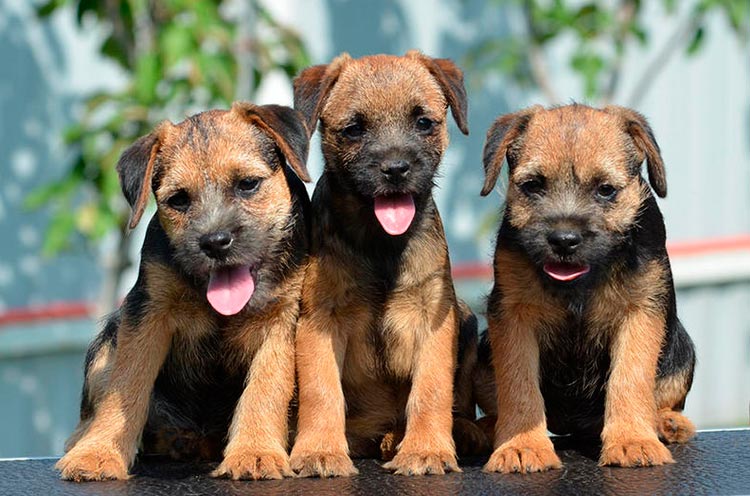
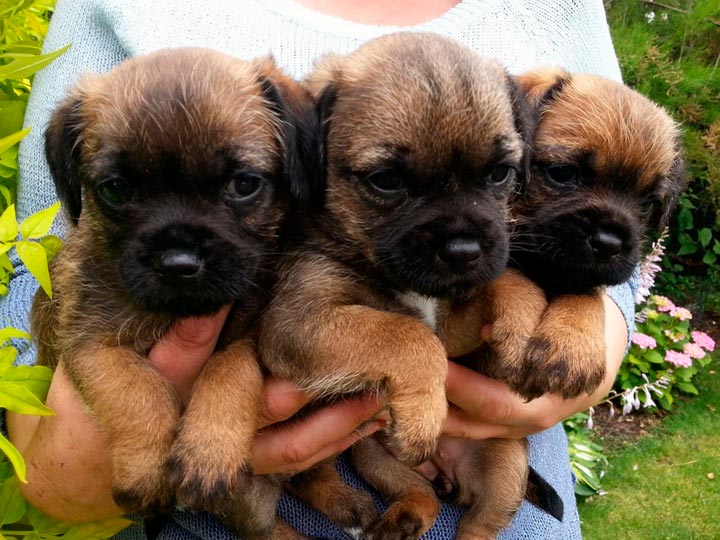
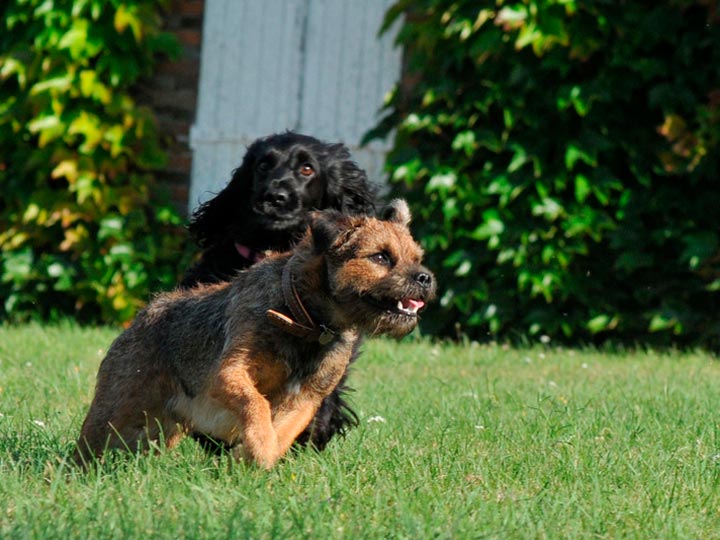
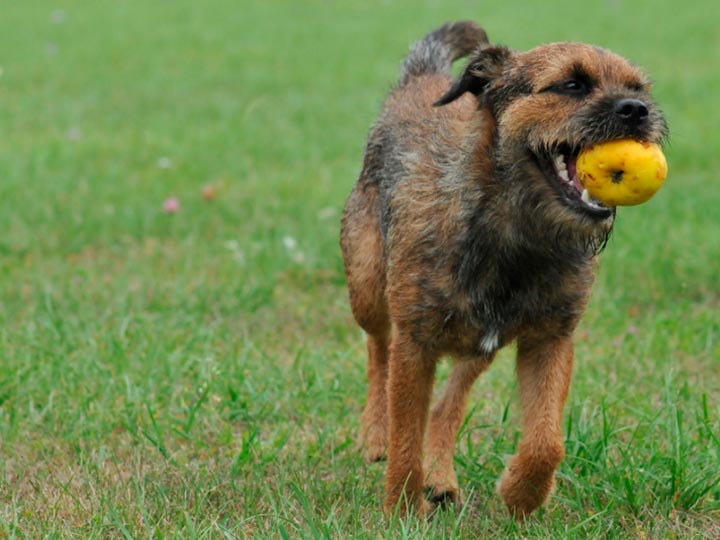
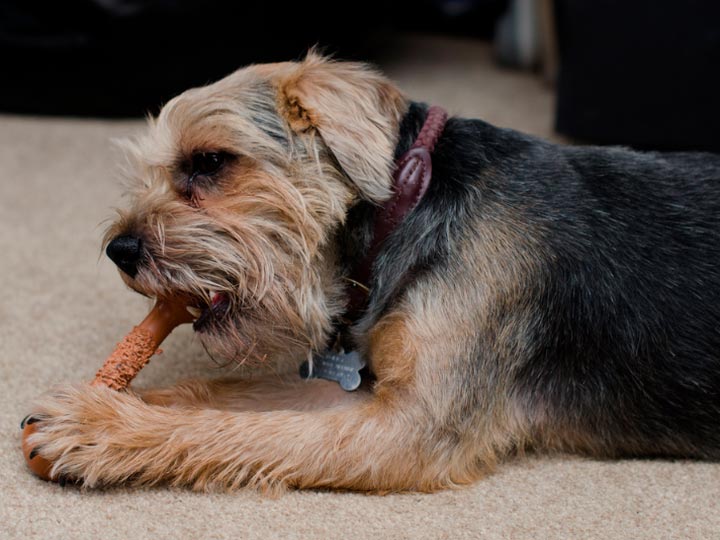
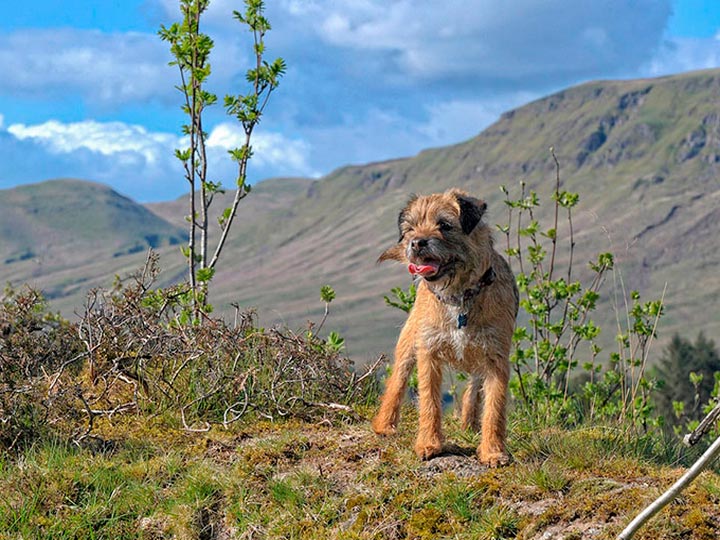
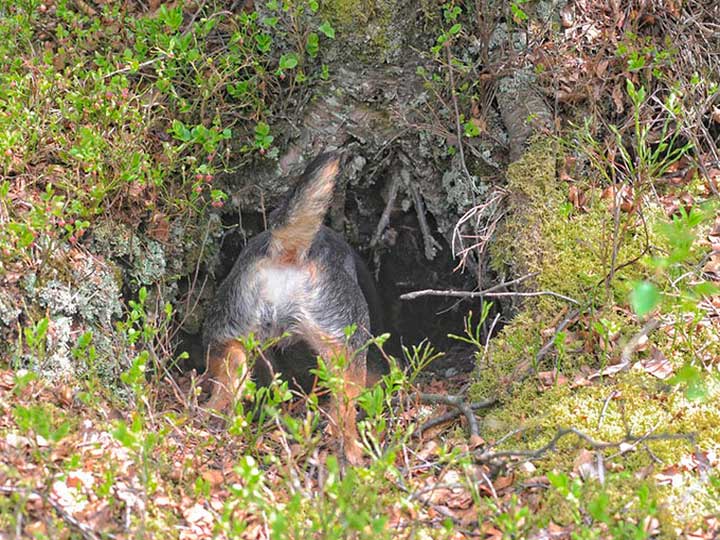
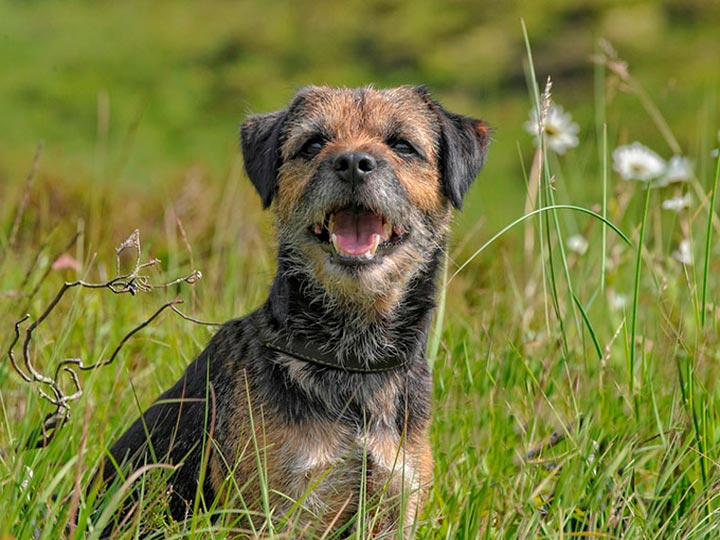
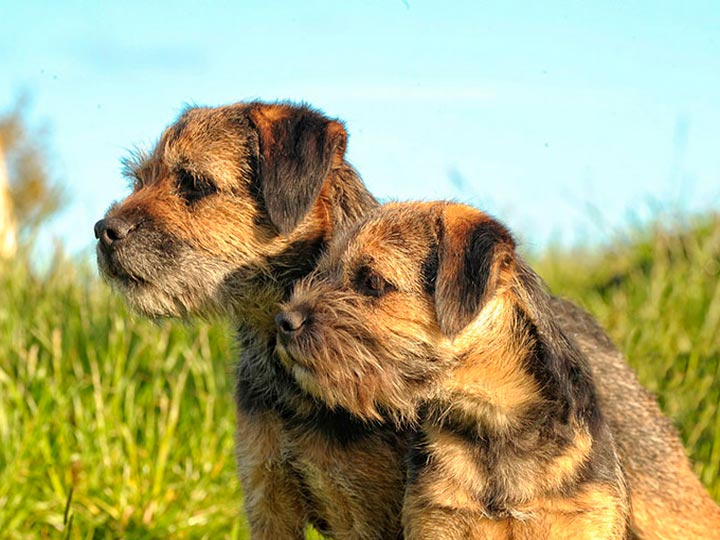
This gallery features photos of adult Border Terrier dogs and puppies. Even the photos reveal how energetic and cheerful these little dogs are.
Read also:


Add a comment