
Border Collie
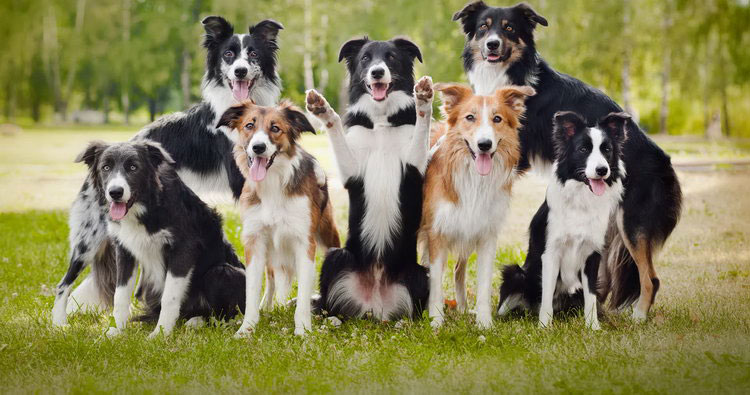
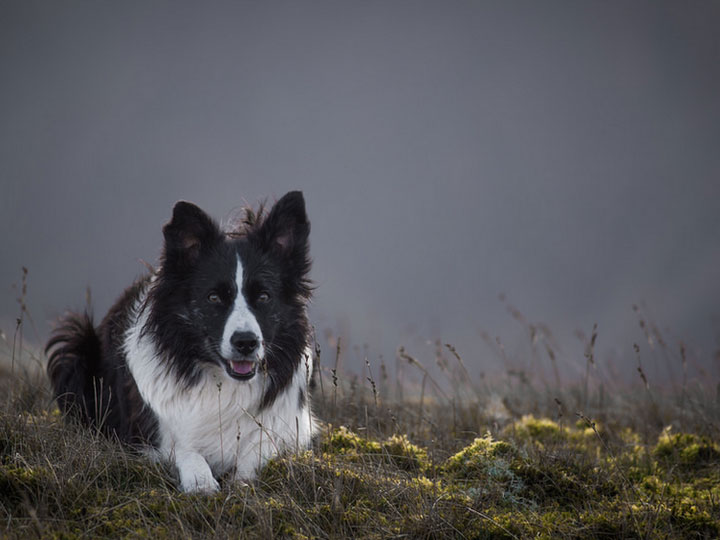
Border Collies are energetic, hardy, and determined medium-sized herding dogs. They're not a pet or a house dog, not a sofa bed ornament or a calm companion; they're a strictly working breed, ready to work around the clock. Border Collies are increasingly becoming urban pets, but they're not for everyone.
Content
History of origin
In the Middle Ages, small shepherd dogs They were found primarily on the border between Scotland and England. This likely explains their name, "Border," which translates as "border." It's likely they descended from Viking reindeer herding dogs brought to the islands. The breed has gone by many names to this day: English Collie, Working Collie, Farm Collie, and Traditional Collie. The current name was only adopted in the last century.
For centuries, farmers selected the best representatives of the breed, those skilled in herding. Shepherd dog championships were even held. These four-legged helpers had to lead the herd along a route within a certain time. The winners of the competitions became stud dogs and provided the necessary genetics.
A dog named Old Hemp (b. 1893 - d. 1901) became a sensation in the shepherding world. At just two months old, he was already herding sheep, adhering to his own style, which later became practically the standard. All modern Border Collies are descendants of Hemp.
To support unique working breeds, the Sheepdog Society was founded in Great Britain in 1906. Only dogs that passed working trials were included in stud books. The first Border Collies were registered in 1915 by breeder James Reid.
Over time, the Border Collie's role and popularity expanded. The dogs were used not only in pastures but also as guide dogs, rescuers during fires, and search and rescue operations. Perhaps because of their intense professional workload, Border Collie dogs were long sidelined from the glamorous dog shows and global popularity. It was only in 1976, unfortunately, that the breed was recognized by the English Kennel Club, and in 1988, it received FCI recognition.
Border collies have made quite successful actors, featured in the films "Babe" and "Can You Hear Me?" But the breed gained particular fame after the publication of a study on the intelligence of dogs. Border collies were recognized as the smartest, a feat that instantly spread across the internet. Second place went to poodles.
Video review of the Border Collie breed:
Appearance and standards
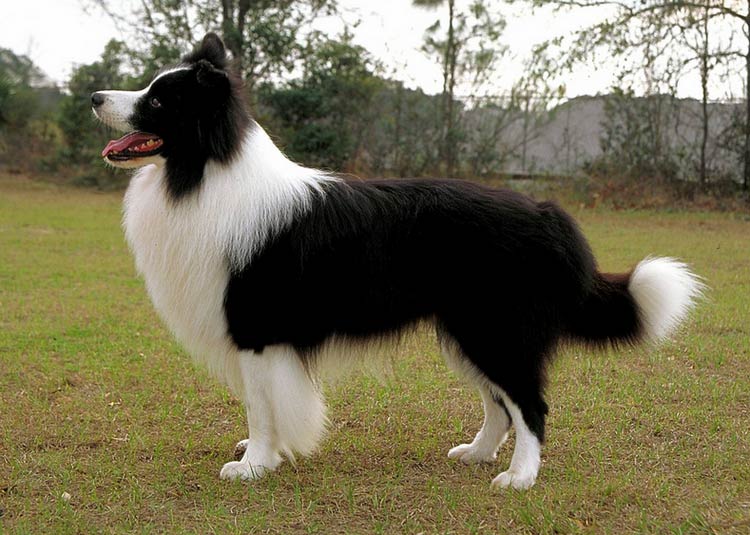
Border Collies are built like typical collies—proportionate and graceful, yet strong and robust. At first glance, it's clear they're agile, active, and versatile working dogs. They're medium-sized: height 45-55 cm; weight 13.5-22.5 kg.
Head and muzzle
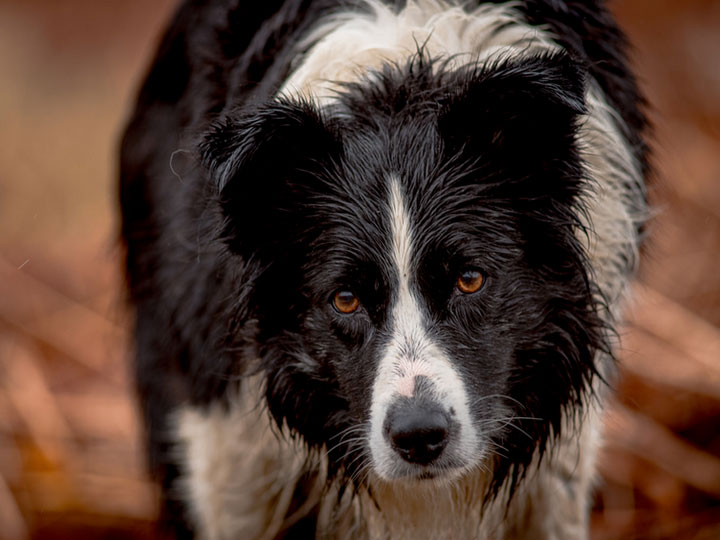
The head is elongated, with flat cheekbones. The length of the skull is approximately equal to the length of the muzzle. The stop is well defined. The nose is black or brown in dogs of the corresponding color. The eyes are oval and medium in size. The iris is usually brown, although blue may be present in merle-colored dogs. The ears are medium in size, set wide apart, erect or semi-erect, and mobile. The bite is correct.
Physique
The neck is long and strong. The body is somewhat elongated. The chest is broad and deep. The backline slopes smoothly toward the tail. The croup is slightly sloping. The saber-shaped tail is set low, reaching to the hock. When moving, it is raised, not exceeding the line of the back. The elongated limbs are strong, long, but not heavy, and are positioned correctly. The paws are close together and oval in shape.
Coat and colors
Border Collie coats come in two types:
- Moderately smooth;
- Moderately long;
In any case, the coat is dense, medium in thickness. The undercoat is thick and soft. Dogs with longer coats are adorned with a "mane," "breeches," and a more feathered tail, cheeks, and ears.
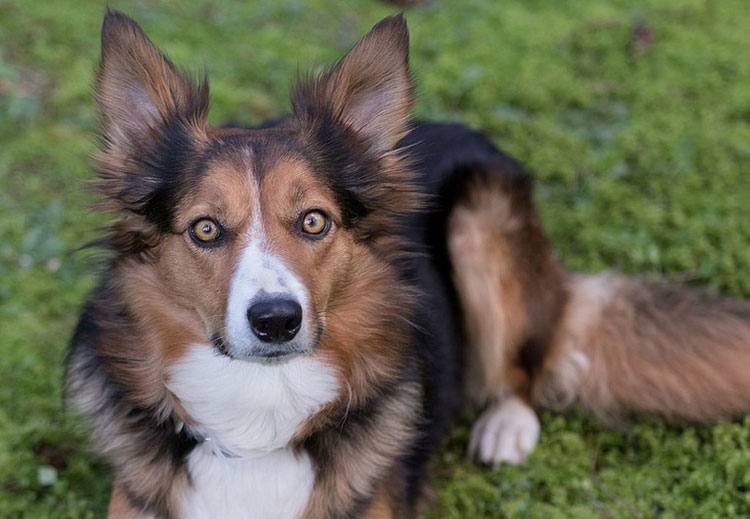
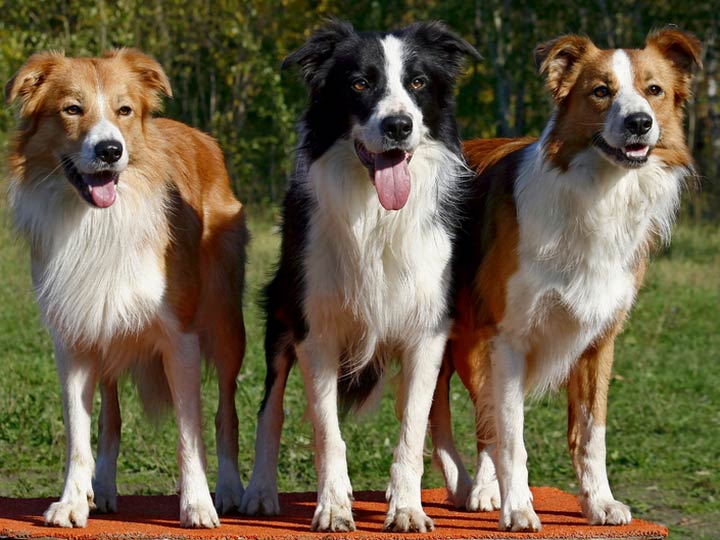
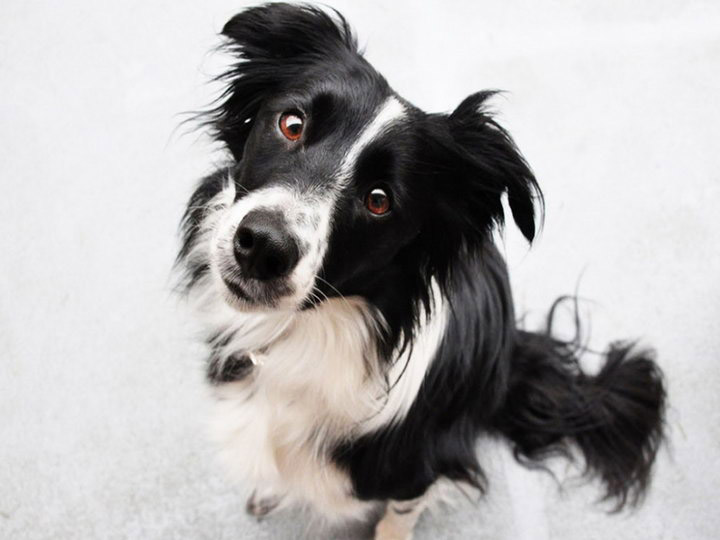
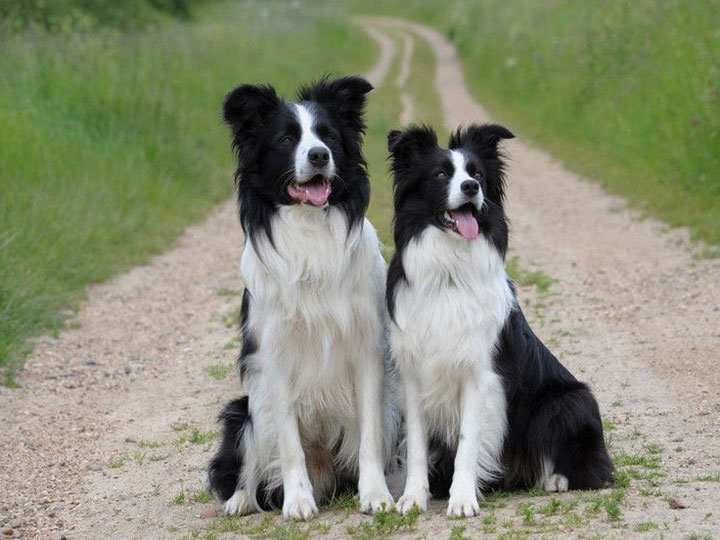
A variety of colors are acceptable. White should not predominate. The most common colors are black, including tan, brown, and merle. White is most often found as markings on the muzzle, neck, and paws. The white areas on the paws are often speckled.
Character and psychological portrait
Border Collies are even-tempered, intelligent, alert, and energetic dogs that respond immediately to any movement. They are good-natured and sensitive, and they thrive on attention and praise. But their most outstanding trait is their constant desire to work, no matter the circumstances.
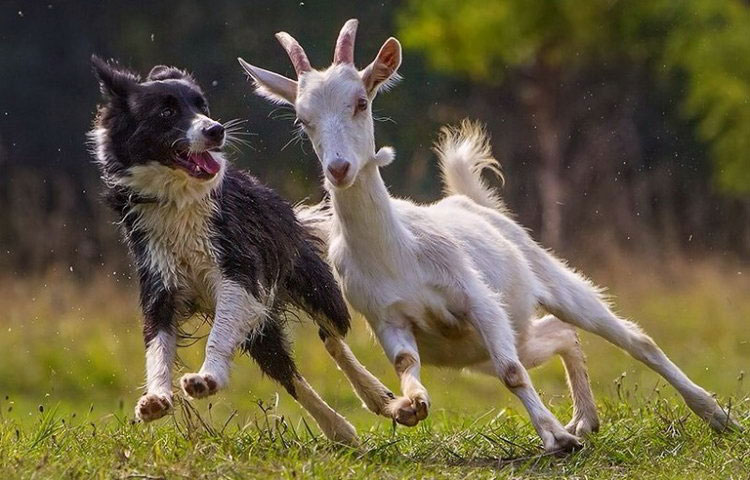
They are kind and affectionate with all family members. They can play for long periods with an adult child. Due to their strong herding instincts, interactions between dogs (especially as puppies) and young children require strict supervision. When herding sheep, these four-legged shepherds usually grab their legs; they may also try to stop a running person, child, or other animal in the same manner. They often try to "herd" cars or bicycles, which often ends tragically.
Border Collies are not great guard dogs. They may warn of strangers or other dangers with a loud bark, but are unlikely to rush to their defense. They also exhibit no territorial aggression. Border Collies mature very slowly. At 2-3 years old, they may still exhibit puppy-like behavior, and even in later years, they remain active and cheerful.
The breed's main enemy is boredom and monotony, which lead to nervousness, destructive behavior and other problems.
The best owners for Border Collies are active people who can spend a lot of time with their dogs, devoting attention to training and games, as well as those who can find a real job for their pet, whether it be herding sheep or some kind of sport.
Training and exercise
Border Collies are easy to train and pick up commands instantly, but this can also be a drawback. A limited list of commands quickly becomes boring, and their inquisitive minds require more interesting games and challenges than many other dogs. If a pet doesn't have a job, they'll find one on their own, which isn't always appreciated by their owner or others. Furthermore, early socialization is key to a healthy adulthood.
During training, Border Collies should not be allowed to grab people or other animals by the legs. This behavior is only acceptable with farm animals that need to be gathered together.
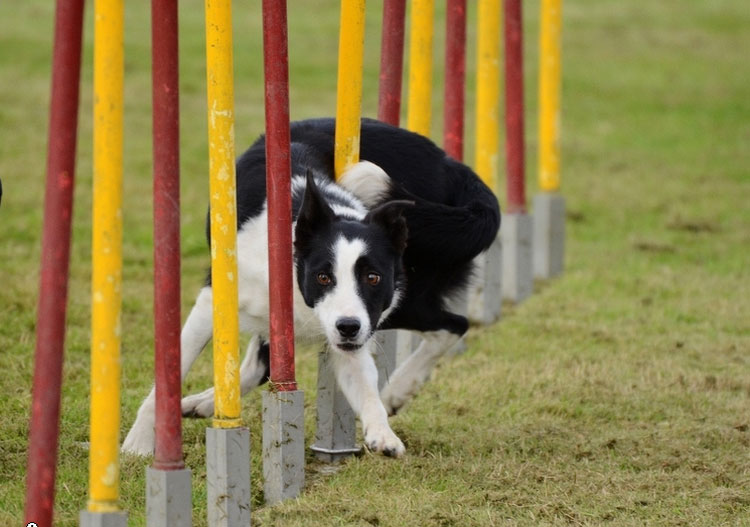
The level of exercise should be very good. Of course, this depends on the dog's personality, but on average, it's best to plan two walks a day, lasting 1-2 hours, regardless of weather conditions. Of these, at least 30 minutes should be devoted to active play or off-leash running. Approximately the same amount should be devoted to mind games, repetition of commands, and other mental training. Sports are excellent pastimes: frisbee, ball sprinting, cycling, jogging, and swimming.
Content Features
Border Collies are increasingly being kept in apartments, but this isn't the best option for a shepherd unless the owner can provide the necessary physical and mental stimulation. Within four walls, the pet quickly becomes bored and annoys neighbors with prolonged barking and howling. If the dog doesn't have a sense of space and doesn't have the opportunity to work hard for long periods, it becomes depressed and nervous, often causing chaos in the apartment, trying to release pent-up energy in a confined area.
If your dog is kept in a private home, it's worth considering that a 1.5-meter-high fence won't be an obstacle for a curious dog, nor will a fence that can be dug under.
Care
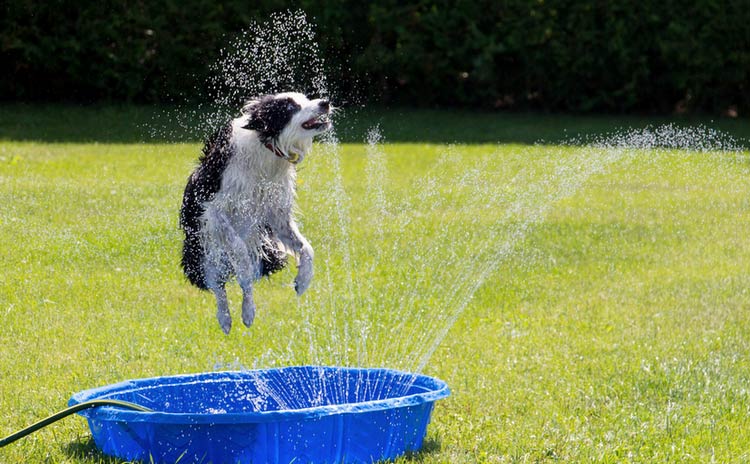
Grooming is simple. Focus on the coat. Brushing is recommended 3-4 times a month. If necessary, long hair on the paws can be trimmed. During seasonal shedding periods, brushing intensity is increased. Bathing is infrequent, usually up to 4 times a year. If the dog lives in an apartment and requires more frequent bathing, professional grooming products should be used that do not remove the protective layer from the skin and coat. Eye and ear hygiene are closely monitored. Nails are trimmed to a normal length if necessary.
Diet
Nutrition should be a top priority for owners. This breed is often picky, and their digestive system is sensitive to poor-quality foods. There are two options:
- Natural diet – separately prepared food for a dog, balanced in all necessary components;
- Prepared food (not lower than premium class).
Due to their high activity level, working dogs' diets may require more calories and nutrition than other breeds of their size. There are no other specific feeding considerations.
Health, disease and life expectancy
There's a common misconception that working breeds are immune to hereditary diseases. Unfortunately, this isn't true. Border Collies are susceptible to a number of hereditary ailments:
- Dysplasia TB of joints;
- Osteochondritis;
- Eye anomalies, in particular progressive retinal atrophy;
- Epilepsy;
- Neuronal ceroid lipofuscinosis is a rare genetic disorder that involves the accumulation of proteins and fats in cells of the brain, skin, and other tissues;
- Congenital deafness;
- Malignant hyperthermia is a disease in which exercise or stress causes a significant increase in temperature;
Responsible breeders undergo genetic testing on their stud dogs. The core tests for collies and shelties include degenerative myelopathy, eye abnormalities, drug sensitivity, and hip dysplasia.
In hot weather, dogs are susceptible to heatstroke due to their excessive activity and emotionality. Running for long periods on asphalt often leads to paw pad injuries. Overall, the breed is known for its endurance, robust health, and strong immunity. The average lifespan is 14-15 years. Up until 10-12 years, dogs are still quite active and practically indistinguishable in appearance from younger dogs.
Choosing a Border Collie Puppy and Price
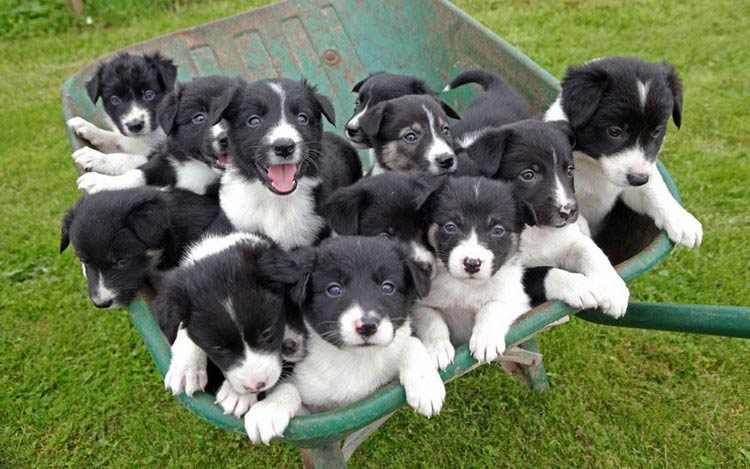
Border Collies are a fairly common breed, so purchasing one in Russia or the CIS is easy. When choosing a breeder, keep in mind that these dogs have a fairly simple appearance and a wide variety of colors, which provides scammers with an excellent opportunity to pass off mixed-breed puppies as purebred dogs without a pedigree. This is just one reason why you should choose a kennel first, not a dog.
The average price of a Border Collie puppy ranges from 30,000 to 50,000 rubles. Puppies without papers are significantly cheaper, typically under 15,000 rubles. Individual dogs, puppies from elite breeders, or rare breeds can cost $1,000 or more.
Photos
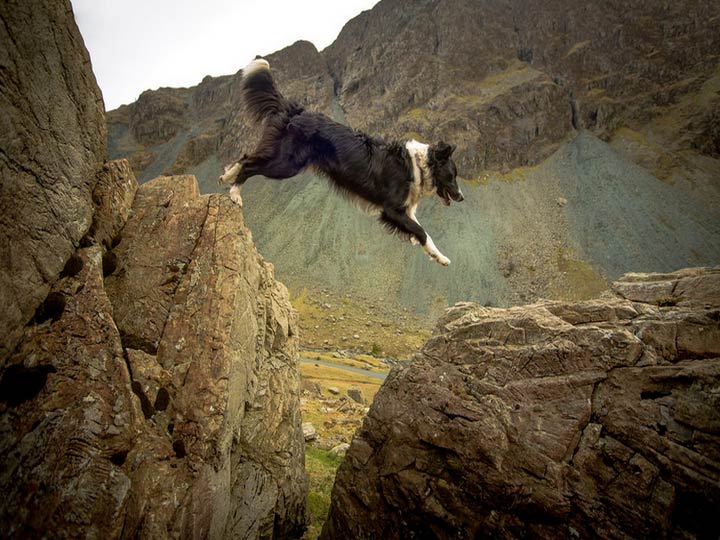
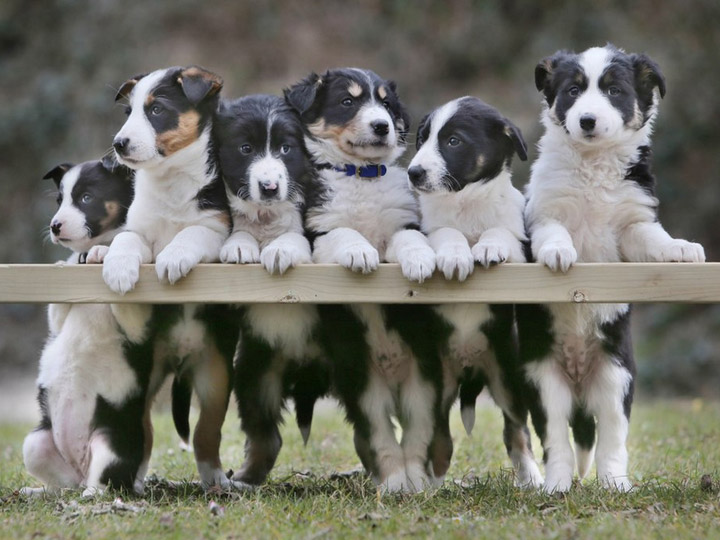
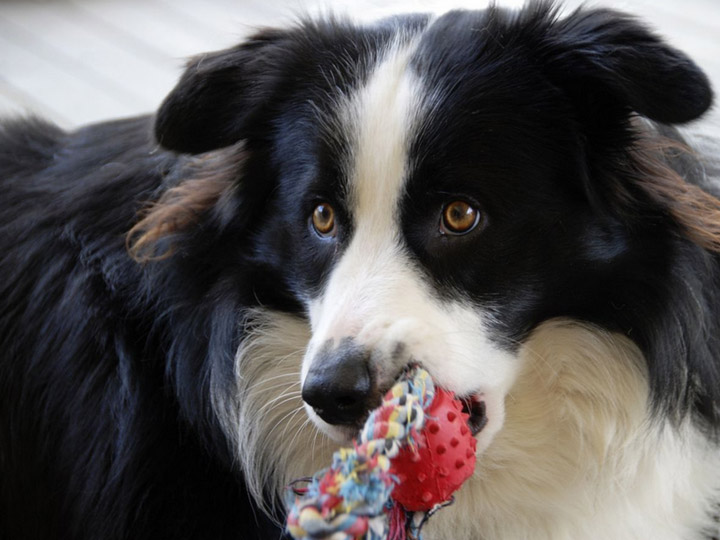
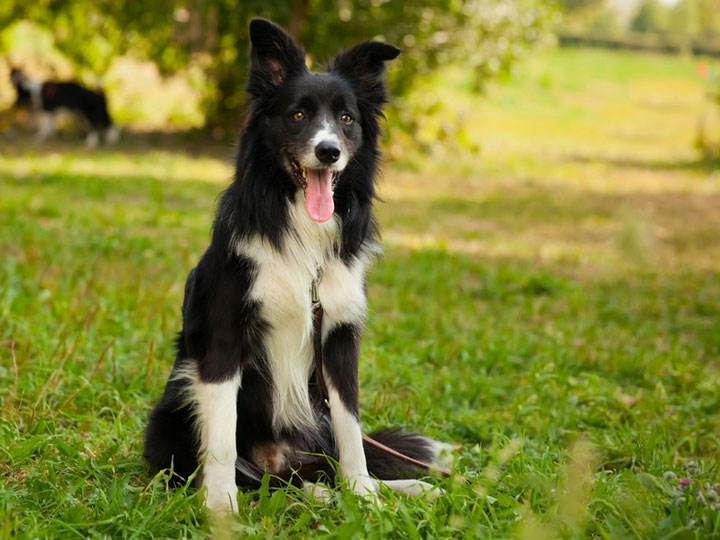
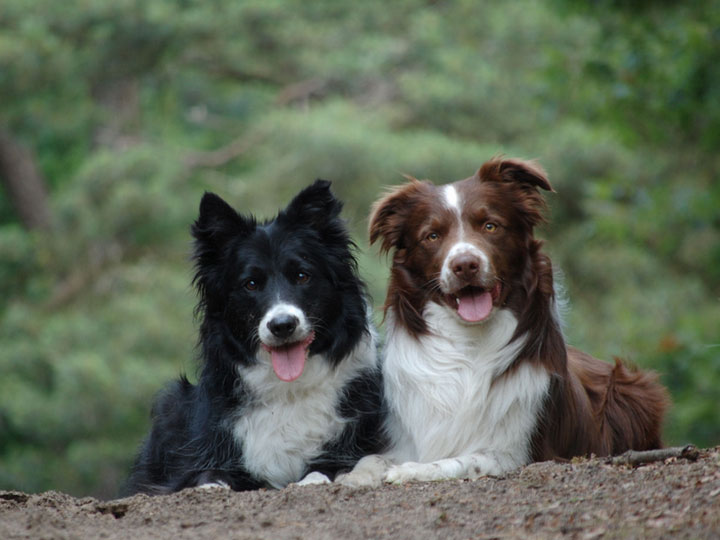
Photos of Border Collie puppies and dogs
Read also:


Add a comment