
Diseases in cats: causes and treatment
The appearance of sores, wounds, or crusts on a cat is merely a symptom that indicates underlying health issues. Only a veterinarian can determine the cause and prescribe effective treatment. The owner can assist the specialist in making a diagnosis by closely observing their pet's other symptoms and behavior. With timely detection and strict adherence to the veterinarian's recommendations, sores on the animal's body are successfully treated.
Content
Reasons for occurrence
The causes of a cat's body sores may be related to external or internal factors. Many diseases have similar symptoms, so at the first signs (sores, frequent scratching), the animal should be taken to a veterinarian for diagnosis and treatment.
Parasite infestation
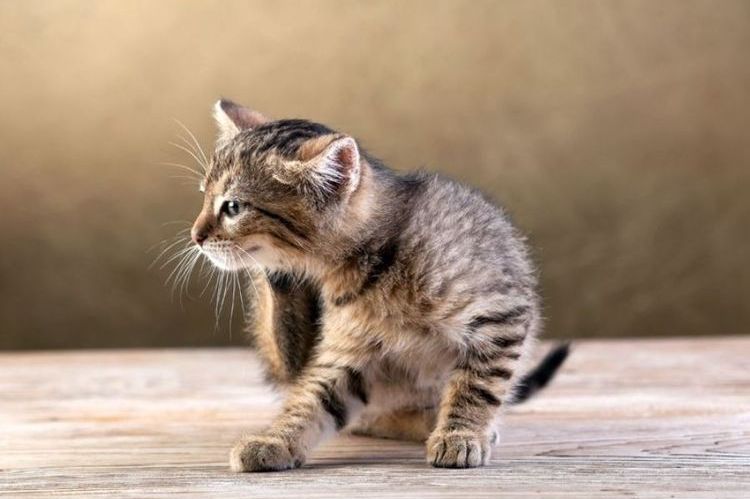
Flea bites release their saliva onto the cat's skin, causing itching and irritation. Bite marks are most often seen on the back and withers. This can cause the pet to scratch intensely, chew on the fur, and tear the skin, which can lead to sores and ulcers developing at the scratched areas, and, without antiparasitic treatment, additional infections. parasite infestations First, you need to get rid of fleas and eggs, and then treat the wounds. Once the source of the itching is eliminated, your pet will recover quickly.
Allergic reactions
Manifestations allergies These reactions can manifest not only as a rash and reddened skin, but also be accompanied by complex inflammatory processes, resulting in poorly healing, odorous sores if the cat constantly licks them. Such reactions can be caused by food allergens, parasites, medications, household chemicals, or environmental factors (household dust, pollen, mold).
Note! Monitor your pet especially closely when switching to a new food or recently taking medications or vitamin supplements. Eliminating exposure to the allergen is the key to successful treatment.
Acne
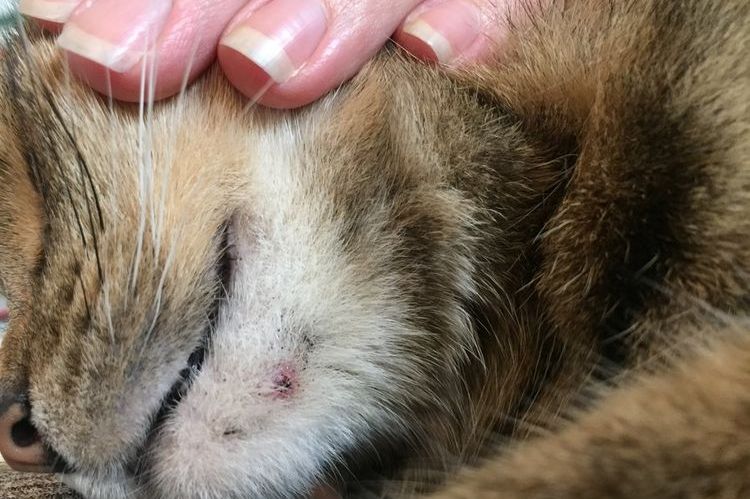
Acne, a condition caused by dysfunction of the sebaceous glands, can even occur in cats. Its development can be caused by inadequate grooming, stress, or infections. Externally, the condition manifests as white or black spots, usually on the chin, accompanied by partial hair loss. However, acne can develop into purulent sores with expanding inflammation and subsequent bacterial infection.
Fungal infections
Fungal diseases are considered among the most complex illnesses, as they are difficult to diagnose and often require long-term treatment with "heavy" medications. They are accompanied not only by a characteristic odor (like yeast, old cheese, or mold) but also by pain for the pet (when palpated). Initially, the animal's skin develops flaking and crusting, which the cat vigorously scratches until it becomes sore. Common fungal infections include various types of lichen (lichen planus, pityriasis versicolor, and pityriasis versicolor). shearing), pyoderma, trichophytosis, notoedrosisThe specific type of fungus can only be determined through microscopic examination of the affected areas.
Important! Ringworm and trichophytosis are easily transmitted to humans, especially to young children with weakened immune systems. A cat can still transmit ringworm for up to 1.5 years after successful treatment.
Eczema
A skin condition that can arise from improper grooming, poor hygiene, stress, or internal organ pathologies. Eczema is characterized by redness of the skin and a rash of blisters that eventually burst and form crusts. Constant scratching of the affected areas leads to the formation of wounds and a bacterial infection, which is accompanied by an unpleasant odor from the sores and pustules.
Subcutaneous mites
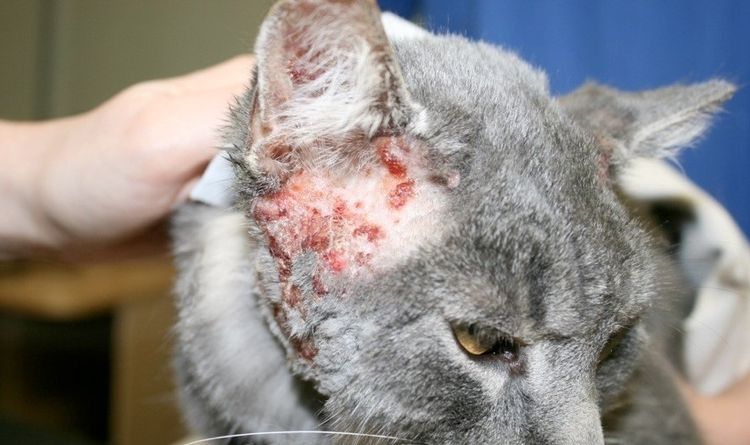
If your cat has sores on its neck but no fleas, it could be a reaction to mites. They burrow under the skin, causing itching and irritation of nerve receptors. Demodex mites are the most common mite infestation.demodicosis), especially in animals with weakened immune systems. Skin lesions are often observed on the pet's face, around the ears and lips. Apathetic behavior, decreased appetite, and indifference to play are also observed.
Treatment regimens
Only a veterinarian can accurately determine the cause of skin lesions after examining the animal. To facilitate diagnosis, the owner should observe the pet and record all accompanying symptoms. In addition to interviewing the owner, the veterinarian will conduct the following tests:
- blood test;
- biopsy;
- examination under UV lamp;
- smears and scrapings of affected areas.
Treatment will depend on the pathogen and the location of the lesions. One of the steps will be to relieve itching. However, it's important to keep in mind that itching is only one symptom, so it's important to identify the source of the inflammation and eliminate it. Otherwise, discontinuing medication may only intensify the itching, and sores that were limited to the head and neck may spread throughout the body. The choice of treatment will depend on the identified problem:
- For fungal infections: long-term antifungal medications (from several weeks to several months) are used, but even this does not guarantee the absence of relapses. Antibiotics and immunomodulators are also used.
- In case of parasitic infestation: first of all, antiparasitic treatment is carried out, and then measures are taken to treat wounds and scratches caused by flea bites.
- For eczema: antihistamines and sedatives, which can be supplemented with a vitamin complex.
- For allergies: antihistamines, and if a secondary bacterial infection occurs, antibiotics are used.
- When subcutaneous ticks: acaricides (selamectin, ivermectins, amitrazine) for at least 4 weeks, antimicrobial ointments, in some cases, glucocorticosteroids are added at the first stages to reduce itching.
In addition, in most cases the following are prescribed:
- Vitamin complexes and immunomodulatory drugs to strengthen the immune system.
- Topical medications (antiseptics, ointments, shampoos, etc.) to speed up the healing of wounds and prevent them from increasing in size or spreading throughout the cat's body.
If the prescribed treatment helps alleviate your pet's condition, then the regimen is correct. All that remains is to complete the full course of therapy. However, in some cases, the cat's condition worsens, and blood sores appear. This may be due to an allergy to the medications, so it's necessary to promptly replace them with new ones, constantly monitoring the reaction.
Read also:
- Chin Acne in Cats: Causes and Treatment
- Scabs on the neck and head of cats
- Sarcoptic mange in cats: symptoms and treatment


Add a comment