
Bulgarian Shepherd Dog (Karakachan Dog)
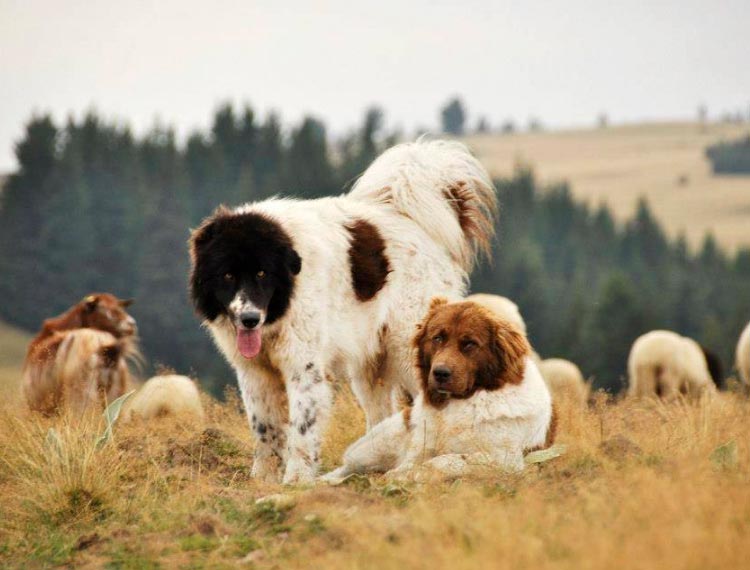
The Bulgarian Shepherd Dog (Kuche) is a large guard dog and companion dog bred in Bulgaria from the Karakachan Shepherd Dog, an ancient aboriginal breed preserved in its pure form by the Karakachan people. The Bulgarian Shepherd Dog is a hardy, healthy, and strong Molossian-type dog with a balanced temperament and an active defensive reaction. It is sometimes called the Karakachan Shepherd Dog, but this is not entirely accurate and causes confusion. Read on for more information about Bulgarian Shepherd Dogs and how they differ from the native Karakachan Kuche.
Content
History of origin
The Bulgarian Shepherd Dog is a relatively young breed. In the second half of the 20th century, under the guidance of FCI judge Stefan Popov, breeding efforts to revive the national breed began. Large herding dogs from various regions of the country were selected for this purpose, infusing them with Central Asian, Caucasian, Moscow Shepherds, St. Bernards, Newfoundlands, and other breeds. Currently, the Bulgarian Shepherd Dog is not recognized by the International Cynological Association, but only by national clubs and alternative associations: Alliance Canine Worldwide, International Kennel Union, and United Kennel Clubs International.
The name of the breed, Bulgarian Shepherd Dog (Bulgarian: Balgarsko ovcharsko kuche), literally means Bulgarian Shepherd Dog.
From the history of Karakachan dogs
The Karakachan Shepherd Dog, which became the genetic basis for the Bulgarian Kuche Shepherd Dog, has a much longer history. According to some sources, the development of shepherd dogs on the Balkan Peninsula began in the 3rd millennium BC. Thracian dogs are considered its ancestors. The breed was subsequently significantly influenced by the Proto-Bulgarians, who brought shepherd dogs with them during their migration from the Pamirs and Hindu Kush.
The breed is named after the Karakachans, a people who, until the mid-20th century, were primarily engaged in transhumance. During the summer months, the Karakachans lived in the Bulgarian Rhodope Mountains and returned to Greece for the winter. Only thanks to their conservative views and traditions has one of the oldest herding dogs in Europe been preserved.
The first researcher of Bulgarian shepherd dogs was Todor Gaytandzhiev, who proposed standardizing Karakachan dogs in the 1970s. A little later, the idea of creating a national breed arose among dog enthusiasts. The official breed standard for the Karakachan Kuche (Bulgarian: Каракачанско куче) was written in 1991 and approved in 2005.
What's the difference between the Bulgarian Shepherd Dog Kuche and the Karakachan Kuche?
Bulgarian Shepherd breeders and enthusiasts are divided into two camps. Some believe the breed should be not only a flock guardian, but also a companion and show dog. Extensive work has been done to achieve this. The best Bulgarian shepherd dogs were selected, and, according to experts, the blood of other breeds was infused with them to improve their appearance, increase their size, and reduce aggression. In 1983, Stefan Popov founded the National Club of the Kuche Bulgarian Shepherd Dog.
In 2010, Bulgarian Prime Minister Boyko Borisov presented Vladimir Putin with a Bulgarian Shepherd puppy from his personal kennel. The dog was named Buffy.
Some breeders were not happy with this. They believed that instead of creating a "new" breed by mixing it with other bloodlines, they should preserve the old one—the Karakachan shepherd dogs, which are a pure, indigenous breed. Furthermore, the modernized Bulgarian Shepherds were losing their herding and guarding instincts and other essential wolfhound qualities, which shepherds had cultivated for hundreds of years. Under the leadership of Venelin Dinchev, the International Karakachan Kuche Association was created, uniting breeders, ensuring the preservation of the purity of the indigenous dogs, and preventing any crossbreeding, including "newly created" Bulgarian Shepherds, from being bred.
Appearance
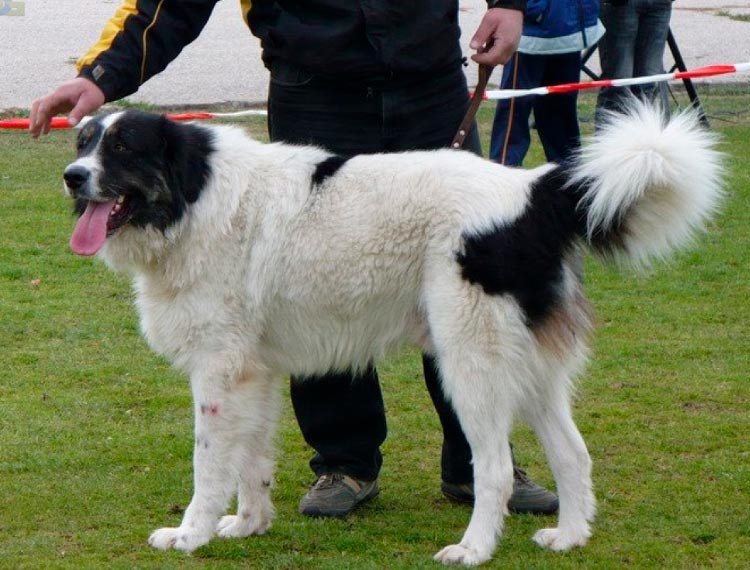
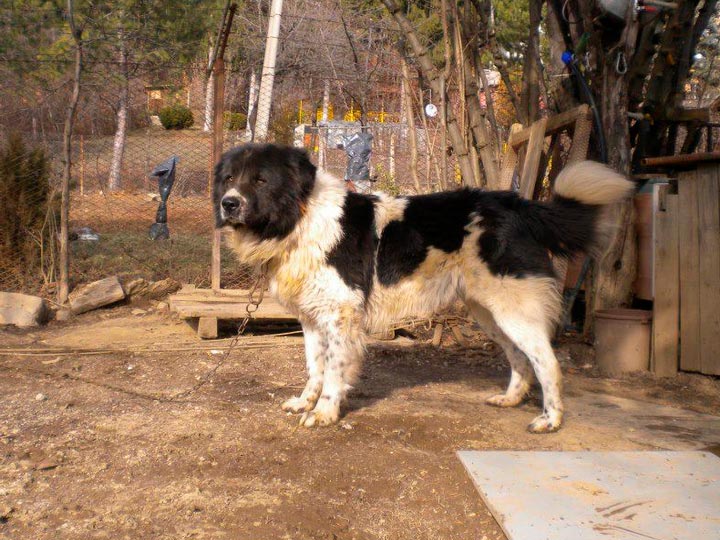
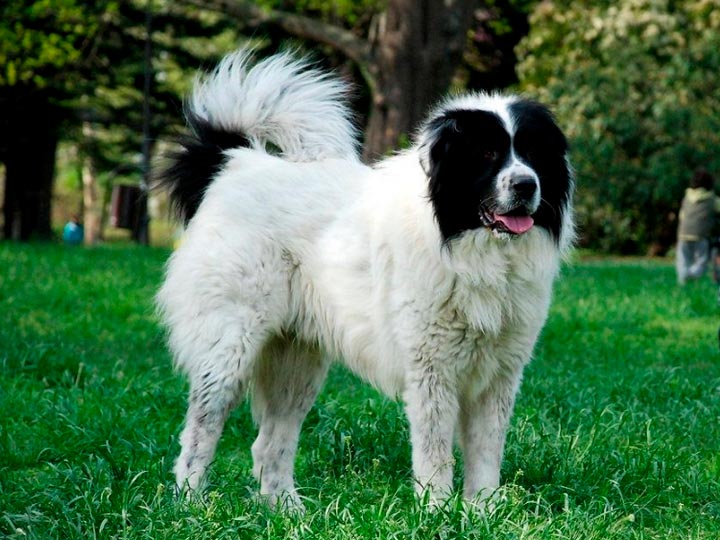
The standard describes the Bogar Shepherd Dog as a large, Molossian-type dog, very robust, with a harmonious and proportionate body, powerful muscles, and substantial, but not coarse, bone structure. Sexual dimorphism is very pronounced.
- Height at the withers of males is 63-75 cm; weight is 40-55 kg.;
- Height at the withers of bitches is 55-69 cm; weight is 30-45 kg.
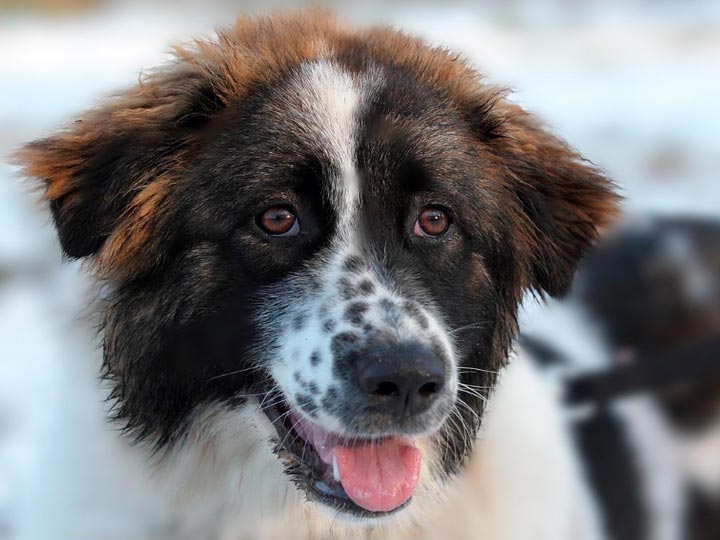
The skull is strong, broad, and slightly rounded. The axes of the muzzle and cranial region are parallel. The stop is not accentuated. The muzzle is broad at the base, massive, gradually tapering toward the nose, but not pointed. The lips are tight-fitting, thick, and well-pigmented, with the upper lips covering the lower lips. The dentition is complete, with a pincer or scissor bite. The eyes are small, set obliquely, and deep-set; their color is brown or dark brown depending on the coat color. The ears are fairly small, set low, V-shaped, and hang close to the head. The neck is strong, short, and set at an angle of 30 degrees to the topline.
The body is strong and proportionate. The topline is straight and level. The withers are well defined. The back is broad and level. The loin is wide and of medium length, rising higher than the back. The croup is wide, slightly sloping, medium in length, and rounded. The chest is deep and wide, reaching to the elbows. The belly is slightly tucked up. The tail is not set very high, reaching to the hocks. Congenital bobtail is allowed. The limbs are straight, parallel, very massive with moderate angulation. The paws have well-knit toes, often with single or double dewclaws.
The skin is dense, thick, and elastic. The nose, eyelids, and mucous membranes are black; in red-and-white dogs, they are brown. Based on coat type, Bulgarian Shepherds are divided into two types:
- Longhaired - the length of the coat on the body is more than 12 cm;
- Shorthaired - coat length less than 12 cm.
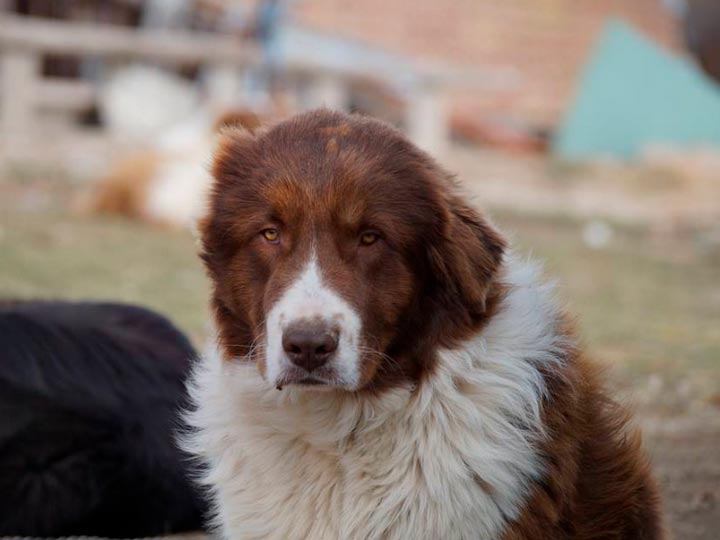
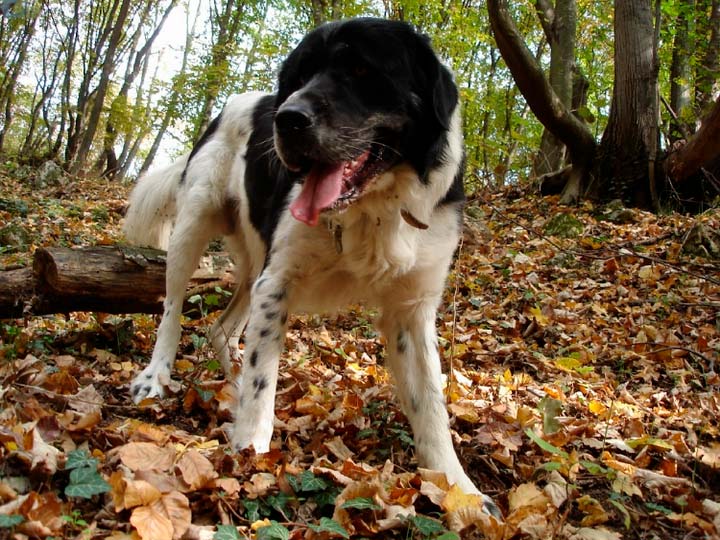
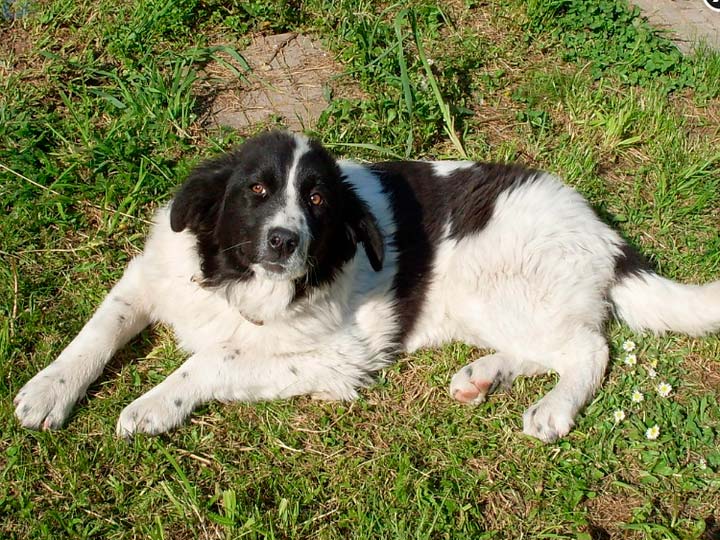
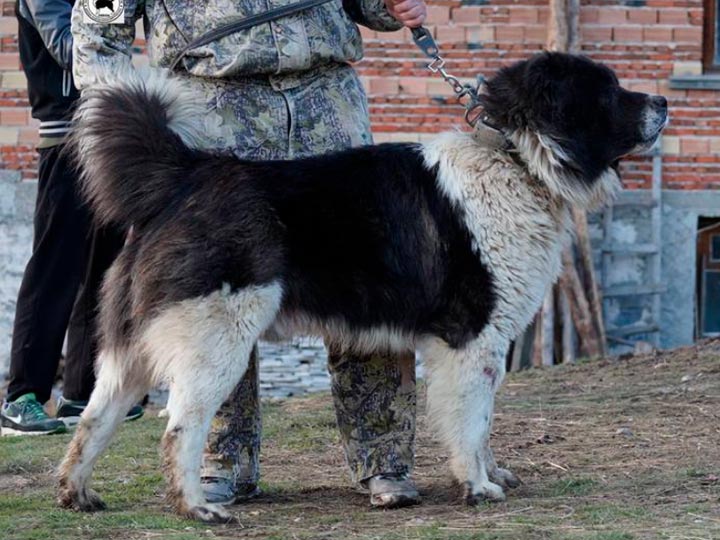
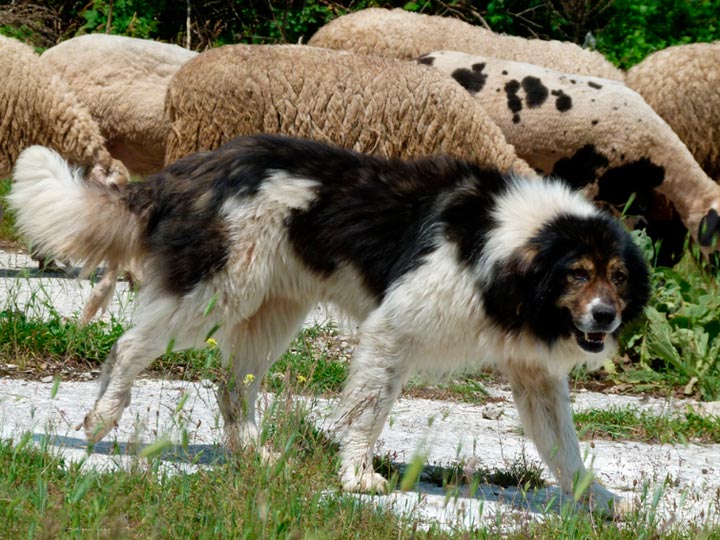
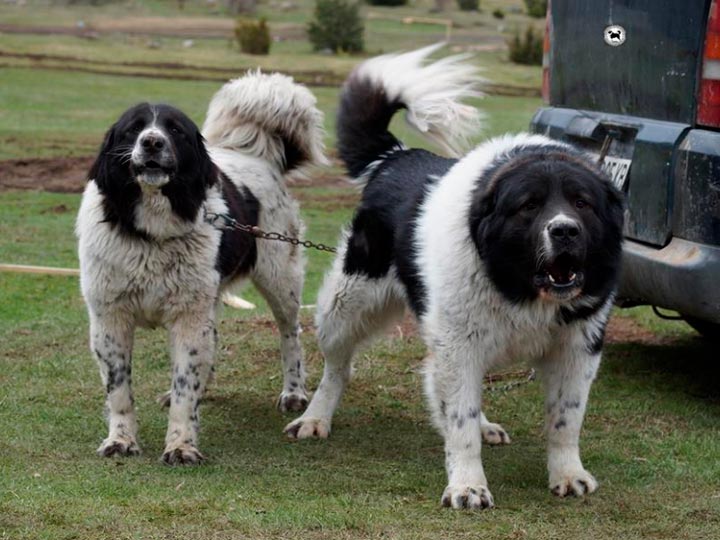
The body coat is long, coarse, straight, and harsh. It is short on the head and front of the legs. The undercoat is heavy and well-developed. The coat is bicolor: white with black or brown spots.
Character and behavior
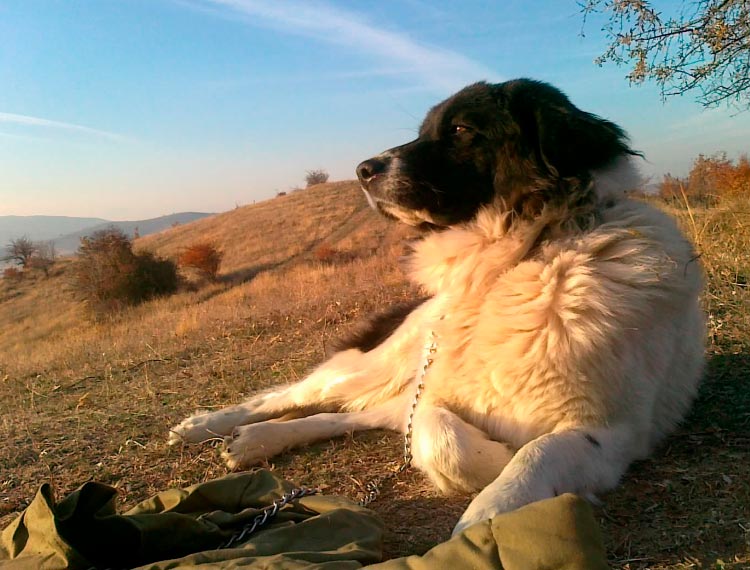
The Bulgarian Shepherd is a proud, dominant dog, bold and decisive, with a strong, balanced character. It must be self-confident, without a hint of timidity or hesitation. It is very alert and wary of strangers, and some dogs are markedly aggressive toward strangers on its territory. It is tolerant of those who come with its owner. This dog is intelligent, independent, and quite independent when it comes to one owner. It is incredibly devoted to its chosen owner and forgiving toward other family members. Bulgarian Shepherds have a special relationship with children. Children are taboo for a Bulgarian Shepherd. Historically, shepherds' children grew up with stern dogs, and even the best of them, if they growled at a child, were destroyed. The Bulgarian Shepherd has a distinctly dominant defensive instinct and a strong nervous system. She can be described as a calm, wary companion dog with strangers, and an unwavering devotion to her family.
Stefan Popov once said that the striking appearance, courage, agility, speed, and endurance in difficult conditions of hunger and sleeplessness are the calling card of the, at first glance, calm and bulky Bulgarian Shepherd.
Purpose
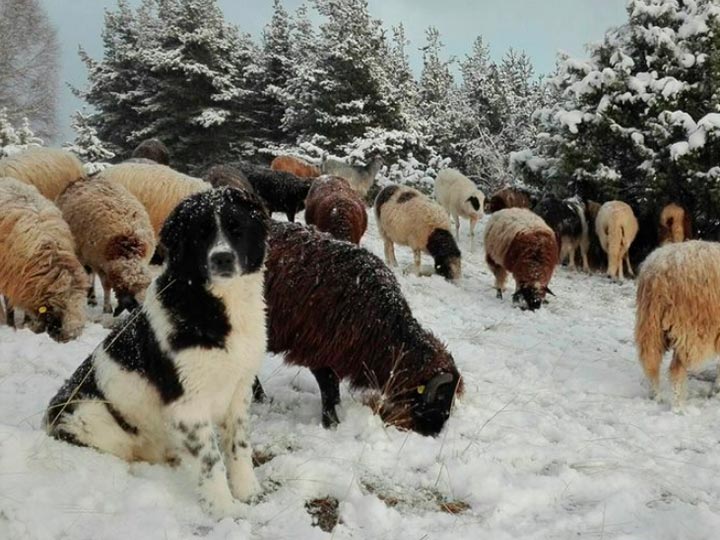
Bulgarian Shepherds are natural guard dogs; they can monitor the boundaries of their territory without special training and, if necessary, engage in active defensive actions. They will not hesitate to engage predators such as wolves and bears and will not allow intruders to approach their property. Their ancestors were also used as border guard dogs in the military.
The Bulgarian Shepherd is strictly territorial, aggressively guarding herds while grazing, but reacts calmly to strangers when the cattle are being driven through the village. Some dogs are not particularly aggressive toward people, but are clearly aggressive toward wild animals. A strong attachment to their family and devotion to their owner makes them wonderful companions, but they are also very serious and calm; they won't chase a ball or enthusiastically practice commands.
Content Features
The Bulgarian Shepherd is suitable for year-round outdoor living and is not suited to apartment life. It requires ample exercise, exercise, and space. A working dog can live in a spacious enclosure or on a leash in a yard, but a free-range environment is ideal. The dog should be able to roam freely within its territory. Psychologically, these large dogs thrive in a pack. They all display strong affection and devotion to their owner, but this cannot replace hierarchical relationships and living with other dogs.
It's important to remember that the Bulgarian Shepherd is a serious dog that requires good training and an owner with experience keeping guard dogs. Socialization and opportunities to interact with other dogs should be a key part of the puppy's life.
Karakachans are completely low-maintenance when it comes to grooming. To maintain a neat appearance and prevent matting, weekly brushing and occasional bathing are sufficient. Bulgarian shepherds often never bathe their dogs, only occasionally brushing them. They shed very heavily, especially in the spring, when the old guard hair and undercoat come off in clumps.
Health and life expectancy
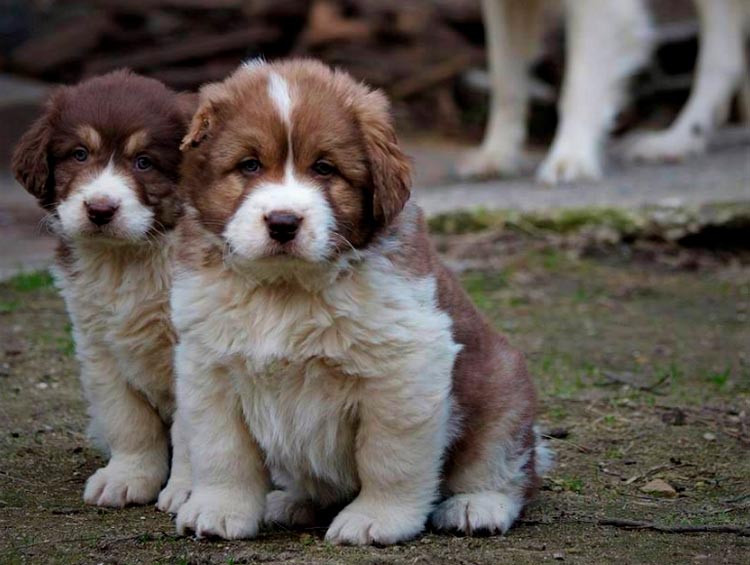
Bulgarian Shepherds (Kuche), like their ancestors, are strong, hardy dogs that can withstand heavy physical exertion and a meager diet for long periods of time and are unpretentious to weather conditions. No breed-specific diseases have been identified. Life expectancy 11-14 years oldA dog who "retired" at the age of 16, having previously worked and accompanied the herd daily, became a celebrity in the Western Rhodopes. The weak points of Bulgarian shepherds are their joints, ears, and heart.
Where to buy a Bulgarian Shepherd puppy
Potential owners first need to decide which Bulgarian Shepherd they're interested in: the Karakachan shepherd's assistant, a devoted and fearless guardian of flocks and property, or the Bulgarian Chaban, an equally devoted guardian of family and property, but less aggressive and more affectionate. Both varieties of Bulgarian Shepherd are quite popular in their homeland. More than 20 kennels in the Balkans breed each breed. Ticho Elit, owned by Stefan Popov, holds a special place among them. Outside of Bulgaria, there are a few kennels in Poland, Russia, Moldova, Ukraine, many European countries, and even the United States.
There are many dogs sold online under the name "Bulgarian Shepherd," but not all of them have pedigrees or even outstanding working qualities, so it's best to buy a puppy from an experienced breeder.
Price
In Bulgaria, a Kuche Shepherd puppy costs between $100 and $1,500, depending on the value of the breeding stock, the breeder's expertise, the kennel's name, and other factors.
Photos and videos
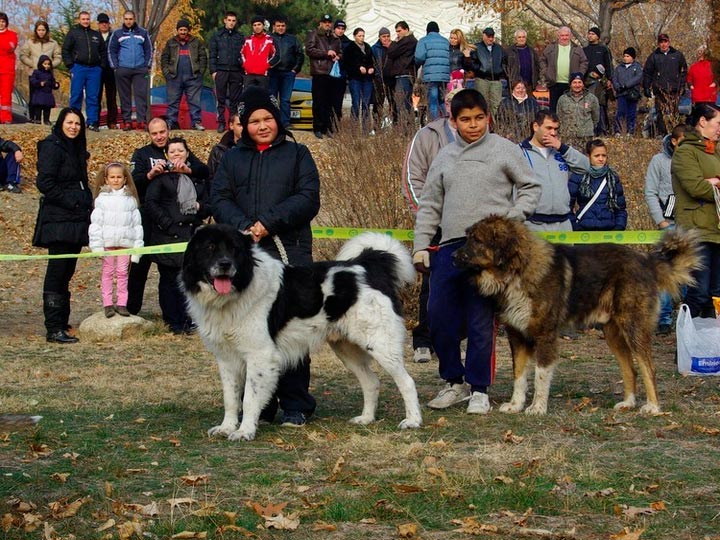
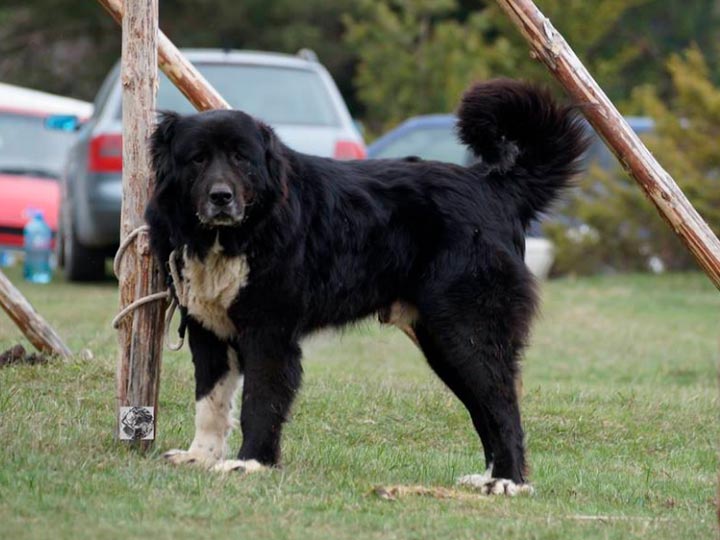
The gallery contains photos of the Bulgarian Shepherd Dog Kuche and Karakachan dogs.
Video about the Bulgarian Shepherd dog breed
Read also:




Add a comment