
Ear Diseases in Cats: Symptoms and Treatment
Ear diseases in cats can have varying symptoms and, accordingly, treatment options. They are generally divided into contagious and non-contagious. The former group includes diseases resulting from trauma and mechanical damage, while the latter group includes those caused by various bacteria, fungi, and other infections.
Content
Hematoma
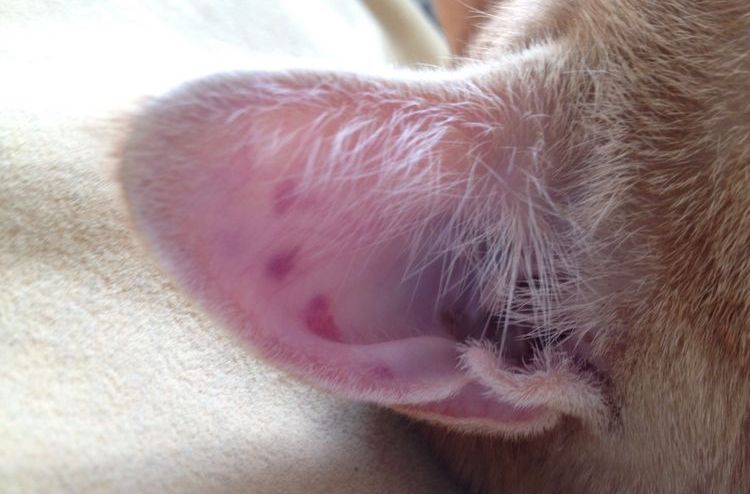
A hematoma, or more simply, a painful bruise, is the result of mechanical impact on the auricle. It can be caused by insect bites, blows, scratching, and other "careless" accidental or intentional actions on the animal.
In most cases, a hematoma forms on the inner surface of the ear. The damaged area swells, increases in size, and becomes hot to the touch. Visually, the ear may appear slightly "drooping." Without prompt treatment, pain intensifies, and infection of the ear cavity with pathogenic microflora can lead to necrosis of the auricular cartilage.
Cat behavior that should raise concern:
- Scratching his ear with his paws until deep scratches appear;
- Shakes head from side to side;
- Resist affection, reacting aggressively to hand touches;
- Shows anxiety.
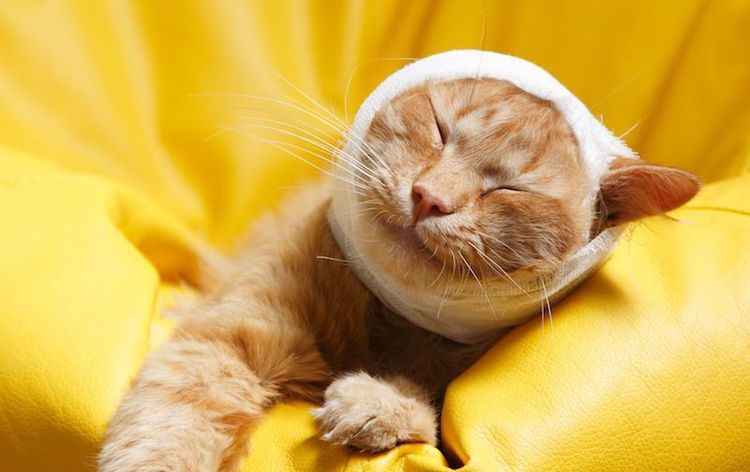
If the hematoma has been present for less than two days, it should be easy to treat. Apply cold to the affected area, securing the animal's ears to the back of the head with a gauze bandage. Further treatment consists of warming and anti-inflammatory ointments.
In advanced cases, when home treatments fail, it's best to consult a veterinarian. At the clinic, the hematoma will be incised, blood clots removed, the area treated with antiseptics, and recommendations for further ear care will be provided.
Lymphextravasate
The causes of this phenomenon are similar to those described above—severe blows, injuries, cat "fights" during the March feeding season, etc. Lymph flowing through the lymphatic vessels penetrates into nearby tissues, resulting in the formation of a blister. Sometimes, in addition to lymph, blood also accumulates in the "pocket," turning the contents brown.
The main difference between lymphoextravasate and inflammatory pathologies is the absence of fever. The swelling will feel cool or slightly warm to the touch. It will be difficult to treat the cat at home; surgical intervention will be necessary.
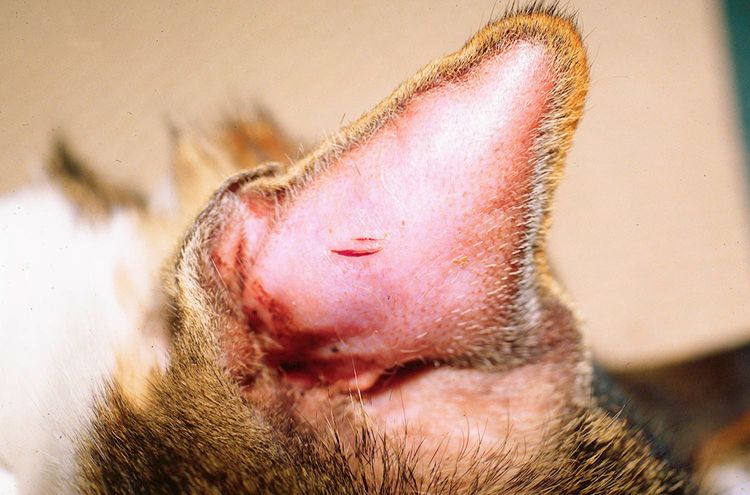
First, the animal is given sedatives to relax it as much as possible and relieve nervous tension. Next, the bladder is punctured with a special needle and the accumulated fluid is removed. The skin is treated with an alcohol solution (usually iodine) and a sterile bandage is applied.
If the affected area is large, the surgery is performed under general anesthesia. Any loose tissue is excised and sutured. If the doctor suspects possible suppuration, an antiseptic drain is placed in the wound cavity.
Necrosis of the auricle
Tissue death is the worst-case scenario if left untreated or misdiagnosed. Ulcers form at the sites of inflammation, through which the ear cartilage itself becomes visible. Circulatory impairment leads to the necrosis of the cartilaginous tissue, which turns black and emits a putrid odor. As the decay progresses, the ear becomes deformed, visible to the naked eye.
In addition to lost time in treating injuries and hematomas, the following factors can cause the development of necrosis:
- Infection of the auricle due to the penetration of pathogenic microflora there for abscesses and lymphoextravasates;
- "transition" of purulent processes from nearby tissues;
- Prolonged compression of the ear in an unnatural position.
There is no non-surgical treatment for necrosis. Only complete or partial amputation of the auricle is possible.
Foreign body
Foreign bodies getting into the ears of pets are a common occurrence. These can include insects or plant parts (stems, thorns, buds) brought in from outside, as well as accidentally dropped sand or pebbles. Earwax often builds up in the ears, causing not only physical discomfort but also hearing loss.
The presence of a foreign object in the ear cavity may not show any symptoms, and the cat will behave calmly. However, most often, the debris will trigger an inflammatory process, so it's important to periodically inspect your pet's ears and remove any foreign bodies found.
To treat the ear canal, use 3% hydrogen peroxide or a baking soda solution. Camphor oil, applied internally at a rate of 2-3 drops at a time, helps relieve pain.
Neoplasms
This category includes such forms of formations as papillomas, fibromas, and sarcomas, which tend to grow at varying rates and subsequently lead to partial or complete deafness.
A cat may “signal” the presence of a problem with the following behavior:
- Nervousness, anxiety;
- Loss of coordination of movements;
- Shaking the head and tilting it to the side with a bias towards the sore ear;
- Combing the problem area.
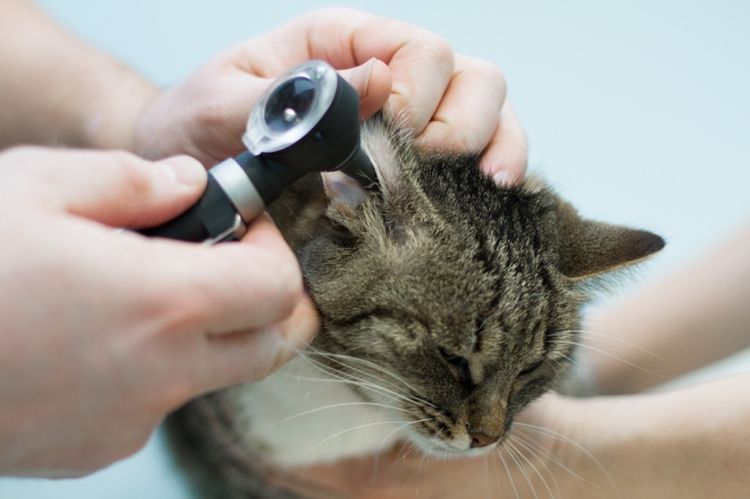
Treatment of neoplasms of any type is exclusively surgical.
Otitis
Like a human ear, a cat's ear has an outer, middle, and inner ear. The most common form of otitis is when only the visible (outer) part of the ear becomes inflamed. With otitis media, there's a high risk of the condition becoming chronic, but the prognosis for a full recovery is generally positive. In the case of inflammation of the inner ear, the animal risks not only complete hearing loss but also a range of serious complications, including meningitis.
Possible causes of otitis:
- Parasites. The most common are fleas, ear lice, and Ixodid ticksBy gnawing through the skin, they not only mechanically deform the dermis but also create an excellent environment for the proliferation of various pathogenic bacteria.
- Allergies. When exposed to external irritants, cats begin to actively scratch their ears, resulting in scratches and abrasions. Harmful microorganisms accumulate in the irritated areas, leading to the development of bacterial otitis.
- Fungi. Fungal otitis can occur either as an independent condition in cats with weakened immunity or as a complication, such as with ringworm.
- Hypothermia. An animal can develop otitis from getting wet in the rain, sitting in a draft, or from an unsuccessful swim with water getting into the ears.
- Trauma. Typically found in cats that are overly active outdoors—climbing trees, fighting with other cats, running on roofs, etc. The disease typically manifests as localized inflammation, eventually progressing to the middle and inner ear.
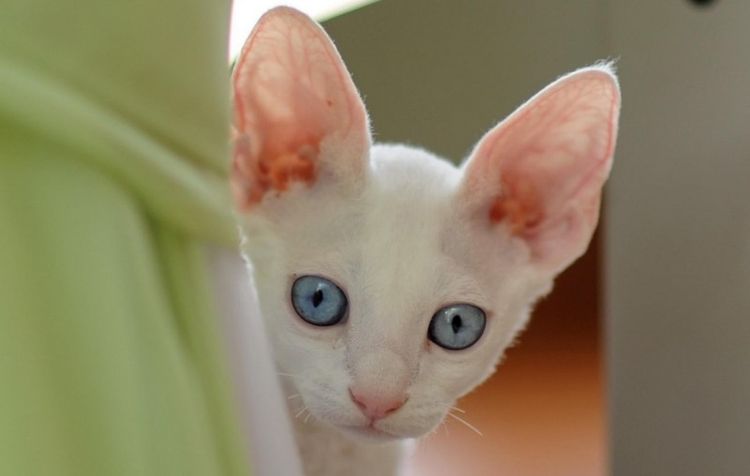
It's easy to spot the signs of otitis in cats. The animal becomes restless, pawing at the affected ear, pressing it to its head, and refusing to be touched. When the pain turns from aching to shooting, the cat suddenly screams, meows pitifully, shakes its head in fear, and rubs the affected area against its bedding.
Treatment should be prescribed only by a doctor, depending on the type of otitis and its severity. Subsequent treatments can be performed either at a veterinary clinic or at home.
Otodectosis
The disease is caused by ear mites, which feed on wax. The largest concentrations of parasites are found in the outer part of the auricle, as well as in the ear canal and tympanic membrane. otodectosis It could be either the animals themselves or humans, bringing tick larvae on their clothes or shoes from the street.
Ear mites can be identified by their waste products—dark, grainy "crumbs" covering the auricle. Left untreated, ear mites can lead to complications such as tympanic septum rupture, external tissue necrosis, or even meningitis.
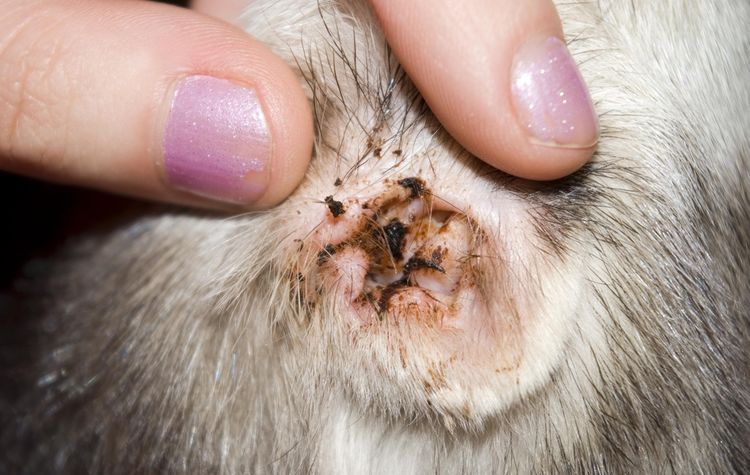
In addition to the presence of brown plaque in the ears and an unpleasant odor, the cat may attract the owner's attention by changing its behavior:
- He jerks his head, trying to shake off the parasites;
- Scratching his ears with his paws, trying to get the ticks out from the inside;
- Rubs his head against door frames, sofa backs and other hard pieces of furniture;
- Resists petting and other displays of affection.
Treatment for otodectosis involves treating the affected ears with insecticide-based products. These ointments, sprays, and drops are prescribed by a veterinarian and used according to the package insert or individual doctor's recommendations.
Read also:
- Otitis in cats
- Why does a cat scratch its ears and shake its head?
- Why do cats have hot or cold ears?


Add a comment