
Addison's disease in dogs
Hypoadrenocorticism (Addison's disease) is an endocrine disorder that develops due to a deficiency of corticosteroid hormones. Addison's disease occurs in both humans and animals. Adult dogs are primarily at risk; puppies under 3 months of age are rarely affected, even if they are genetically predisposed. Addison's disease is sexually predisposed in young females.
Content
Reasons for development
In most cases of hypoadrenocorticism in dogs, the production of both glucocorticoids and mineralocorticoids is reduced; less commonly, a deficiency of glucocorticoids alone is observed. Glucocorticoids are responsible for converting nutrients into energy, while mineralocorticoids maintain an optimal sodium-potassium balance in the blood, thereby ensuring normal blood pressure.
There are several factors that can lead to the development of Addison's disease in dogs. The main causes include genetic autoimmune disorders, as well as dysfunction of the pituitary and adrenal glands.
In autoimmune diseases, the body mistakenly begins producing antibodies against its own tissues. In the case of hypoadrenocorticism, the endocrine glands responsible for the production of adrenocorticotropic hormones gradually deteriorate.
A decrease in the production of these hormones can also be caused by:
- infectious lesions of the adrenal glands,
- congenital defects of the pituitary gland,
- brain injuries,
- the presence of a pituitary tumor or a neoplasm in the kidney area,
- long-term use of hormonal drugs.
Symptoms
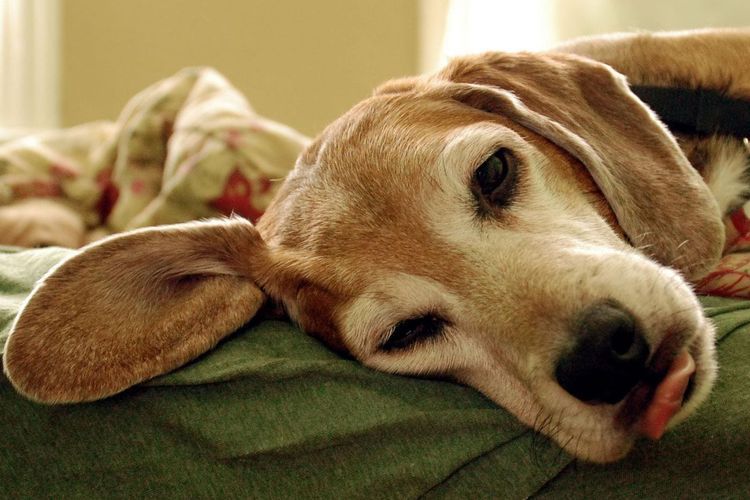
Among the clinical symptoms that may indicate the possible development of hypoadrenocorticism in a dog, veterinarians cite:
- lethargy, apathy, loss of activity,
- muscle weakness,
- lack of appetite,
- pale gums,
- frequent urination (polydipsia),
- increased thirst (polyuria),
- lowering blood sugar levels (hypoglycemia),
- involuntary muscle contractions (tremors).
As the disease progresses further, the animal may experience:
- bradycardia (slow pulse),
- unexplained weight loss,
- decrease in body temperature,
- dyspnea,
- painful sensations when palpating the abdomen.
If your dog exhibits any of the symptoms described above, it should be immediately taken to the vet for diagnostic testing and treatment. The prognosis for hypoadrenocorticism in dogs depends largely on the stage at which the disease is diagnosed.
Diagnostics
Many of the symptoms of Addison's disease are non-specific and typical only for this condition. Therefore, a visual examination of the animal and review of the owner's medical history are often insufficient for diagnosis. A definitive diagnosis is made based on laboratory and instrumental tests prescribed by a veterinarian.
The primary diagnostic method for hypoadrenocorticism is determining hormone levels in the animal's blood and performing an adrenocorticotropic hormone test. If a blood test shows cortisol levels below the normal range (2 mcg/dL) and the hormone level does not increase 24 hours after a corticotropin injection, the diagnosis of Addison's disease is confirmed.
To clarify the clinical picture, the dog may be prescribed additional examinations:
- Ultrasound sonography. Sonography can determine the size and structure of the kidneys and adrenal glands, and detect tumor or a congenital anatomical defect of these organs.
- Chest X-ray. This image shows the physiological dimensions of the heart and liver.
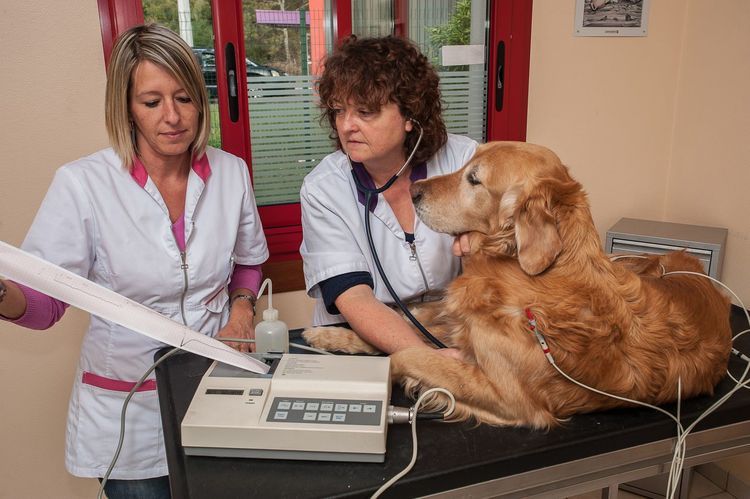
- Electrocardiogram. An ECG helps to pinpoint the specific characteristics of your heart rhythm.
Treatment
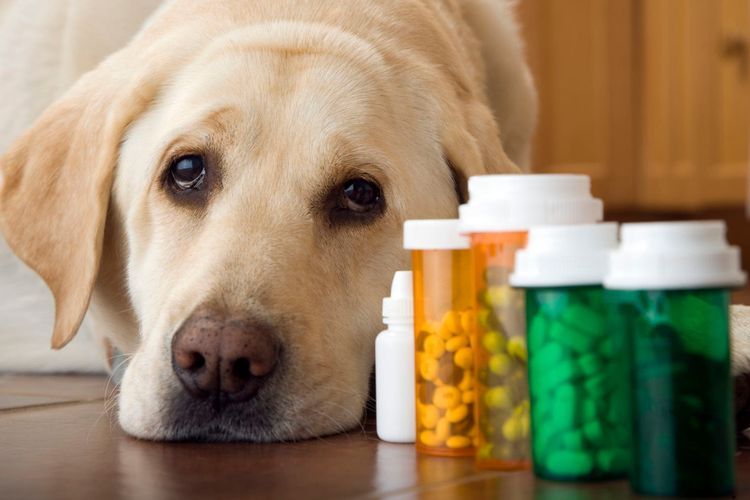
Treating Addison's disease in dogs is a lengthy and demanding process. The primary treatment method is hormone replacement therapy, which helps maintain the same levels of biologically active substances in the dog's body as those achieved through the natural production of hormones by the endocrine glands.
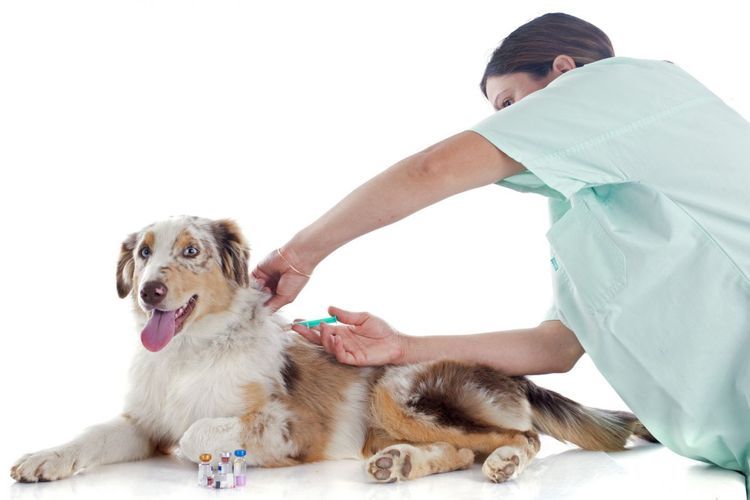
Hormonal therapy involves the combined use of glucocorticoids and mineralocorticoids—medications containing adrenal cortex hormones. They can be administered subcutaneously, intravenously, or in tablet form. Glucocorticoids prescribed to dogs include hydrocortisone, cortisone, Prednisolone, Methylprednisolone, Dexamethasone, from mineralocorticoids - Fludrocortisone or Deoxycortone.
To activate catabolic processes, the prolonged-release anabolic steroid Retabolil may be prescribed, while Riboxin, which normalizes myocardial metabolism, may be prescribed to correct cardiac arrhythmias. To eliminate hypovitaminosis that develops during Addison's disease, the animal is prescribed vitamins: retinol, thiamine, riboflavin, niacin, tocopherol, and ascorbic acid. These vitamins are components of enzymes that regulate metabolic processes and are involved in immune defense. To restore the salt balance disrupted by polydipsia, a veterinarian may recommend adding a small amount of table salt to the dog's food.
If Addison's disease is determined to be caused by long-term glucocorticoid therapy, the dog may be prescribed injections of the polypeptide hormone Corticotropin, which serves as a physiological stimulator of the adrenal cortex.
In some cases, even after remission has been achieved and the animal's condition has stabilized, hormone replacement therapy with glucocorticoids and/or mineralocorticoids is prescribed to the dog for life.
Hypoadrenocorticism in dogs is accompanied by numerous clinical manifestations, the severity of which and the prognosis for treatment depend on the stage of the disease. Only timely veterinary care can successfully treat this complex condition and prevent the endocrine disorder from affecting the animal's lifespan.
Does a sick pet require special care?
If an Addisonian crisis develops, a dog requires immediate hospitalization and inpatient treatment. Animals with the chronic form of the disease should be regularly monitored by a veterinarian—at least once every six months.
If possible, avoid stressful situations for your pet. If these cannot be avoided (for example, during a move, surgery, or other significant events), consult your veterinarian beforehand. The vet may temporarily adjust the treatment regimen and increase the dose of hormonal medications to maintain stable cortisol levels.
Diet adjustments may also be necessary. This should be discussed with your veterinarian. If your dog is receiving a complete and balanced diet, dietary changes are usually not necessary. However, for pets struggling to regain weight after an illness, a higher-calorie diet may be recommended.
Read also:
- Can coronavirus be transmitted from dogs and cats to humans?
- Histiocytoma in dogs
- Inflammation of the salivary glands in dogs: symptoms and treatment


Add a comment