
Bobtail (Old English Sheepdog)
The Bobtail's country of origin is Great Britain. Initially, the English bred a dog that would be a versatile farmhand, a reliable shepherd, and a formidable guard dog. Modern representatives of the breed are rarely used for their intended purpose anymore and are usually simply companions, but they have not lost their ability to be a reliable guard dog.
Content
History of origin
Several centuries ago, when bobtails were first bred, their temperament was much more stern, as required by their status as a versatile farm dog. Their ancestors are believed to be the Briard and the South Russian Shepherd.
The name "Bobtail" comes from two English words meaning "short tail." If a litter produced puppies with long tails, the tails were docked. But this wasn't just for aesthetic or practical reasons. In England at the time, shepherds were required to pay a tax on their dogs, and the longer the tail, the higher the tax. The ancestors of the modern Bobtail were distinguished by a rough demeanor and a somewhat flabby build. They were used primarily as guards and herders, and the more agile Collies were often used as support dogs.
The Bobtail's distinctive beauty first caught the public's attention at a show in 1873, when the dogs were already being exhibited as a distinct breed. Fifteen years later, the first breed club was established, and these former village dogs began appearing on the lawns of the English elite's courts. Breeders, in turn, continued to test the breed's working qualities, but also sought to soften its appearance and character. As a result, the Bobtail transformed from a rough-hewn dog into a charming family dog.
Appearance
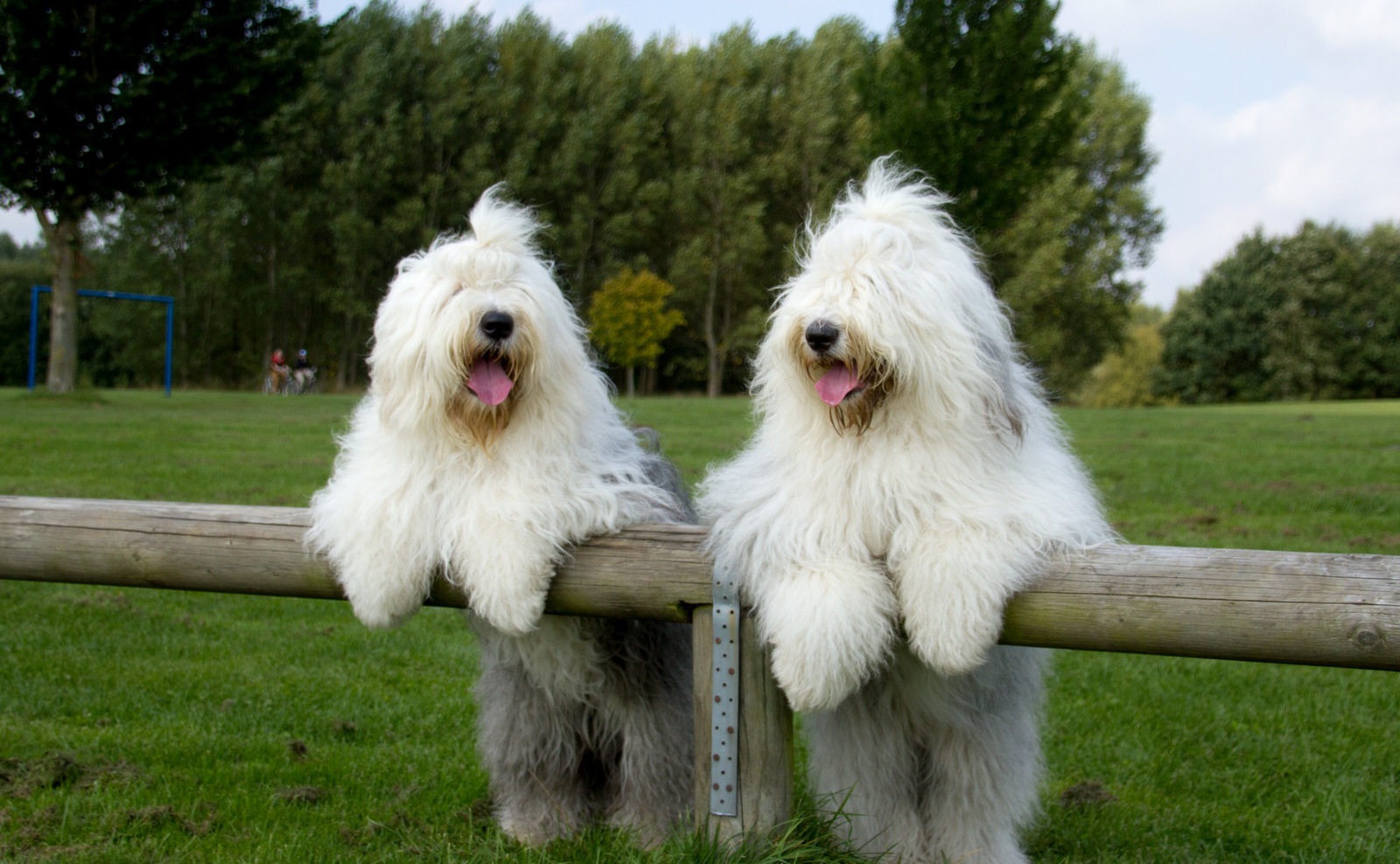
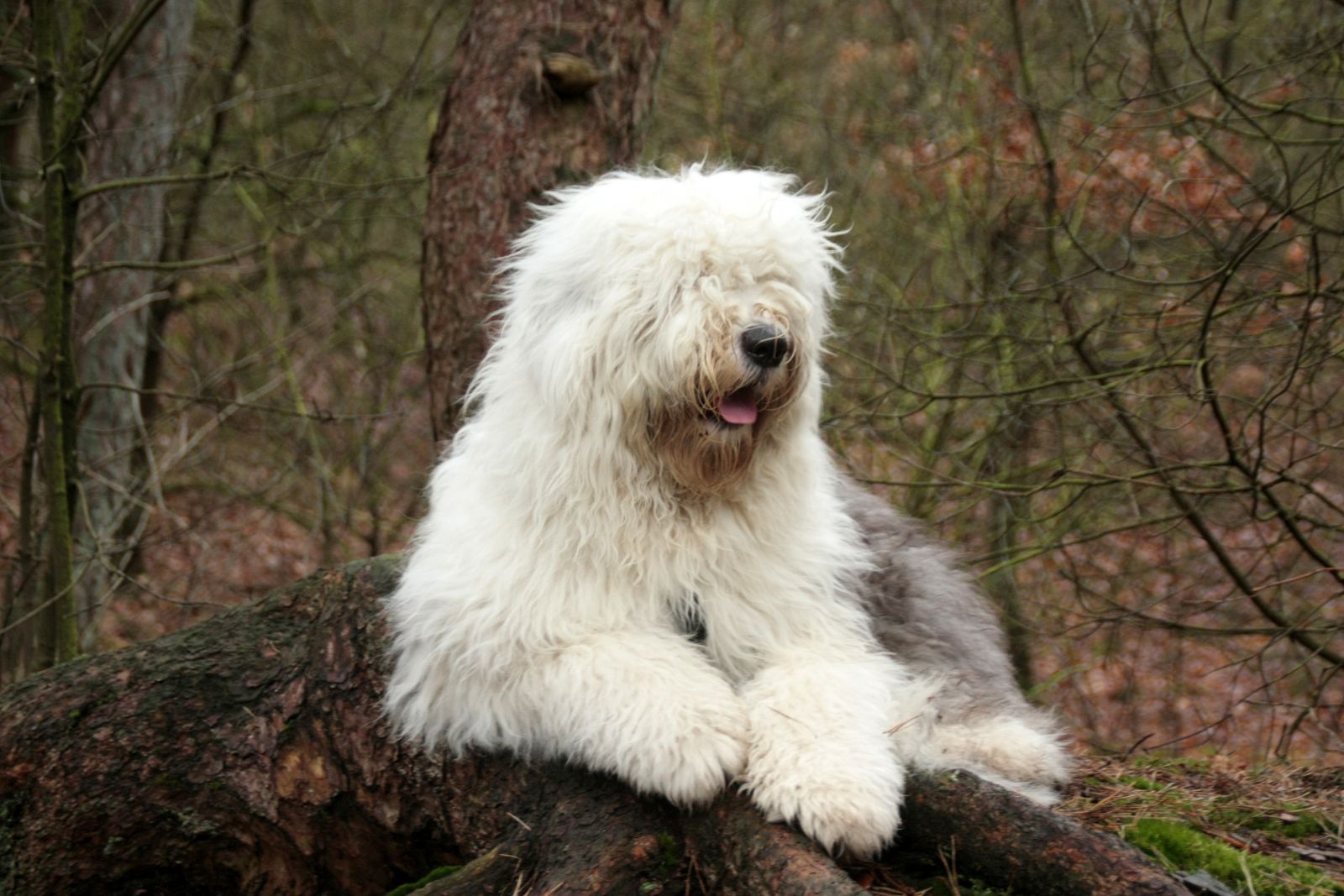
In appearance, these large and somewhat square dogs appear heavy and clumsy, but their appearance is deceptive. The bobtail's gait is quite light, with a slight spring when running. The head is massive with a square skull. The coat is thick, long, and slightly wavy, slightly shorter on the muzzle than on the rest of the body. The eyes and nose are small and always dark. The ears are miniature and almost completely hidden under the coat.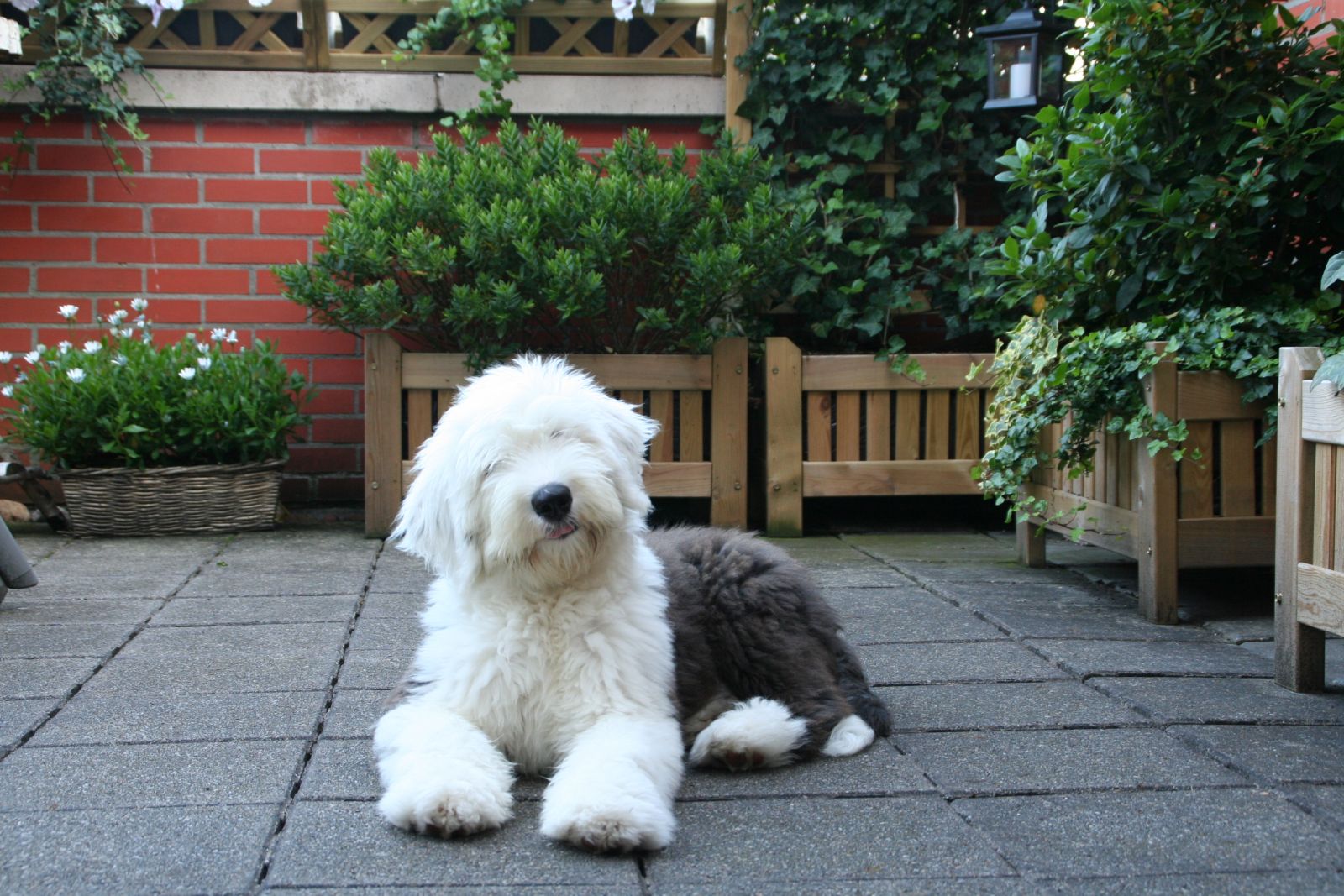
The limbs are long and straight. The tail was previously docked according to standards, but today dogs with uncropped tails are also accepted. Bobtails can come in any shade of gray or white.
Training and exercise
Bobtails are strong and resilient dogs that are fairly easy to train, love to work, and readily take on new challenges. Owners should keep in mind that these dogs can be very strong-willed and independent, so any desirable habits should be instilled in them from an early age. Each dog requires an individual approach; it's best to try several training methods to determine which is best for your pet. However, motivational training is generally the best option. With a goal in mind, dogs become more engaged and attentive.
Physical activity should be fairly intense. Bobtails require active, long walks outdoors, preferably off-leash. Although they may appear sedate and sluggish, they are actually very energetic and always ready to join in the fun.
Character
Bobtails are quite calm and friendly, but by no means phlegmatic. They are not prone to fighting, but their innate herding instinct leads them to selflessly protect their territory and their owner, to whom they are unwaveringly devoted. Old English Sheepdogs are able to listen to their owners and understand their tone of voice. They love to play and socialize, but always know their limits; if the pet sees that their owner is not in the mood for play, they will not bother them.
Bobtails are very sensible and calm dogs. They always behave somewhat reservedly and only engage in mischief with the owner's permission. Natural herders, they can work tirelessly for hours. They often try to apply their herding instincts to family members, so it's important From an early age, teach bobtails to respect othersRepresentatives of this breed prefer to stay close to home, which means they rarely get lost. With the right approach and training, this pet will be obedient and submissive, but if not given the proper attention, they can become rude and independent.
Maintenance and care
Bobtails are best kept in a private home; apartments are acceptable, but only if they are spacious enough. They require regular walks and exercise. Bobtails are very peaceful and get along well with other pets.
In addition, they are very caring nannies who will take part in any children's pranks and, if necessary, protect the baby from danger.
Looking at a bobtail, you can immediately imagine how difficult it is to care for its coat, which, incidentally, despite its length, doesn't have a strong odor. Grooming comes in two types: at home and at show. Puppies are born short-haired and shed their coat three times by the age of 2.5 years.
- The first time is at about 4 months. That's when it's necessary train a puppy to accept a brush, which will become his companion for life.
- A more challenging stage will be around one year of age, when the fur begins to mat. During this period, brushing will need to be done at least 2-3 times a week, then a little less frequently, 3-4 times a month.
- After the third coat change, the bobtail is combed twice a month.
Dogs are bathed as they become dirty. If the animals are preparing for a show, they are bathed two weeks before the show. Drying wool exclusively with a hairdryer In a cool air setting. Pay special attention to the ears, regularly cleaning and trimming the hair inside. Trimming the hair between the toes and the paw pads is also recommended. In warm weather, the dog's entire body should be trimmed short, otherwise there is a high risk of heatstroke. Nails tend to leak as they grow. Careful attention is paid to the condition of the teeth.
Diet and health of bobtails
Diet
A bobtail's diet should be well-thought-out and nutritious. It's important that it contains all the nutrients it needs and is appropriate for its exercise requirements. Natural food is preferred. Bowls with food and fresh water should be placed on a stand to prevent the dog from lowering its head too much. If you prefer to feed your dog commercial food, it's definitely worth using high-quality holistic or at least super-premium foods.
Health
Throughout the pet's life special attention is paid to the ears, which are a weak point of the breed and are prone to inflammation. Hereditary diseases include a slight predisposition to vision and hearing problems. Hip dysplasia is possible. Life expectancy is up to 13 years.
Photos
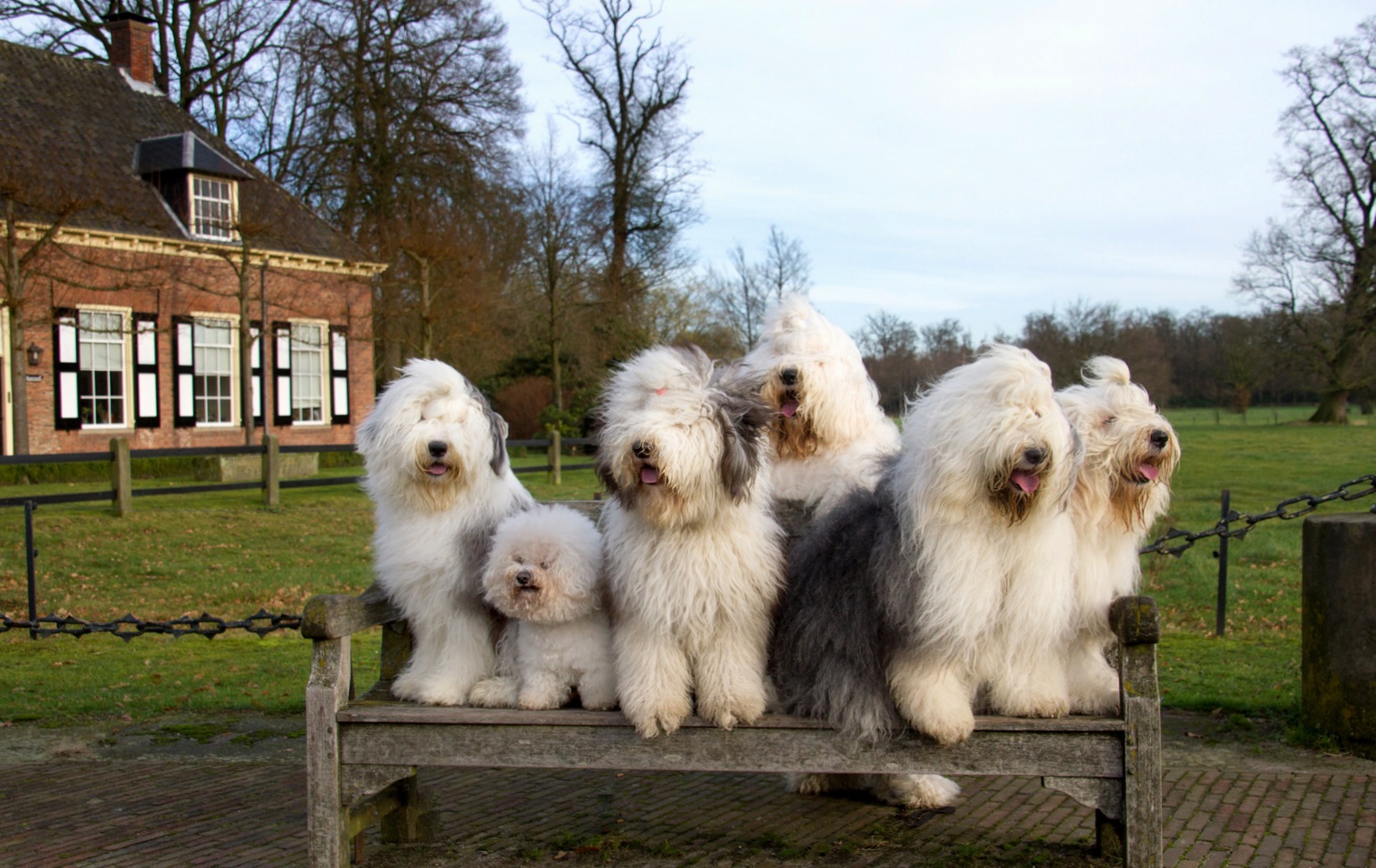
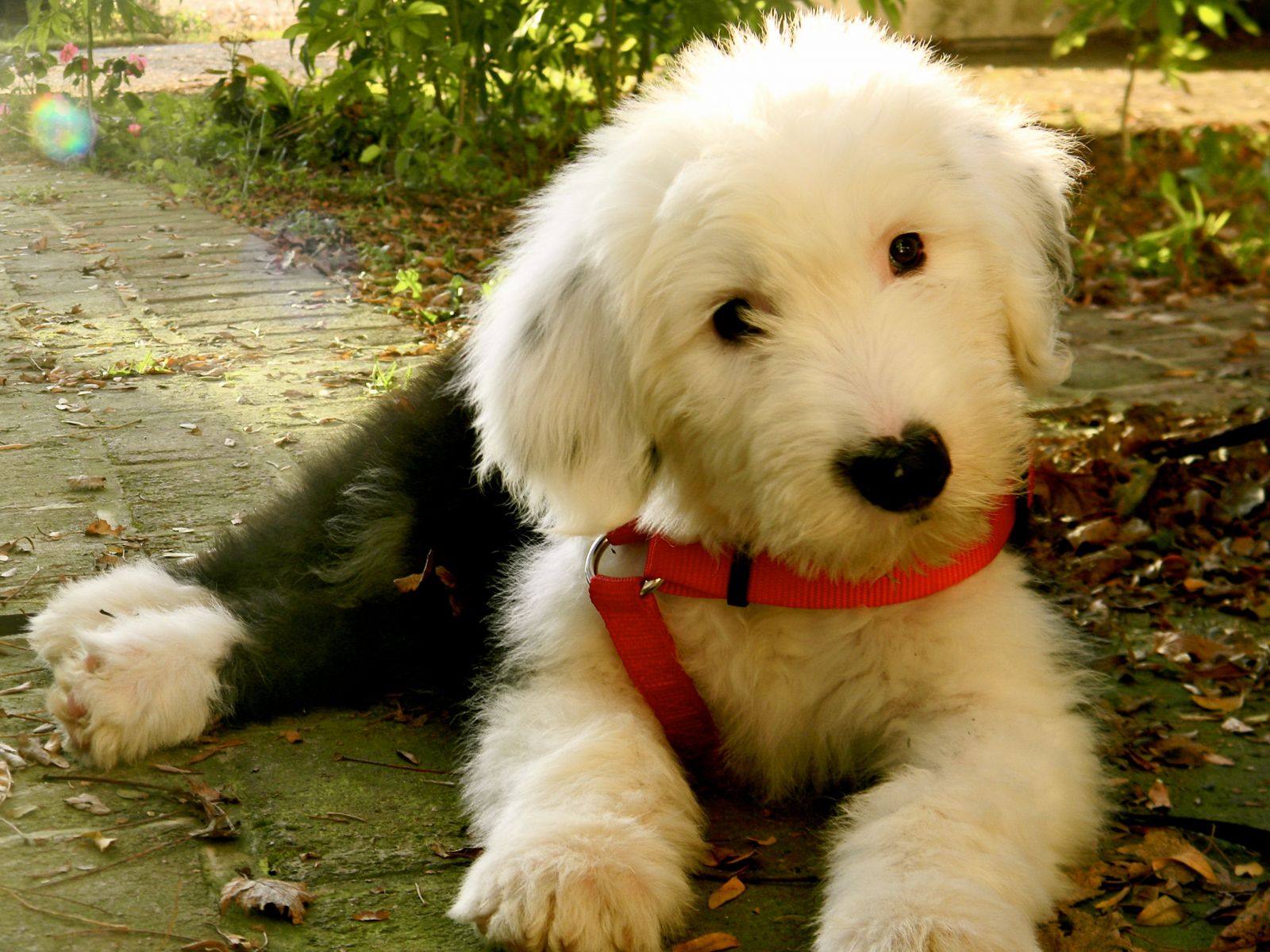
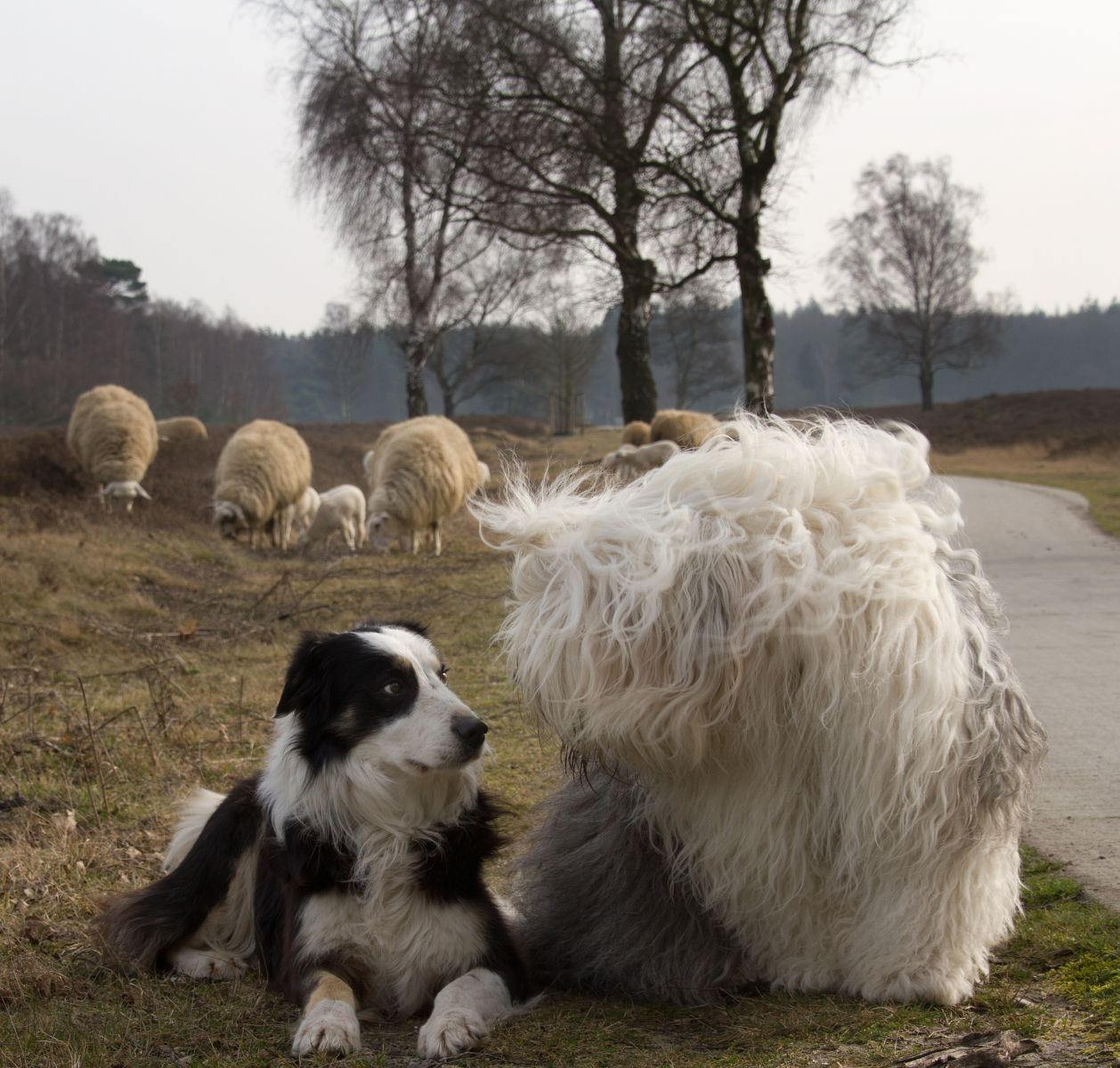
Photos of Bobtails (Old English Sheepdogs):
.jpg)
Read also:
- Kurilian Bobtail: male and female cats
- Mekong Bobtail: male and female cats
- American Bobtail: Males and Females


Add a comment