
Blue Lacy is a dog breed
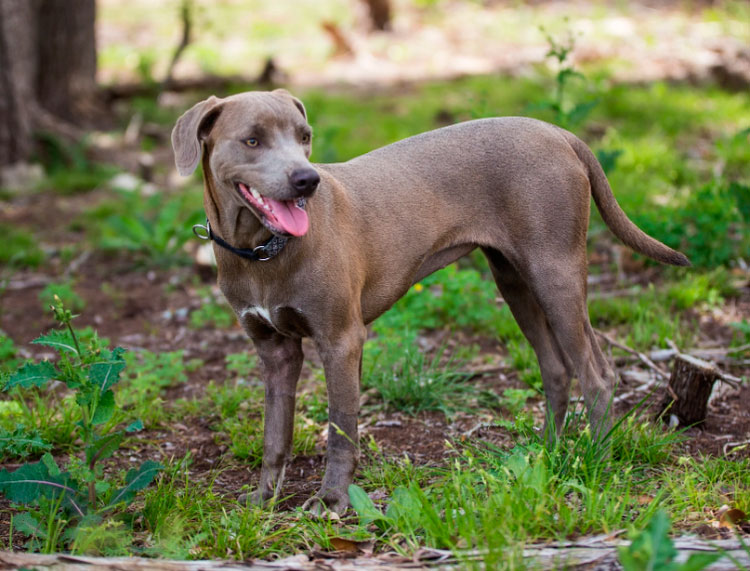
The Blue Lacy is a rare dog breed developed by a family of farmers in Texas, USA. It is characterized as hardy, energetic, and capable of performing a wide variety of tasks. It is distinguished by its high intelligence and territoriality. The breed is not widely distributed outside the United States. Another name is the Texas Lacy.
Content
History of origin
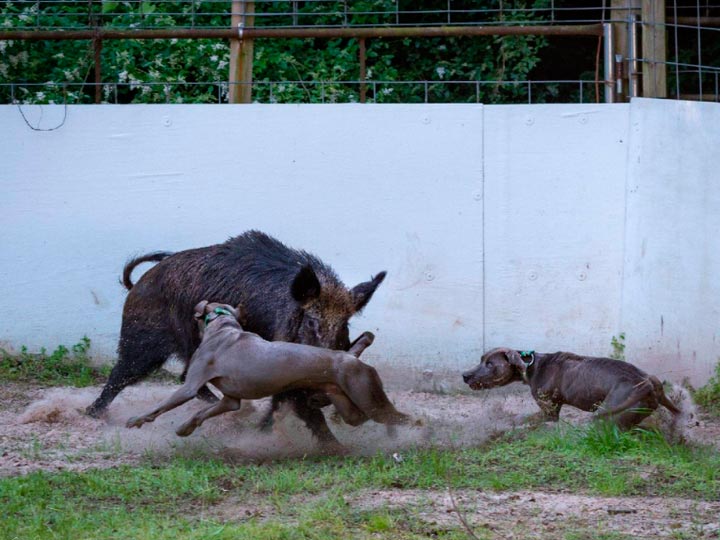
The Blue Lacy dog breed was developed in the late 19th century by the Lacy brothers (Frank, George, Evin, and Harry), who moved from Kentucky to Texas in 1858 and settled on a ranch in Burnet County. The Lacy's original purpose was to catch wild hogs and drive cattle to market. Consequently, a very strong, hardy, trainable, and people-oriented dog was needed.
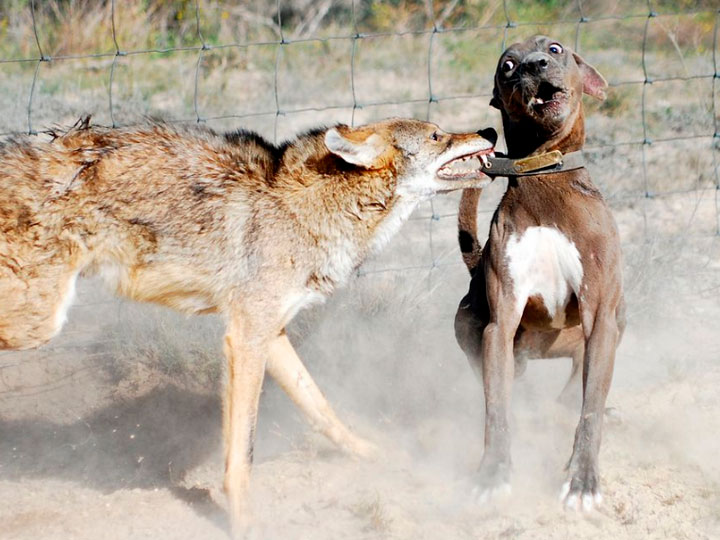
During the process of working on the breed, they crossed English Shepherds, greyhounds and a wolf. According to some reports, coyotes and hounds were also involved in the breeding program. The result was a versatile, medium-sized working dog with a uniform blue coat.
In 2001, the Blue Lacy dog breed was recognized by the Texas Senate and became the official dog breed of the state of Texas in 2005.
The Blue Lacy is not recognized by the American Kennel Club or any other major canine organization. Fanciers of these dogs hope this never happens, as it could negatively impact the breed.
Appearance
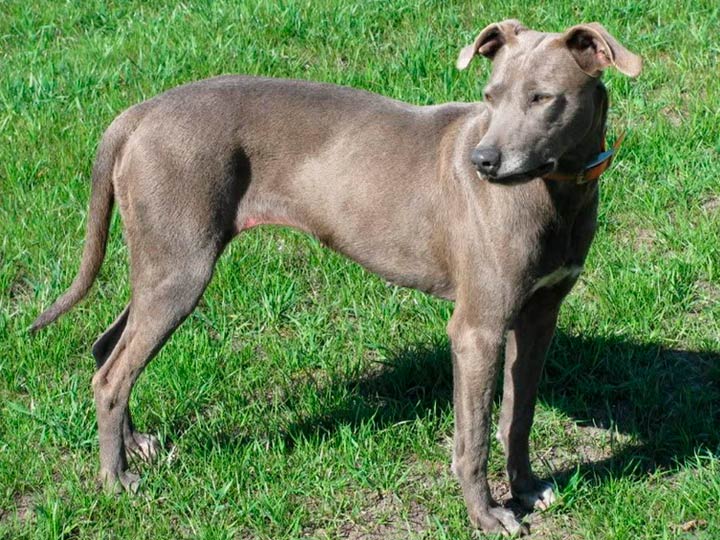
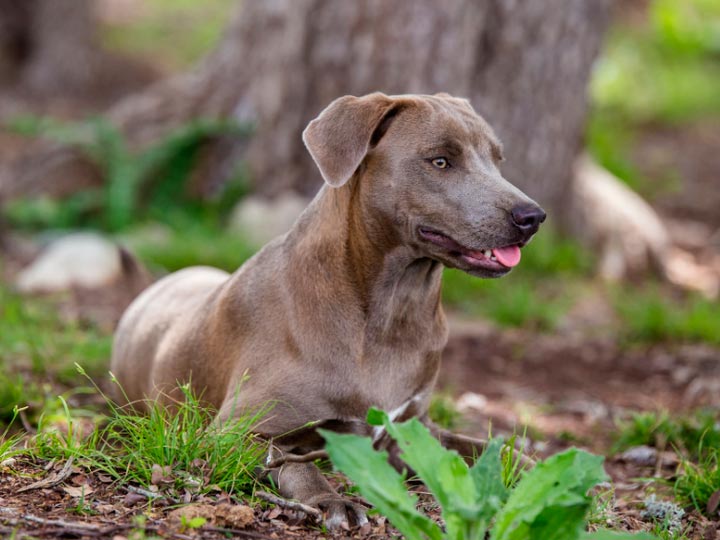
Blue Lacys are medium-sized, lightly built, fast, strong, and proportionate in height and weight. Sexual dimorphism is well-defined.
- Height at withers: 43-56 cm.
- Weight: 11-23 kg.
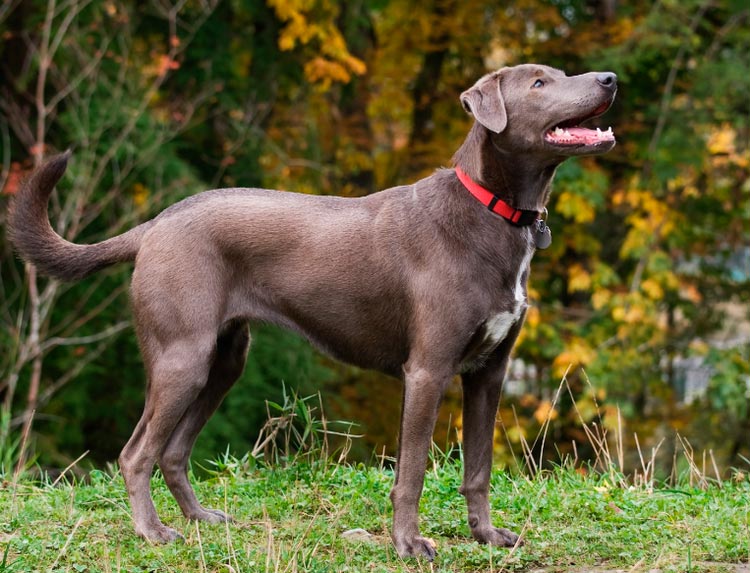
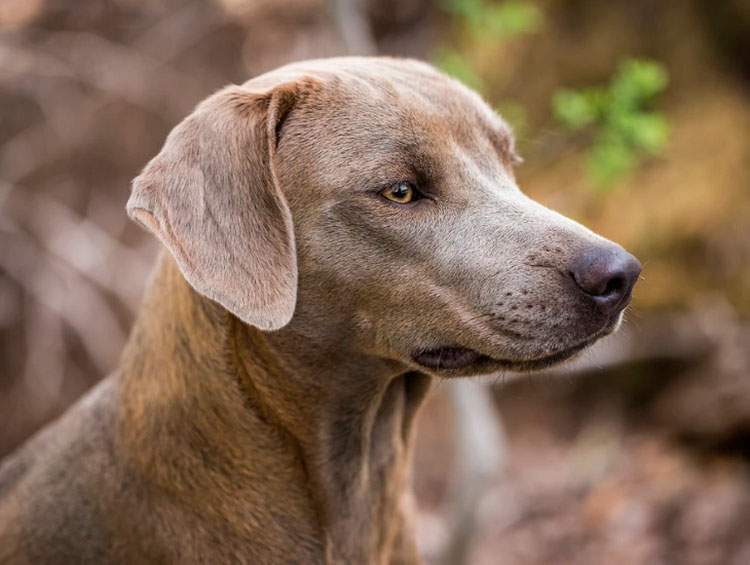
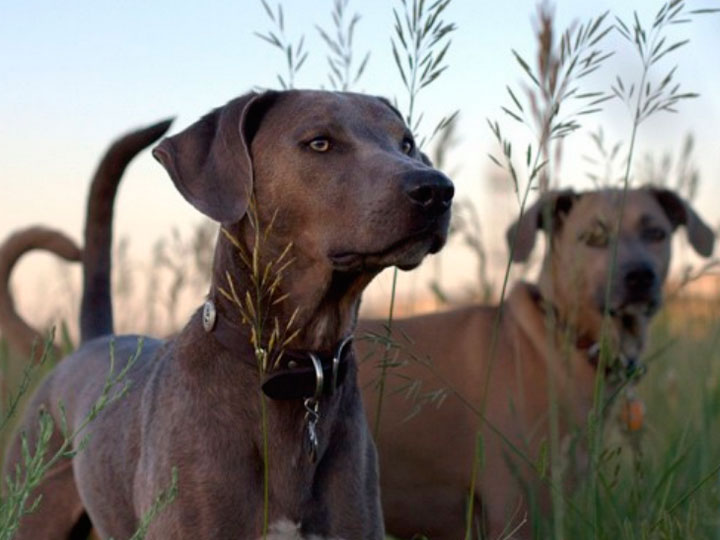
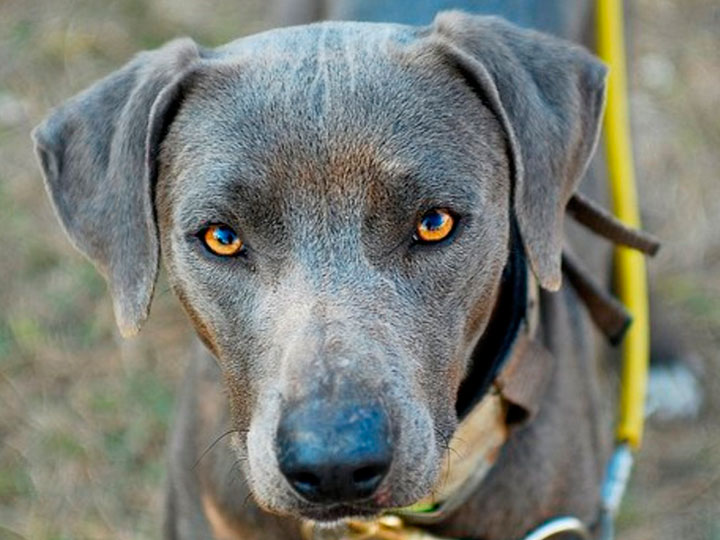
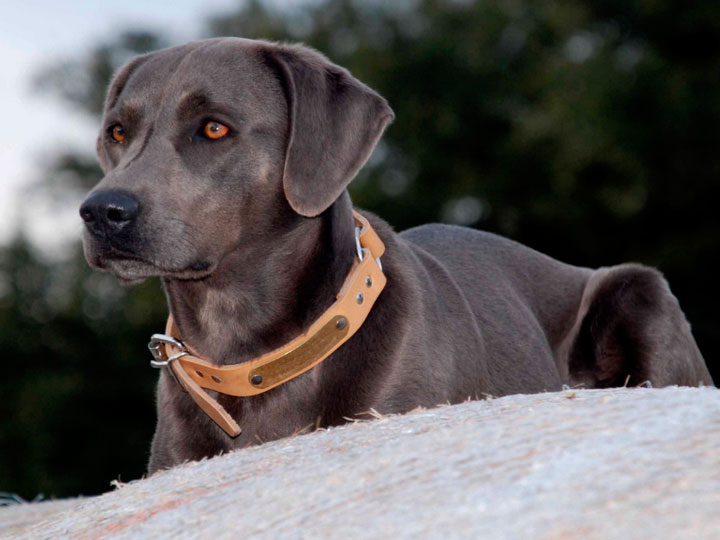
The head is proportionate with a broad, rounded skull. Long ears with rounded tips hang from cartilage on the sides of the head. The eyes are very expressive, yellow or amber in color. The muzzle is long and wedge-shaped. The bite is correct, and the teeth are strong and complete.
The body is lightly built with well-developed, well-defined muscles. The chest is deep and broad. The belly is well tucked up. The back is straight. The loin is slightly rounded. The croup flows smoothly into a sickle-shaped tail.
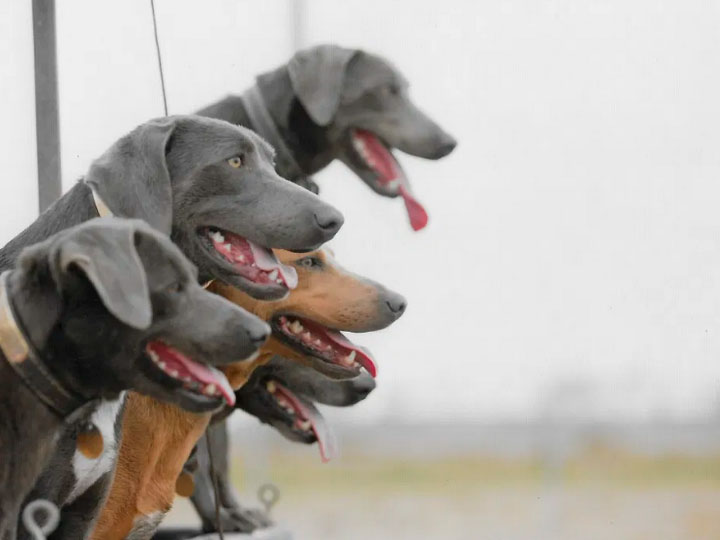
Despite the word "blue" in their name, Texas Laceys can also be brown and gray with tan markings. The word "Lacey" doesn't really apply to the breed and should be considered a surname of its creators, not a direct translation.
The coat is short, smooth, and shiny, with virtually no undercoat. There are three acceptable color variations:
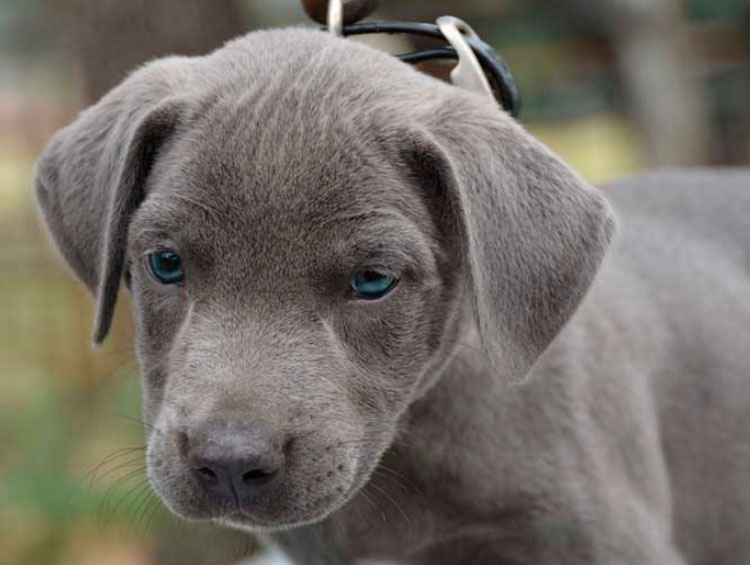
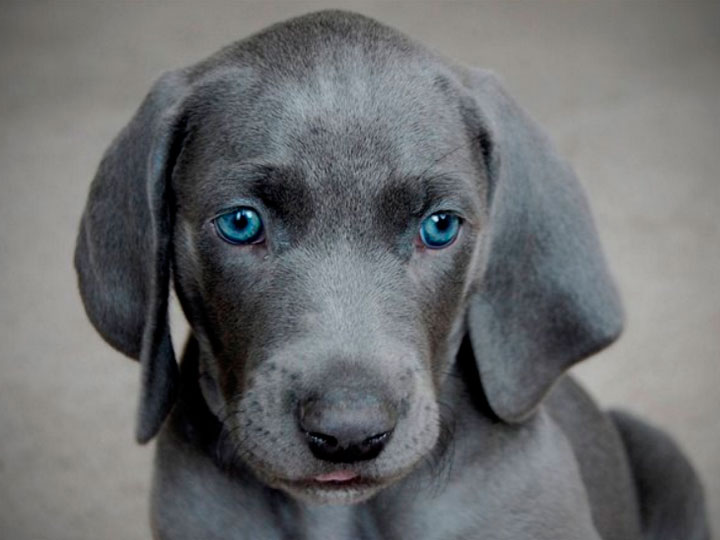
- blue (gray) - any shade from light silver to dark charcoal;
- red - from light cream to rusty;
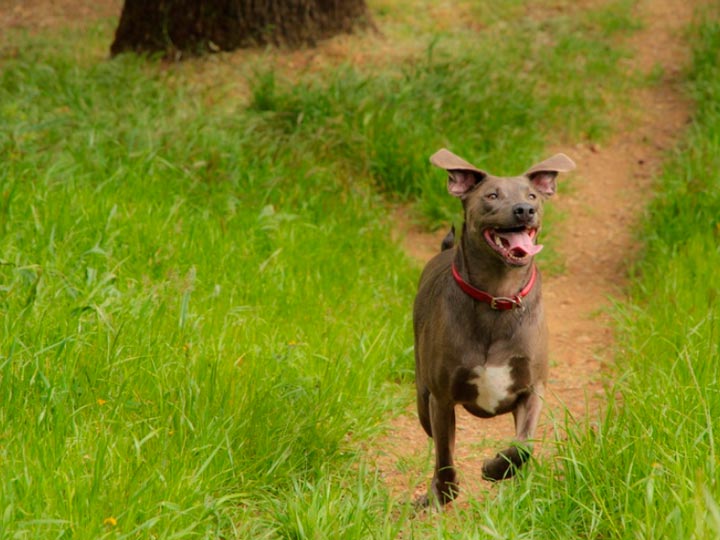
- Tricolor - combines a blue base with distinct red markings and small white spots on the chest and/or paws.
Character and behavior
The most important thing potential owners need to know about the Blue Lacy is that he is an active, working dog. While some similar breeds can thrive in urban environments and adapt to a less active lifestyle, the Texas Farmhand is not one of them.
Blue Lacys can make good companions for active people, but the life of a working dog suits them best.
Owners describe their dogs as loyal, alert, and reliable companions, highly motivated in their work, yet calm and sweet at home. They are moderately independent and therefore require a trusted leader. They are quite sensitive and do not tolerate physical punishment. They respond well to positive reinforcement training.
The Blue Lacy requires a strong leader. The breed is not suitable for inexperienced owners or families with small children. Serious, consistent training is required.
These are excellent guard dogs with a strong territorial instinct. They are prone to excessive barking, as part of their work with livestock and large game involves restraining them with vocalization. Blue Lacys can sometimes live with cats and other small animals they've grown up with, but they will kill strangers on their territory without hesitation, whether it's a neighbor's dog or a raccoon.
Content Features
If a Blue Lacy's owner doesn't have a free-roaming area, they'll need to provide adequate exercise with long morning and evening walks. Even then, they'll likely still have plenty of energy. They'll be eager to accompany their owner everywhere and play with children.
Blue Lacys are best suited to a person or family who can provide them with work, such as herding cattle, rounding up horses, or retrieving objects. Without work and adequate exercise, Texas Blue Lacys can be destructive. Some develop obsessive behavior and health problems.
It is unlikely that dogs of this breed will feel comfortable in a city apartment or will be able to adapt to limited walks on a leash on sidewalks.
The short, smooth coat has virtually no undercoat, so grooming is limited to occasional brushing, occasional bathing, and basic grooming (teeth brushing, nail trimming, ear cleaning). Shedding is moderate and seasonal.
Health life expectancy
Blue Lacys are marketed as a relatively healthy breed. Life expectancy is 12-16 years. Common hereditary diseases include:
- hip dysplasia;
- elbow dysplasia;
- tendency to skin diseases;
- hypothyroidism;
- food allergy.
Blue-colored dogs sometimes experience a rare hereditary condition called color dilution alopecia, which is characterized by hair loss and other skin problems.
Buying a Blue Lacy puppy, price
Until recently, it was virtually impossible to find Blue Lacy outside of Texas, but recently the breed has become increasingly recognizable and popular. Dogs have begun to be imported to other US states and Canada. And just recently, the first puppies appeared in Europe.
In America, the cost of a puppy varies widely: from $80 to $850.
Photos and videos
You can see more photos of Blue Lacy in the gallery.
Video about the Blue Lacy dog breed
Read also:


Add a comment