
Flea allergy dermatitis in cats: symptoms and treatment
The most common type of dermatitis in cats is flea allergy. This condition develops not as a result of insect bites, but rather as a result of the animal's hypersensitivity to components of the parasite's saliva.
According to statistics, hairless and short-haired breeds, as well as cats with light-colored fur, are more likely to suffer from this disease. Dermatitis typically develops in the summer and spring-fall periods, when fleas are most active. Even pets that remain indoors can become infected. People often bring these blood-sucking pests home on the soles of their shoes.

Mechanism of occurrence
Flea saliva is rich in histamine compounds, enzymes, and various amino acids. These penetrate the skin or under it, into the epidermis, and then into the lymph. They are then distributed throughout the body. The immune system responds with a dermatitis reaction. This rarely occurs immediately after the first bite. Typically, repeated exposures occur, leading to the gradual development of hypersensitivity.
Varieties
The disease is classified based on its course and the corresponding clinical presentation. Three types are distinguished:
- Acute. Accompanied by unbearable skin itching.
- Chronic. Itchy nodules and alopecia (patches of baldness) appear.
- Subacute. An intermediate variant that combines the previous two types.
Incorrect treatment can lead to the acute condition becoming chronic, which can be significantly more difficult to manage. Furthermore, advanced cases can lead to serious complications. Therefore, at the first sign of flea allergy dermatitis, it's important to take your pet to the veterinarian immediately.
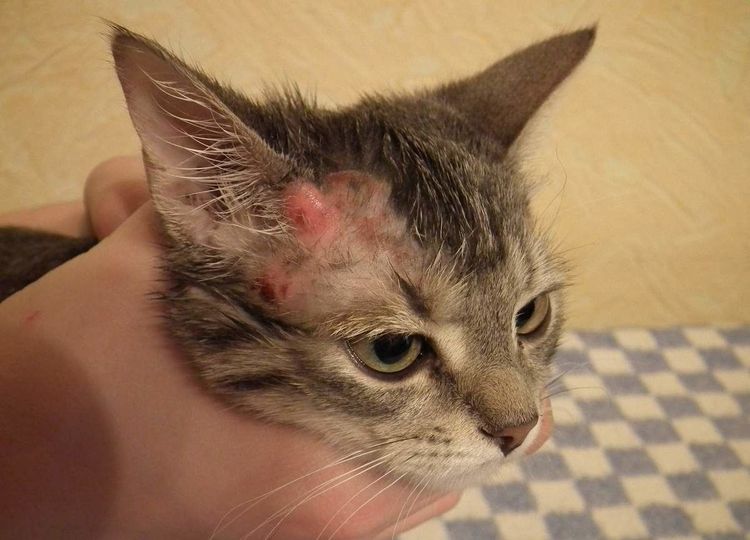
Symptoms
The disease doesn't go unnoticed for long. Owners will quickly notice changes in their cat's behavior. The following symptoms are typical of flea allergy dermatitis:
- excessive dryness of the epidermis;
- restless behavior (irritability, anxiety, fearfulness, meowing);
- loss of appetite;
- scratches on the skin;
- burning, itching;
- ulcers, fibrous nodules, swelling;
- The hair in the affected areas becomes thin, breaks, or falls out.
The skin is usually hot to the touch. Fleas and their waste products (dark-colored feces) may be visible to the naked eye. External changes most often affect the upper thighs, torso, and the base of the tail.
Sometimes, in chronic cases, a bacterial or yeast infection may develop. These cases typically result in an unpleasant odor emanating from the cat.
It's worth noting that similar symptoms can accompany certain other conditions. Therefore, before beginning treatment, it's best to seek help from a specialist.
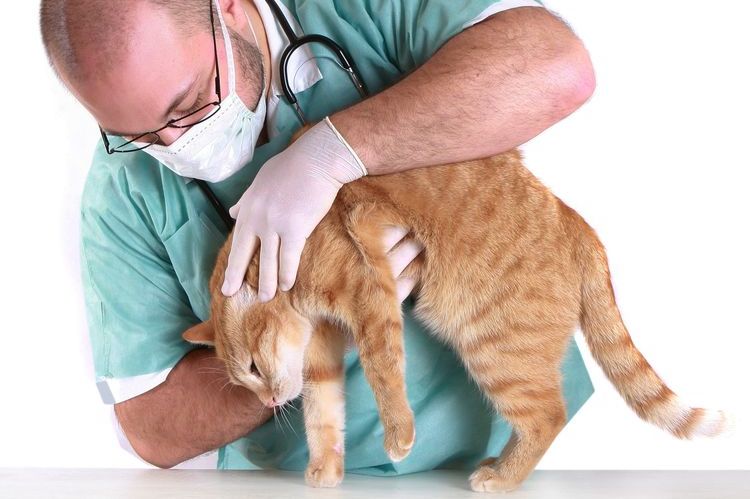
Diagnostics
There's a good way to detect fleas at home. Wet your pet's fur. Then, lay out a sheet of white A4 paper and, holding your pet over it, fluff it up. If you see small black dots on the paper, this indicates the presence of fleas.
In a veterinary clinic, a visual examination and intradermal tests with allergy testing are carried out to establish an accurate diagnosis.
It is always necessary to differentiate flea dermatitis from other pathologies: pediculosis, dermatophytosis, drug allergies, staphylococcal pyoderma.
Treatment
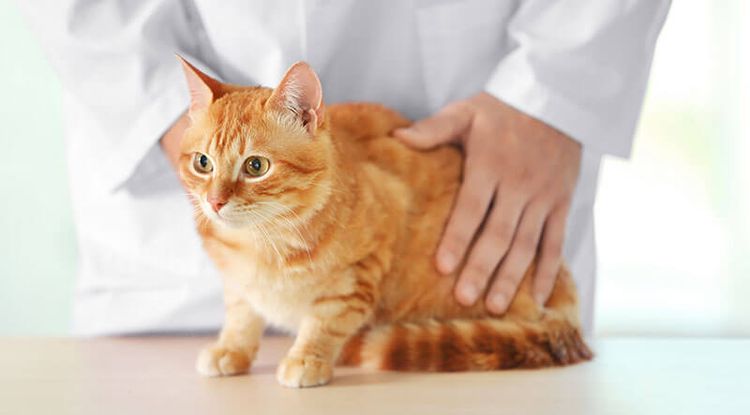
The doctor prescribes treatment based on the pet's age, breed, and the severity of the disease. Before starting therapy, the following steps are mandatory:
- using shampoo, spray or drops to eliminate fleas;
- pet toy treatment:
- replacing the old bedding with a new one;
- If there are other animals living in the house, they should also be treated with flea control;
- Insect disinfection in all living rooms with mandatory treatment of furniture, curtains, and carpets.
The veterinarian selects medications that are aimed at eliminating parasites, relieving symptoms, and preventing relapses.
There are many flea control products available. Here are the most common:
- Tablets (Nexgard, Comfortis). They are quickly absorbed into the bloodstream and kill parasites.
- External medications in the form of sprays, drops, and ointments. The most commonly used options are— Advantage, Revolution, Frontline.
- Antibiotics (Cephalexin, Simplicef). They are prescribed for skin infections.
- Shampoos (Lugovoy, Bars, Fitoelita, Rolfclub) are effective in soothing inflamed skin. When using them, it's important to exercise caution and follow the instructions. This is especially true when bathing young kittens. All of the above shampoos contain the insecticide permethrin.
As for collars, they are more suitable for the prevention of flea dermatitis.
For the best effect, an integrated approach should be used—a combination of topical agents and tablets.
Glucocorticosteroid-based medications can help relieve unpleasant symptoms:
- Dectaford;
- Stop-Itch.
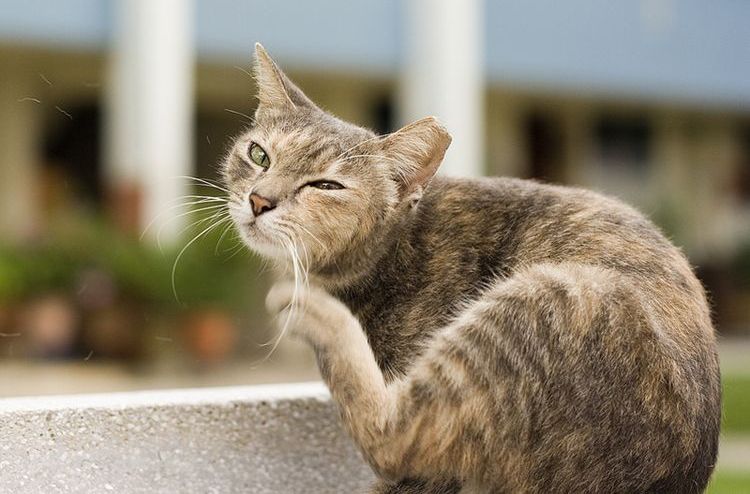
If the cat has wounds with signs of suppuration, it is better to treat them with antibacterial drugs.
During treatment, your pet's diet should be adjusted. Since flea dermatitis is often complicated by allergic reactions, it's best to choose hypoallergenic foods.
Intensive therapeutic measures will help to overcome the disease in a short period of time.
Prevention
As part of prevention, the following rules should be followed:
- avoid contact with stray cats;
- buy a flea collar;
- disinfect your home regularly.
Flea allergy dermatitis in cats is a very unpleasant and dangerous condition that causes a lot of discomfort for your pet. It requires immediate treatment. Therefore, it's best to take preventative measures to avoid problems.
Read also:


Add a comment