
Bloodhound
The Bloodhound belongs to the hound group and related breeds, the hound section, and the large dog subsection. Origin: The Bloodhound, or Chien de Saint-Hubert, was developed in Belgium.
Content
History of the breed's origin
The Bloodhound is one of the oldest breeds in the world, whose ancestors were found in Belgium. There, the dogs were called "hounds" because their purpose was to catch runaway peasants. They were also actively used to track down criminals and protect wealthy individuals.
In Germany, they were called Leithunds, or pack hounds, as they were used to create royal packs. They were then crossed with their Italian relatives, resulting in the "king's white dog." After this, English breeders began developing the breed, giving it its modern name. Bloodhounds were actively used for hunting wild animals, and later for chasing and independently searching for prey.
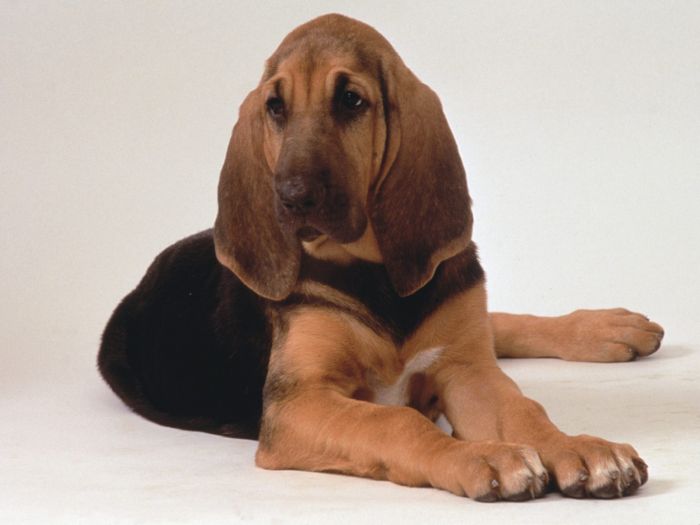
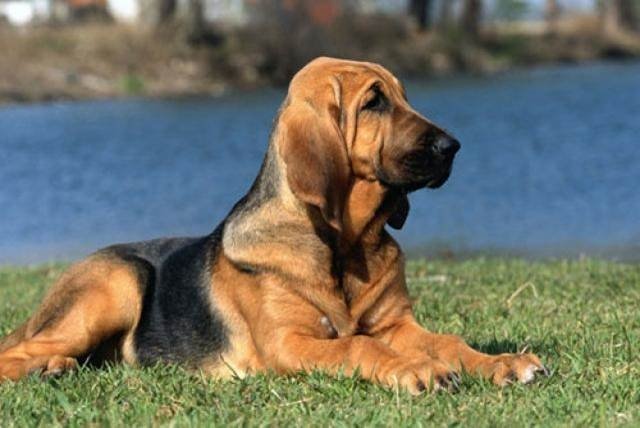
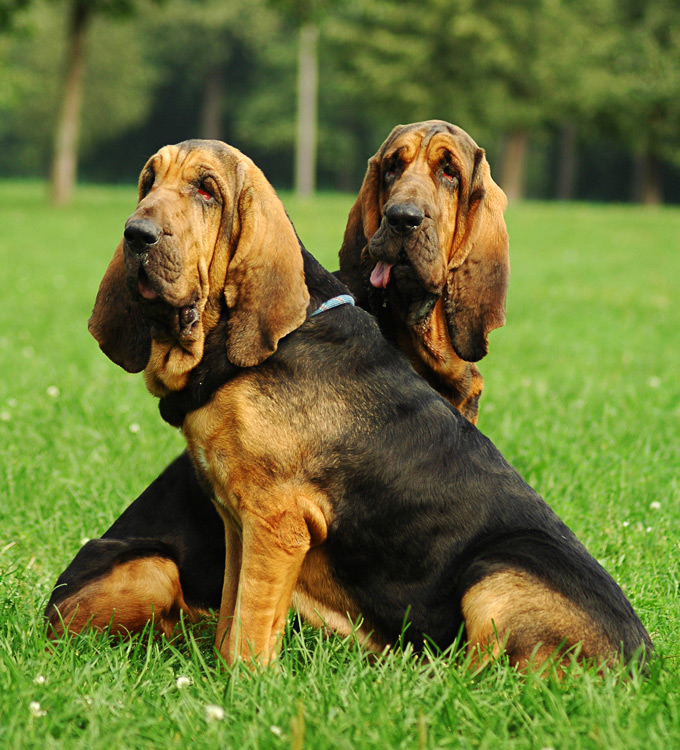
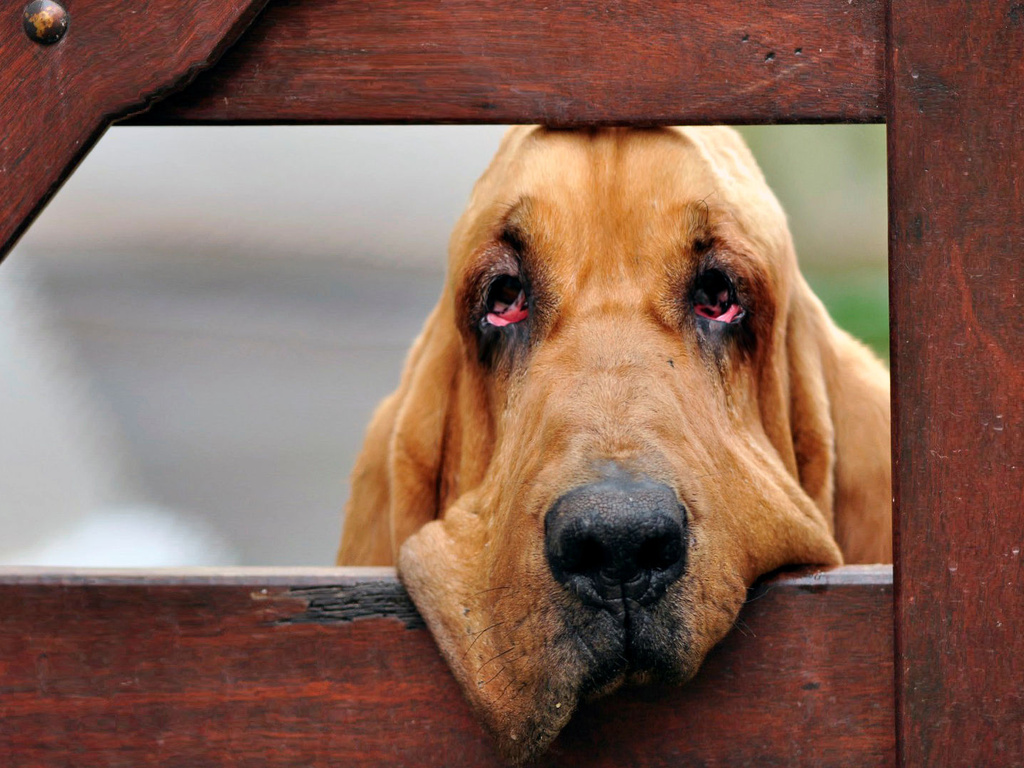
Representatives of the breed have coat colors of red saddle, black and tan, and reddish-brown. The standard allows for white markings on the chest, tail, and toes. The average height at the withers of a Bloodhound is 60-67 centimeters, and the weight can reach 40-48 kilograms. Representatives of the breed have long ears that reach the floor.
Bloodhounds are among the breeds that mature late, remaining small puppies until they are two years old.
General information about the Bloodhound breed
These dogs thrive both in the city and in the countryside, provided they get enough exercise to prevent obesity. These dogs have a well-developed sense of smell, making them excellent hunters. They are actively used in search and rescue work and as guard dogs. To stay in good shape, they require an hour and a half of daily walks. However, twice a day, 40-minute walks are ideal. They also enjoy simply running on their own.
When walking a Bloodhound, it's recommended to keep the leash on, as curious animals can be tempted to run toward something unfamiliar but possessing a captivating scent. They can follow any scent, even one left by a human, which is very rare among dogs. It's believed that a Bloodhound can follow a scent that's four days old and won't stop until it finds its source, even if the journey is very long.
Therefore, this breed of dogs makes for tenacious bloodhounds, which are used to rescue people and find criminals.
Bloodhounds are difficult to train, and it will take a lot of effort and patience to develop them into good companion dogs.
Perseverance is key in training, as they are quite stubborn. They are also very sensitive and impressionable, requiring careful and affectionate handling.
Cruelty to Bloodhounds breeds aggression. They absolutely despise physical violence and pain. Once you hit a dog, you'll never gain its trust again.
Nutrition
A bloodhound can chew and swallow anything, whether edible or not, that fits in its mouth and can be chewed. Therefore, you need to carefully monitor what and how your pet eats.
A properly selected diet will help maintain good health and extend the lifespan of your beloved dog. When developing a feeding plan, first determine the required daily food intake. Keep in mind that it should constitute at least 20% of your pet's body weight. Ensure that your pet receives the necessary micronutrients and vitamins for its age. Experts recommend feeding puppies dairy products, gradually introducing whole grains, natural meat, and organ meats, while also including healthy vegetables. Potatoes are not recommended for dogs, as they reduce the body's absorption of B vitamins.
Their long ears make them prone to infectious diseases. They are also predisposed to intestinal flatulence, joint dysplasia, and eye diseases. With proper care and maintenance, they can live up to 10-12 years.
Unfortunately, Bloodhounds are prone to howling, snoring, and drooling. Furthermore, this breed emits a distinct dog odor, which can be unpleasant for sensitive people.
However, these shortcomings are offset by the advantages of bloodhounds, and true “dog lovers” are tolerant of them.
Care and maintenance
The Bloodhound has a very short, smooth coat that can be combed with a regular rubber glove.
It is recommended to wash the Bloodhound as needed so as not to damage the integrity of the skin's natural protective layer.
To keep their coat shiny and glossy after a bath, dry them with a rough towel. Regular ear cleaning, nail trimming, and eye care are also necessary. Bloodhounds are demanding when it comes to walks—they require plenty of time and ample space to explore.
The best place to keep them is a country house with large surrounding areas. However, they also tolerate apartment conditions well, provided they receive regular daily walks.
Character
Bloodhounds are very kind and well-behaved dogs. They are very patient with children, bonding quickly with them and enjoying playful games. They are wary of strangers but show no signs of aggression or anger. They are good with other dogs and other animals in the house, and are eager to interact with them.
Bloodhounds are known for their well-balanced nature. Their patience and diligence allow them to explore a territory for several hours. They are eager to communicate and are extremely devoted to their owners. By acquiring a Bloodhound puppy, you will find a loyal friend and companion. These dogs are kind, timid, and even shy. Trusting a stranger requires considerable time and energy. They can quickly become captivated by an interesting discovery, so they should be kept on a leash during walks. Their playful nature allows them to remain "childlike" until they are almost two years old. They love to play with people and travel.
Choosing a puppy
A healthy, well-fed Bloodhound puppy should have a good appetite and be active. A Bloodhound's coat should be shiny, its nose should be wet to the touch, and there should be no discharge from the ears or eyes. The elongated head and long, low-set ears hanging down at the sides are the first things that should catch the eye. Remember, it's safer to buy a purebred puppy from a specialized breeder, who should provide you with a vaccination record.
Photos
Bloodhound Photos:
Read also:
- Lagotto Romagnolo (Italian Water Dog)
- Spinone Italiano (Italian Wirehaired Pointer, Italian Griffon)
- Bracco Italiano (Italian Pointer)


Add a comment