
Bichon Frise
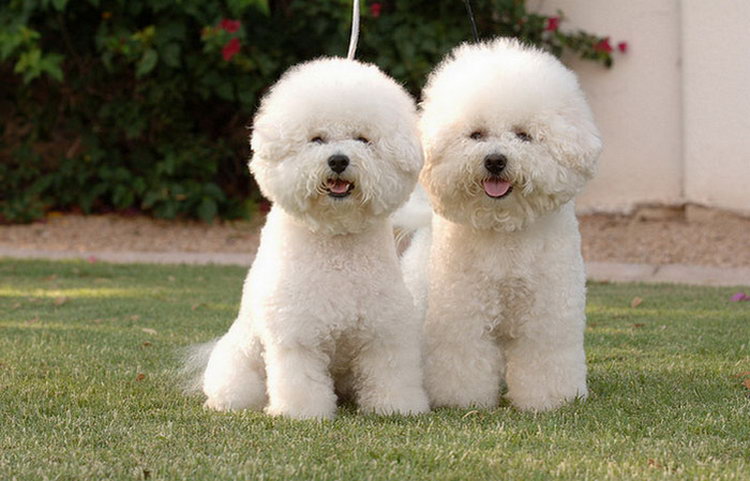
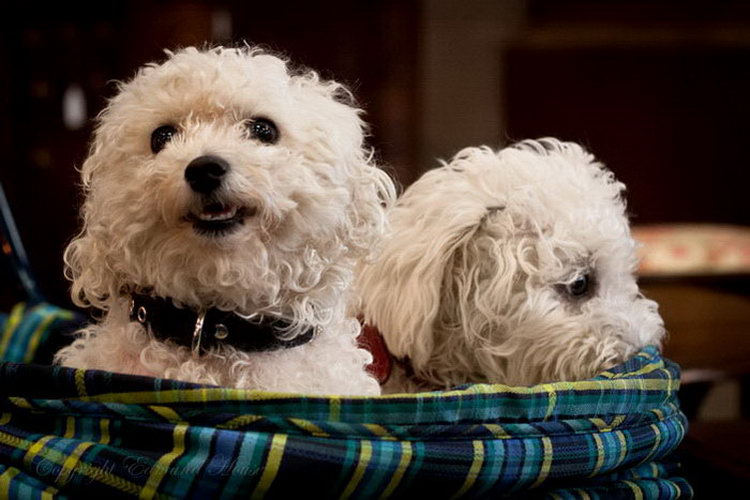
The Bichon Frise is a small, playful dog with a cheerful personality, expressive eyes, and a healthy, balanced personality. It is one of the most beloved family dogs in Europe. This legendary lapdog, with its snow-white, curly coat, looks stunning not only in pictures but also in real life.
Content
History of origin
The breed's history spans centuries. Known during the Renaissance, Tenerife lap dogs can be considered the direct ancestors of today's Bichons. At that time, dogs from the Mediterranean were highly prized on ships for their ability to catch rats and entertain sailors on long voyages. History confirms the curly-coated lap dogs' origins in Barbies (water spaniels).
In the 15th century, the Bichon became a favorite of the Spanish and Italian aristocracy, and in the 16th century, it appeared in France, where it also won the affection of the nobility. The French called these small dogs "barbichon," later shortened to "bichon." The breed's popularity and spread were most influenced by the affection of Henry III, who was never separated from the snow-white dogs. The monarch even conducted government business with a basket around his neck containing his beloved pet.
Powdered and pampered, Bichons found themselves on the streets after the French Revolution, but even then, they didn't go missing. They found refuge among street organ grinders. Later, their ability to entertain audiences and their optimism helped them find success in the circus arts. After two world wars, Bichons almost completely disappeared. The breed was only revived thanks to the efforts of French and Belgian enthusiasts. Despite its Mediterranean origins, today the breed is considered French-Belgian. A standard was developed and approved in France in 1933. The breed's current name, Bichon Frise (French: Bichon a poil frise), was given in 1978.
The name of the breed comes from two French words: Bichon – “lapdog” and frisé – “curly”.In 1956, Frises first crossed the ocean to the United States, but they didn't become particularly popular. In 1976, they appeared in Sweden, where the breed's professional development began. Swiss kennels remain leading worldwide, having cultivated the breed's best qualities and minimized any undesirable ones. Equally high-quality Bichon populations exist in England, Norway, Denmark, and Finland.
Video review of the Bichon Frise breed:
Appearance and standards
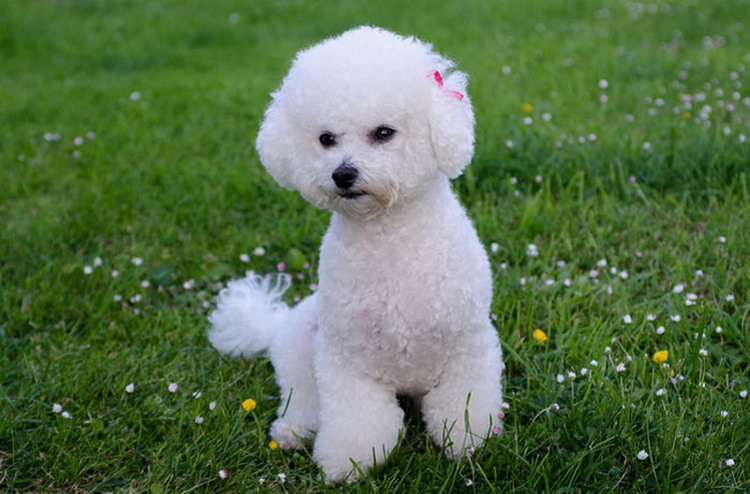
The Bichon Frise is a small, toy dog with quick, energetic movements, a proud posture, and a lively, expressive gaze. It weighs 3-5 kg and stands 23-30 cm at the withers. Sexual dimorphism is not pronounced.
Head and muzzle
The head is proportionate to the body. The skull is flat to the touch, with feathered hair giving it additional roundness. The stop is weakly defined. The muzzle is of medium length. The nose is round and black. The eyes are expressive and dark. The eyeballs should not be too prominent. The eyelids are well pigmented. The ears are pendant, set slightly forward. The auricle reaches the middle of the muzzle. The cheekbones are flat, and the bite is correct. The lips are thin, dry, and well pigmented.
Body, paws, tail
The body is square. The height at the withers is approximately equal to the length of the body. The neck is fairly long (approximately one-third of the body length), set high and proud. The chest is well developed. The back is level. The croup is rounded. The tail is set below the line of the back and is usually carried upright, but not in a ring. The legs are fine-boned and moderately muscled, and straight.
Coat and color
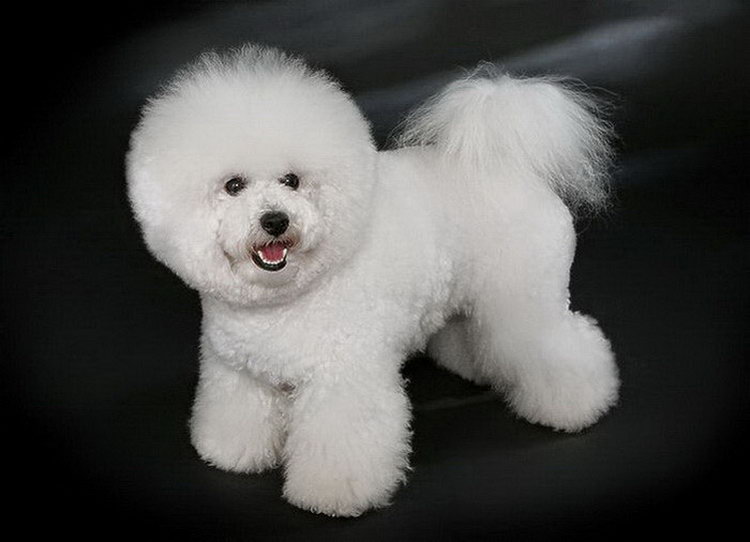
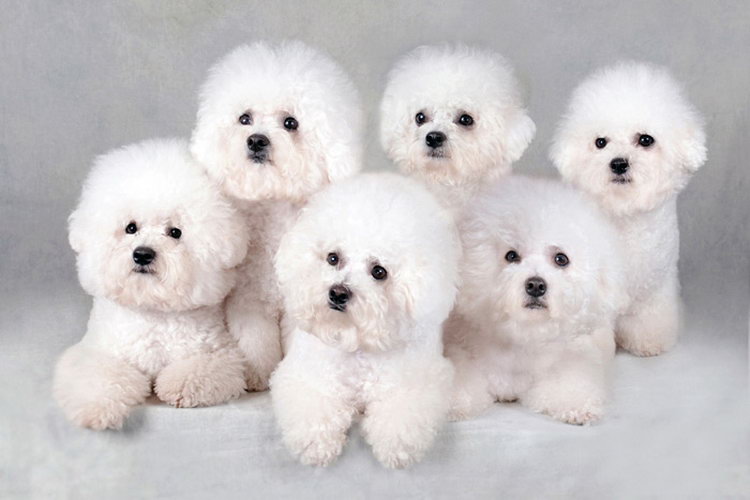
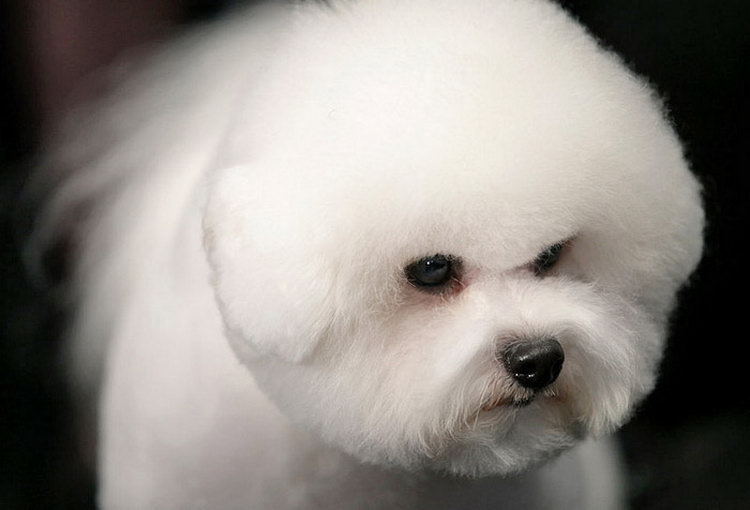
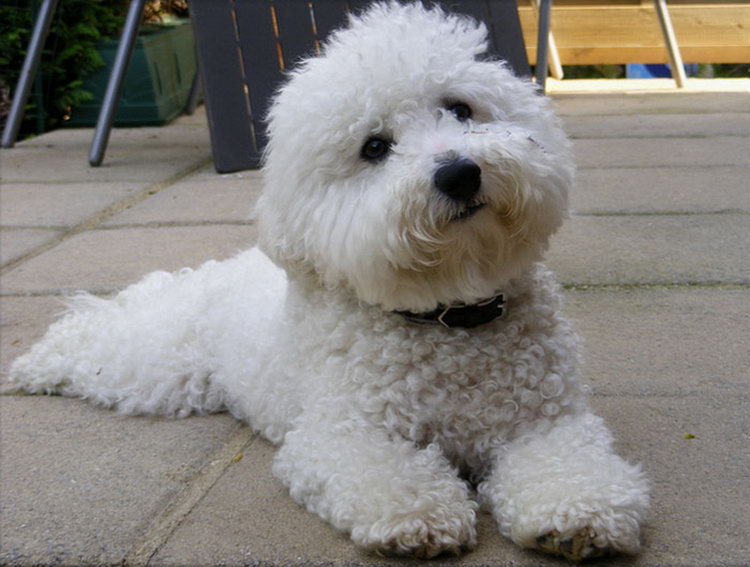
The coat is very fine, wavy, and silky to the touch. It can reach 10 cm in length. The skin is partially pigmented. The color is exclusively white: snow-white or ivory.
Character and psychological portrait
Bichons are cheerful, sociable, and playful dogs, very people-oriented. They cannot stand being left alone for long periods of time, requiring constant interaction and attention. They absolutely cannot tolerate rudeness or unfair treatment. With age, these dogs do not become less playful, but rather calmer and more even-tempered. They often exhibit a touch of cunning and stubbornness, and can sometimes be jealous. Bichons are generally great with children, showing no aggression or fear toward children. They are always happy to join in a game.
Thanks to their gentle nature, Bichons are a great choice for novice dog owners, single people, families with children, and the elderly.
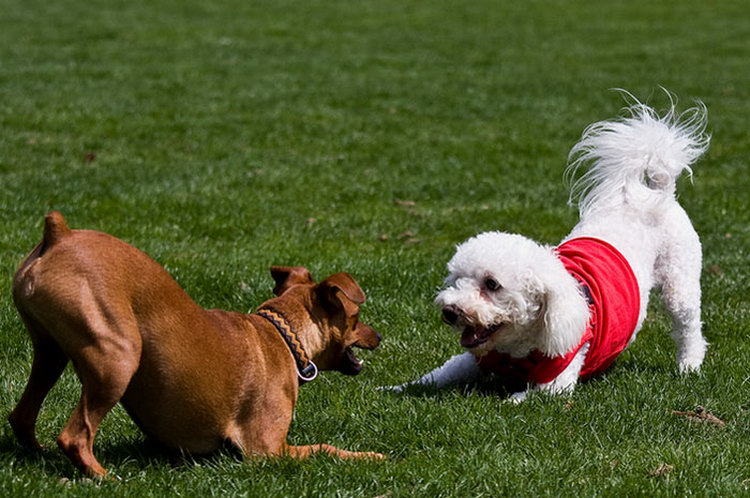
Bichons are easygoing not only with people but also with other pets. They are non-aggressive and will not initiate conflict. Their voices are loud and clear, and if not trained properly, they are prone to excessive barking.
Education and training
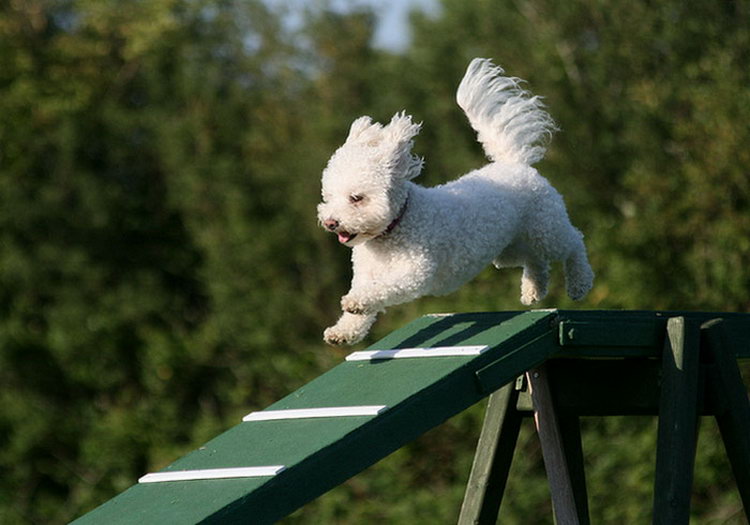
Small dogs are often relegated to the role of toys, and most owners treat them accordingly. However, they are full-fledged individuals who require proper training just as much as their larger counterparts. Bichons are easy to train, quickly learn commands, eagerly perform them, and are easily taught various tricks. These agile, active dogs successfully master various sports, such as agility and freestyle.
Basics of education and training:
- Rules of conduct in the house;
- Determining where you can go to the toilet;
- Socialization (getting to know other animals, people, new environments);
- Teaching basic commands (“Place!”, “Come!”, “No”, etc.), and performing them at home and outside;
- No barking for trifles;
- Gradually accustoming to unfamiliar, sometimes sharp or loud sounds.
This is far from a complete list of what will help make future life with a dog comfortable.
Content
The Bichon Frise is an ideal small-sized, minimal-shedding indoor pet. Moderately active, it will thrive even in a small apartment. At home, it's recommended to provide the dog with its own private sleeping area in a secluded corner and a few toys to choose from. If desired, it can be litter-trained.
Minimal exercise is required. A daily walk near the house will help maintain good shape and activity.
It's worth keeping in mind that Bichons of any age have a soft spot for wires and anything lying around. Papers, magazines, shoes, curtains, and upholstery are at risk. Destructive behavior is often linked to boredom and insufficient toys. Using scent-repellent products can also help protect items.
The truth about the breed's hypoallergenicity
Bichon Frises are indeed considered hypoallergenic dogs due to their unique coat structure. Like humans, their hair grows continuously and sheds virtually nothing, meaning they shed far less dander, which is a common allergy trigger. Unfortunately, no one can guarantee that a dog won't cause allergies. The only way to know is to spend some time with members of the breed.
Bichon Grooming
Dogs of this breed require regular care, which will require not only time but also financial costs.
Grooming
Breeders recommend brushing the dog daily or at least 2-3 times a week, as the soft coat is prone to tangling and matting. Combs with wide and fine teeth are used. Bichons' coats grow continuously, meaning they will need to be trimmed every 1.5-2 months. The anus and genital area will require trimming slightly more frequently.
In real life, Bichons rarely look like they do in photos online—a round white cloud—because that requires a lot of daily effort, special tools, and professional cosmetics.
Bathing is recommended every 2-3 weeks, but more frequent bathing is possible, as the snow-white coat is easily soiled and doesn't have self-cleaning properties. Shampoos should be specialized for the specific coat type or breed. After washing and rinsing, use balms and conditioners to prevent tangling. Blow-dry the coat. Dry shampoos can sometimes be used instead of washing.
Eye, ear, and oral hygiene and nail trimming
Bichons' eyes should be regularly cleaned of dirt using cotton wool pads and special lotions. It's important to keep the tear ducts clean and dry, as they can develop a brownish tint if not properly cared for. To prevent dark spots, ensure that hairs and eyelashes don't get caught in the eyes. These factors, combined with poor nutrition, often cause excessive tearing and further staining of the fur. To lighten the tear ducts, use veterinary-grade lightening products or 3% hydrogen peroxide.
Ears are regularly inspected for signs of infection or dirt. Clean as needed, approximately once a week. Teeth are brushed at least 2-3 times a week, especially if the dog is fed a natural diet or soft commercial food. Regular cleaning will prevent plaque buildup and prevent tartar. If nails don't wear down on their own, trim them with pruning shears approximately once a month.
Diet
Bichons eat relatively modestly and are not prone to overeating or obesity. However, they require a high-quality, balanced diet, tailored to their age and activity level. Depending on the owner's preference, this can be a natural diet or commercially prepared food. Mixing the two is not recommended. It's also important to note that many foods and some pet foods can cause allergic reactions.
Health, disease and life expectancy
Bichons are not considered frail or sickly dogs. With proper care and nutrition, they live a long, healthy life (average 13-14 years). However, through selective breeding, the breed has acquired a number of hereditary health problems and a predisposition to certain illnesses.
- Deformation of the tear ducts can manifest itself in excessive tearing or lack of tears.
- Disruption of eyelash growth can cause corneal trauma.
- Subluxation of the knee occurs both at birth and in later life.
- Malformation of the cervical vertebrae manifests itself in the first year of life, sometimes later; it leads to sharp pain when turning the head, and in advanced cases, paralysis.
- Eye diseases, including progressive retinal atrophy, cataracts, etc.
- A tendency to allergies is noted.
- Various skin diseases.
- Hypotrichosis is a rare hereditary condition that causes hair loss. The baldness is usually symmetrical. There is no effective treatment.
- Urolithiasis.
Like any other breed, the Bichon Frise requires regular veterinary preventive measures.
Choosing a puppy and price
If you've decided to buy a puppy, approach the selection of your new family member responsibly. First, find a breeder and kennel, learn about the parents, and then choose your puppy.
It's worth noting that Bichons lack any clear defining characteristics of the breed, so cute crossbreeds are often sold as aristocratic dogs.
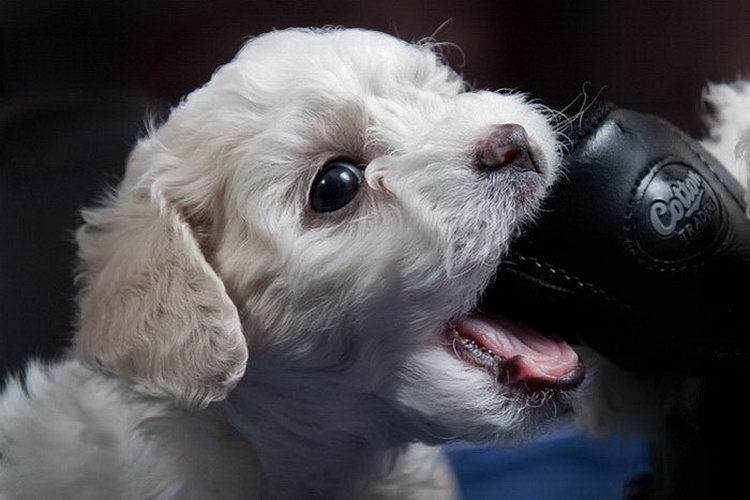
The puppy's coat should be white, but a peach-colored tint on the muzzle and ears is acceptable; this will disappear completely by 1.5 years of age. Overall, the puppy should be clean, healthy, and active in appearance.
Price of Bichon Frise puppies
Puppy prices in Russia range from 20,000 to 60,000 rubles. Many factors influence the price, primarily the quality and pedigree of the parents, the puppy's class, the standard of the kennel, and its location.
Photos
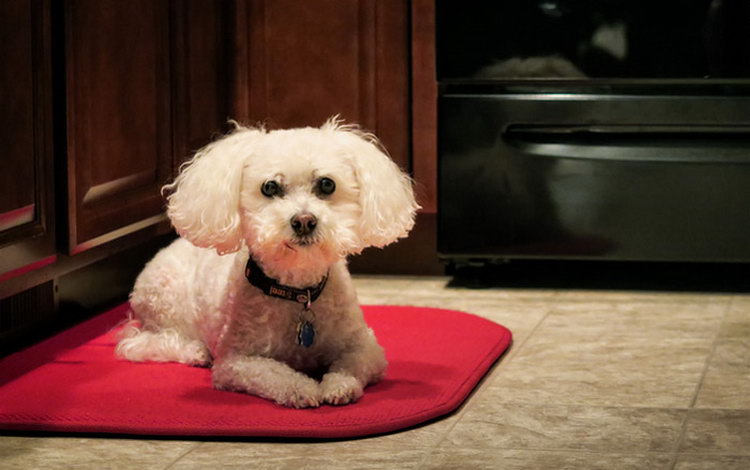
Photos of Bichon Frise puppies and dogs
Read also:


Add a comment