
Beagle Harrier
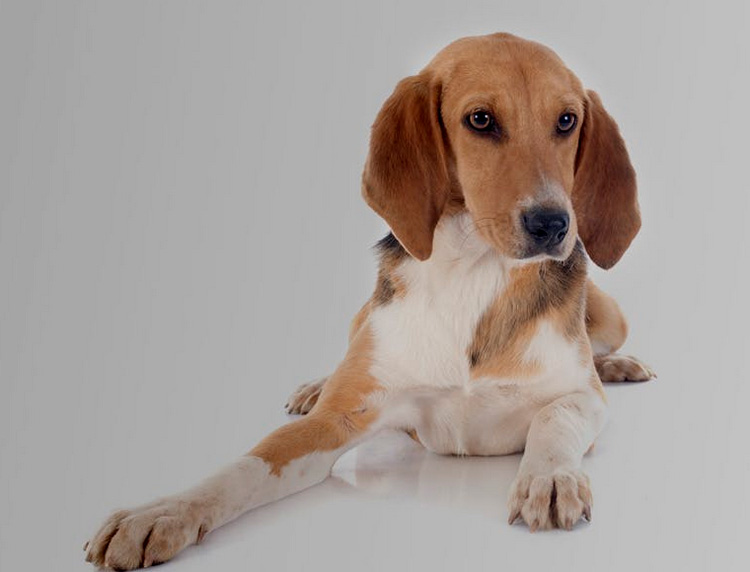
The Beagle-Harrier is a medium-sized, sturdy, tricolor hound with a strong hunting instinct. It is friendly and affectionate among family members. The appearance of these dogs shows traits of the Beagles and Harriers from which they descend. However, it is a distinct breed, recognized by many canine associations, including the FCI.
Content
History of origin
There are several conflicting theories about the origin of the Beagle-Harrier. The word "harrier" itself has ancient French roots and means "hunting dog," so it can be assumed that the earliest harriers originated in Central Europe and were the result of crossing the Talbot Hound. bloodhound And basset houndBeagles were developed in Great Britain. By the mid-18th century, two types of hare-hunting hounds had already emerged: the Southern Hound (from which the modern Harrier descended) and the Northern Beagle. However, the ancestor of the modern Beagle was a dog bred in the mid-19th century from Northern Beagles, scent hounds, and other breeds.
The Beagle-Harrier was developed in France in the 19th century by crossing a Beagle and a Harrier with the goal of producing a medium-sized dog while maintaining its hunting qualities. It's unclear to whom breed lovers owe the credit. Authorship is often attributed to Baron de Gérardron, a French artist with Italian roots, but many find this theory implausible.
Usage
The Beagle-Harrier is used for hunting foxes and hares. It is best suited for working in a pack. The dog is very fast with an excellent sense of smell, works well in any terrain, and is not afraid to navigate dense thickets. It can also be used for hunting deer, rabbits, and roe deer. It can follow a blood trail, but recently it has increasingly become a companion for active people. It is not well suited for various types of canine sports. except coursing.
The Beagle-Harrier is a tracking hound bred for working performance.
Appearance
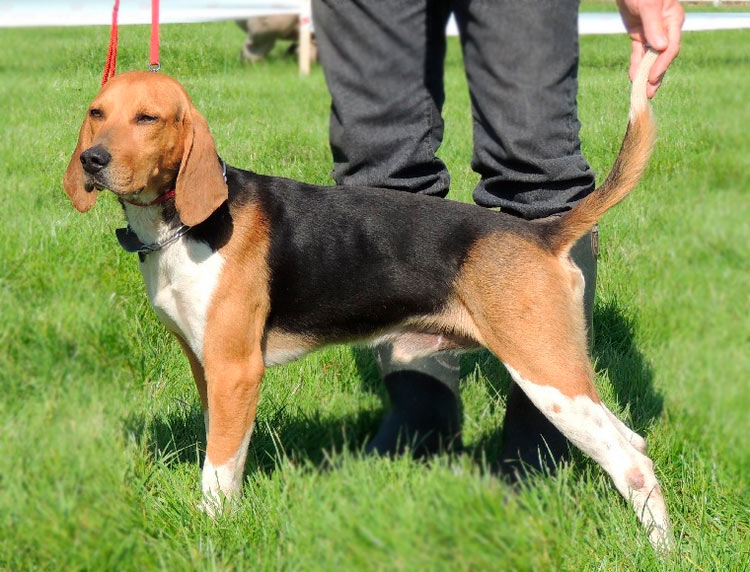
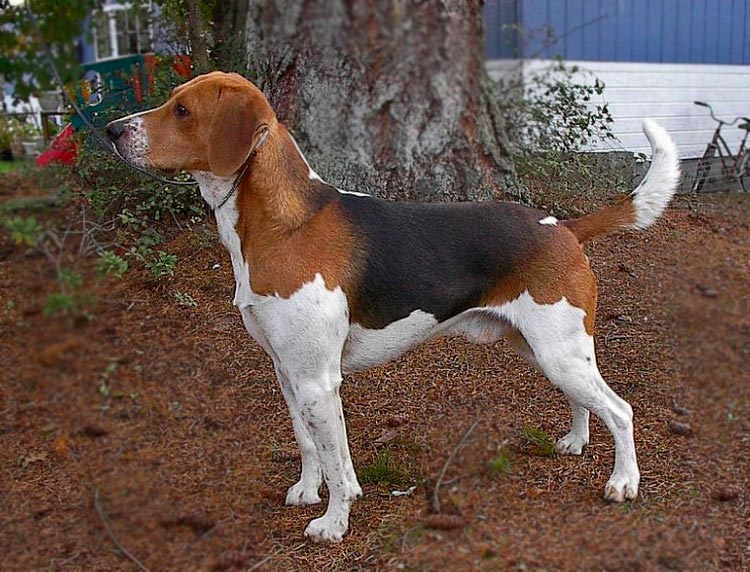
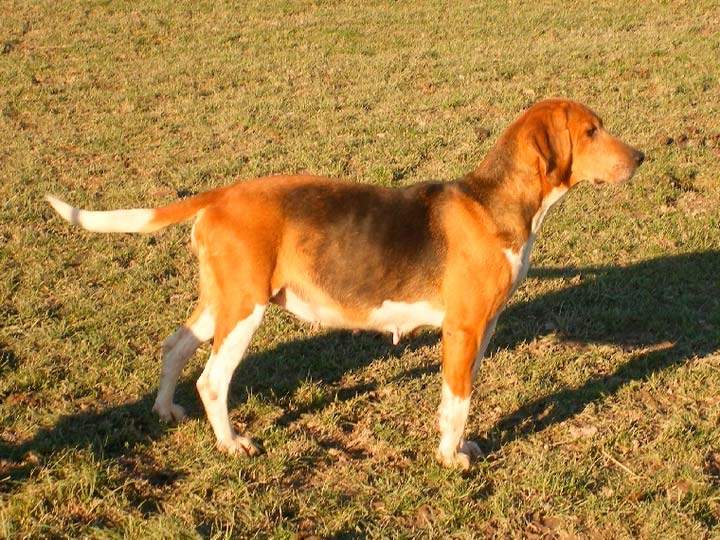
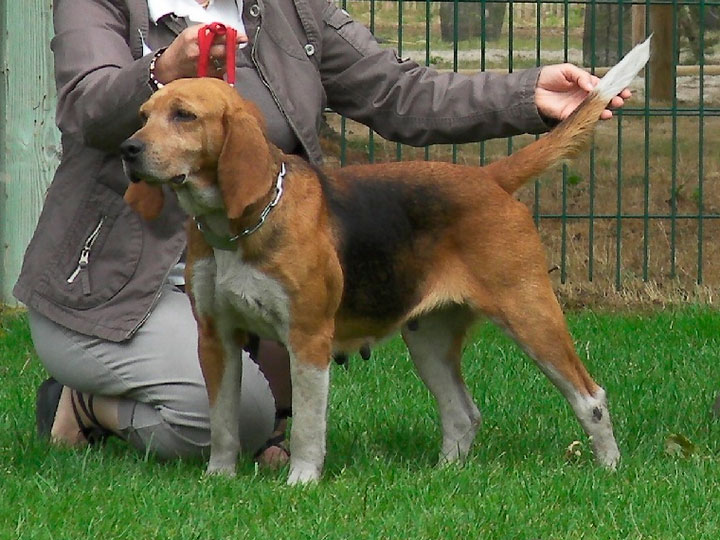
The Beagle-Harrier is a medium-sized, agile and energetic dog with excellent balance, a strong build, well-muscled, and a short coat. Gender is clearly visible. Height at the withers is 45-50 cm.
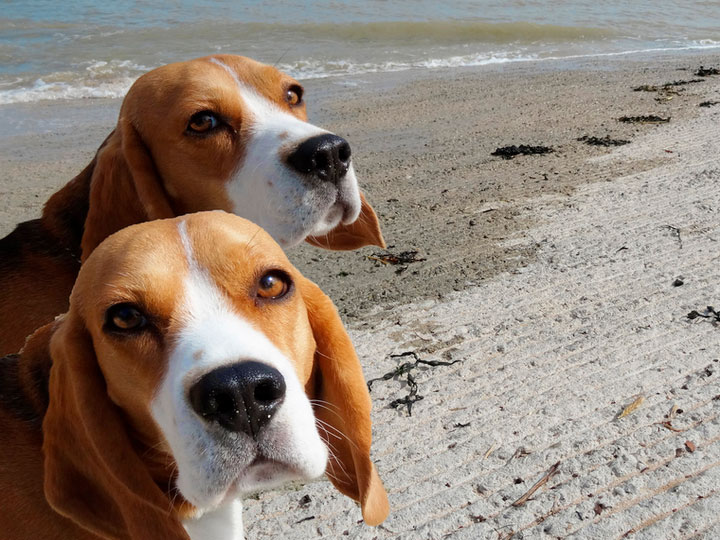
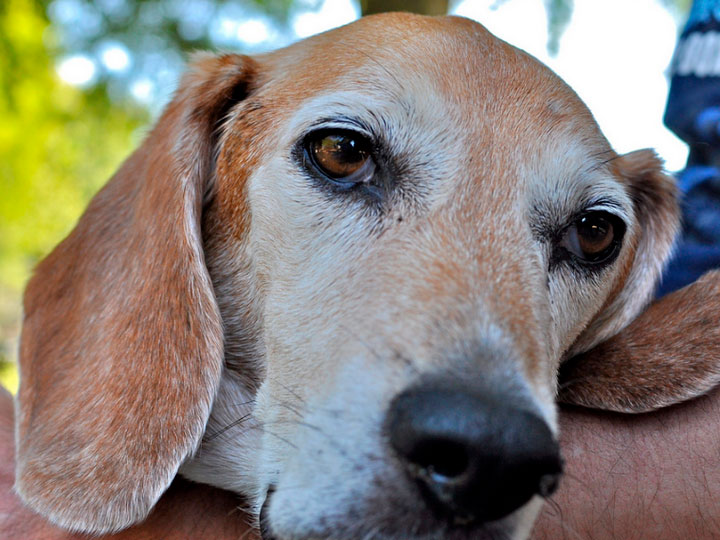
The head is of moderate size. The skull is quite capacious and broad. The stop is moderate. The muzzle tapers slightly toward the nose. The bridge of the nose is straight. The nose leather is well developed and black. The eyes are dark, open, with a lively, intelligent expression. The ears are short, moderately wide, set at eye level, and hang close to the skull. The tips of the auricles are turned outward, and in the middle part they form small folds.
The back is straight and short. The loin may be slightly arched and strong. The chest is deep. The ribs are moderately rounded, with long false ribs. The belly is not too tucked up. The legs are straight, parallel, and strong. The paws are strong, tightly knit, and short. The pads are elastic and thick. The gait is stable, energetic, and elastic.
The coat is not too short, lies close to the body, and is dense. The color is tricolor:
- Red with white and black saddle. The transitions between the colors are not too sharply defined. The tan markings range from reddish-brown to dark fawn.
- Red with white and grey tan.
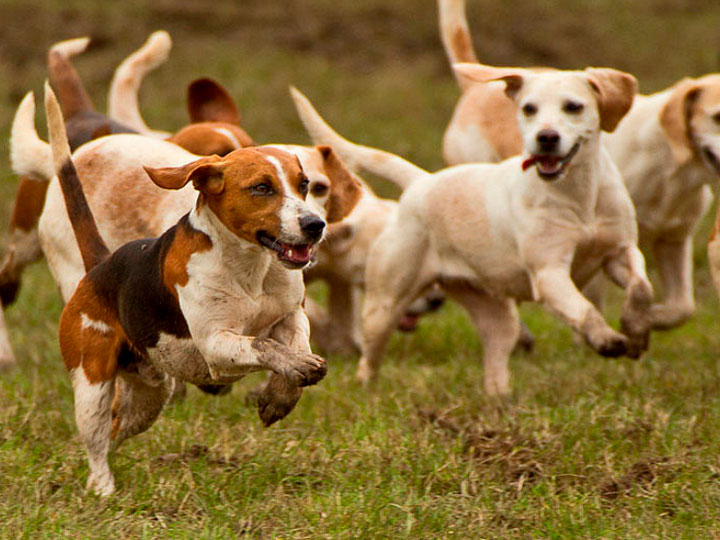
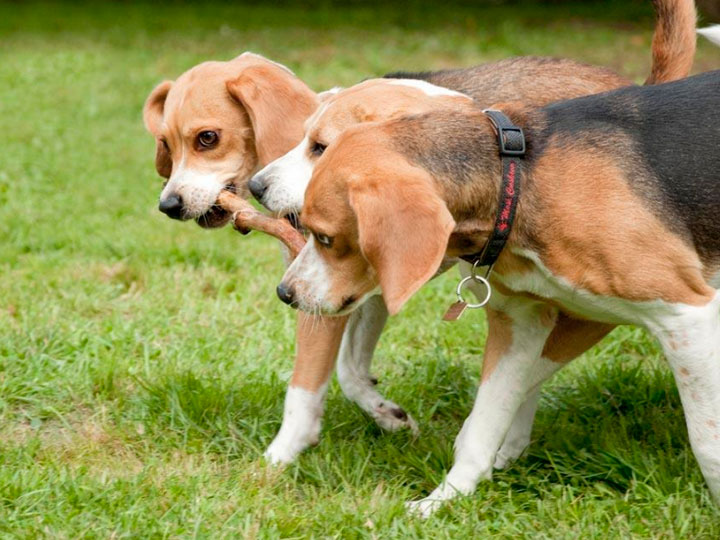
You can see what a red, grey and white Beagle Harrier looks like in the photo gallery below.
Character and behavior
In character, temperament, and behavior, the Beagle Harrier is a typical hunting dog, adapted to work in a group and alone. It has a gentle nature, is energetic, friendly, and never shows aggression toward other dogs. The Beagle Harrier forms a strong bond with its owner and other family members. It gets along well with house cats if raised with them. However, neighborhood cats will never be its friend. The Beagle Harrier gets along well with children of all ages. It is very curious and mischievous, but can often be careless and get into trouble.
First of all, the Beagle-Harrier is a hound dog with a well-developed sense of smell, a pronounced pursuit instinct, tenacity, passion and malice towards animals.
Owners say Beagle-Harriers have a great sense of humor, are known for their antics and mischief, are very sociable, and prefer to be more than just a family dog. They will bark loudly to alert their owners to anyone approaching the house, whether animals or people. They will greet acquaintances with a joyful wag of their tail, and will quickly find common ground with burglars and help find valuables. Generally, Beagle-Harriers are very talkative, and will communicate with other dogs and people using a variety of sounds, including moans, sighs, whines, growls, mutters, and, of course, barks.
The Beagle Harrier is a natural-born hunter, but this does not prevent him from being a wonderful family dog and companion.
Education and training
In experienced hands, the Beagle Harrier is highly trainable. It responds only to positive training methods. It can be very stubborn. Its response to commands is weak when it comes to everyday life, but when hunting, it is obedient and owner-oriented, although it is inclined to work independently. Puppies can be very difficult. On a leash, they are reluctant to interact or follow commands, and off-leash, it is almost impossible to engage them in training.
The Beagle Harrier definitely needs socialization and training in basic rules and commands.
Content Features
In France, Beagle-Harriers are kept in large enclosures in packs. Individually, they are not well suited to kennels, requiring a lot of attention and interaction, and do not tolerate extreme cold well. The ideal environment for a Beagle-Harrier is a private home with a large yard, where they can spend a lot of time moving. The fence should be high enough so that the hound can easily climb a 1.5-2 m high fence if it becomes interested in something outside. They are also excellent shrews. Electric fences are not effective for hunting breeds. Short-term pain won't stop these "adventurers." Beagle-Harriers can be kept in an apartment, but difficulties may arise due to their excessive energy, tendency to bark and howl excessively, and need for extensive walks. If Beagle-Harriers don't get the exercise they need, they can become destructive, nervous, and unruly.
The Beagle-Harrier is a very energetic and freedom-loving dog that absolutely needs to walk in open areas.
Beagles require long walks. For this reason, they are not suitable for homebodies or people who are unwilling to spend hours in the wild. It is also important to consider the dog's strong hunting instinct and curiosity, which drives it to constantly find a scent and follow it at a speed that would be impossible for a human. The Beagle-Harrier enjoys various active games and can become a jogging or cycling companion, but not before the age of one year.
Care
Beagle-Harriers shed moderately. Seasonal shedding is especially noticeable; the rest of the year, with regular grooming, hair loss is minimal. Brush the coat with a fine-toothed brush or a special mitt for short-haired breeds 2-3 times a month. Clean the ears, trim the nails, and wipe the eyes as needed. Owners also recommend accustoming the dog to having its teeth brushed at least once a week from puppyhood. This will prevent plaque, tartar, and other dental problems in adulthood. Bathe as needed, but no more than once a month.
A healthy Beagle-Harrier's coat is thick, short, shiny, and very soft on the ears.
Health and life expectancy
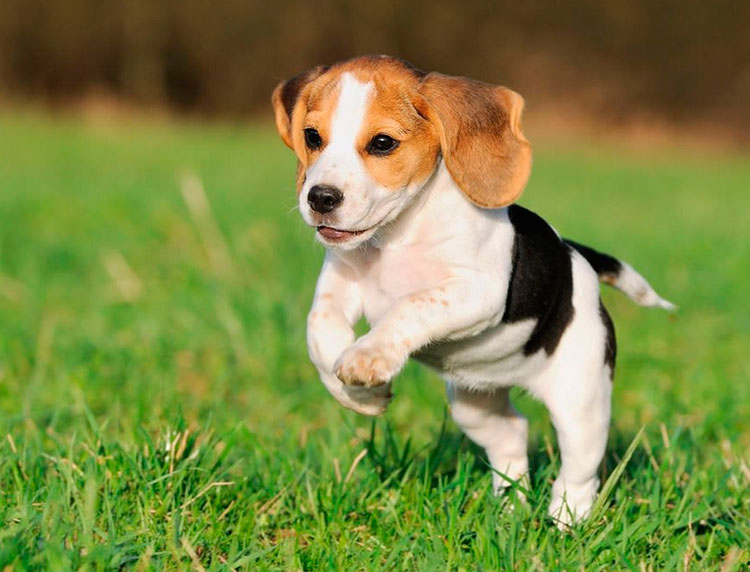
The Beagle-Harrier is considered a healthy breed. Most dogs, when properly cared for and fed, rarely get sick. The only known hereditary health problems are hip dysplasia and some ophthalmological problems. The life expectancy is 12-15 years.
Where to buy a Beagle-Harrier puppy
Beagle-Harriers are rare outside of France. A few breeders exist in other Central European countries and the United States. In Russia, only a few representatives of the breed are found. It's best to look for a puppy through foreign breed clubs or at major dog shows. The likelihood of finding Beagle-Harrier ads for sale on sites like Avito is very slim.
The Beagle-Harrier is an established breed that has existed for over 100 years. A Beagle-Harrier cross cannot be considered a purebred dog.
Price
The price of a Beagle Harrier puppy in Europe typically ranges from 1,000 to 2,500 euros. In the US, a Beagle Harrier costs an average of $500.
Photos and videos
In the gallery you can see photos of Beagle-Harrier dogs in traditional colors and white-red-gray.
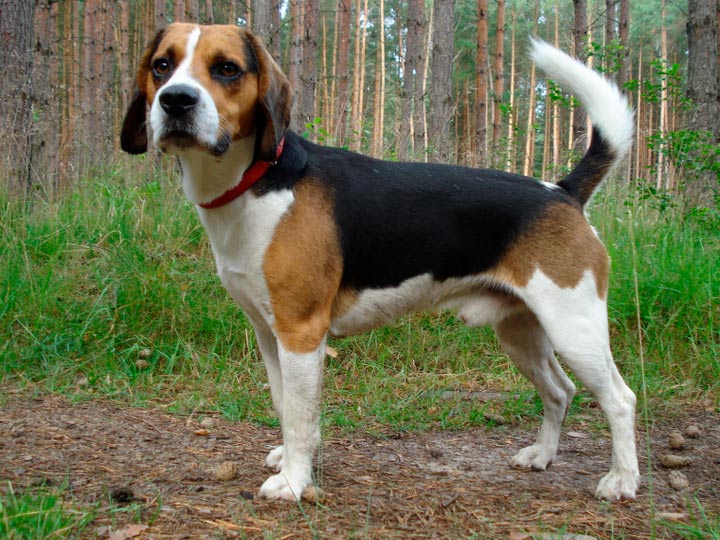
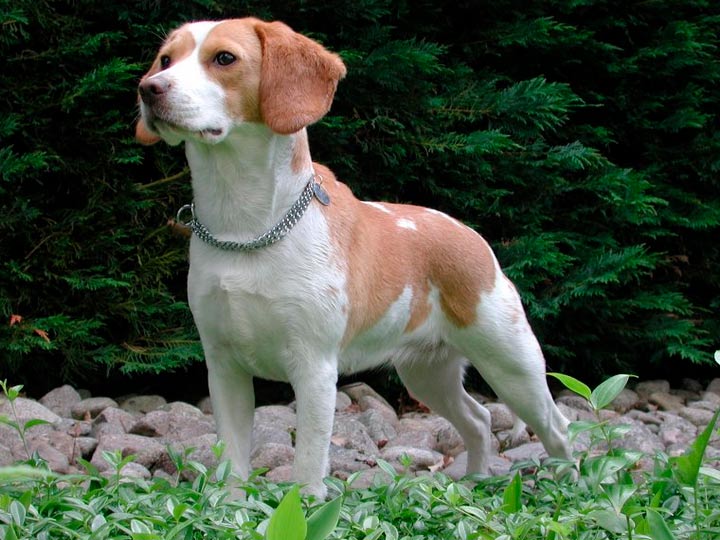
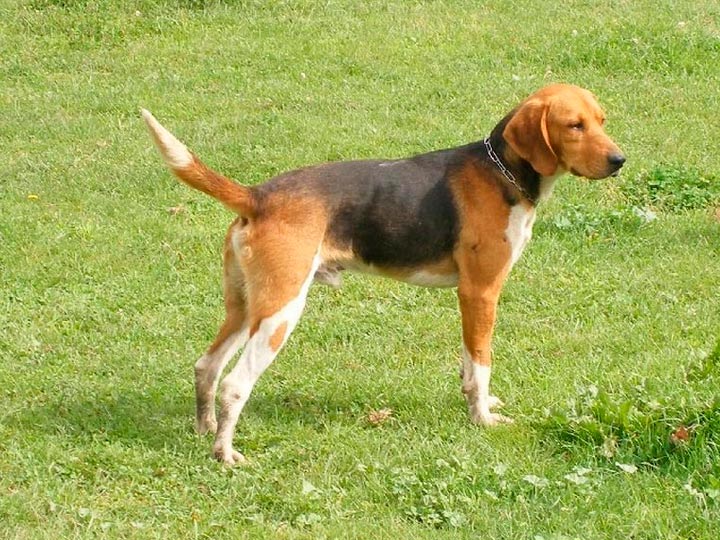
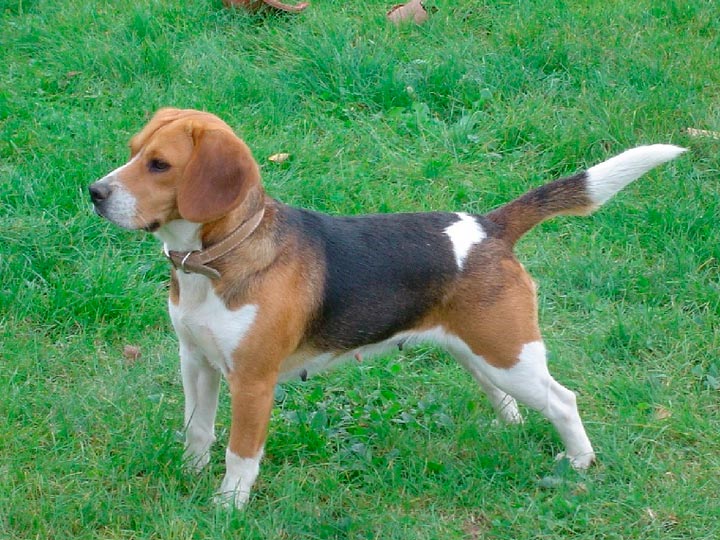
Video about the Beagle-Harrier dog breed
Read also:


Add a comment