
Cat-Safe Houseplants
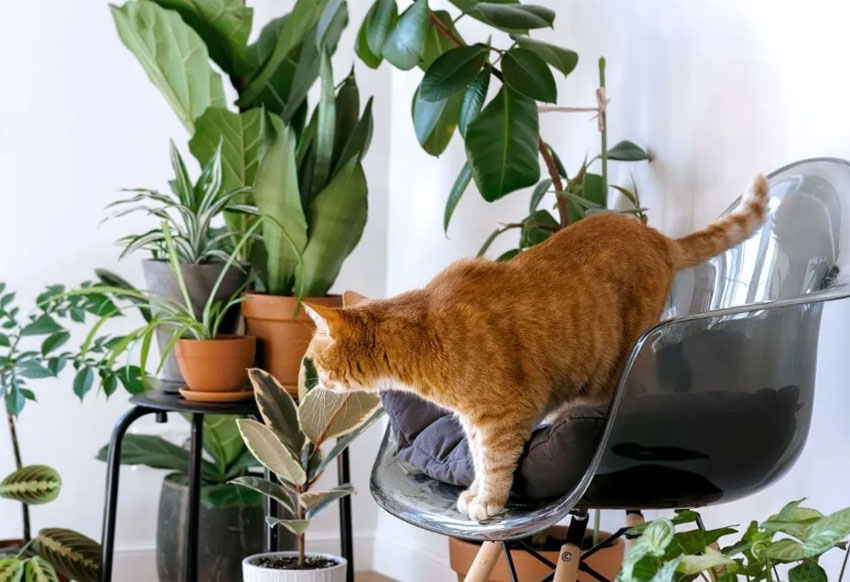
Many cat owners note that their pets are very interested in plants growing in the garden or on the windowsill. Naturally, the question arises: what non-toxic (cat-safe) houseplants and flowers can be kept to prevent accidental poisoning of their pets.
Content
What dangers can indoor flowers pose?
Cats' instincts tell them that plants can be beneficial and perfectly suitable for consumption, as this is how animals heal and cleanse their stomachs in the wild. Plants, by producing toxic substances, in turn protect themselves from a wide range of natural pests. This is one of their defense mechanisms, like the sharp thorns of a rose or cactus.
Unfortunately, a house cat doesn't know that many exotic flowers on the windowsill are not only beautiful but also poisonous. Simply biting one of these toxic flowers or eating a leaf can cause severe poisoning.
Poisonous plants
If you have a cat, dog, or parrot living in your apartment that might be interested in the branches or leaves of a flowerpot, do not bring such indoor flowers into the house.
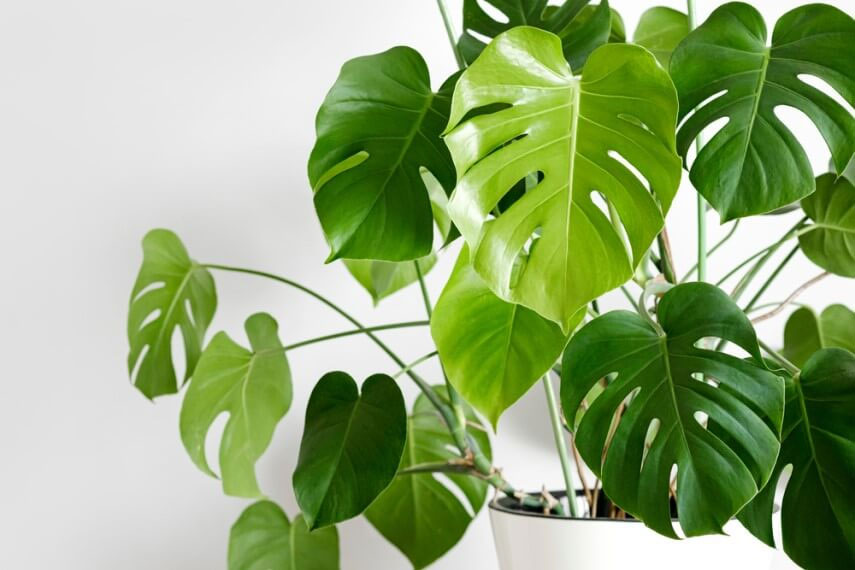
Monstera
This tropical vine is easy to grow and fits beautifully into any interior, but its sap is extremely toxic and can cause severe poisoning, laryngeal swelling, and respiratory arrest, even if an animal simply bites a leaf. Even a small amount of sap, if it comes into contact with mucous membranes, causes severe inflammation and pain.
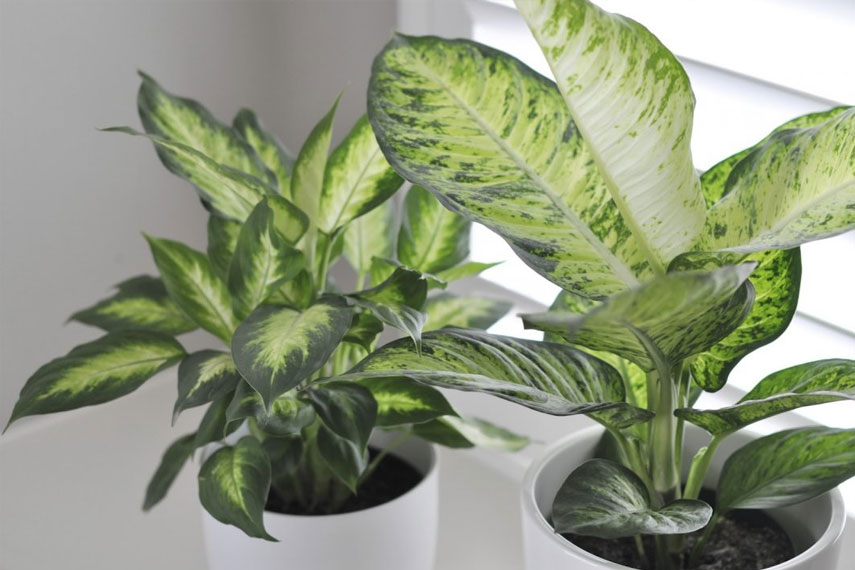
Dieffenbachia
It's also toxic, like the monstera. It can cause irreversible damage to the mucous membranes and even lead to blindness if the plant's sap gets into the eyes.
Azalea
Despite the incredible beauty of its flowers, azaleas are dangerous not only to cats and dogs, but also to humans. The poison contained in their sap causes swelling of the larynx and central nervous system depression, which can lead to seizures and irregular heartbeats.
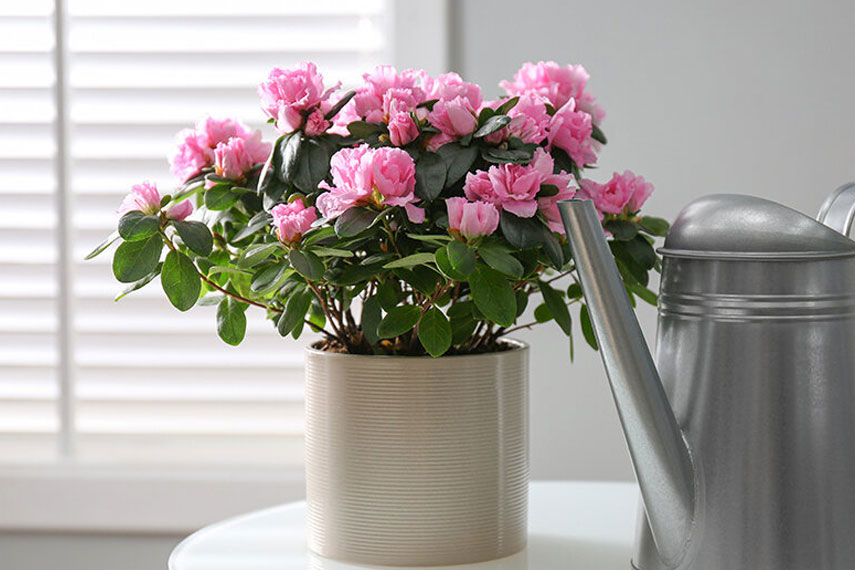
The flower is not recommended for growing in apartments or in rooms where children may be brought.
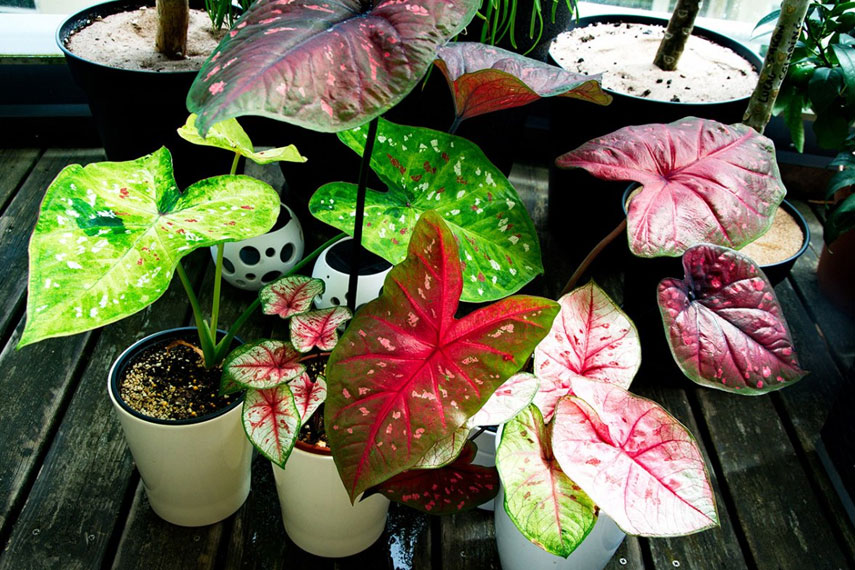
Caladium
The plant's vibrant, colorful, and diverse leaves make it one of the most popular living home decorations, but its beauty in photos can be deceiving, and if your pet bites a leaf, it could end up in a veterinary clinic with symptoms of severe poisoning.
Begonia
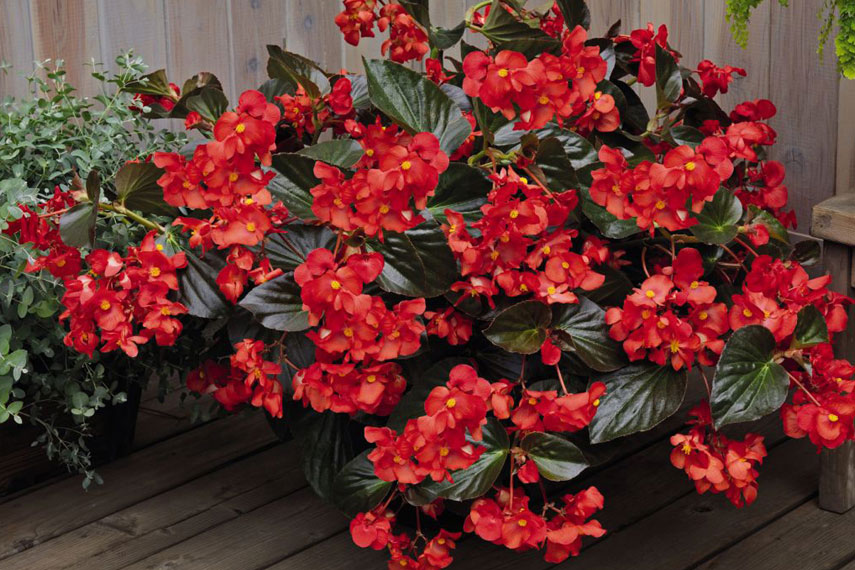
Many varieties of begonia can be found in the homes of our compatriots today, as the flower delights with its unique leaf shape and beautiful, long flowering period. However, the plant's sap contains oxalic acid, which, when in contact with mucous membranes, causes a rather severe burn and allergic reaction.
Hyacinth
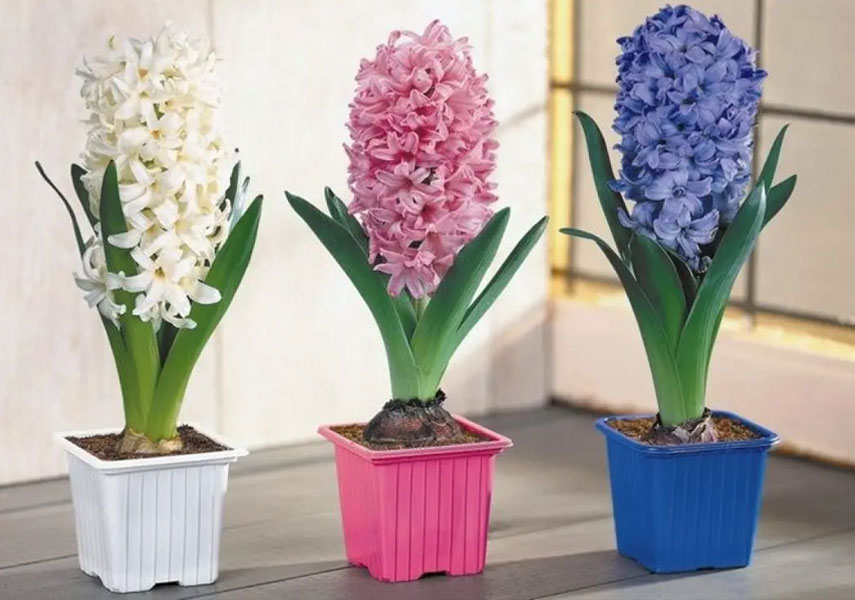
This popular spring flower is dangerous to pets not only if they bite the bulb, stem, or leaf, but also if they inhale the pollen! The poison affects the nervous system, can cause impaired coordination, and trigger symptoms of heart failure.
Dracaena
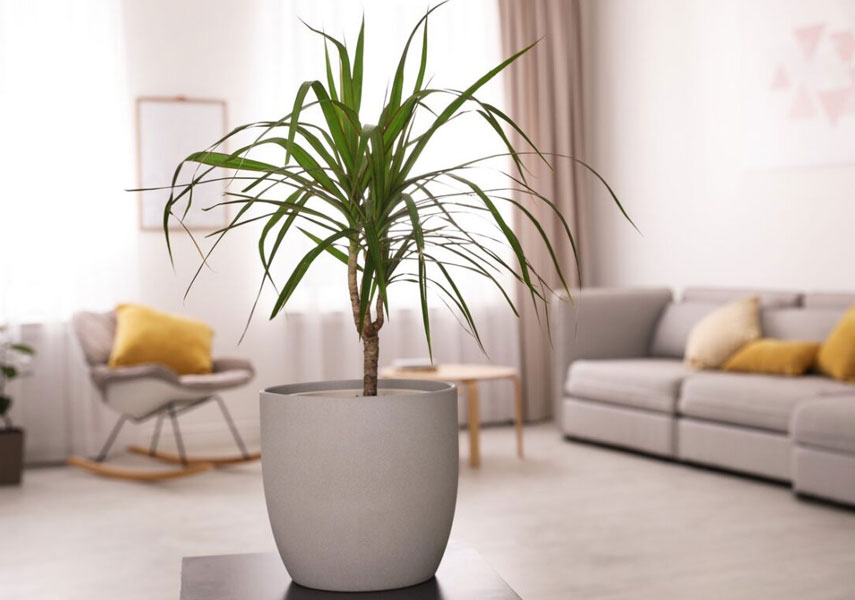
The plant's long leaves are tempting for cats to play with, but the palm is dangerous because, if ingested, it can cause swelling of the larynx, vomiting, and coughing fits.
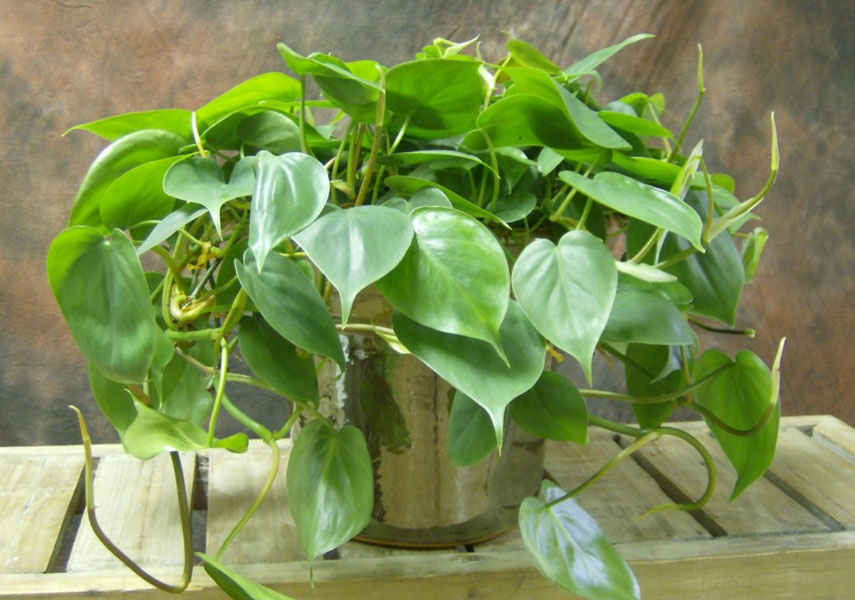
Philodendron
Another dangerous vine, which, when eaten by animals, can cause not only inflammation of the mucous membrane, but also serious kidney problems.
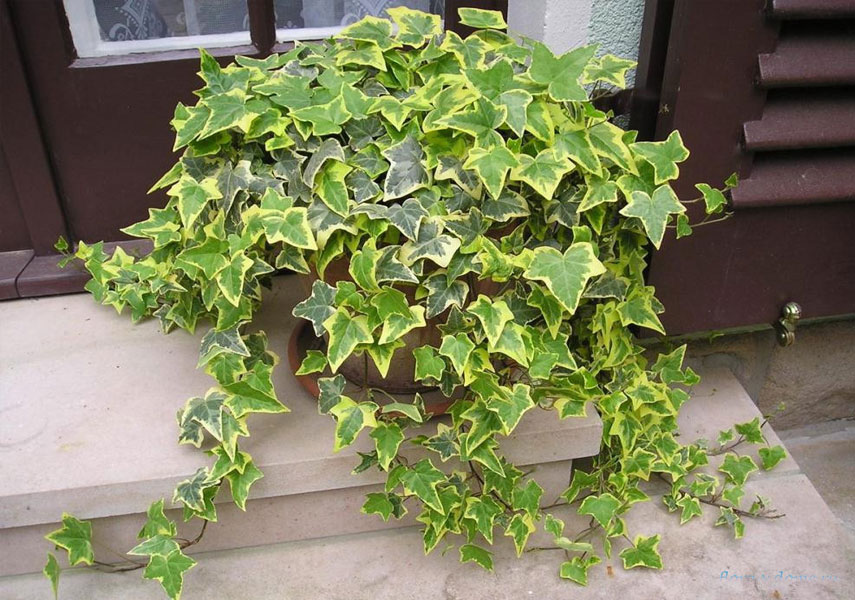
Ivy
Indoor and garden varieties of this vine can cause organ failure in animals, so be wary if your cat is allowed outside and ivy is growing in your garden or in a nearby park or forest.
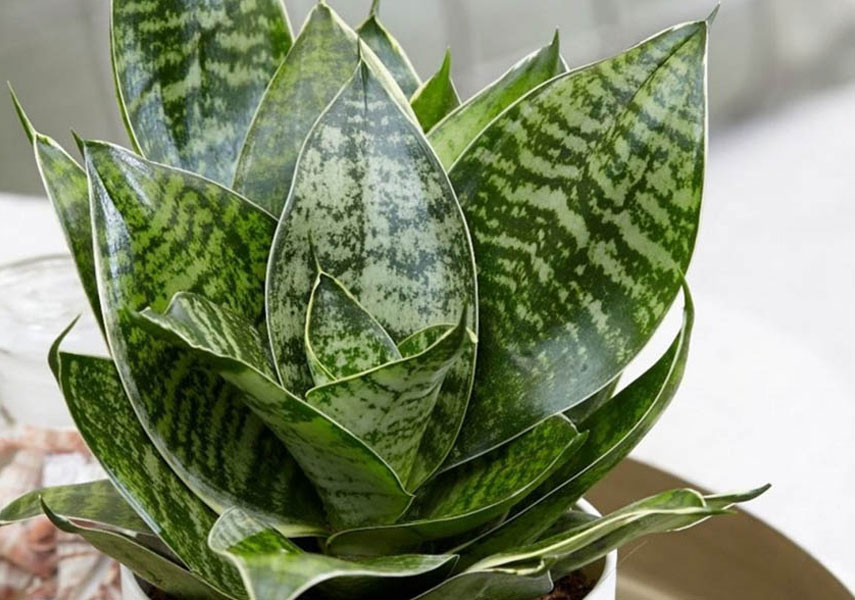
Mother-in-law's tongue
Sansevieria can cause severe pain if a cat decides to taste it.
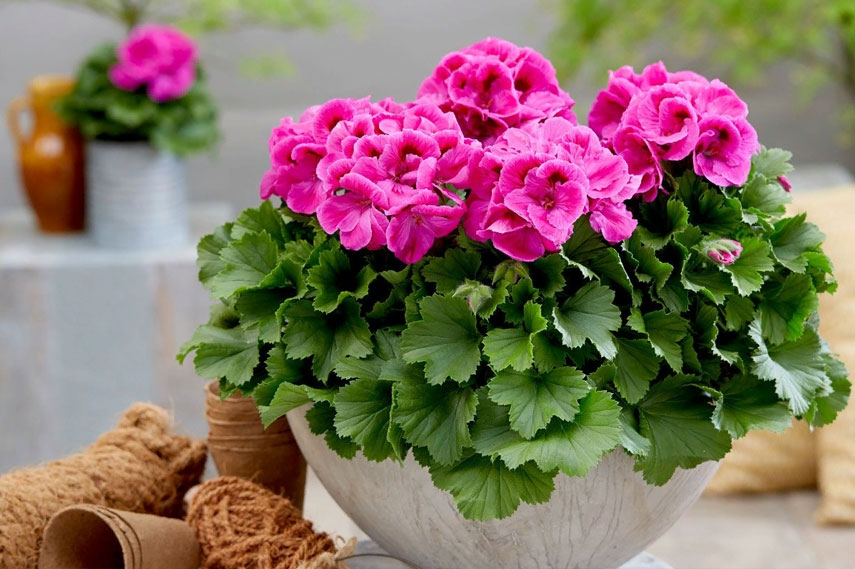
Geranium
Houseplant lovers often debate whether geraniums are dangerous for cats. The plant doesn't cause fatal changes in the body, but it can cause severe stomach upset.
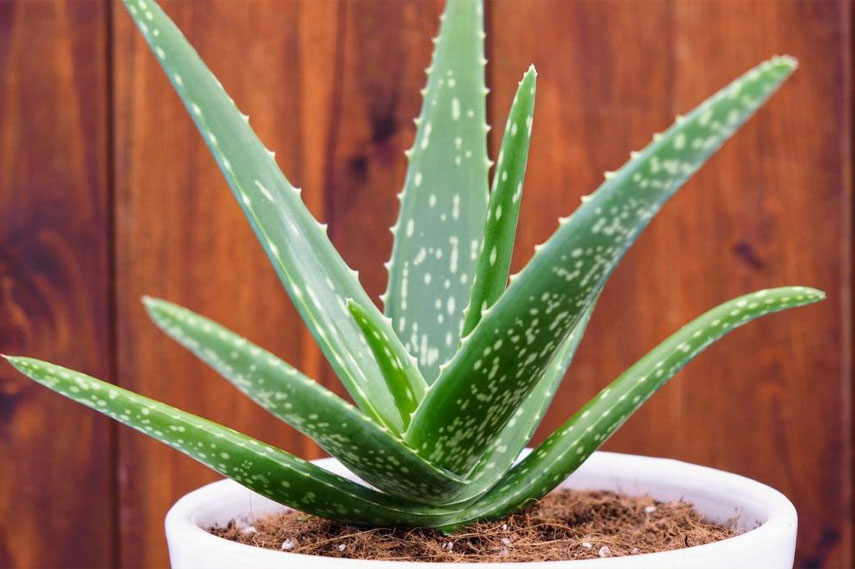
Aloe
Many people know about the amazing healing properties of aloe vera juice, but this flower poses a serious danger to pets. Even small amounts of aloe vera venom can cause severe poisoning.
The list of potentially dangerous plants is quite large and also includes flowers growing in garden plots, namely:
- calla;
- lilies;
- chrysanthemum;
- iris;
- tulip;
- narcissus;
- buttercup;
- oleander;
- hogweed;
- arbor vitae;
- boxwood.
It is also worth remembering that these flowers can be dangerous for cats, even if brought into the house in bouquets.
Plants that influence cat behavior
While these plants are generally safe for cats, they should not be kept indoors or planted in your yard.
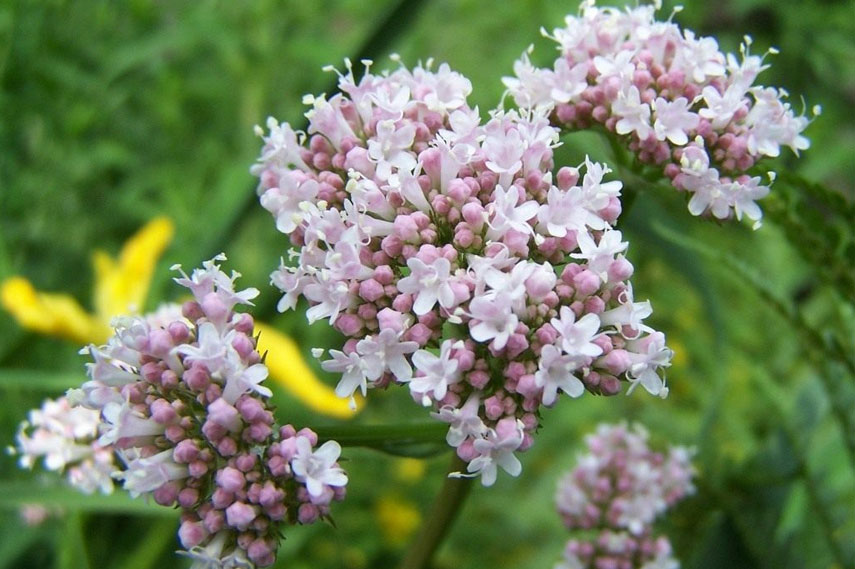
Valerian
Cats' love of valerian is well known—after consuming it, pets experience excitement, followed by euphoria, similar to alcohol intoxication. When consumed in large quantities, it can cause hallucinations, panic attacks, and uncontrollable behavior. Therefore, owners should be aware that valerian is harmful to pets if consumed unsupervised.
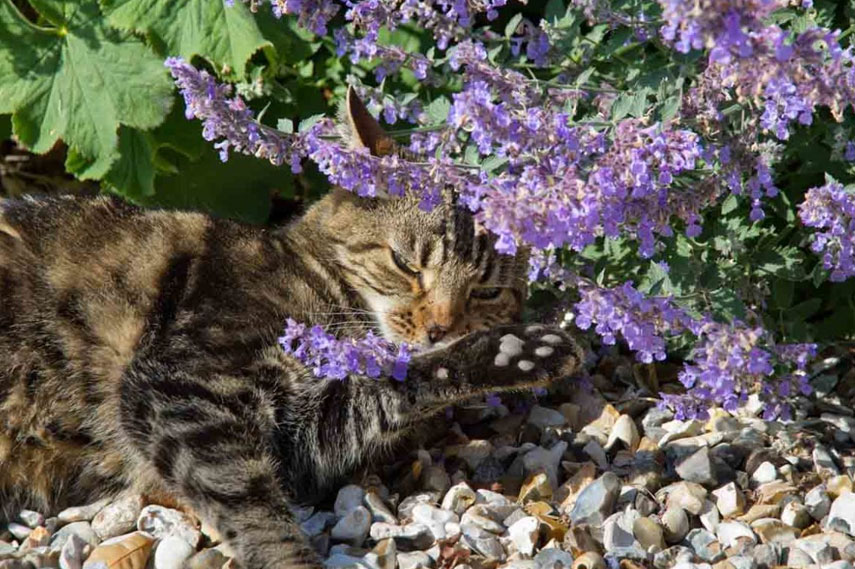
Catnip
This plant can also be classified as “safe”, but not recommended for uncontrolled use.
Giving cats mint is possible and even necessary to promote relaxation, improve mood, and increase appetite and activity. We've covered the effects of mint on pets and why it's important to monitor their consumption in more detail in the article "Peppermint ball for cats".
Safe flowers for cats
Naturally, not all plants an animal might encounter on a windowsill or in the garden pose a danger. There are also non-poisonous plants, and fortunately, there are quite a few of them.
Veterinarians recommend planting only cat-safe indoor plants in homes with pets.
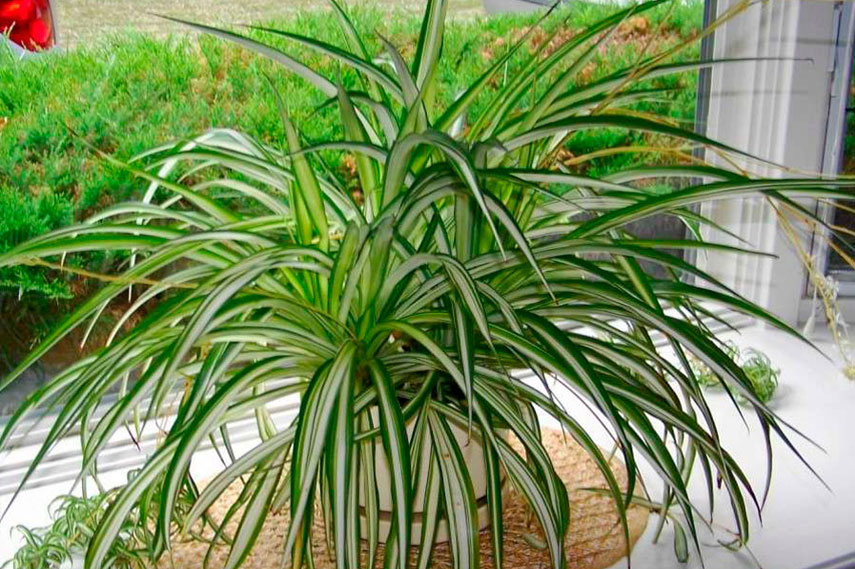
Chlorophytum
An excellent option for the home, it helps purify the air and fits perfectly into any interior.
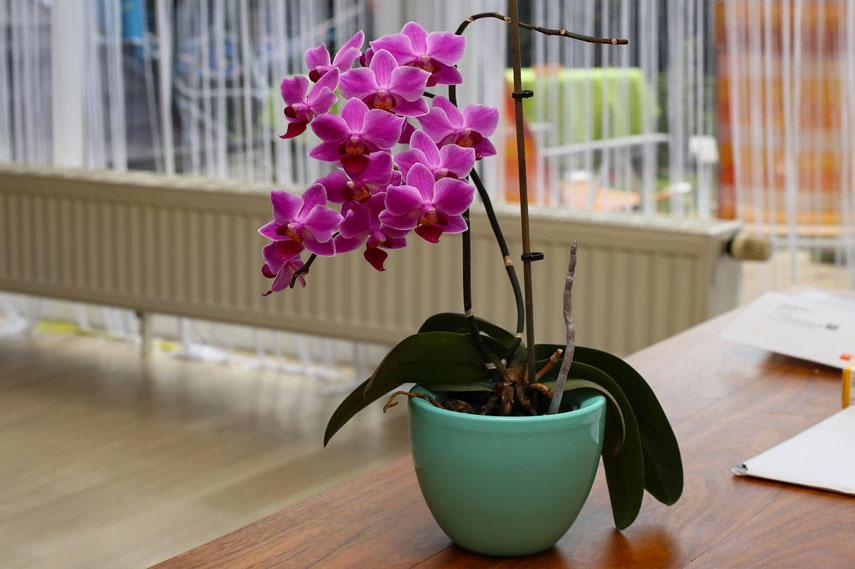
Orchid
The plant is not easy to care for, but it is incredibly beautiful and safe for pets.
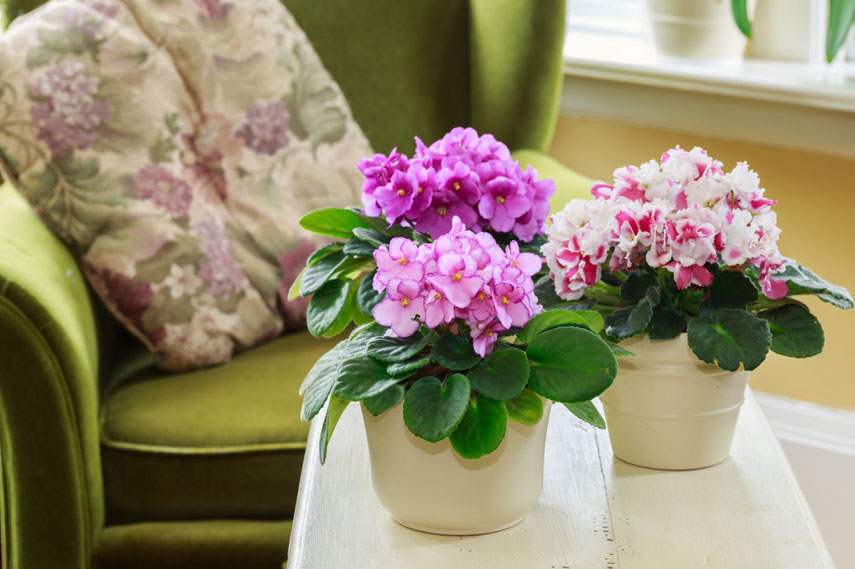
Violets
Easy-to-care-for and easy-to-propagate flowers that can be kept in rooms where cats live.
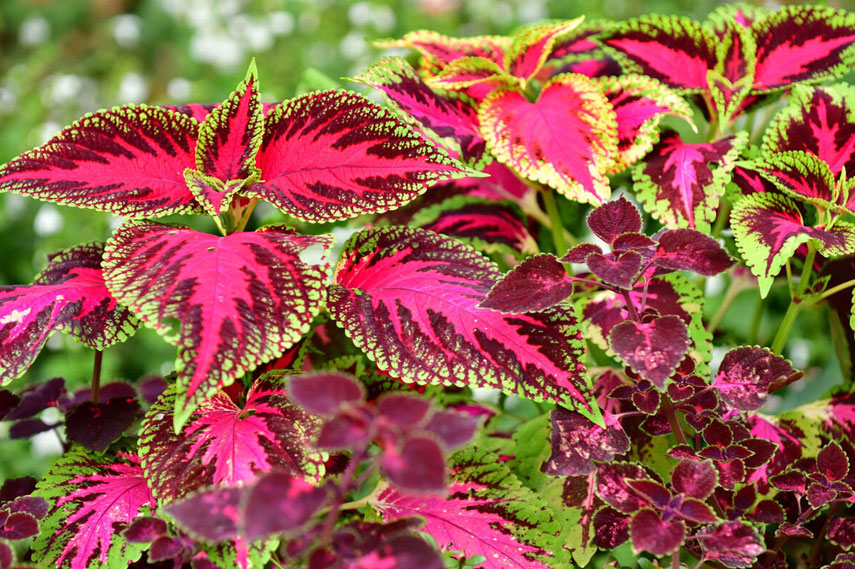
Coleus (nettle)
The vibrant leaves of coleus will delight you all year round. Like chlorophytum, the flower is completely safe for cats, even if they dare to taste it.
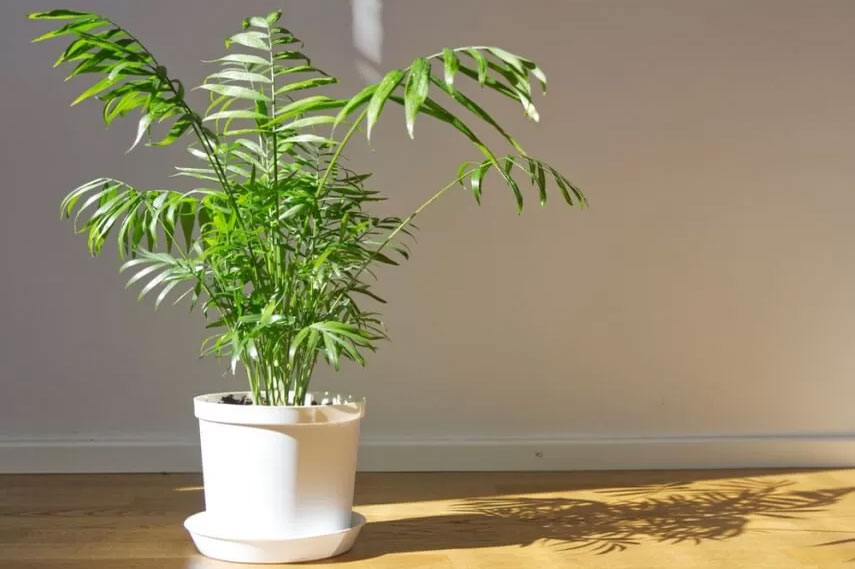
Chamaedorea
A great option for palm leaf lovers, the Chamaedorea will be a safe addition to your home and will definitely not harm your cat, even if it becomes interested in the beautiful leaves.
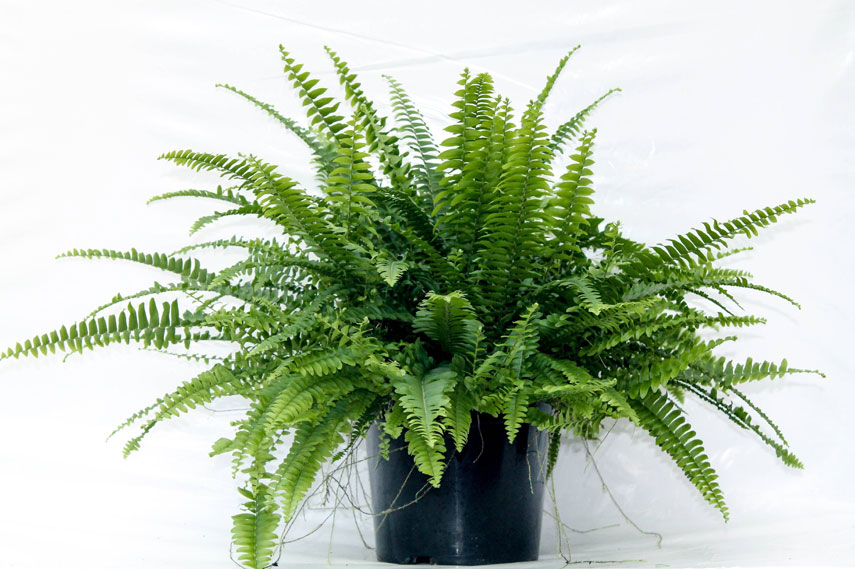
Boston fern
Another idea for those looking for evergreen, non-toxic houseplants that will create a cozy atmosphere and require little maintenance.
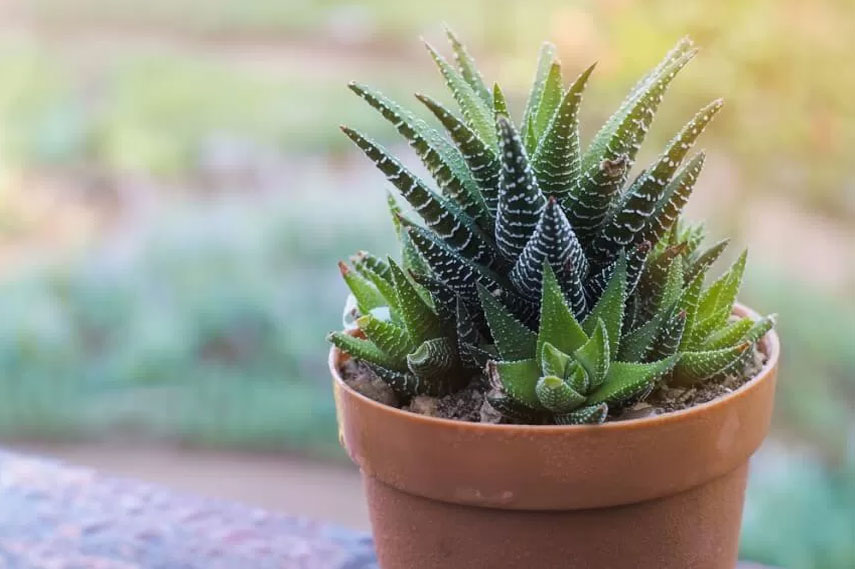
Haworthia
A succulent with beautiful colors. Unlike aloe, cats can chew on this flower without any ill effects.
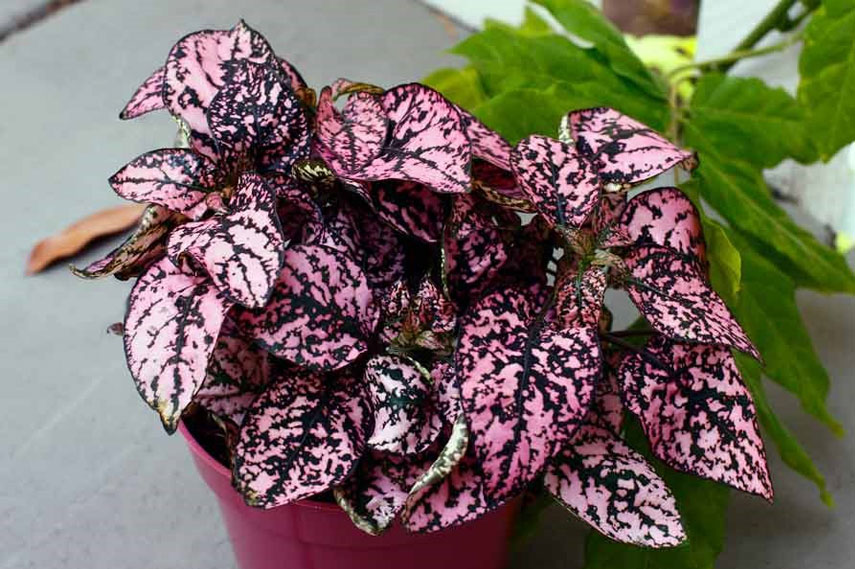
Hypoestes phyllospicata
The whimsical foliage of this beautiful plant and its non-toxic properties make hypoestes an excellent companion for cats.
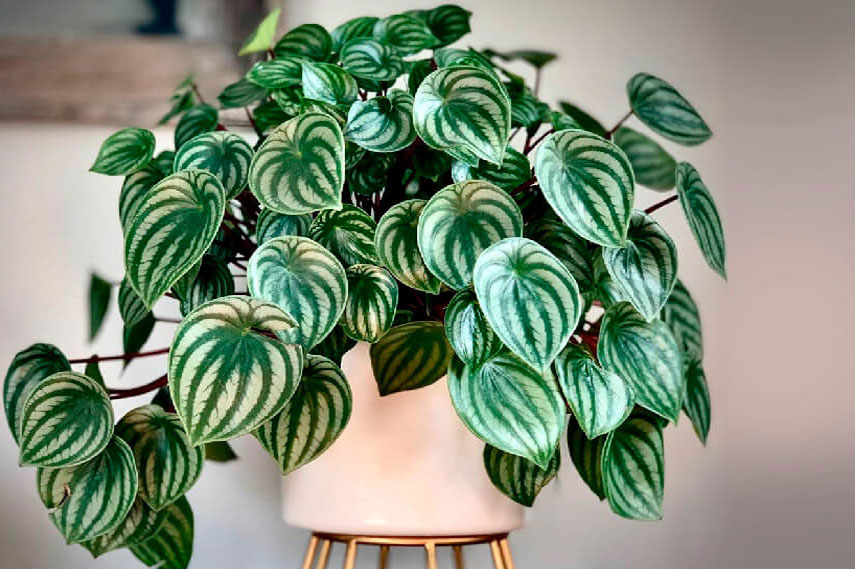
Peperomia
The flower easily propagates using leaves and grows quite quickly, so even if a cat damages the "bear ears," you can quickly restore the pot, and your pet will not be harmed.
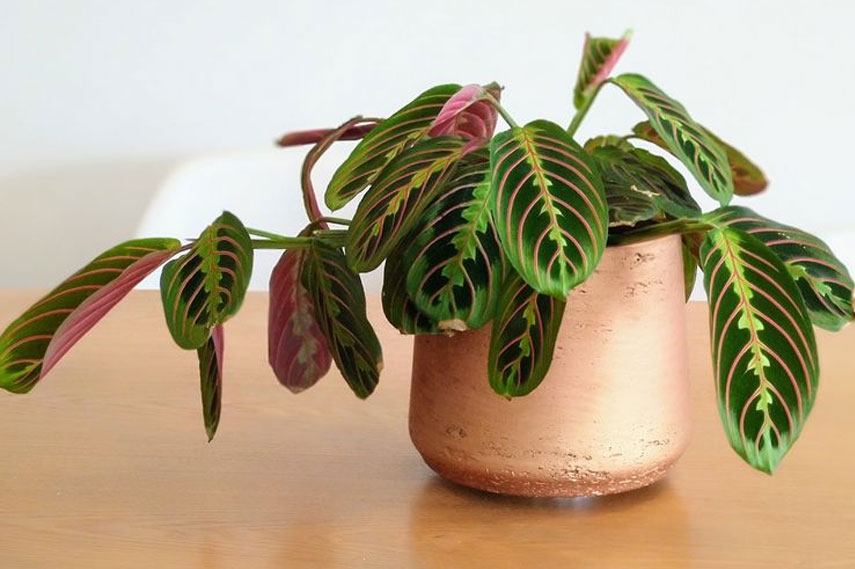
Maranta
The flower attracts attention with its large leaves of unusual color, but is completely harmless to animals.
For more safe plants for your home, watch this video:
You can also grow non-poisonous plants in your garden without fear of harming your pet:
- classic mint;
- lemon balm;
- lemongrass;
- basil;
- thyme;
- rosemary;
- marigold;
- pansies;
- Echeveria;
- lavender;
- fern;
Conclusion
Read more about thatHow to stop a cat from damaging flowers and plantsWe've already covered this on the "Usatiki" website. In this article, you'll find 5 simple ways to protect your flower from your pet.
We suggest continuing our list of plants that are safe and undesirable for homes with pets. Share which flowers you had to remove for your beloved pet, and which plants you now grow in your house or apartment, by leaving your story in the comments.
Read also:
- Why does a cat constantly lick itself?
- Why does a cat sleep with its owner's head on its pillow?
- Why do cats smell delicious?


Add a comment