
Bergamasco Shepherd Dog (Bergamasco)
The Bergamasco, or Bergamasco, is an ancient Italian herding dog breed that is very difficult to confuse with any other. Its heavy, long coat forms cords or flat patties, and its typical color is gray. Bergamascos have a docile, good-natured nature, are easy to maintain, energetic, and hardy. They can make excellent companions or be used for their intended purpose, as herding dogs. They are not well suited to apartment living.
Content
History of origin
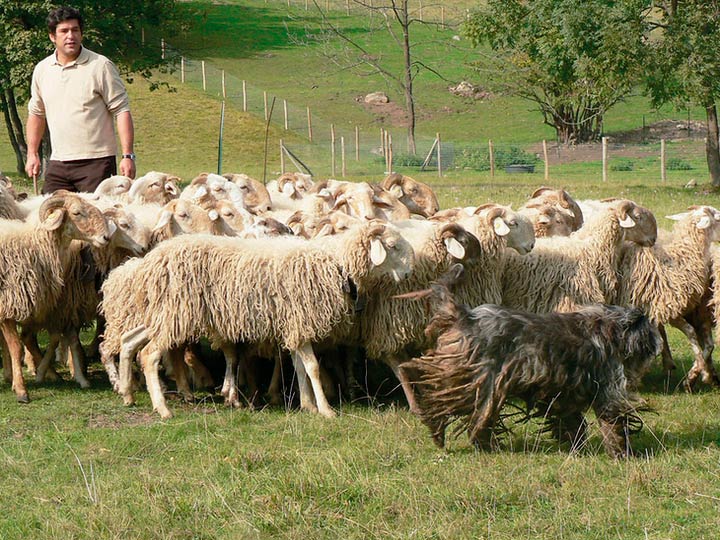
The ancestors of the modern Bergamasco Shepherd have been found in the Alps and neighboring regions since ancient times, but the majority of the population was concentrated in the Bergamo Valley, where sheep breeding was widespread. A 16th-century painting attributed to Lorenzo Lotto depicts a dog similar to the Bergamasco. shepherd dogBut they likely appeared much earlier. Bergamasco Shepherds are classified as cattle dogs. Throughout history, they were tasked with accompanying, gathering, and guiding livestock, working independently or in close contact with humans. They were successful not only with goats and sheep, but also with cows.
The breed was developed by shepherds and farmers under the rigors of natural selection. In the 1890s, Marcus Paolo began targeted breeding work with the highly diverse Bergamasco dogs of the time and succeeded in establishing it as a distinct breed. He also authored the first standard for the Bergamasco Shepherd (Italian: Cane da pastore bergamasco). The Bergamasco studbook was established in 1891. In 1949, the National Club for the breed was established, recognized by the Italian Kennel Club and the FCI. This attracted attention to the breed in Italy and Switzerland, but did not contribute to its widespread popularity. The Bergamasco Shepherd is among the rarest breeds in the world.
Video about the Bergamasco Shepherd dog breed:
https://youtu.be/6aVDSKn-CKw
Appearance
The Bergamasco is a medium-sized, sturdy herding dog with a thick, long coat that covers all parts of the body and forms well-matted tangles. The body is square, harmoniously built, and well-muscled. Males stand approximately 60 cm tall and weigh 32-38 kg. Females stand 56 cm tall and weigh 26-32 kg.
The overall outline of the head resembles a parallelepiped. The skull is wide and rounded between the ears. The length of the skull is equal to the length of the muzzle. The stop is well defined. The muzzle tapers noticeably toward the tip of the black nose. The lips are thin and well pigmented. The jaws are well developed. The teeth are complete, with a scissor bite. The eyes are large, brown, with a calm, attentive expression. The eyelids are slightly oval. The eyelashes are very long. The ears are set high, with two-thirds of the triangular auricle hanging on cartilage, and the tips are slightly rounded.
The topline of the neck is slightly arched, with a well-defined crest. The withers are clearly defined. The lumbar region is slightly convex. The croup is moderately sloping, the back is straight and broad. The chest is full, reaching down to the elbows. The tail is set in the lower third of the croup, thick at the base, tapering to a long, saber-shaped tail, and carried higher than the back when moving. The limbs are straight and harmoniously proportioned. The paws are oval, with strong, well-arched toes with elastic pads and pigmented nails.
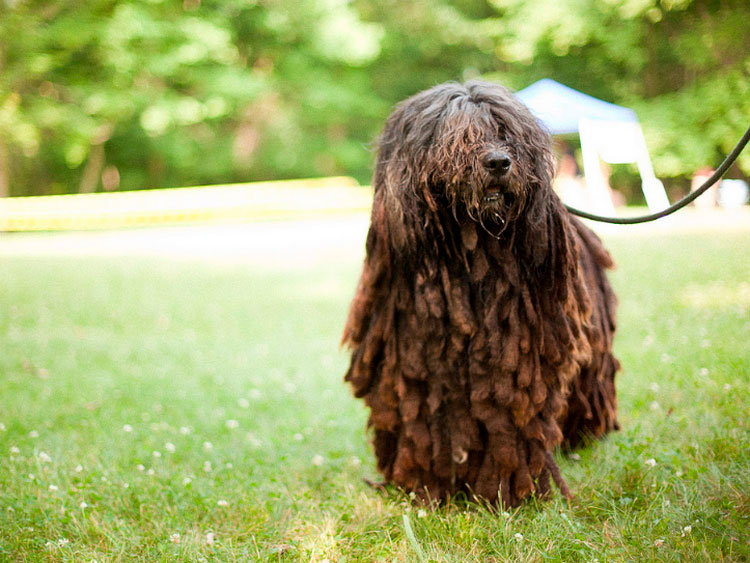
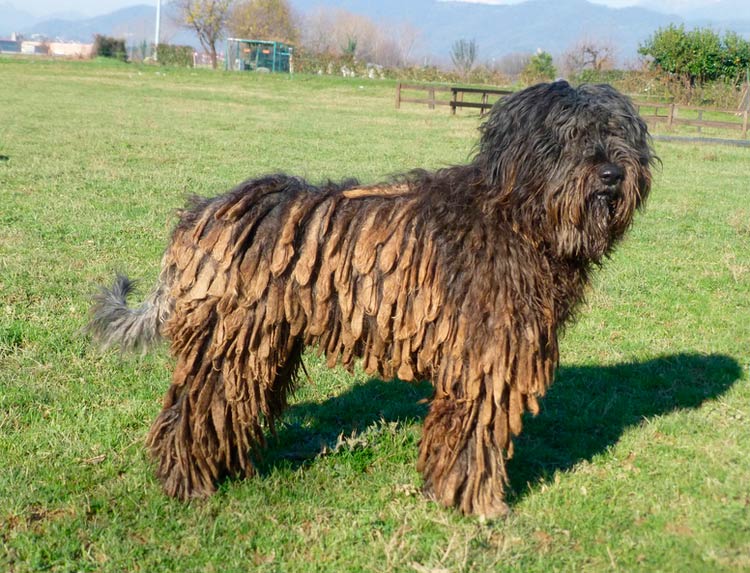
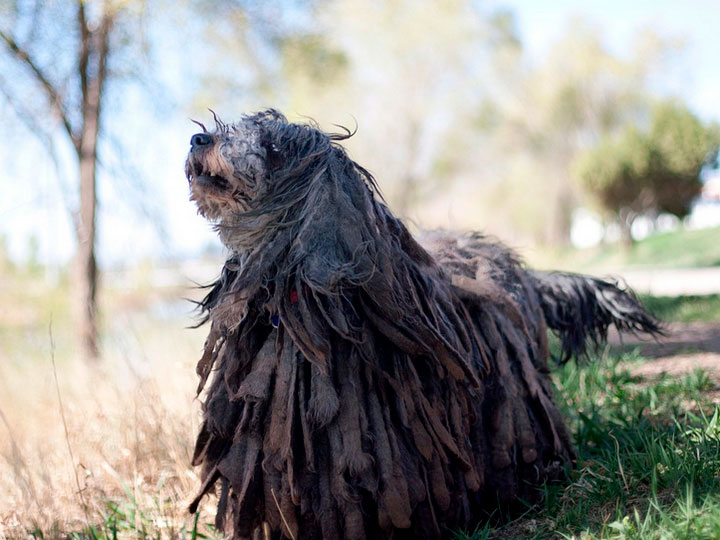
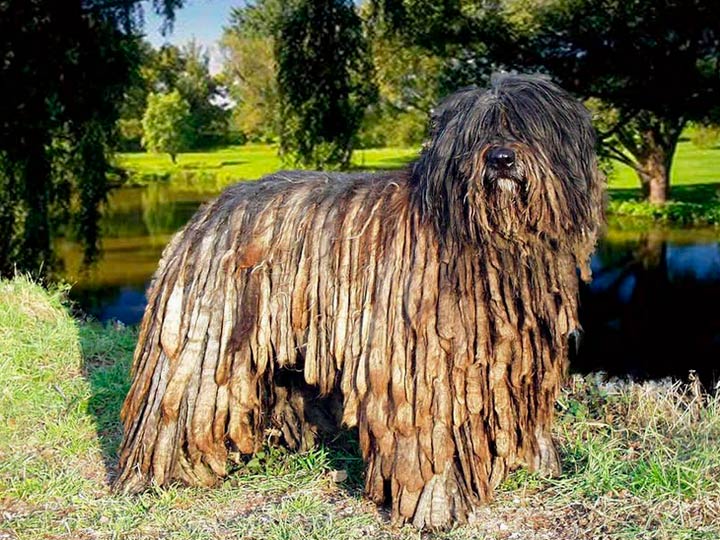
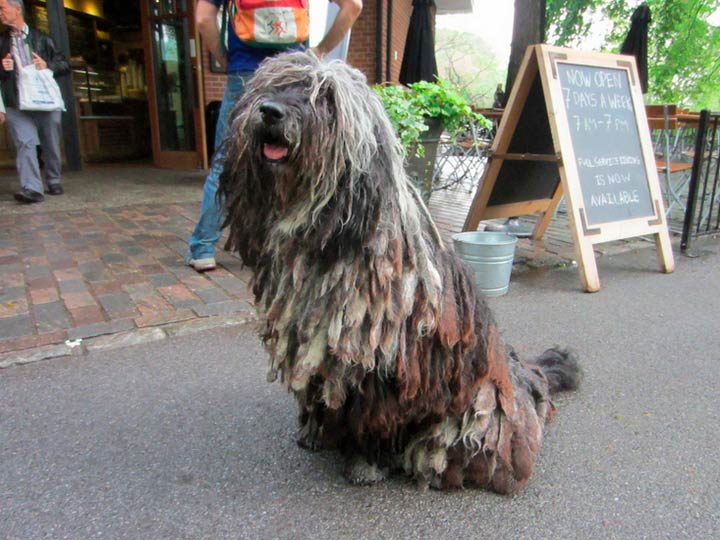
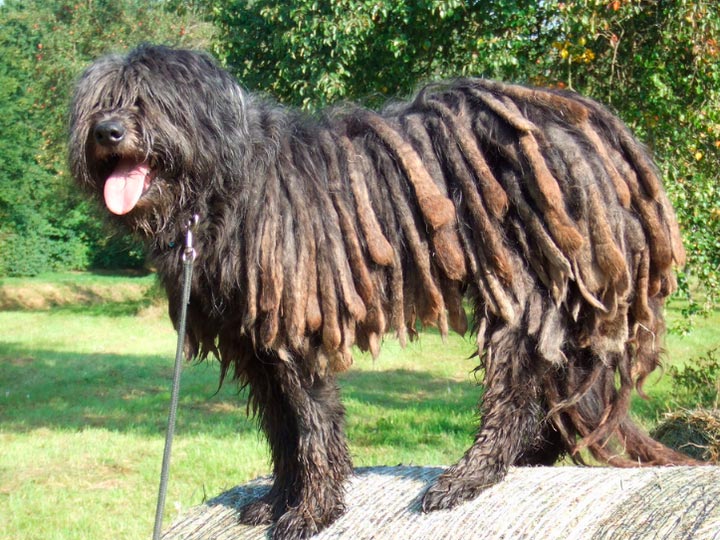
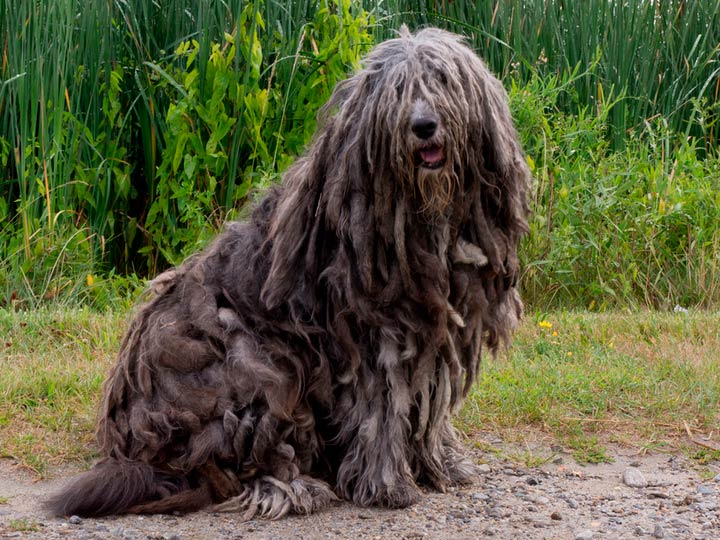
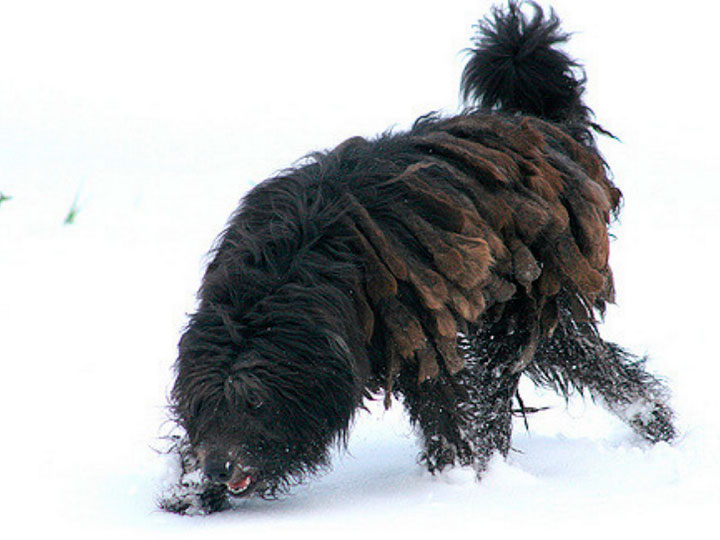
The skin is tightly fitting and thin all over the body, without dewlaps, folds, or wrinkles. The coat is abundant, thick, shaggy, and very long. It feels rather coarse and harsh to the touch, especially on the front of the body, reminiscent of goat's fur. As it grows, it forms uniform cords or mats that cover the dog like a solid shell. The cords may reach the ground. On the head, the coat is shorter, with strands covering the eyes, ears, and muzzle. On the legs, the coat falls evenly in soft strands. The undercoat is very short and dense, completely covering the skin, and feels greasy to the touch. Only a few breeds have this type of coat: Komondor, bullets, Spanish Water Dog and Bergamasco itself.
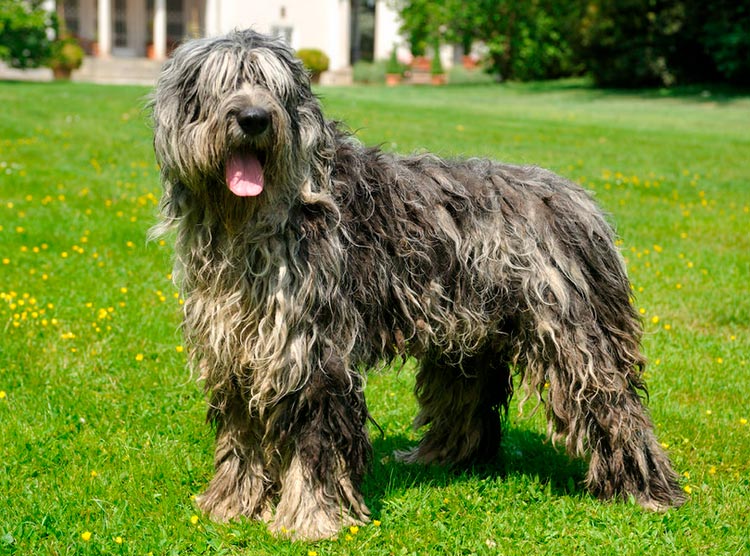
The Bergamasco Shepherd's coat is gray with spots in a variety of shades, from light gray to charcoal or black, as well as isabella and light fawn. White spots are possible, provided they do not exceed 1/5 of the total.
Character and behavior
The Bergamasco Shepherd has a balanced, friendly temperament. It's intelligent, sensitive, and obedient, making it a versatile dog. It loves to learn and has innate patience. It views its family as a herd that must be kept together and protected. It's very alert, always aware of everyone's location and activities. The Bergamasco Shepherd makes a good companion for both adults and children. Due to its sociability and lack of aggression, it's not a bodyguard, but it will defend if necessary, especially when it's protecting a child. It views even older children as its wards or equals. It usually sees one adult as the leader, but obeys everyone equally.
The Bergamasco Shepherd forms strong bonds with all family members and dislikes being left alone for long periods. It is willing to follow its owner anywhere and everywhere. It has strong watchdog qualities, but does not bark unnecessarily. As befits a herding dog, it is agile and energetic, and very owner-oriented. It can work independently when necessary, but responds immediately when given a command. It is extremely resilient and persistent in its work, yet is able to independently regulate its workload.
Modern Bergamascos have retained their working qualities and are often used for their intended purpose, assisting in herding livestock, rounding up strays, blocking passage, and, with proper training, can even isolate a specific group or herd from the rest. When farm life is not feasible, they enjoy sport herding.
Education and training
The Bergamasco Shepherd, with its lively and intelligent nature, is very easy to train, and raising a puppy rarely presents difficulties. Its endurance, sociability, and willingness to work make it a virtually universal dog. It excels in obedience competitions, can be used as a guide dog, and can also be used in various search and rescue operations.
The Bergamasco is strong and courageous enough to guard its family and property, but it is not customary to train this dog for protection. Its friendly and non-aggressive nature makes it ill-suited for this type of work. Bergamasco breeders test for the herding instinct, which is an integral part of the breed.
Content Features
The ideal environment for a Bergamasco Shepherd is a private home or farmyard, but not a closed pen or on a short leash. They adapt poorly to apartment life, even with adequate exercise.
To maintain both physical and psychological health, it's important for the Bergamasco Shepherd to receive adequate exercise. This doesn't mean leash walks, but rather free running and playing with its owner and fellow dogs. Furthermore, extended outdoor time is essential for ventilation and maintaining a clean coat. The Bergamasco Shepherd tolerates cold and moderate frosts well. Extreme heat can be a bit more challenging.
Care
The Bergamasco Shepherd's coat grows at a moderate rate and fully forms the breed's typical dreadlocks by 2.5 to 3 years of age. The guard hairs grow continuously, and the undercoat, when shed, intertwines with the topcoat and forms mats, so seasonal shedding is very minimal.
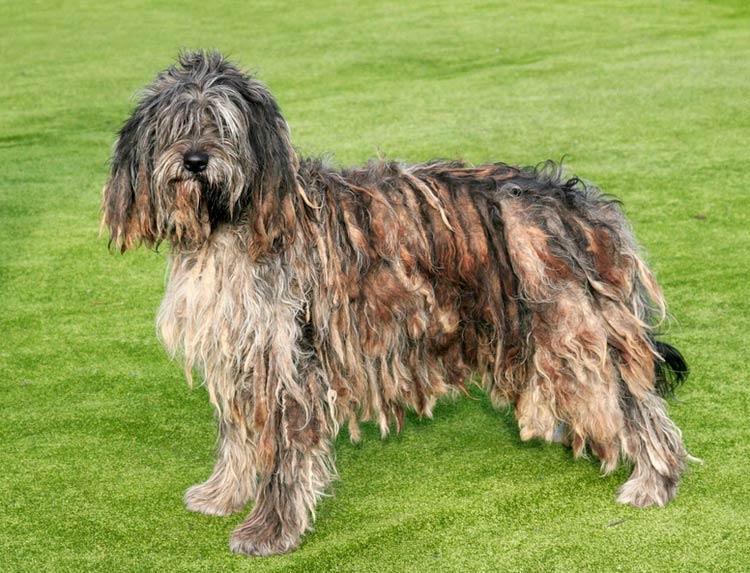
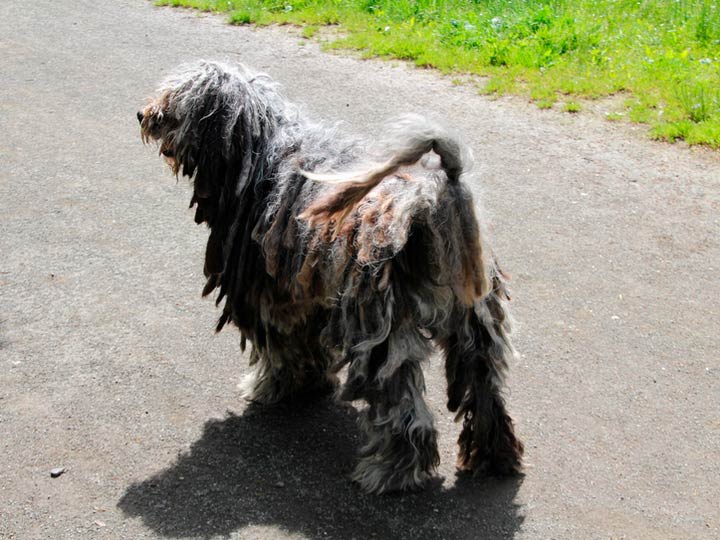
Until a year old, a puppy's short coat requires only regular brushing and occasional washing. From 1.5 to 2 years old, the hair begins to mat. During this period, monitoring and care are necessary. The curls should be untangled by hand from time to time, helping them form neat, natural mats. Later, care should be taken to ensure the hair around the genitals, nose, armpits, and groin is combed and free of matting. The hair above the eyes and around the mouth is lightly trimmed. In female dogs, the characteristic curls tend to form more easily. Bathing is recommended infrequently, only when absolutely necessary. Some owners who do not show their dogs prefer short haircuts.
If a dog lives in a crate or apartment and doesn't get much outdoor exercise, the cords may emit an unpleasant odor. This is caused by poor ventilation, moisture accumulation, and the growth of microorganisms.
Other recommended hygiene procedures include regular ear and teeth cleaning, eye cleaning, and nail trimming if they don't wear down on their own.
Nutrition
The Bergamasco Shepherd isn't particularly picky about food. However, to maintain health, it's important that the diet fully meets its physiological needs. These may include: natural products or prepared foods. The owner chooses the optimal option based on personal considerations and the dog's taste preferences.
Health and life expectancy
In general, Bergamasco Shepherds are very healthy and have a strong immune system. They are hardy and easily adapt to various living conditions and climates. It's difficult to talk about genetic diseases, as the breed is so rare. Currently, breeders are only required to test their dogs for hip and elbow dysplasia.
Despite its robust health, the Bergamasco requires standard veterinary preventive measures: regular vaccinations, treatment for external and internal parasites. Life expectancy is usually 12-13 years.
Choosing a Bergamasco Shepherd Puppy
The Bergamasco is a very rare breed, so acquiring a puppy can be challenging. In 2017, the Italian Kennel Club registered only 84 newborn Bergamascos, with slightly more in previous years. The majority of the breed is concentrated in Italy, Switzerland, and the United States. A few examples of the breed are found in other countries. In Russia, Bergamascos are rare.
Those who want to buy a good Bergamasco puppy will have to travel to the breed's homeland to pick it up or negotiate with the breeder about shipping from Europe.
You can find a Bergamasco Shepherd breeder through various clubs and canine associations, such as the International Bergamasco Shepherd Association (IBSA).
Price
In Europe, particularly in Italy, the average price of a Bergamasco puppy is 1,000 euros. Information is lacking for Russia and the CIS countries due to the small number of breeds.
Photos
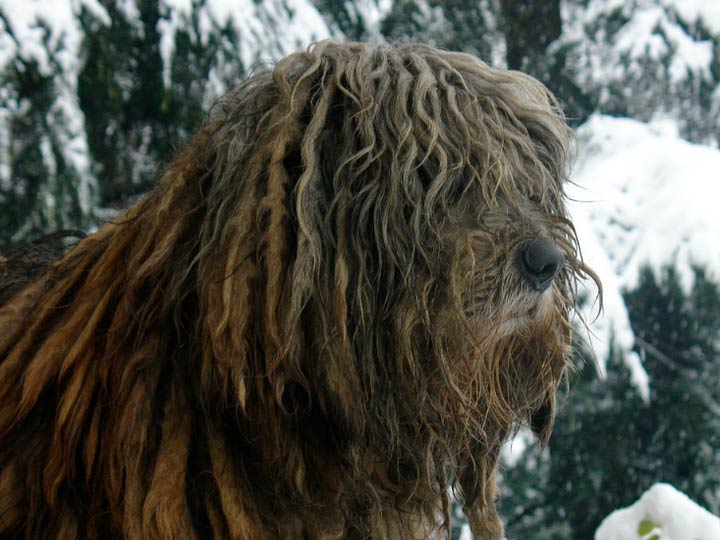
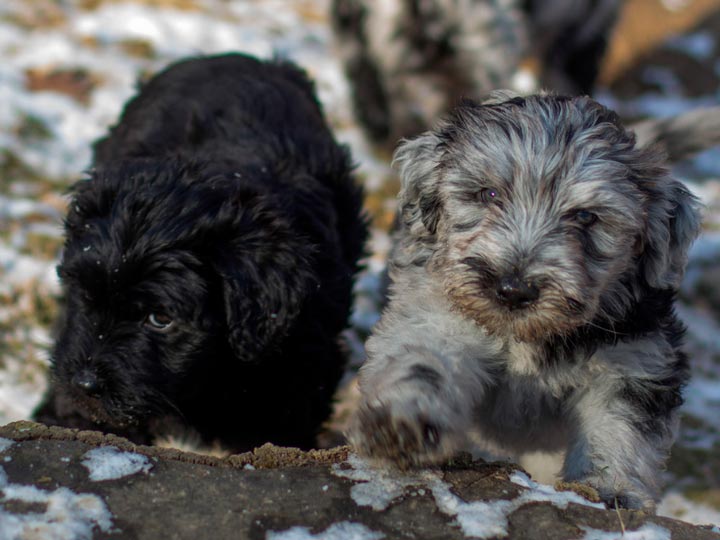
The gallery features photos of Bergamasco dogs. The photos show that puppies have short, wavy fur. The most challenging transition period is between 1.5 and 3 years, when the Bergamasco resembles a shaggy brownie and requires proper grooming. Adult dogs' coats are well-formed into dreadlocks or flat cakes.
Read also:
- Maremma Sheepdog
- Bukovinian Shepherd (Southeastern European Shepherd)
- Bracco Italiano (Italian Pointer)


Add a comment